
- Published on
Dua for the Heart: Islamic Supplications for a Healthy and Soft Heart
- Authors

- Name
- Ahmad
- Role
- Senior Marketing Manager, Islamic education • Deen Back
بِسْمِ اللهِ الرَّحْمٰنِ الرَّحِيْمِ
In the name of God, the Most Gracious, the Most Merciful.
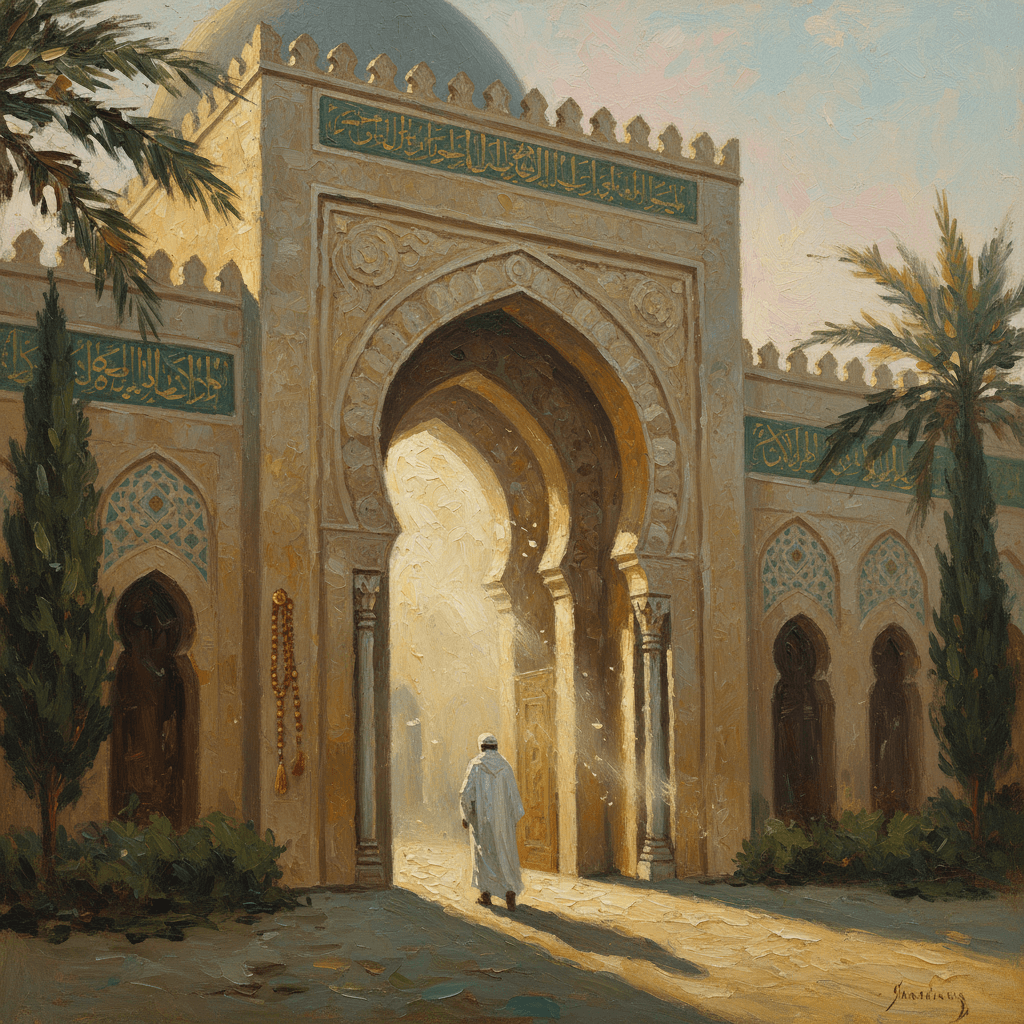
The Prophet ﷺ warned about something more dangerous than any external enemy: the qaswat al-qalb — the hardening of the heart.
A hard heart is not dramatic. It does not announce itself. It creeps in gradually — through distraction, through sin, through disconnection from worship — until one day you notice that the Quran no longer moves you, that salah feels like a chore, that crying for Allah's sake has become a distant memory.
If you recognize any of that, this article is for you. Not to make you feel ashamed — the Prophet's Companions asked about this too — but to give you the practical Islamic tools for what the Sunnah describes as the most important organ you have: the heart.
The Dua for the Heart
اللَّهُمَّ مُصَرِّفَ الْقُلُوبِ صَرِّفْ قُلُوبَنَا عَلَى طَاعَتِكَ
Allahumma musarrifal-qulub, sarrif qulubana 'ala ta'atik
"O Allah, Controller of the hearts, direct our hearts toward Your obedience."
— (Sahih Muslim 2654)
The Prophet said this dua frequently. When asked about it, he explained: "There is no heart except that it is between two of the fingers of the Most Merciful — He turns it however He wills." (Sahih Muslim 2654)
This dua is the acknowledgment of a profound reality: the heart is not fully under your control. You cannot force yourself to love Allah, to feel khushoo, to weep in dua. What you can do is ask the One who holds all hearts to turn yours toward Him.
When to say it: Daily — after each prayer. Specifically when you notice spiritual dullness, hardness, or distance from Allah.
The Dua for a Heart Full of Light
اللَّهُمَّ اجْعَلْ فِي قَلْبِي نُورًا وَفِي لِسَانِي نُورًا وَاجْعَلْ فِي سَمْعِي نُورًا
Allahumma aj'al fi qalbi nuran wa fi lisani nuran waj'al fi sam'i nuran
"O Allah, place light in my heart, light in my tongue, and light in my hearing."
— (Sahih Bukhari 6316; Sahih Muslim 763)
This is part of a longer dua the Prophet made upon waking for tahajjud. The request for light in the heart is not metaphorical — it is the request for the living awareness of Allah that makes worship meaningful and sin painful.
The Story Behind These Duas
Abdullah ibn Mas'ud رضي الله عنه reported that he and a group of Companions were sitting with the Prophet when he said: "Would it please you to be a quarter of the people of Paradise?" They said: "Yes." He said: "A third?" They said: "Yes." Then he said: "By the One in Whose hand is Muhammad's soul, I hope you will be half the people of Paradise. And that is because Paradise will not be entered except by a Muslim soul — and you among the people of shirk are like a white hair on the skin of a black ox." (Sahih Bukhari 6528)
What strikes scholars about this hadith is that after such an extraordinary statement about the believers, the Prophet did not then say "so you are fine." He kept reminding them of accountability. Because he understood: the heart that rests in safety without vigilance is the heart most at risk.
The Prophet himself, the most spiritually elevated human, made dua for his heart to remain guided. He said: "O Turner of the hearts, make my heart firm upon Your religion." (Tirmidhi 3522). If the Prophet made this dua, what should the rest of us do?
How to Make Daily Dua for Your Heart
The heart responds to what it is fed. Feed it dhikr, Quran, and dua — and it softens and comes alive. Feed it distraction, sin, and emptiness — and it hardens. The choice is made every day in small decisions, not in dramatic one-off moments.
Say the heart dua after every salah. Build it into your post-prayer routine: after the tasleem, before you stand up, say Allahumma musarrifal-qulub, sarrif qulubana 'ala ta'atik. It takes ten seconds. Across five prayers a day, that is fifty moments of asking Allah to keep your heart aligned.
Add dhikr that specifically addresses the heart. The most powerful is La ilaha illallah — the statement of tawhid. Scholars of the heart say it clears spiritual clutter like nothing else. Say it 100 times in the morning or evening with awareness of its meaning. See dua for dhikr for a complete daily dhikr practice.
Read Quran with the specific intention of softening the heart. Choose passages that have moved you before. Surah Al-Mulk, Surah Al-Waqia, Surah Al-Rahman. Do not read to complete; read to feel. Even five minutes with full attention is more effective for the heart than thirty minutes on autopilot.
Fast voluntarily. The Prophet said: "Whoever fasts one day for the sake of Allah, Allah will keep his face away from the Fire for seventy years." (Sahih Bukhari 2840). Fasting has a particular power to soften the heart — it physically breaks the grip of the nafs. For connecting fasting to heart health, see what is tazkiyah in Islam.
Identify what is hardening your heart and reduce it. This requires honest self-examination. What do you do daily that crowds out Allah? Social media scrolling? Certain types of entertainment? Certain friendships? You do not need to become an ascetic. But you do need to create space for Allah in your daily life if the heart is to remain soft.
Build the Daily Dhikr Habit That Softens the Heart
DeenBack helps you track your daily dhikr and Quran streaks — because a soft heart is not a one-time gift; it is the result of consistent daily nourishment.


Free download. Premium features available in-app.
Related Duas for the Heart
Dua for purification of the heart:
اللَّهُمَّ آتِ نَفْسِي تَقْوَاهَا وَزَكِّهَا أَنْتَ خَيْرُ مَنْ زَكَّاهَا
Allahumma ati nafsi taqwaha wa zakkiha anta khayru man zakkaha
"O Allah, give my soul its piety and purify it — You are the best of those who can purify it." — (Sahih Muslim 2722)
For a complete treatment of heart-related duas and practices, see dua for softening of heart and dua for purification of heart. The dua for light in heart covers the longer version of the light dua above. And dua for khushu in prayer addresses the specific challenge of bringing presence and tenderness into salah.
Common Questions
What if I make dua for my heart but still feel nothing?
Keep going. The heart does not transform on demand — it transforms through sustained practice. The Prophet's Companions reported going through periods of iman dipping and rising. What matters is that you do not accept the dull state as permanent. Continue the dua, continue the dhikr, continue the Quran. The feeling returns.
Is it possible to have a hard heart and still be a Muslim?
Yes — and this is important. Heart hardness is a spiritual condition that exists on a spectrum, not a line that once crossed means you are outside Islam. Every practicing Muslim will experience degrees of hardness and softness across their lifetime. The danger is not the hardness itself but the acceptance of it as a permanent state.
Does reading about Islamic concepts intellectually help soften the heart?
Somewhat — but knowledge alone is not enough. The Quran says: "Have they not traveled through the land and have hearts by which they reason?" (Quran 22:46). Knowledge that does not translate into action and feeling does not fully reach the heart. The heart needs both understanding and practice.
What about seeking knowledge from scholars or attending reminders?
Absolutely recommended. Being in the presence of people whose hearts are alive to Allah affects your own heart. The Prophet said: "Renew your faith." They asked how. He said: "Say La ilaha illallah frequently." (Musnad Ahmad 8695 — hasan). But also: seek gatherings of knowledge, dhikr, and good company.
The Heart Is the Kingdom
The Prophet ﷺ said: "Truly in the body there is a morsel of flesh — if it is sound, the whole body is sound, and if it is corrupt, the whole body is corrupt. Truly it is the heart." (Sahih Bukhari 52; Sahih Muslim 1599)
Everything flows from the heart. Your prayer quality, your relationship with Allah, your ability to leave sin, your peace — all of it is upstream from the heart's condition.
This is why dua for the heart is not just one category of supplication. It is the most foundational dua there is.
Ask Allah every day. Ask Him to turn your heart toward Him. He is the Turner of Hearts — and this request, made sincerely, is one He honors.
Nourish Your Heart Every Single Day
DeenBack helps you build the daily dhikr, dua, and Quran practice that keeps your heart alive and your iman growing — one consistent day at a time.
Free download. Premium features available in-app.
Frequently Asked Questions
What is the best dua for a soft and healthy heart?
The Prophet frequently said: Allahumma musarrifal-qulub, sarrif qulubana 'ala ta'atik — O Allah, Controller of the hearts, direct our hearts toward Your obedience (Sahih Muslim 2654). This directly asks Allah to turn the heart toward worship, which is the foundation of a spiritually healthy heart.
What causes the heart to become hard in Islam?
The Prophet named excessive laughing, excessive eating, excessive talk, excessive mixing with people, and extended hope (long-term worldly attachment) as five things that harden the heart (narrated by scholars of tazkiyah, attributed to various sources). In practice, anything that keeps the heart distracted from Allah's remembrance gradually hardens it.
How do I know if my heart is becoming hard?
Signs include: prayers feeling mechanical rather than meaningful, Quran no longer moving you, sins feeling lighter than they used to, difficulty weeping in remembrance of Allah, and a general heaviness and spiritual dullness. These are warning signs the Prophet and scholars have identified — not reasons for despair, but signals to take action.
What is the relationship between dhikr and the heart?
Allah says: Verily, in the remembrance of Allah do hearts find rest (Quran 13:28). Dhikr is not just good for the heart — it is the cure for the heart's fundamental disease, which is forgetfulness of Allah. Regular dhikr softens hardness, removes anxiety, and creates the inner environment where iman can grow.
Is it possible to feel spiritually dead inside, and what should I do?
Yes — many Muslims experience periods of spiritual deadness, where dua feels empty and worship feels hollow. This is the hardened heart speaking. The prescription is not to wait for the feeling to return but to act anyway: pray, make dhikr, read Quran, give sadaqah. The heart follows action before it leads it.