
- Published on
Dua When Happy: Islamic Supplications for Moments of Joy and Gratitude
- Authors

- Name
- Ahmad
- Role
- Senior Marketing Manager, Islamic education • Deen Back
بِسْمِ اللهِ الرَّحْمٰنِ الرَّحِيْمِ
In the name of God, the Most Gracious, the Most Merciful.
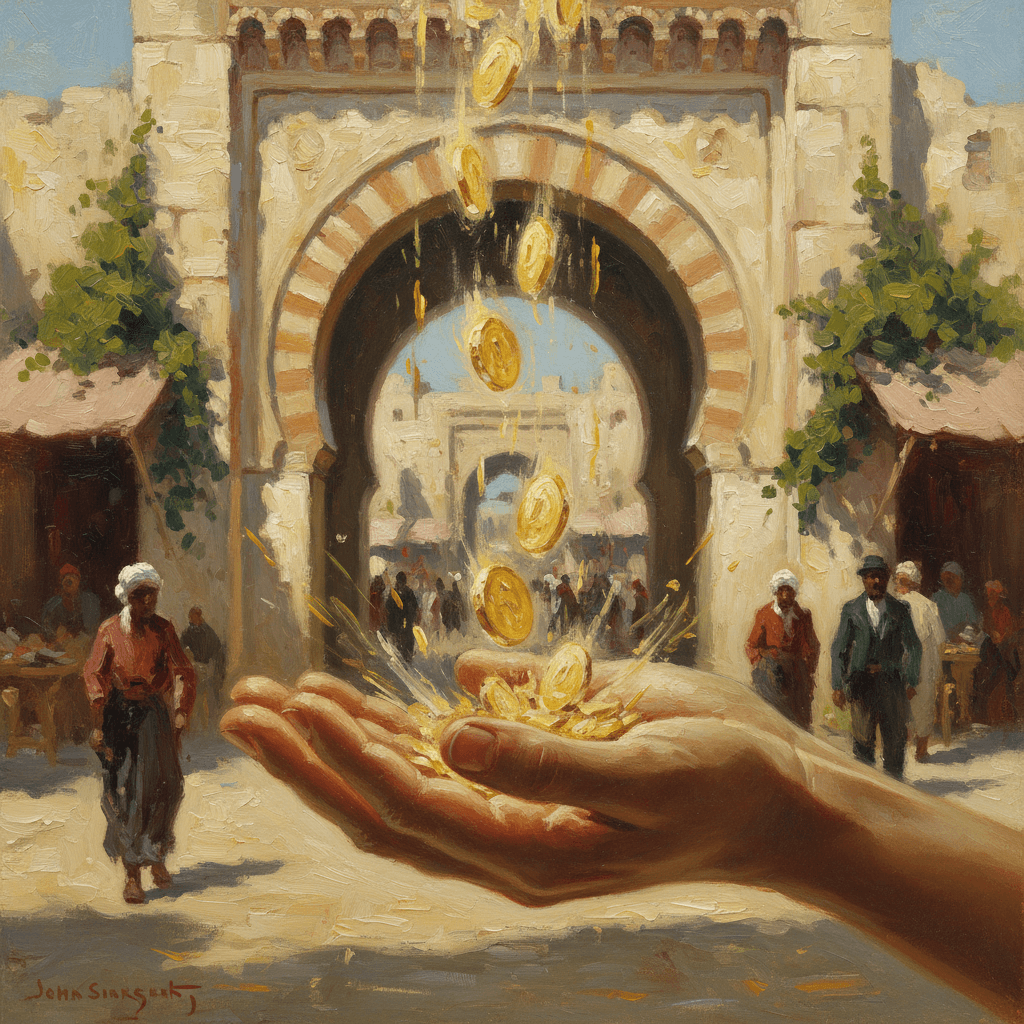
Most of us know we should turn to Allah in difficulty. We have the duas for hardship memorized, or at least we reach for them when we need them. But happiness — real, uncomplicated happiness — catches us off guard.
Something goes well. You get good news. A weight lifts. And in that moment of lightness, the nafs is often the first to respond: celebrating, planning, sharing — and Allah is somehow left out of the equation.
The Sunnah teaches something different. Joy is a gift, and every gift has a Giver who deserves to be acknowledged. The Islamic practice of making dua when happy is not superstition or ritual — it is the trained reflex of a heart that knows where all good things come from.
The Dua When Happy
الْحَمْدُ لِلَّهِ الَّذِي بِنِعْمَتِهِ تَتِمُّ الصَّالِحَاتُ
Al-hamdulillahil-ladhi bi-ni'matihi tatimmus-salihat
"Praise be to Allah, by Whose grace good things are completed."
— (Ibn Majah 3803; Al-Hakim — sahih)
This dua is specifically taught for moments of something good happening — receiving a blessing, completing something well, experiencing a moment of relief or joy. It is brief, but its theology is profound: it attributes the completion of every good thing not to our effort alone, but to Allah's grace.
When to say it: Any moment of genuine happiness — good news, a task completed, a problem resolved, a feeling of peace and contentment.
The General Dua of Gratitude
اللَّهُمَّ لَكَ الْحَمْدُ كُلُّهُ
Allahumma lakal-hamdu kulluhu
"O Allah, all praise belongs to You."
— (Sahih Bukhari 7383, adapted from the dua of the Prophet in states of gratitude)
The Prophet ﷺ was known for constant praise of Allah in both ease and hardship. The phrase Al-hamdulillah was his response to all conditions — making praise not just a reaction to good things but a baseline state of the believing heart.
The Story Behind Dua in Happy Moments
The Companions noticed something about the Prophet ﷺ that seemed unusual to people unaccustomed to deep faith: he praised Allah in prosperity and adversity with what appeared to be equal consistency.
Aisha رضي الله عنها reported: "When the Prophet saw something he liked, he said: Al-hamdulillah alladhi bi-ni'matihi tatimmus-salihat. And when he saw something he disliked, he said: Al-hamdulillah 'ala kulli hal." (Ibn Majah 3803).
This is remarkable. The same root response — praise of Allah — was calibrated for joy and difficulty alike. Not because joy and pain are the same experience, but because the Source behind both is the same. The believer's response to good news is not merely "great!" — it is "great, and thank You, Ya Allah."
This practice is also rooted in a Quranic warning. Allah says: "When hardship touches a person, he calls upon Us. Then when We grant him a blessing from Us, he says: I was given this because of my own knowledge." (Quran 39:49). The dua when happy is the antidote to this forgetfulness — it interrupts the natural human tendency to claim credit for our own blessings.
How to Make This Dua Part of Your Daily Life
The challenge is not learning the words. It is building the reflex — the automatic turn toward Allah when something good happens, before the nafs rushes ahead with its own response.
Identify your "happiness triggers." What are the moments when you typically feel happy? Finishing work, good news from family, a meal you love, a problem finally resolved? For each of these moments, practice deliberately saying Al-hamdulillahil-ladhi bi-ni'matihi tatimmus-salihat as your first verbal response.
Connect it to your morning adhkar. The dua for morning adhkar already contains built-in gratitude. If you build the morning habit of thanking Allah before your day begins, you train the mindset that every good thing in the day is a continuation of Allah's grace.
Use happy moments to make extra dua. The Prophet ﷺ said: "Know that your dua will be answered." (Sahih Bukhari 6340 — paraphrased). Moments of happiness are moments of openness — the heart is light, the walls are down. Use that openness to ask Allah for what you need: more iman, steadfastness, forgiveness, barakah in what you have been given.
Share gratitude, but privately acknowledge Allah first. When something good happens, our instinct is to share it immediately. There is nothing wrong with sharing. But before the first message or call — even five seconds before — turn to Allah. Al-hamdulillah. Then share. That brief private acknowledgment is the habit that changes everything over time.
Be aware of the nafs in happiness. Happiness can make the nafs bolder. It whispers: you deserve this, you earned it, you can afford to relax now. The dua when happy is partly a correction of this whisper — a reminder that you did not earn it alone, and the One who gave it can also take it.
Build a Gratitude Practice That Sticks
DeenBack helps you track your daily dhikr and adhkar — including the habit of acknowledging Allah in good moments, not just difficult ones. Start your gratitude streak today.


Free download. Premium features available in-app.
Related Duas for Gratitude and Good Moments
Dua for thanks to Allah:
اللَّهُمَّ أَعِنِّي عَلَى ذِكْرِكَ وَشُكْرِكَ وَحُسْنِ عِبَادَتِكَ
Allahumma a'inni 'ala dhikrika wa shukrika wa husni 'ibadatik
"O Allah, help me to remember You, to be grateful to You, and to worship You well." — (Abu Dawud 1522)
For a deeper understanding of gratitude in Islam, see what is shukr in Islam — it explains the full theological weight of gratitude as a spiritual practice. The dua for thanks to Allah covers additional supplications for gratitude moments. To understand barakah — what makes blessings last — visit dua for barakah. And for turning your morning into a gratitude practice, see how to do morning adhkar.
Common Questions
Is it superstitious to feel like I should acknowledge Allah when something good happens?
No — it is theologically grounded. Every blessing has a source. Acknowledging Allah when something good happens is simply recognizing that source. It is the honest response of someone who takes the phrase "everything comes from Allah" seriously, not just as a slogan but as a lived reality.
What if I forget to say dua in the moment and only remember later?
Say it then. There is no expiration on gratitude. "I just received good news and forgot — Ya Allah, Al-hamdulillahil-ladhi bi-ni'matihi tatimmus-salihat" is still valid, still sincere, still counted.
Is it possible to be too happy — like is it haram to feel intense joy?
No. Joy is a gift and a mercy. What Islam guards against is joy that makes you forget Allah or transgress boundaries. Joy itself, expressed within the framework of gratitude to Allah, is an entirely positive state.
What about happiness that comes from something questionable?
If you are unsure whether the thing bringing you happiness is permissible, the joy you feel might itself be a signal worth examining. But dua for gratitude is still appropriate — you can be grateful to Allah while also asking for guidance about the thing itself.
The Heart That Finds Joy in Both Directions
The believer who learns to turn to Allah in good times builds something powerful: a relationship with Allah that does not depend on hardship as the only entry point.
Most people remember Allah when things go wrong. The servant who also remembers Him when things go right — who says Al-hamdulillah before the first celebratory message, who pauses in sujood to thank Allah for the thing that went well today — has a different kind of connection.
A connection that does not come and go with circumstances. A connection that holds.
Make Gratitude Your Daily Baseline
DeenBack tracks your daily dhikr streaks — helping you build the habit of acknowledging Allah in every season of life, not just when things are hard.
Free download. Premium features available in-app.
Frequently Asked Questions
Is there a specific dua to say when you are happy?
The Prophet taught Al-Hamdulillah in all states, and there is a specific sunnah of saying Al-Hamdulillahil-ladhi bi-ni'matihi tatimmus-salihat (Praise be to Allah, by Whose grace good things are completed) when experiencing something pleasing. This is narrated in Ibn Majah 3803 and Al-Hakim.
Why is it important to make dua when happy?
Happiness that is not anchored in gratitude to Allah can become a test — the nafs can use prosperity to pull you away from Allah rather than toward Him. Saying dua when happy converts joy from a potential distraction into a moment of connection with the source of all good.
What is the connection between happiness and shukr in Islam?
Shukr (gratitude) is the Islamic response to happiness — it is what transforms a passing feeling into an act of worship. Allah says: If you are grateful, I will increase you (Quran 14:7). Dua in moments of joy is the practical expression of shukr.
Should I worry that happiness will go away if I do not acknowledge Allah?
The concern is not superstition — it is a recognition that blessings have a Source. Acknowledging Allah in good times is not a ritual to preserve blessings, though gratitude does invite more (Quran 14:7). It is simply the honest response of a heart that knows where everything comes from.
Can I make personal dua during moments of happiness?
Absolutely. Moments of happiness are excellent times for dua because the heart is open and light. Ask Allah to make the blessing lasting, to protect you from its potential tests, and to grant you more of what pleases Him.