
- Published on
Dua for Purification of the Heart: Cleaning What Only Allah Can See
- Authors

- Name
- Ahmad
- Role
- Senior Marketing Manager, Islamic education • Deen Back
بِسْمِ اللهِ الرَّحْمٰنِ الرَّحِيْمِ
In the name of God, the Most Gracious, the Most Merciful.
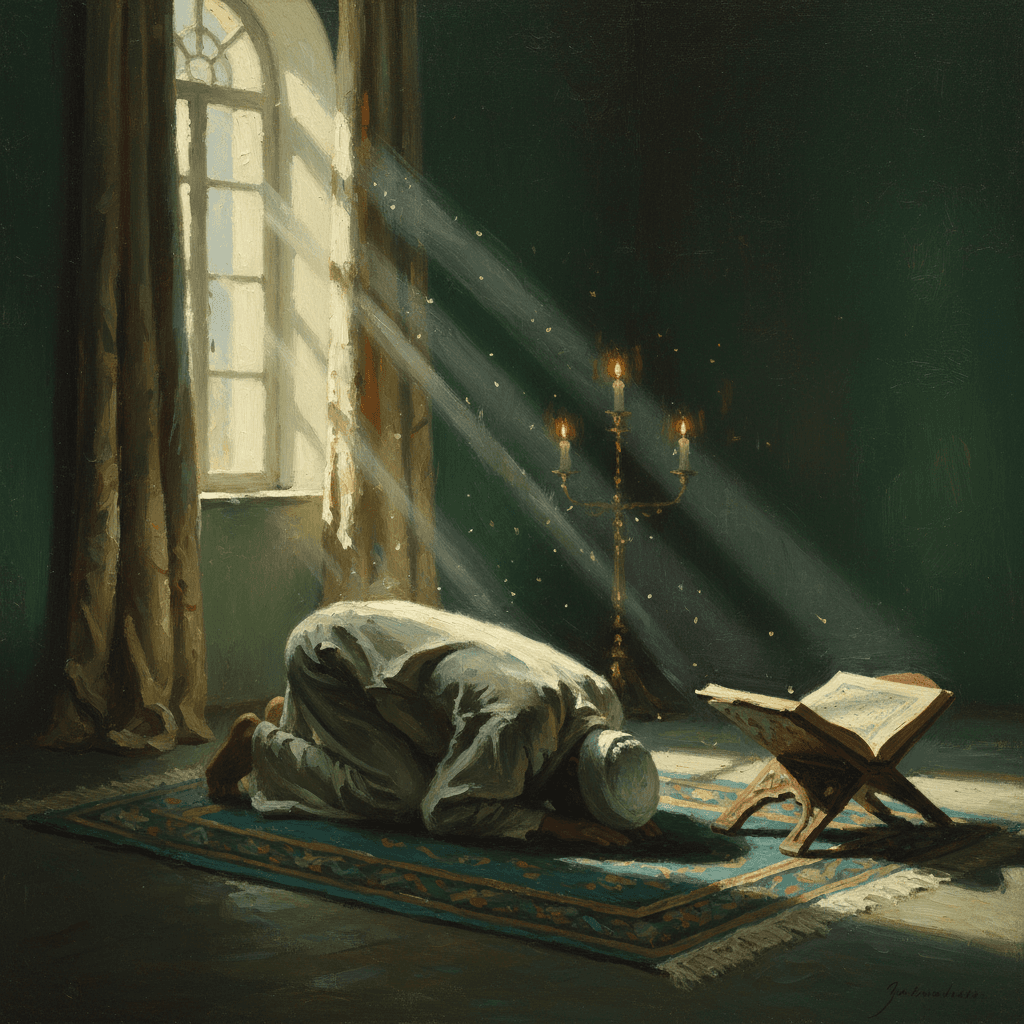
No one else can see inside your heart. Allah can.
This is both the most humbling and the most liberating truth in the Deen. Humbling, because it means that all the ways you present yourself to the world — the public worship, the charitable acts, the careful words — are visible to other people but not necessarily meaningful if the heart behind them is corrupted. Liberating, because it means the inner transformation that only Allah can see is the one that actually matters most.
The Prophet (peace be upon him) said: "Verily, Allah does not look at your appearances or your wealth, but He looks at your hearts and your deeds." (Muslim 2564)
If the heart is the seat of the deen, then keeping it clean is the most important form of maintenance a Muslim can do. And the primary tool for that maintenance is dua.
The Dua for Purification of the Heart
اللَّهُمَّ آتِ نَفْسِي تَقْوَاهَا وَزَكِّهَا أَنْتَ خَيْرُ مَنْ زَكَّاهَا أَنْتَ وَلِيُّهَا وَمَوْلاَهَا
Allahumma ati nafsi taqwaha wa zakkiha anta khayru man zakkaha, anta waliyyuha wa mawlaha.
"O Allah, grant my soul its taqwa, and purify it — You are the best to purify it; You are its Guardian and Master." — (Muslim 2722)
This dua is both a request and a declaration of dependency. It asks for two things: taqwa (God-consciousness, the spiritual shield against sin) and tazkiyah (purification of the soul itself). And it acknowledges that both are gifts from Allah — "You are the best to purify it" — not achievements of self-discipline alone.
A second key supplication — the dua of Maryam's mother for protection from what corrupts:
إِنِّي أُعِيذُهَا بِكَ وَذُرِّيَّتَهَا مِنَ الشَّيْطَانِ الرَّجِيمِ
Inni u'idhuha bika wa dhurriyyataha min ash-shaytan ir-rajim.
"I seek refuge for her and her offspring in You from the outcast Shaytan." — (Quran 3:36)
Though this was a mother's prayer for her child, its principle applies to the heart: the greatest threat to its purity is shaytan's constant work to corrupt it. Seeking refuge in Allah from that corruption is itself an act of purification.
The Story Behind It
The Prophet (peace be upon him) would say the dua Allahumma ati nafsi taqwaha as part of his regular supplications. Zayd ibn Arqam (RA) narrated that the Prophet would begin his dua with these words. (Muslim 2722)
The dua connects directly to a verse that the Prophet loved deeply: "Qad aflaha man zakkaha wa qad khaba man dassaha" — "He who purifies it (the soul) has succeeded, and he who corrupts it has failed." (Quran 91:9-10)
Eleven oaths precede this verse in Surah Ash-Shams — eleven divine witnesses called to testify to this single truth: the soul's purification determines everything. Not the size of your bank account. Not your social status. Not your eloquence or appearance. The state of the nafs.
The Prophet understood this. His dua was not asking for something extraordinary — it was asking for what every Muslim needs most: a clean heart, oriented toward Allah, free from the diseases that corrupt intention and worship.
How to Make This Dua Part of Your Daily Life
Purification of the heart is not a single act — it is an ongoing practice. Like physical hygiene, it requires daily attention, not just occasional deep cleaning.
Make this dua part of your post-Fajr routine. The early morning is when the heart is most receptive and least defended against the noise of the day. Add Allahumma ati nafsi taqwaha wa zakkiha to your morning adhkar. It takes under thirty seconds and sets the intention for the entire day: this is a day when I am asking Allah to purify what is inside me.
Combine it with regular istighfar. Dua for purification opens the door. Istighfar — seeking forgiveness — is what walks through it. The Prophet said that sins leave marks on the heart, and istighfar cleanses them. Building istighfar as a daily habit — not just an occasional act — is one of the most effective ongoing practices for heart purification.
Identify the specific disease and target it. The most effective tazkiyah is specific. General dua for purification is good. Dua that names the specific disease — "O Allah, purify my heart from hasad" or "O Allah, remove riya from my deeds" — is better. Naming the disease requires honesty with yourself, which is itself a form of purification. See the article on what is nafs in Islam to understand the specific diseases of the nafs more deeply.
Make tawbah a daily practice, not an occasional event. Many Muslims treat tawbah (repentance) as something for major sins only. The Prophet made tawbah dozens of times each day, despite being free from sin. Why? Because the heart accumulates subtle impurities constantly — moments of heedlessness, slight ostentation in a good deed, a flash of arrogance — and daily tawbah keeps those impurities from settling.
Audit your intentions regularly. The most powerful act of tazkiyah is not a dua or a deed — it is the moment before a deed when you honestly ask: why am I doing this? For Allah, or for the praise of people? This muhasabah (self-accounting) is the practical side of heart purification. See what is tazkiyah in Islam for a full exploration of this concept.
Purify Your Daily Practice — Track What Matters Most
DeenBack helps you build the daily habits of dhikr, dua, and Quran that are the practical side of heart purification. Your inner life is worth tracking.


Free download. Premium features available in-app.
Related Duas
Dua for repentance: Purification and repentance are inseparable. The dua for repentance covers the specific supplication for tawbah — the act that most directly removes spiritual rust from the heart.
Dua for ikhlas: Sincerity (ikhlas) is both the fruit of a purified heart and a means to purify it further. The dua for ikhlas targets the nafs's tendency to corrupt intention with desire for praise.
Dua for guidance: A purified heart needs a clear direction. The dua for guidance is the natural companion — asking Allah to show you where the clean heart should go.
Common Questions
How do I know if my heart is becoming more purified?
The signs are internal and behavioral. Internally: a growing discomfort with sins you used to rationalize, a greater ease with worship, and a decreasing preoccupation with what others think of you. Behaviorally: more patience, less anger, more generosity, and a reduced pull toward what is forbidden. These changes are gradual — they do not announce themselves dramatically. But they are real and measurable.
Can I make dua for purification of someone else's heart?
Yes — making dua for others is encouraged throughout the Sunnah. You can say: "Allahumma zaki qalb [person's name] wa atihi taqwahu" — O Allah, purify the heart of [name] and grant him his taqwa. This is an act of love and a form of intercession that costs you nothing but is deeply meaningful.
What if I feel like I keep falling into the same sins despite making this dua?
This is a common experience and not a sign that dua is ineffective. The process of tazkiyah is gradual, and the nafs resists change. What the dua does is reorient the will and invite Allah's help. Your role is to keep making the dua, keep making tawbah when you fall, and keep taking the practical steps (avoiding triggers, finding accountability, building good habits). The combination of sincere dua and deliberate action is what creates lasting change.
Closing
Your heart is the most important thing you own. Not your reputation, your career, or your possessions — your heart, which determines how you meet Allah.
The dua for purification of the heart is not asking Allah for something unusual. It is asking Him for what every believer needs every day: a soul oriented toward taqwa, cleaned of what corrupts, governed by the One who knows it best.
Say it today. Say it tomorrow. And let the daily practice of asking for a clean heart gradually become the reality of one.
Start Your Inner Transformation — One Daily Habit at a Time
Purification of the heart happens through consistent daily practice. DeenBack helps you build and track the habits that make tazkiyah real, not just an aspiration.
Free download. Premium features available in-app.
Frequently Asked Questions
What is the dua for purification of the heart?
A key dua is: Allahumma ati nafsi taqwaha wa zakkiha anta khayru man zakkaha, anta waliyyuha wa mawlaha — O Allah, grant my soul its taqwa, and purify it — You are the best to purify it; You are its Guardian and Master. (Muslim 2722). This is one of the most comprehensive supplications for spiritual purification in the Sunnah.
What does purification of the heart mean in Islam?
Purification of the heart — tazkiyat al-nafs — means cleansing it from qualities that obstruct closeness to Allah: arrogance, riya (showing off), hasad (envy), nifaq (hypocrisy), excessive love of dunya, and harboring grudges. The purified heart is one that is oriented entirely toward Allah, free from the diseases that corrupt worship and character.
What sins corrupt the heart the most?
The Prophet (peace be upon him) identified arrogance (kibr), envy (hasad), ostentation (riya), excessive love of wealth, and persistent major sins as the main diseases of the heart. Each of these creates a spiritual barrier between the person and Allah. Tazkiyah — purification — involves identifying, naming, and working to remove each disease through dua, tawbah, and righteous action.
How often should I make dua for heart purification?
Daily — ideally as part of your morning or post-salah adhkar. The Prophet said this dua regularly. The heart collects spiritual grime throughout the day from sins, distractions, and interactions. Daily purification through dua and istighfar is the ongoing maintenance the heart needs, not a one-time repair.
What is the connection between tazkiyah and the nafs?
Tazkiyah (purification) is specifically directed at the nafs (the self or soul). The Quran says: 'He who purifies it (the nafs) has succeeded, and he who corrupts it has failed' (91:9-10). The nafs is the battleground where spiritual development happens. Purifying it through dua, dhikr, good deeds, and leaving sins is the central task of the Muslim's inner life.