
- Published on
Dua for the Last 10 Days of Ramadan: Make Every Night Count
- Authors

- Name
- Ahmad
- Role
- Senior Marketing Manager, Islamic education • Deen Back
بِسْمِ اللهِ الرَّحْمٰنِ الرَّحِيْمِ
In the name of God, the Most Gracious, the Most Merciful.
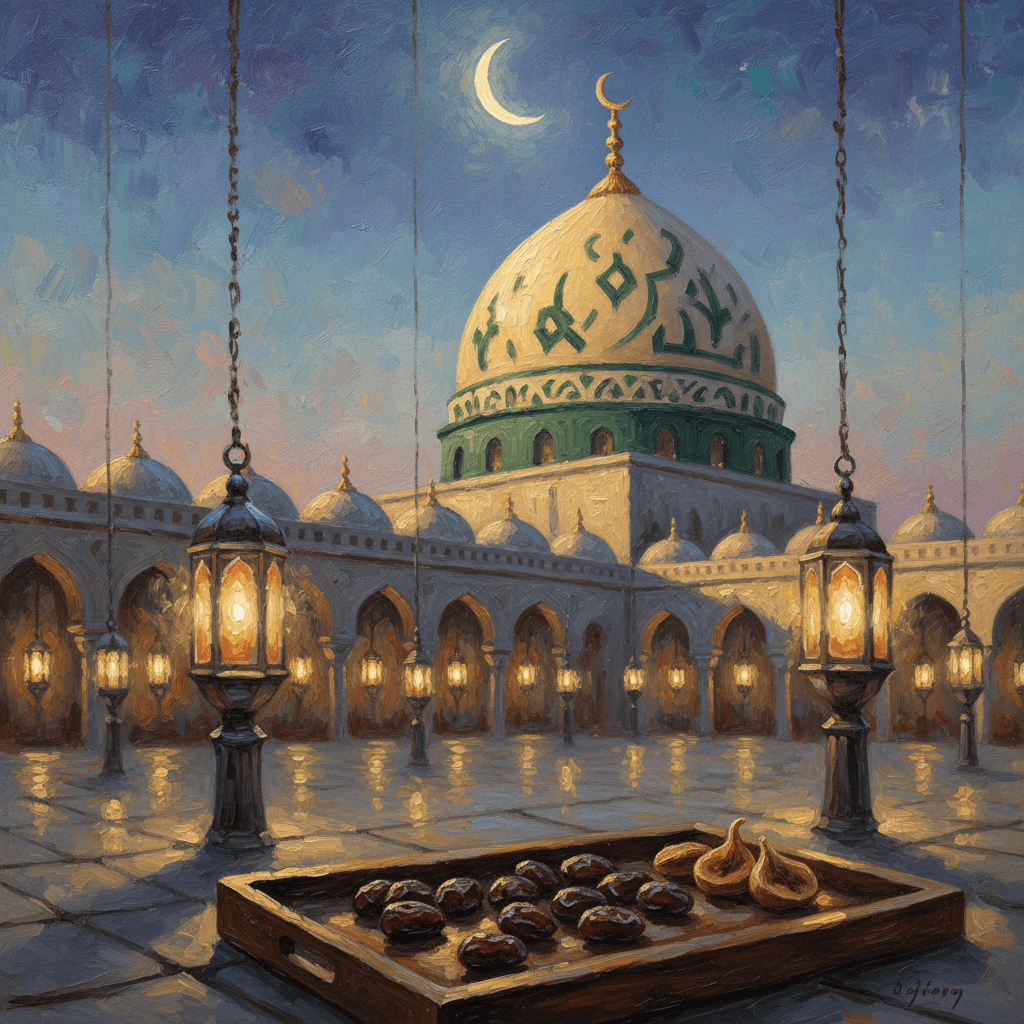
Ten nights. That is all that stands between you and the greatest spiritual opportunity of the entire year.
Most of us spend 29 or 30 days fasting, praying, and trying to do better — and then the last 10 nights arrive and we either coast through them or let them blur into exhaustion and routine. That is the quiet tragedy. Because within those 10 nights is one night that the Quran says is better than a thousand months. That is over 83 years of worship in a single night — compressed into a handful of hours you are awake for anyway.
The last 10 nights of Ramadan are not about doing more for its own sake. They are about showing up with intention, with the right words, and with enough awareness to not let the most valuable nights of your life slip by unnoticed.
The Dua
The Prophet (peace be upon him) taught his wife Aisha (may Allah be pleased with her) one specific dua to say on Laylatul Qadr. When she asked him what she should say if she knew which night it was, he did not give her a long list. He gave her this:
اللَّهُمَّ إِنَّكَ عَفُوٌّ تُحِبُّ الْعَفْوَ فَاعْفُ عَنِّي
Allahumma innaka afuwwun tuhibbul afwa fa'fu anni.
"O Allah, You are the Pardoner, You love to pardon, so pardon me." — (Tirmidhi 3513)
This dua is short enough to memorize in one sitting and heavy enough to carry the weight of a year's worth of shortcomings. The word afuwwun does not just mean forgiveness — it means a complete pardon, as if the offense never happened. Allah does not just forgive; He erases. And He loves to do it.
Say this dua repeatedly across all 10 nights. During prostration, before breaking fast, after Taraweeh, in the quiet of the last third of the night. Let it become the refrain of your last 10 days.
The Story Behind It
Aisha (may Allah be pleased with her) reports in the hadith that the Prophet (peace be upon him) would intensify his worship in the last 10 nights in a way that was different from the rest of the month. She said: "When the last ten nights of Ramadan came, the Prophet would tighten his waist-wrapper, stay awake at night, and wake his family." (Bukhari 2024)
He also began i'tikaf — the practice of retreating to the mosque for the full 10 nights — which he maintained every Ramadan until his death. He did this not because he was a prophet who needed the extra worship. He did it because he understood what was at stake.
The Quran reveals that on Laylatul Qadr, the angels descend to Earth with Jibreel himself, and peace reigns until the break of dawn. (Surah Al-Qadr 97:4-5) That single night holds more spiritual weight than a lifetime of ordinary worship. The Prophet knew this — and so he made sure he and his family did not sleep through it.
How to Make the Last 10 Nights a Habit, Not Just a Hope
The biggest failure during the last 10 nights is passive intention. You intend to do more, you plan to stay up, and then Thursday night arrives and you watch a few videos and go to sleep at midnight telling yourself you will do better tomorrow. This section is about not letting that happen.
Structure each night the same way. You do not need a different plan for each night. One consistent structure across all 10 nights is more sustainable and more powerful than elaborate plans that fall apart. The structure: pray Isha on time, pray Taraweeh (even if shorter), make the Laylatul Qadr dua, recite Quran for at least 15 minutes, and wake up for Tahajjud before Fajr.
Use the odd nights as anchors. The most likely nights for Laylatul Qadr are the odd nights — 21st, 23rd, 25th, 27th, and 29th. Mark them in your calendar right now. If you can only go hard on five nights, make it those five. But do not neglect the even nights either — the goal is to cover every possibility.
Stack the dua on existing triggers. Every night has natural moments of stillness: right before iftar, the moment you finish Taraweeh, the few minutes in prostration during Tahajjud. Those are your dua windows. You do not need extra time — you need to use the pauses you already have.
Say the Laylatul Qadr dua in every sujood. The Prophet said the closest a servant is to Allah is in prostration. (Muslim 482) If you are already praying, you already have multiple prostrations every night. Make this dua in each one. That alone means you are saying it dozens of times across the 10 nights without adding a single minute to your routine.
Track which nights you did it. A simple checkmark for each night creates accountability and momentum. By the 25th night, seeing seven boxes checked makes it almost impossible to quit on the final three.
Track Every Night of the Last 10
DeenBack helps you stay consistent through the most important nights of the year — track your duas, your Quran, and your Tahajjud streak so none of the last 10 nights slips by.


Free download. Premium features available in-app.
Related Duas
Dua for Laylatul Qadr: The full guide to the night itself — signs, recommended practice, and how scholars describe it — lives in the dua for Laylatul Qadr post.
Dua for Taraweeh: If you want to know what to say specifically during the Taraweeh prayer itself, see the dua for Taraweeh guide.
Dua for Ramadan: For the broader Ramadan context — the duas for the full month, not just the last 10 nights — see the dua for Ramadan post.
Dua for Tahajjud: The last third of the night is when Tahajjud happens. The dua for Tahajjud guide covers exactly what to say during that prayer.
Common Questions
What if I cannot stay awake for the whole night?
You do not need to. The Prophet said Laylatul Qadr is found in the last portion of the night — and even an hour of intentional worship in that window is significant. Set an alarm for 45 minutes before Fajr, pray two or four rakahs, and make the Laylatul Qadr dua in every prostration. That is enough to count as standing in prayer on Laylatul Qadr according to the scholars.
Should I focus only on the 27th night?
Many scholars point to the 27th as the most likely night, and it is fine to give it extra intensity. But the Prophet himself spread his worship across all 10 nights — he did not rest on the others because of the 27th. Since we cannot be certain, covering all 10 is the safer and more prophetic approach.
Can I make personal dua on these nights too?
Absolutely. The Laylatul Qadr dua is the recommended core, but these nights are also the best time for your most personal, most urgent requests. After making the prophetic dua, speak to Allah in your own words about whatever weighs on you. The doors are open.
What if I am traveling or unwell during the last 10 nights?
Worship according to your capacity. If you cannot stand in Taraweeh, pray sitting. If you cannot stay awake, set an alarm for before Fajr. Even making the Laylatul Qadr dua once before sleep each night is intentional worship. Allah rewards sincerity and effort, not perfect execution.
Closing
You will not remember most of Ramadan years from now. But you will remember the last 10 nights if you actually show up for them.
One night from those 10 holds more reward than 83 years. You have already spent years building towards this. Do not let exhaustion or routine make you a bystander in your own most important nights.
Say Allahumma innaka afuwwun tuhibbul afwa fa'fu anni right now — out loud, slowly — and make a decision that this year, the last 10 nights will be different.
Make This Ramadan's Last 10 Nights Count
DeenBack is built to help you track duas, dhikr, and worship habits through the most important nights of the year. Start your streak tonight.
Free download. Premium features available in-app.
Frequently Asked Questions
What dua should I make in the last 10 days of Ramadan?
The Prophet taught Aisha (may Allah be pleased with her) to say: Allahumma innaka afuwwun tuhibbul afwa fa'fu anni — O Allah, You are the Pardoner, You love to pardon, so pardon me. This is the most recommended dua for Laylatul Qadr and the last 10 nights. (Tirmidhi 3513)
When exactly are the last 10 nights of Ramadan?
The last 10 nights begin on the 21st night of Ramadan — meaning after Isha on the 20th day of fasting. They include the odd nights (21st, 23rd, 25th, 27th, 29th) which are the most likely candidates for Laylatul Qadr. Most scholars emphasize the 27th night, though no single night is guaranteed.
What is Laylatul Qadr and why does it matter so much?
Laylatul Qadr is described in the Quran as better than a thousand months (Surah Al-Qadr 97:3) — that is over 83 years of continuous worship in a single night. The Prophet said: Whoever stands in prayer on Laylatul Qadr out of faith and seeking reward, his past sins will be forgiven. (Bukhari 2014)
What should I do on each of the last 10 nights?
The Prophet's practice was: pray Isha in congregation, pray Taraweeh, make dua, recite Quran, pray Tahajjud before Fajr, and end with Witr. The most important elements are staying awake for a portion of the night, making the Laylatul Qadr dua repeatedly, and not letting any of the 10 nights pass without intentional worship.
Can I make the Laylatul Qadr dua on any of the 10 nights?
Yes — and you should. Since no one knows exactly which night is Laylatul Qadr, making the dua on every one of the last 10 nights guarantees you catch it. The Prophet intensified his worship across all 10 nights, not just the 27th.