
- Published on
Dua for Prayer: Before, During, and After Salah
- Authors

- Name
- Ahmad
- Role
- Senior Marketing Manager, Islamic education • Deen Back
بِسْمِ اللهِ الرَّحْمٰنِ الرَّحِيْمِ
In the name of God, the Most Gracious, the Most Merciful.
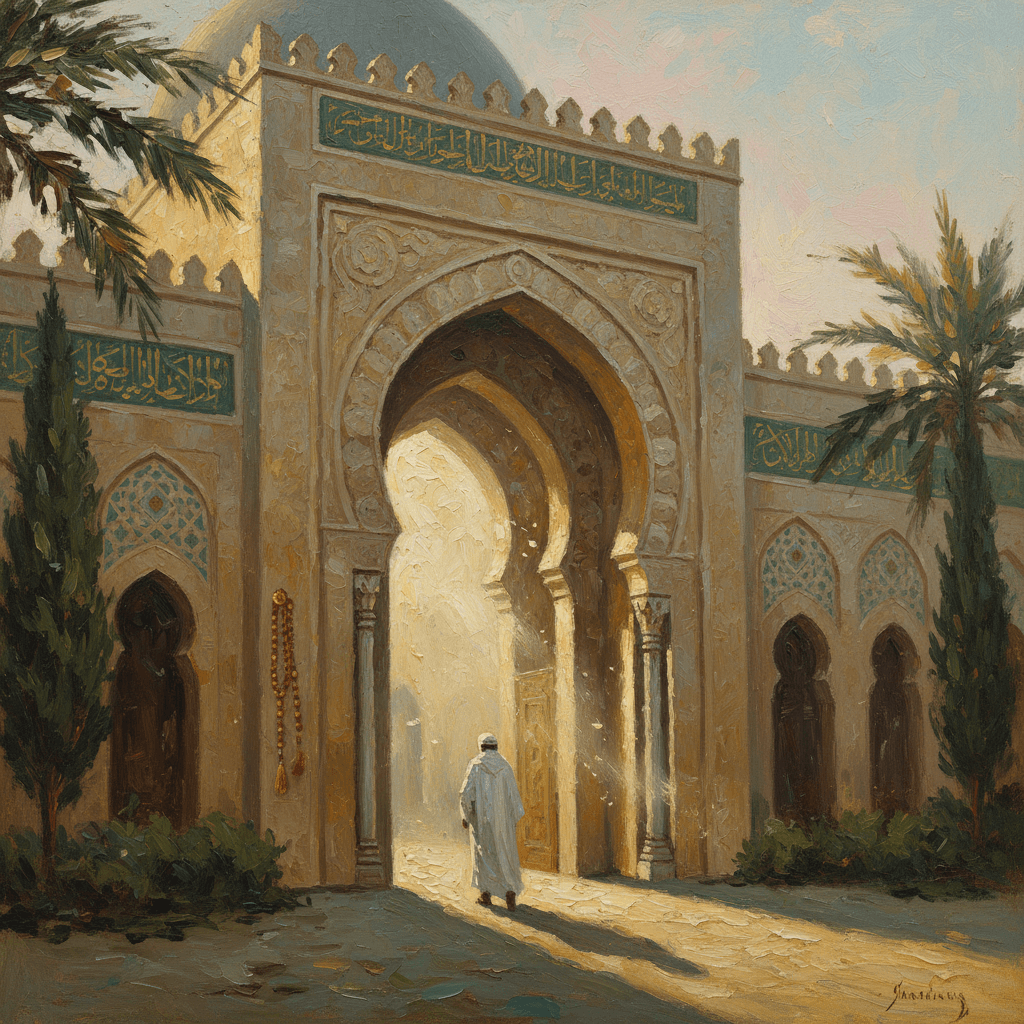
Salah is five times a day. For most Muslims, that is either the most consistent spiritual practice they have — or the most consistent source of guilt. We know we should be praying. We know the prayers should feel like something. But a lot of us move through the motions without fully inhabiting them.
The reason is often not laziness. It is not knowing what is actually inside the prayer. Salah is not just physical movements and memorized phrases — it is structured conversation. Each position has specific words. Each transition has a meaning. And the moments before and after the prayer are just as important as the prayer itself.
This guide covers the duas that live inside and around your salah — the ones that turn a routine obligation into an actual encounter with Allah.
The Duas
The opening dua (istiftah) — said quietly after the opening takbir:
سُبْحَانَكَ اللَّهُمَّ وَبِحَمْدِكَ وَتَبَارَكَ اسْمُكَ وَتَعَالَى جَدُّكَ وَلَا إِلَهَ غَيْرُكَ
Subhanakal-Lahumma wa bihamdika wa tabarakasmuka wa ta'ala jadduka wa la ilaha ghairuk.
"Glory be to You, O Allah, and praise. Blessed is Your name, and exalted is Your greatness. There is no god but You." — (Abu Dawud 775)
Between the two sujuds — the often-neglected dua of asking:
رَبِّ اغْفِرْ لِي، رَبِّ اغْفِرْ لِي
Rabbigh-fir li, Rabbigh-fir li.
"O Lord, forgive me. O Lord, forgive me." — (Ibn Majah 897)
The dua in sujud — closest position to Allah:
اللَّهُمَّ اغْفِرْ لِي ذَنْبِي كُلَّهُ، دِقَّهُ وَجِلَّهُ، وَأَوَّلَهُ وَآخِرَهُ، وَعَلَانِيَتَهُ وَسِرَّهُ
Allahumma ighfir li dhanbi kullahu, diqqahu wa jillahu, wa awwalahu wa akhirahu, wa 'alaniyyatahu wa sirrahu.
"O Allah, forgive me all my sins — the small and the great, the first and the last, the public and the hidden." — (Muslim 483)
Before the final salam — four-part protection dua:
اللَّهُمَّ إِنِّي أَعُوذُ بِكَ مِنْ عَذَابِ الْقَبْرِ وَمِنْ عَذَابِ النَّارِ وَمِنْ فِتْنَةِ الْمَحْيَا وَالْمَمَاتِ وَمِنْ شَرِّ فِتْنَةِ الْمَسِيحِ الدَّجَّالِ
Allahumma inni a'udhu bika min adhab al-Qabr wa min adhab an-nar wa min fitnati al-mahya wal-mamat wa min sharri fitnati al-masih ad-dajjal.
"O Allah, I seek refuge in You from the punishment of the grave, from the punishment of the Fire, from the trials of life and death, and from the evil trial of the False Messiah." — (Muslim 588)
The Story Behind It
There is a narration that always stops me when I read it. A man came to the Prophet (peace be upon him) and said: "Teach me something that I can say in my prayer." The Prophet replied with a short dua. The man said: "That is for my Lord — what about for myself?" The Prophet said: "Say: Allahumma ighfir li wa-rhamni wa-hdini wa-'afini wa-rzuqni" — O Allah, forgive me, have mercy on me, guide me, grant me well-being, and provide for me. (Muslim 2697)
What strikes me about this exchange is the man's instinct to personalize the prayer. He was not wrong to want that. The Prophet did not correct him — he gave him a comprehensive formula that addresses the five core needs of a human life. The prayer is not just ritual. It is supposed to feel like it belongs to you.
The Prophet also specifically identified sujud as the moment of closeness. "The servant is closest to his Lord when in prostration — so increase your dua in it." (Muslim 482) The nose to the ground is not a position of lowering. It is a position of access.
How to Make These Duas Part of Your Prayer
Most people either rush through salah or have turned it into something they do on autopilot. Neither serves you. Here is how to actually inhabit the prayer.
Start with the opening dua — and mean it.
The istiftah is said right after the opening takbir and before the Fatiha. Most people skip it or have never learned it. Adding it is a 10-second change that reorients the start of every prayer. You are not just jumping into recitation. You are beginning with tasbih — glorification. That sets a different tone for what follows.
Use the sujud for your real dua.
The five salawat per day give you ten prostrations (at minimum). That is ten moments of maximum closeness to Allah. After Subhana rabbiyal a'la three times, pause and make your personal dua — in Arabic if you can, in your own language if you cannot yet. Ask for what you actually need. The Prophet told us to increase our dua in sujud. Most of us are not using that instruction.
Do not rush the tashahhud.
The final sitting is not a waiting room before the salam. After the full tashahhud and salawat, the four-part protection dua is said before the salam. Many scholars consider this moment — right before the salam — the most powerful dua window in the entire prayer. Slow down here.
Build post-prayer adhkar before adding anything else.
The Prophet consistently said specific adhkar after salam: astaghfirullah three times, then Allahumma antas-salam, then the 33-33-34 of tasbeeh, tahmid, and takbir. (Muslim 591) If you leave right after salam, you are leaving before the follow-through. Stay on the mat for two minutes.
Pair your pre-Fajr prayer habit with a dua for morning.
The most powerful prayer slot of the day is Fajr. After Fajr, the morning adhkar extend and deepen what the prayer started. Treating Fajr prayer and morning adhkar as one connected practice — not two separate obligations — changes how you relate to both.
Build a Consistent Prayer Habit
DeenBack helps you track your daily prayers and post-prayer adhkar with reminders and streak tracking — so your salah becomes a habit you actually build, not just intend to.


Free download. Premium features available in-app.
Related Duas
Dua for waking up: The prayer chain starts before Fajr. See the dua for waking up for how to begin from the moment you open your eyes — before the prayer starts.
Dua for after Fajr: The post-Fajr window is particularly blessed. The dua for after Fajr covers the specific adhkar and duas for that most powerful morning slot.
Dua for success: The post-prayer window is also an ideal time to ask for tawfiq in your work and goals. The dua for success covers what to ask for and when.
Common Questions
Is the opening dua (istiftah) obligatory?
No — it is a sunnah, not a fard (obligation). Missing it does not invalidate the prayer. But regularly skipping it means missing a consistent practice of the Prophet and a meaningful moment of orientation at the start of every salah.
Can I add my own words in sujud?
Yes. The sujud is the most flexible dua space in the prayer. After the required tasbeeh, you can make personal dua in Arabic or your own language. Many scholars permit dua in one's native language during sujud specifically because it is not a position of recitation — it is a position of supplication.
What if I forget the dua between the two sujuds?
Say it when you remember it. If you are already in the next position, do not go back — complete the prayer and focus on remembering next time. Start with just Rabbigh-fir li (two words, easy to remember) and build from there.
Are post-prayer duas counted as part of salah?
No — the salah ends with salam. But the post-prayer adhkar are strongly authenticated sunnah acts that the Prophet never abandoned. They are separate from the salah in technical terms, but functionally part of the prayer routine. Leaving immediately after salam breaks a consistent prophetic practice.
Closing
Salah is the most repeated act of worship in a Muslim's life — five times a day, roughly 1,800 times a year. The quality of those prayers is largely determined by what you put into them: the opening dua, the sujud, the tashahhud, the post-prayer adhkar.
None of this requires more time. It requires more intention. The prayer is already there. These duas are already inside it. The only thing missing is knowing they exist and deciding to use them.
Track Every Prayer and Build the Habit
DeenBack makes it simple to build a consistent salah and adhkar routine — with reminders, streak tracking, and the duas you need right when you need them.
Free download. Premium features available in-app.
Frequently Asked Questions
What dua do you say at the beginning of salah?
The opening dua (istiftah) is: Subhanakal-Lahumma wa bihamdika wa tabarakasmuka wa ta'ala jadduka wa la ilaha ghairuk — Glory be to You, O Allah, and praise. Blessed is Your name, and exalted is Your greatness. There is no god but You. (Abu Dawud 775)
What is the dua in the last tashahhud before salam?
After the full tashahhud and salawat, you can add: Allahumma inni a'udhu bika min adhab al-Qabr wa min adhab an-nar wa min fitnati al-mahya wal-mamat wa min sharri fitnati al-masih ad-dajjal — seeking refuge from four trials. (Muslim 588)
What duas should I say after salah?
After salam, say: Astaghfirullah three times, then Allahumma antas-salam wa minkas-salam tabarakta ya dhal-jalali wal-ikram, then Subhanallah 33 times, Alhamdulillah 33 times, Allahu Akbar 34 times. This is from Bukhari 843 and Muslim 591.
Can I make personal dua during salah?
Yes — the best time is in sujud (prostration) and in the final sitting (tashahhud) before salam. These are not fixed-formula moments: you can add your own personal duas in Arabic or your own language after the standard formulas.
What is the dua between the two sujuds?
Between the two prostrations, say: Rabbigh-fir li, rabbigh-fir li — O Lord, forgive me, O Lord, forgive me. (Ibn Majah 897) Some narrations add: warhamni, wajburni, warfa'ni, warzuqni, wahdini, wa'afini — and have mercy on me, restore me, raise me, provide for me, guide me, and grant me well-being.