
- Published on
The Sunnah of Drinking Water: A Simple Habit With Deep Rewards
- Authors

- Name
- Ahmad
- Role
- Senior Marketing Manager, Islamic education • Deen Back
بِسْمِ اللهِ الرَّحْمٰنِ الرَّحِيْمِ
In the name of God, the Most Gracious, the Most Merciful.
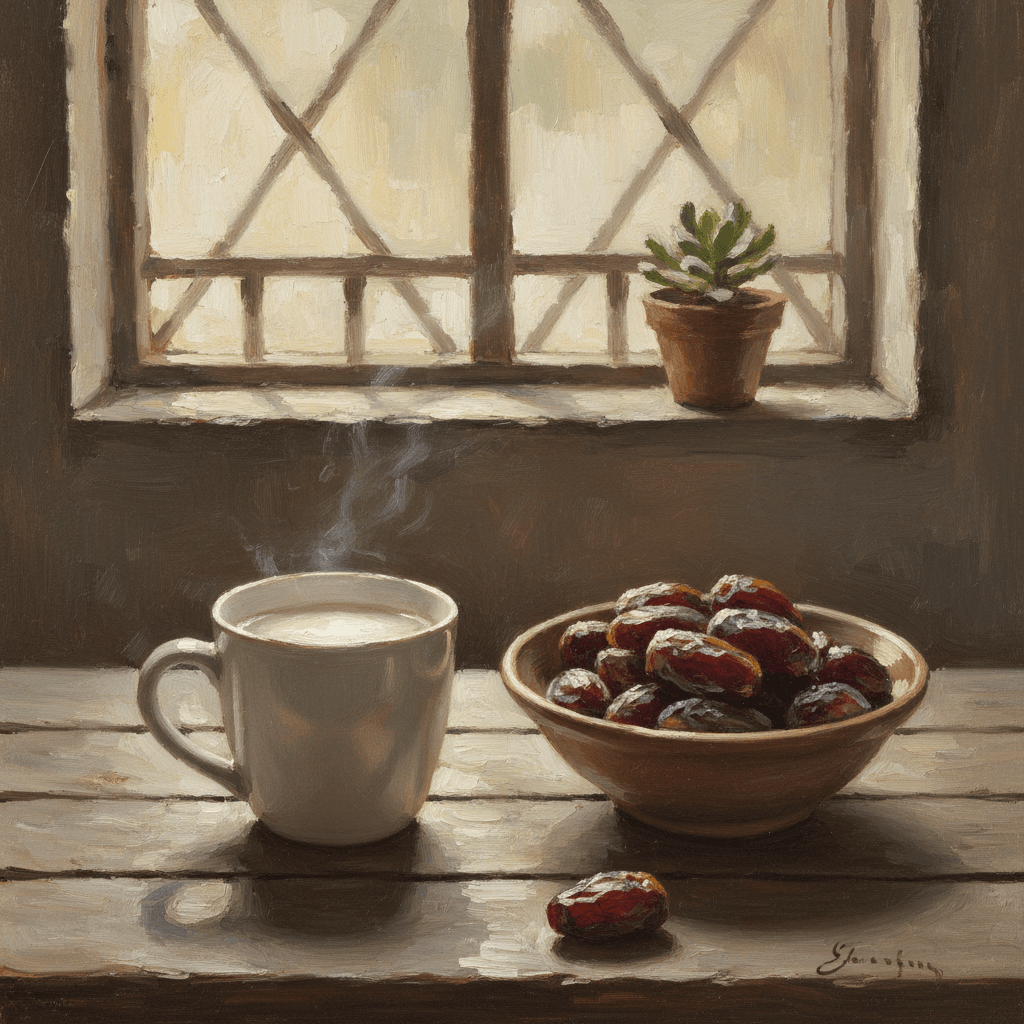
You drink water dozens of times every day. You probably do it without thinking — a gulp at the sink, a bottle at your desk, a sip between tasks.
Imagine if every one of those moments became an act of worship.
That is exactly what the Sunnah of drinking water does. It takes the most ordinary human act and wraps it in intention, gratitude, and prophetic guidance. The Prophet ﷺ did not leave even our most basic physical habits without guidance — and each guidance carries a wisdom that often only reveals itself after you practice it.
Why This Sunnah Matters
The Prophet ﷺ said: "Do not drink in one gulp like a camel; drink in two or three gulps. Mention the name of Allah when you begin and praise Him when you finish." (Tirmidhi 1885)
This hadith alone packs several teachings: intentionality (bismillah), moderation (two or three sips), gratitude (alhamdulillah), and a warning against mindless consumption.
But there is a deeper principle at work. The Sunnah transforms every part of daily life into ibadah. The Prophet ﷺ did not only teach us how to pray — he taught us how to eat, how to sleep, how to enter a house, how to drink water. For a Muslim who follows these practices, almost no moment of the day is disconnected from Allah. That continuity of connection is what the scholars call keeping muraqabah — the awareness of being observed by Allah — alive in ordinary life.
What the Sunnah of Drinking Water Includes
Sit Down Before You Drink
The Prophet ﷺ prohibited drinking standing up: "None of you should drink while standing." (Sahih Muslim 2024)
Modern science has caught up to this: drinking while seated allows the kidneys and digestive system to filter and process water more effectively. Standing and gulping sends water rapidly through the digestive system without proper filtration. But beyond the health rationale, sitting down to drink introduces a moment of pause — you have to stop, sit, and be present with the act.
Say Bismillah
Begin with بِسْمِ اللَّهِ (Bismillah — In the name of Allah). This is the same opening recommended for eating, beginning work, and entering a home. It is an acknowledgment that the sustenance comes from Allah — your drinking is not just a biochemical act, it is a moment of dependence and gratitude.
Drink in Three Sips
The Prophet ﷺ drank water in three sips, removing the vessel from his lips between each one (Sahih Bukhari 5631). He also said: "Drinking in one gulp like a camel is prohibited." The three-sip method gives your body time to register hydration, reduces the risk of bloating and indigestion, and creates a more conscious, unhurried relationship with the drink.
Say Alhamdulillah After
After drinking, say الحَمْدُ لِلَّهِ (Alhamdulillah — Praise be to Allah). The extended dua you can add:
الحَمْدُ لِلَّهِ الَّذِي جَعَلَهُ عَذْبًا فُرَاتًا بِرَحْمَتِهِ وَلَمْ يَجْعَلْهُ مِلْحًا أُجَاجًا بِذُنُوبِنَا
Alhamdulillahi alladhi ja'alahu 'adhban furatan bi-rahmatih, wa lam yaj'alhu milhan ujaajan bi-dhunubina
"Praise to Allah who made it sweet and refreshing by His mercy, and did not make it salty and bitter because of our sins."
— (Reported in various hadith collections, linked to the spirit of gratitude for water)
The Story Behind This Guidance
The Companions noticed and recorded the Prophet's habits around water. Anas ibn Malik رضي الله عنه narrated that the Prophet would breathe — take the vessel away from his lips — three times while drinking (Sahih Bukhari 5631). This small detail survived fourteen centuries because the Companions understood: nothing the Prophet did was trivial.
The prohibition against drinking standing appears in multiple narrations (Sahih Muslim 2024, 2025). When someone asked about the occasion for a narration about the Prophet drinking zamzam while standing, scholars explained it as a specific exception due to the crowd and circumstances at the Kaaba — not a contradiction of the general rule.
The wisdom behind the sunnah practices around drinking mirrors the wisdom throughout the Sunnah: slow down, be intentional, be grateful. The opposite — rushing, consuming mindlessly, treating blessings as entitlements — is exactly how the nafs operates by default.
How to Make This Sunnah a Daily Habit
The challenge is not learning the sunnah of drinking water — it is actually doing it in a world of rushed commutes, desk lunches, and phone-in-hand everything.
Attach the sunnah to a specific water source. Decide: every time I drink from my water bottle at my desk, I will sit down and take three sips. Every morning glass of water follows the full sunnah. Starting small with one consistent trigger is more effective than attempting perfection across all drinking occasions.
Put a bismillah reminder near your water sources. A small note near the kitchen sink, on your desk, or on your water bottle can be the cue you need until the habit becomes automatic.
Use the three-sip practice as a mindfulness anchor. In a distracted world, the three deliberate sips — take a breath, take a sip, pause — create a brief moment of presence in an otherwise hurried day. Treat it as a three-second reset.
Pair it with the dua for drinking water. The dua after drinking water takes five seconds. Building the habit of saying alhamdulillah after every drink makes you the rare Muslim who transforms dozens of daily moments into dhikr without any extra time.
Track the habit in the early days. For the first two weeks, check off each time you consciously followed the sunnah. Seeing your consistency builds commitment. After 21-40 days, it becomes automatic.
Turn Everyday Moments Into Ibadah
DeenBack helps you track daily sunnahs and build streaks that turn the Prophet's way of living into your own natural default. Start with one small habit today.


Free download. Premium features available in-app.
The Exception: Zamzam Water
When drinking zamzam water at the Masjid al-Haram, the Prophet ﷺ stood and drank (Sahih Bukhari 1637). Scholars explain this as a specific permissibility linked to zamzam in that context — the crowds and the special nature of the water. For zamzam specifically, standing is permitted, and it is sunnah to drink it while facing the Kaaba and making a heartfelt dua.
Signs of Progress
When this habit begins to stick, you will notice subtle things. You will pause before drinking water even when rushed — not because you force yourself but because the pause has become natural. You will catch yourself saying bismillah automatically. Gratitude for water — clean, cold, abundant — will become a felt experience rather than an intellectual one.
These are signs that the sunnah is working at the level it is meant to: reshaping how you move through ordinary life with awareness of Allah.
Common Questions
What if I forget bismillah before drinking? The ruling for forgetting bismillah before eating or drinking: say it when you remember, even mid-action. There is a specific narration from the Prophet about this for food: "Mention the name of Allah at the beginning; if you forget to mention it at the beginning, say: 'In the name of Allah at its beginning and its end.'" (Abu Dawud 3767) Scholars apply the same principle to drinking.
Is it sunnah to drink in an odd number of sips? The primary narrations say two or three sips. Three sips are more commonly narrated and more widely practiced. The key principle is not drinking in one continuous gulp.
Does this sunnah apply to all drinks, not just water? Yes. The sunnah of saying bismillah, drinking in sips, and saying alhamdulillah applies to all permissible drinks. The specific narrations about three sips reference water, but scholars extend the principle of moderation and intentionality to all drinking.
A Sunnah Worth Carrying
The beauty of the sunnah of drinking water is its accessibility. You do not need extra time. You do not need a special location. You do not need to be in a state of wudu. You just need to be more present with something you already do many times every day.
Every bismillah, every three-sip pause, every alhamdulillah is a small act of worship that multiplies across your day without adding a single minute to your schedule.
For the full collection of Prophetic eating and mealtime practices, see the sunnah of eating and the dua before eating. For building a broader daily Sunnah practice, how to be more grateful Islamically explains how gratitude compounds across the day when you start attaching it to small acts.
Build Your Sunnah Habit Stack
DeenBack makes it easy to track your daily sunnahs — drinking water, eating with bismillah, sleeping on your right side — and build the consistent Prophetic lifestyle, one small win at a time.
Free download. Premium features available in-app.
Frequently Asked Questions
What is the sunnah of drinking water?
The Prophetic sunnah for drinking includes: sitting down, beginning with bismillah, drinking in three separate sips (or breaths), and praising Allah (alhamdulillah) after finishing. Standing and drinking in one gulp is discouraged.
Is it haram to drink water standing up?
Most scholars say it is disliked (makruh) rather than haram to drink standing. The Prophet prohibited it (Sahih Muslim 2024), but he also drank zamzam water standing on another occasion (Sahih Bukhari 1637). The majority reconcile these by saying zamzam was a specific exception. Drinking seated is the stronger sunnah.
How many sips should you drink water in Islam?
The sunnah is to drink in three sips with three separate breaths — removing the vessel from the mouth between each. This allows the body to absorb the water properly and avoids the health risks of drinking too quickly.
What dua do you say when drinking water?
Begin with bismillah and end with alhamdulillah. The full dua after drinking is: Alhamdulillah alladhi ja'alahu 'adhban furatan bi-rahmatih, wa lam yaj'alhu milhan ujaajan bi dhunubina — Praise to Allah who made it sweet and refreshing by His mercy, and did not make it salty and bitter due to our sins.
Is there a special sunnah for drinking zamzam water?
Yes. The Prophet drank zamzam water standing and facing the Kaaba. He also made dua while drinking zamzam. It is recommended to drink zamzam with the intention of health, healing, or a specific need, as the Prophet said: 'Zamzam water is for whatever it is drunk for.' (Ibn Majah 3062)