
- Published on
What Is Shukr in Islam — Gratitude That Actually Transforms You
- Authors

- Name
- Ahmad
- Role
- Senior Marketing Manager, Islamic education • Deen Back
بِسْمِ اللهِ الرَّحْمٰنِ الرَّحِيْمِ
In the name of God, the Most Gracious, the Most Merciful.
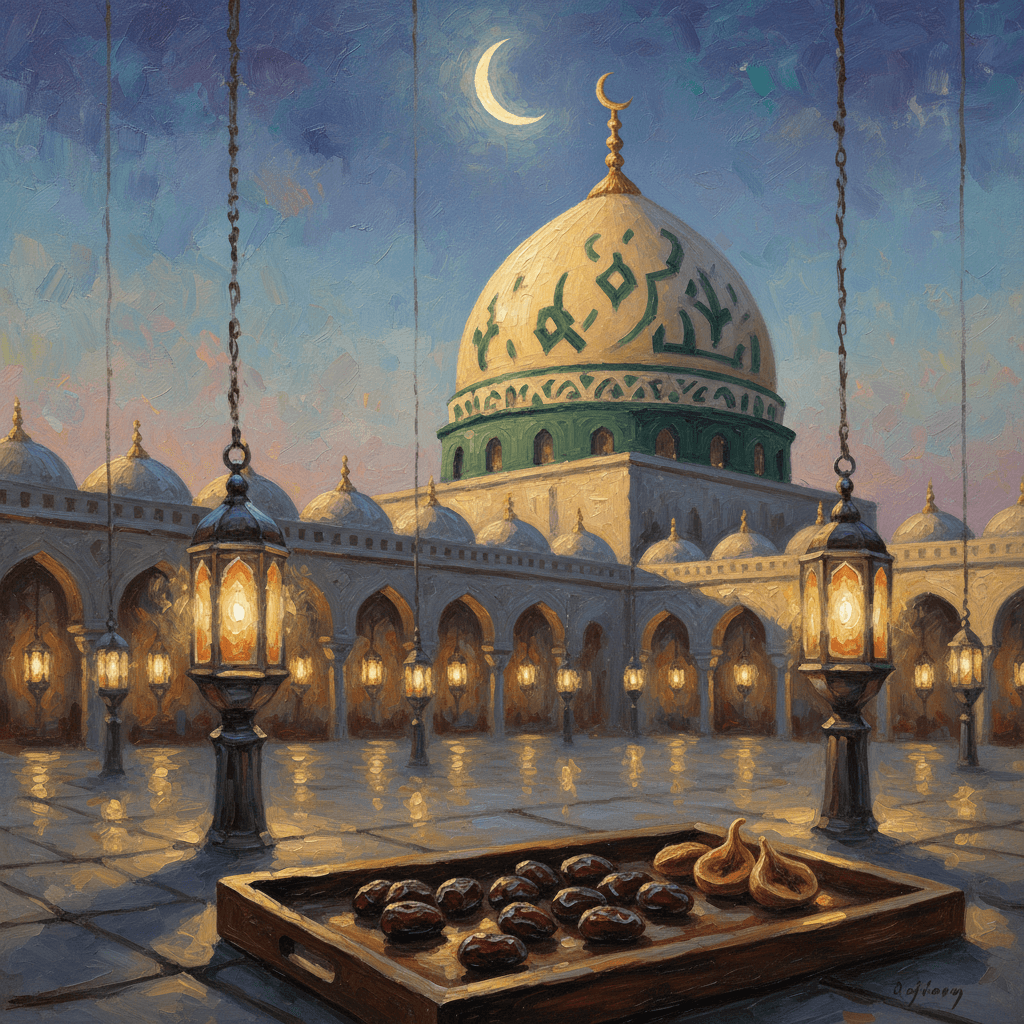
Scroll through your day and count what you took for granted: you woke up. You breathed without effort. You ate. You saw. You walked. You have a mind capable of reading this. Each one of these is a gift that billions of people in history never had access to — and most of us moved through all of it today without a moment of genuine acknowledgment.
That gap — between the scale of what Allah has given us and the depth of our recognition of it — is the gap that shukr is meant to close.
What Shukr Really Means
Shukr (شكر) means gratitude — but in the Islamic sense it encompasses far more than a feeling. It involves three layers working together: the heart's recognition and appreciation of the blessing, the tongue's expression of praise to Allah, and the limbs' use of the blessing in a way that pleases its Giver.
The Quran promises something extraordinary for those who practice it:
لَئِن شَكَرْتُمْ لَأَزِيدَنَّكُمْ وَلَئِن كَفَرْتُمْ إِنَّ عَذَابِي لَشَدِيدٌ
La'in shakartum la-azidannakum wa la'in kafartum inna 'adhabi la-shadid
"If you are grateful, I will surely increase you in blessing; but if you deny, My punishment is indeed severe."
— (Surah Ibrahim, 14:7)
Allah directly promises to increase the one who is genuinely grateful. This is not a conditional promise for saints — it is addressed to all of humanity. Gratitude is a direct channel to more of what you already value.
Think of shukr as a lens that adjusts your vision. Without it, the mind naturally focuses on what is lacking — the promotion you did not get, the health problem you are facing, the relationship that is strained. With shukr, the same mind begins to register what is present: the thousands of working systems in your body, the people who love you, the faith you hold. The circumstances may be identical; the psychological and spiritual experience is completely different.
Why Modern Muslims Struggle With Shukr
The consumer environment trains ingratitude. Advertising works by making you feel you do not have enough — that your current phone, car, body, or life is insufficient and needs upgrading. The more deeply you are immersed in this environment, the harder genuine gratitude becomes.
Social media comparison makes this worse. You see the highlight reels of other people's lives — their travel, their achievements, their apparent ease — and your own life shrinks by comparison. The nafs, always oriented toward comparison and competition, absorbs this quietly and deposits a low-grade dissatisfaction that is hard to shake.
The antidote is deliberate, practiced shukr — not a feeling you wait for, but a practice you build. Read how to be more grateful Islamically for a comprehensive approach to building this practice into daily life.
How to Practice Shukr Daily
Count Specific Blessings, Not Vague Ones
"I have so many blessings" is too vague to land in the heart. "My eyesight is working right now; I can see the words I am reading; I have access to clean water; I live in safety" — specific, concrete blessings registered one by one — actually move the heart. The Prophet ﷺ said: whoever wakes up safe in body, healthy, and with their daily provision — it is as if the entire world has been granted to them. That benchmark reframes ordinary days as extraordinary ones.
Say the Morning Shukr Dua Daily
The Prophet ﷺ recommended saying after every prayer:
اللَّهُمَّ أَعِنِّي عَلَى ذِكْرِكَ وَشُكْرِكَ وَحُسْنِ عِبَادَتِكَ
Allahumma a'inni 'ala dhikrika wa shukrika wa husni 'ibadatik
"O Allah, help me to remember You, thank You, and worship You well."
— (Abu Dawud 1522)
Saying this after every salah takes ten seconds and asks Allah directly for the capacity for shukr — acknowledging that real gratitude is a spiritual gift, not just a mental habit. Pair this with the morning dua as part of a daily gratitude practice.
Use the Blessing in a Way That Pleases Its Giver
Shukr for health means taking care of the body and using it to pray, fast, and serve. Shukr for wealth means spending it in halal ways and giving sadaqah. Shukr for intelligence means using it to understand Allah's religion and benefit others. Gratitude expressed only in words — while misusing the actual blessing — is incomplete. This is why shukr naturally leads to righteous action: genuine recognition of the gift motivates using it well.
Build a Daily Gratitude Practice That Deepens Your Connection With Allah
DeenBack helps you maintain consistent morning adhkar, dua, and dhikr — the daily practices that train your heart to recognize and acknowledge Allah's blessings with genuine gratitude.


Free download. Premium features available in-app.
Acknowledge Blessings Aloud With Family
The practice of shukr can be woven into family life. Saying alhamdulillah genuinely and audibly at meals, when something good happens, when arriving home safely — these small habitual expressions keep the acknowledgment of Allah's provision alive in the household. Children raised in a home where blessings are regularly and genuinely acknowledged develop the shukr orientation early.
Signs of Progress in Shukr
- You notice blessings during ordinary moments — not just during crisis when their absence would be felt
- The feeling of dissatisfaction or "not enough" is less frequent and less sticky when it does arise
- Alhamdulillah is said with genuine awareness rather than as a verbal habit
- You find yourself thanking Allah for specific things spontaneously throughout the day
- Generosity comes more naturally — the grateful person feels they have plenty to give
Common Questions
How do I feel grateful when my circumstances are genuinely difficult?
Start with the smallest real blessings rather than forcing gratitude for the difficult situation itself. "I have the ability to think. I have some people around me. I have access to prayer." These are genuine, not manufactured. Gratitude during difficulty does not deny the hardship — it refuses to let the hardship become the entirety of your vision. Read the dua for thanks to Allah as a starting point.
Does shukr mean I should be content with injustice or harm?
No. Shukr is about acknowledging Allah's blessings — it does not require accepting oppression, mistreatment, or harmful circumstances without response. You can be genuinely grateful and simultaneously take every available lawful step to change a bad situation. These are not in contradiction.
The Paradox of Abundance
Those who practice genuine shukr typically feel richer than those with more material resources who practice ingratitude. This is not a psychological trick — it is a spiritual reality the Quran names directly. Gratitude is the mechanism through which limited resources feel sufficient and abundant ones feel extraordinary. It is perhaps the most accessible transformation in all of Islamic spiritual practice: begin to genuinely notice and acknowledge what you already have, and your entire experience of your life changes.
Train Your Heart to See Allah's Blessings in Every Ordinary Day
DeenBack supports your daily dhikr and dua practice — building the consistent habits of remembrance and gratitude that gradually shift how you experience everything Allah has already given you.
Free download. Premium features available in-app.
Frequently Asked Questions
What is the difference between shukr and just saying alhamdulillah?
Alhamdulillah said with awareness and genuine feeling is shukr. Alhamdulillah said mechanically, as a verbal habit without any inner acknowledgment, is not. Shukr requires at minimum that the tongue's expression be backed by some awareness in the heart. True shukr also shows in behavior — using Allah's blessings in ways that please Him.
How does shukr increase blessings?
Allah explicitly promises this in the Quran: 'If you are grateful, I will surely increase you.' The mechanism is not simply a transaction — grateful people use their blessings well, remain open to receiving more, and maintain the relationship with Allah that makes blessings flow. Ungrateful people often misuse what they have, distance themselves from Allah, and lose sight of what they already possess.
Can I practice shukr even when things are going badly?
Yes — and this is one of the most spiritually advanced forms of shukr. Even in difficulty, a Muslim has countless blessings: health in some area, safety, faith itself, the promise of eventual relief. Acknowledging these during hardship does not minimize the difficulty — it prevents the hardship from consuming your entire field of vision.
Is there a specific dua for shukr?
Yes. The Prophet ﷺ taught: 'Allahumma a'inni 'ala dhikrika wa shukrika wa husni 'ibadatik' — O Allah, help me to remember You, thank You, and worship You well. He recommended saying this after every prayer. This is one of the most comprehensive daily shukr practices.
What does shukr look like in action beyond words?
Using your blessings in ways that please Allah: using your health to pray and serve; using your money in halal ways and giving sadaqah; using your time productively; protecting your relationships. Shukr expressed only in words without change in behavior is incomplete. The Prophet ﷺ described the truly grateful as using every gift in service of its Giver.