
- Published on
Dua for Ikhlas: How to Ask Allah for Sincerity in Everything You Do
- Authors

- Name
- Ahmad
- Role
- Senior Marketing Manager, Islamic education • Deen Back
بِسْمِ اللهِ الرَّحْمٰنِ الرَّحِيْمِ
In the name of God, the Most Gracious, the Most Merciful.
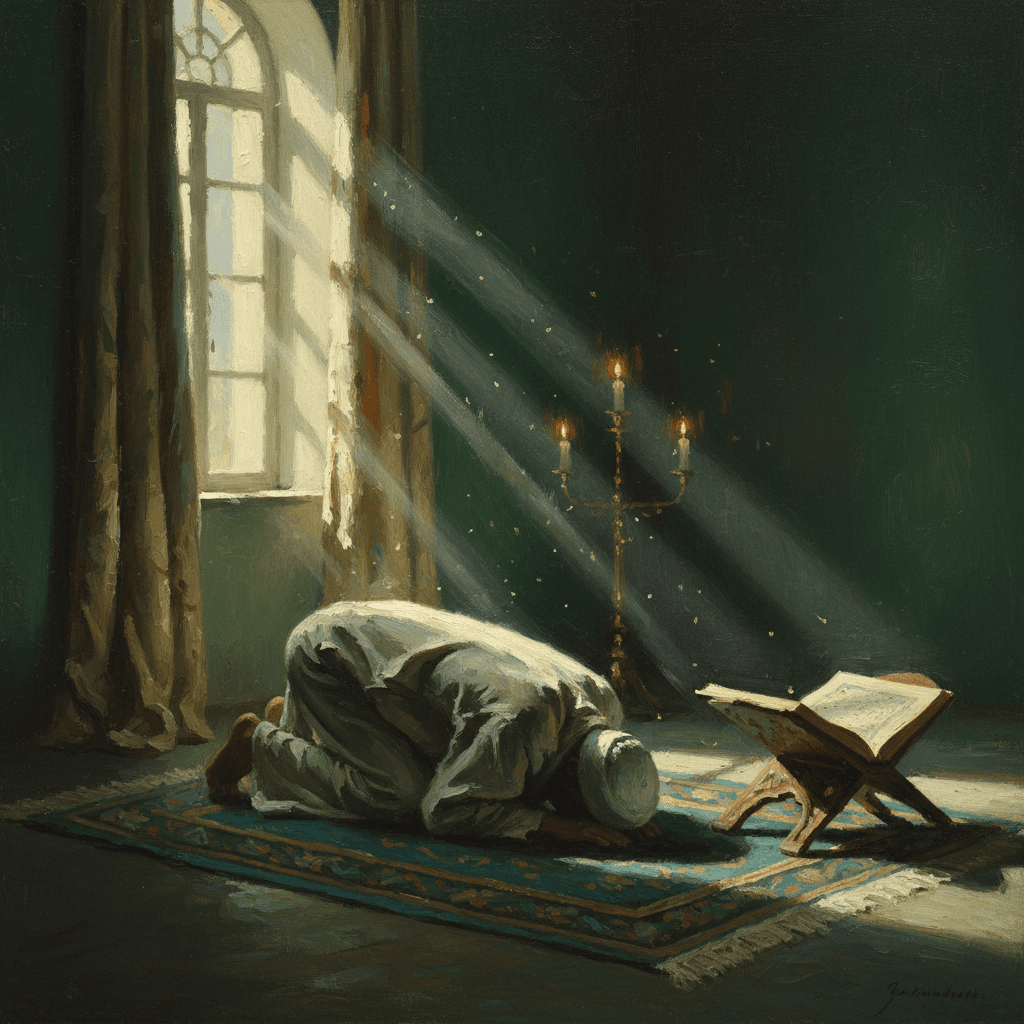
You finish a prayer and feel nothing. You give sadaqah and immediately notice you want someone to know about it. You fast and find yourself mentioning it in conversation when it has nothing to do with what anyone was discussing.
This is the battle for ikhlas — and almost every Muslim is fighting it.
Ikhlas (إِخْلَاص) means sincerity: the quality of doing things purely for Allah's sake, without a trace of desire for recognition, reputation, or reward from other people. It is, in one sense, the most important thing in Islam. Every act of worship — prayer, fasting, charity, dhikr — is only accepted when it is done with ikhlas. Without it, even outwardly correct actions carry no weight in the akhirah.
The frightening part is that the nafs is clever about this. It does not announce its impure intentions. It quietly adjusts your behavior in ways that feel completely normal until you stop and examine them honestly. The dua for ikhlas is how you ask Allah to do what you cannot do yourself: purify the intention before you even understand it needs purifying.
The Dua for Ikhlas
Protection from hidden shirk — the greatest threat to sincerity:
اللَّهُمَّ إِنِّي أَعُوذُ بِكَ أَنْ أُشْرِكَ بِكَ وَأَنَا أَعْلَمُ وَأَسْتَغْفِرُكَ لِمَا لَا أَعْلَمُ
Allahumma inni a'udhu bika an ushrika bika wa ana a'lamu, wa astaghfiruka lima la a'lam.
"O Allah, I seek refuge with You from associating partners with You knowingly, and I seek Your forgiveness for what I do unknowingly." — (Ahmad 19606)
Dua for a sincere and upright inner state:
اللَّهُمَّ اجْعَلْ سَرِيرَتِي خَيْرًا مِنْ عَلَانِيَتِي وَاجْعَلْ عَلَانِيَتِي صَالِحَةً
Allahumma-j'al sarirati khayran min 'alaniyati wa-j'al 'alaniyati salihah.
"O Allah, make my inner state better than my outward appearance, and make my outward appearance righteous." — (Tirmidhi, al-Dua al-Kabir)
The first dua directly addresses riya — performing acts of worship to be seen by people, which the Prophet ﷺ called a form of hidden shirk. The second goes deeper: asking that what is inside you exceeds what people see from the outside. This is the orientation of ikhlas — where private worship is stronger than public worship.
The Story Behind It
The Prophet ﷺ once gathered his Companions and said: "Shall I not tell you what I fear for you more than the Dajjal?" They said yes. He said: "Hidden shirk. A man stands to pray and beautifies his prayer because he sees someone looking at him." (Ahmad 23630, Ibn Majah 4204)
This is one of the most sobering statements in the hadith literature. The Prophet ﷺ — who feared the Dajjal for his Ummah — considered hidden shirk a greater threat. Not because the Dajjal is unimportant, but because hidden shirk operates from within. You cannot fight what you do not see.
The Companions were shaken by this. Some of them asked: does that mean we should stop doing good in public? The Prophet ﷺ clarified: the problem is not doing good where others see it. The problem is doing good because others see it. The distinction lives entirely in the intention — which is exactly why ikhlas requires constant vigilance and, more importantly, constant dua.
The Prophet ﷺ himself asked for protection from hidden shirk. He did not exempt himself from this need. That should tell you something about how real this struggle is for every Muslim, at every level of faith.
How to Make the Dua for Ikhlas Part of Your Daily Life
Ikhlas is not achieved once and then maintained effortlessly. It is a daily practice of catching, checking, and redirecting your intention.
Say the dua for hidden shirk every morning. The morning adhkar is the right place for this supplication. Before your day begins — before you interact with people, post anything publicly, or engage in any acts others might see — ask Allah for protection from riya. This sets the intention for the day before the nafs has had a chance to muddy it.
Check your intention before every significant act. Before you pray, give, post, speak, or volunteer, ask yourself a simple question: if no one ever found out about this, would I do it the same way? If the honest answer is no — or even maybe — that is a signal to pause and renew the intention.
Make the dua for inner sincerity after prayer. Allahumma-j'al sarirati khayran min 'alaniyati takes ten seconds to say after each Salah. Over time, this dua shapes your orientation toward private worship being more important than public performance.
Guard your tongue about your own worship. The nafs loves to mention fasting, charity, and night prayers in casual conversation. Every time it does, examine why. Sometimes the mention is innocent. Often it is the nafs seeking recognition it did not officially ask for. Istighfar after you notice this is the right response — not guilt, but correction.
Build private acts of worship. The most reliable test of ikhlas is having a private practice that no one knows about. A secret sadaqah. A rakah of prayer you have never mentioned. A dua for someone who treated you badly that you will never tell them about. These private deeds are where ikhlas lives or dies.
Build Private Worship Habits That Only Allah Sees
DeenBack tracks your personal dhikr and dua streaks privately. Build consistency in worship that is between you and Allah — no audience required.


Free to download. A paid plan is required to use the app’s tools.
Related Duas
Dua for repentance: When you discover your intention was impure, the right response is tawbah, not paralysis. The dua for repentance covers the Prophet's supplications for returning to Allah after a mistake.
Dua for guidance: Ikhlas and guidance are connected — you cannot have one without the other. The dua for guidance covers the supplications for staying on the right path, including the four-part dua the Prophet ﷺ said regularly.
Dua for forgiveness: The second half of the dua for hidden shirk is a request for forgiveness for the riya we do not even notice. The dua for forgiveness complements this practice with the specific supplications for seeking Allah's pardon.
Common Questions
What if I cannot achieve ikhlas — should I stop doing good deeds?
Never stop the deeds. The scholars say: do the deed, then ask for ikhlas. An act of worship done with impure intention that you then correct through dua and intention renewal is better than an act not done at all. The goal is progress, not perfection. Ask for ikhlas, act, notice impurity, make istighfar, and repeat. This is the normal experience of sincere Muslims throughout history.
Is it haram to feel good when people praise my worship?
Feeling pleased when praised for a good deed is not automatically riya. The Prophet ﷺ was asked about this and he said: "That is the beginning of good news for the believer." (Muslim 2642). The issue is when praise becomes the motivation, not when it is a pleasant side effect of a deed done sincerely. Watch your intention at the start, not at the end.
How do I know my dua is sincere?
The signs of a sincere dua: you make it in private as often as in public; you make it without any audience to witness your supplication; you make it for things that only Allah can give. A dua made at 3am, alone, with no one watching — that is hard to fake. Build your dua practice around those moments.
Closing
The struggle for ikhlas is lifelong. Every sincere Muslim you have ever met is having this exact same inner conversation — checking intentions, noticing riya creeping in, making istighfar, starting again.
What you can do is build the habits that make ikhlas more likely: morning dua for protection, private acts of worship, honest self-examination, and the sincere request that Allah purify what you cannot purify yourself.
That request is the dua for ikhlas. Say it every day. Mean it. And trust that Allah — who knows every hidden intention — honors the heart that is trying to be sincere with Him.
Your Daily Ikhlas Practice Starts Here
Use DeenBack to build consistent daily acts of worship — private, sincere, and tracked only for your own accountability. Start your streak today.
Free to download. A paid plan is required to use the app’s tools.
Frequently Asked Questions
What is the dua for ikhlas in Islam?
The Prophet ﷺ taught: Allahumma inni a'udhu bika an ushrika bika wa ana a'lamu, wa astaghfiruka lima la a'lam — O Allah, I seek refuge with You from associating partners with You knowingly, and I seek Your forgiveness for what I do unknowingly. (Ahmad 19606). This dua directly asks for protection from hidden shirk, which is the greatest threat to ikhlas.
What is ikhlas in Islam?
Ikhlas (إِخْلَاص) means sincerity — performing every act purely for Allah's sake, without any hidden desire for praise, recognition, or worldly gain. It is the opposite of riya (showing off). The scholars say ikhlas is what transforms an ordinary action into an act of worship, and its absence can render an act of worship worthless.
How do I know if I have ikhlas?
A practical test: would you do this act the same way if no one was watching and no one would ever know? If your prayer would be the same in private as it is in the mosque, that is a sign of ikhlas. If your sadaqah would be the same whether anonymous or recognized, that is ikhlas. The nafs is subtle — honest self-examination is part of the practice.
What destroys ikhlas?
Riya (showing off) is the primary destroyer of ikhlas. The Prophet ﷺ called it the 'hidden shirk' and feared it for his Ummah more than the open worship of idols. (Ahmad 23630). Social media, public praise-seeking, and performing religious acts in front of others can all feed riya if the intention is not carefully guarded.
Can you make dua for ikhlas for someone else?
Yes. Making dua that Allah grants sincerity of intention to those you care about is a beautiful act. You can say Allahumma-j'al a'malahu khalisan li wajhik — O Allah, make their deeds purely for Your Face. This is a form of naseehah (sincere advice) expressed through dua rather than words.