
- Published on
Dua for Leaving the House: Start Every Day Under Allah's Protection
- Authors

- Name
- Ahmad
- Role
- Senior Marketing Manager, Islamic education • Deen Back
بِسْمِ اللهِ الرَّحْمٰنِ الرَّحِيْمِ
In the name of God, the Most Gracious, the Most Merciful.
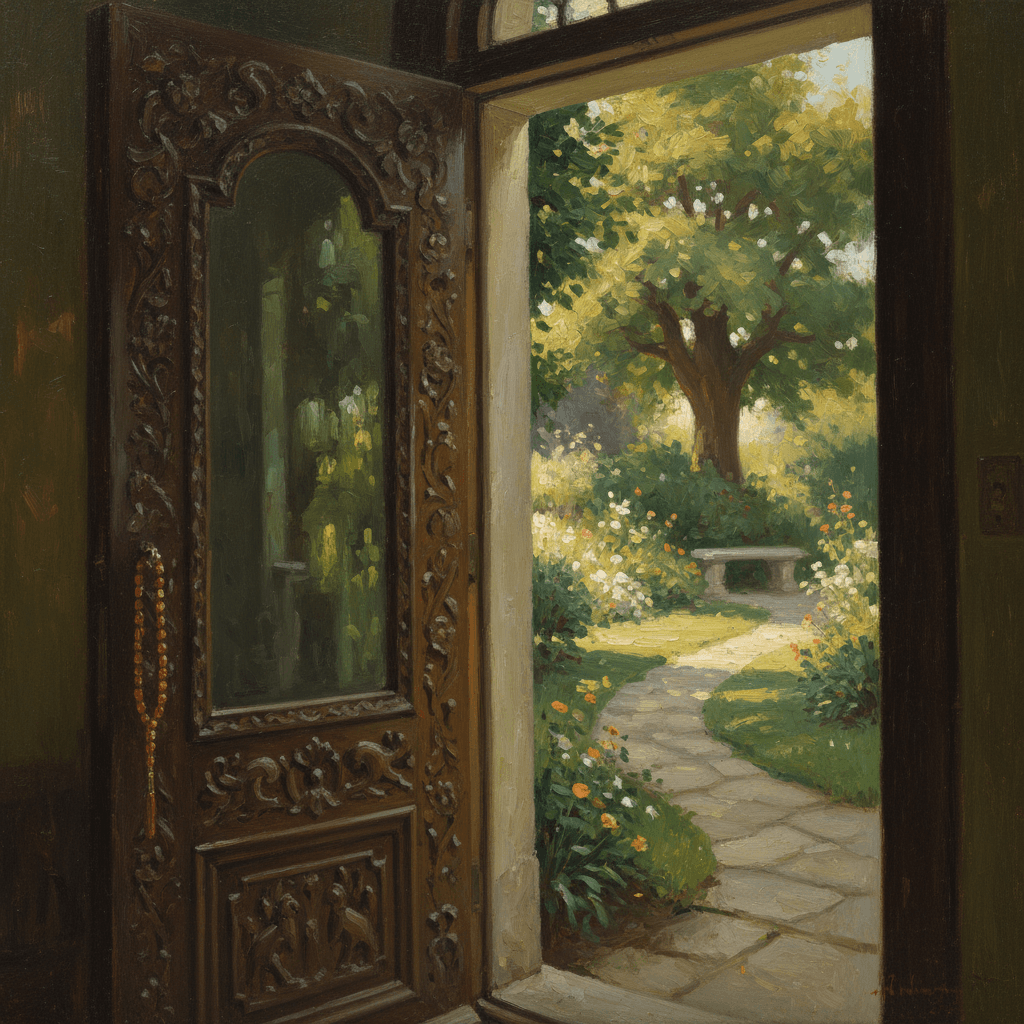
Every morning, you step out the door and into the unknown.
You do not know what traffic will look like. You do not know what your boss will say. You do not know which tests the day has prepared for you — which temptations, which frustrations, which moments when your nafs will push you toward something you will regret.
The Prophet (peace be upon him) knew all of this. That is why he never left his home without a dua — a few words that placed the entire day in Allah's hands before it even began.
It takes five seconds. It requires no wudu, no special position, no preparation. Just words at the doorstep. And according to the Prophet (peace be upon him), those words activate something no worldly preparation can: divine guidance, sufficiency, and protection.
The Dua for Leaving the House
When you step out of your home, say:
بِسْمِ اللَّهِ تَوَكَّلْتُ عَلَى اللَّهِ وَلَا حَوْلَ وَلَا قُوَّةَ إِلَّا بِاللَّهِ
Bismillah, tawakkaltu 'alallah, wa la hawla wa la quwwata illa billah.
"In the name of Allah, I place my trust in Allah, and there is no power nor strength except with Allah." — (Abu Dawud 5095)
The Prophet (peace be upon him) said that when a person says this upon leaving their home, it is said to them:
"You have been guided, you have been sufficed, and you have been protected."
And the Shaytan moves away, saying to another shaytan: "How can you deal with a man who has been guided, sufficed, and protected?" (Abu Dawud 5095)
When to say it: Every single time you leave your home — whether for work, school, the masjid, errands, or anything else.
The Story Behind It
Anas ibn Malik (may Allah be pleased with him) narrated this hadith directly from the Prophet (peace be upon him). The wording is powerful because it addresses the three things every person worries about when they step outside:
Guidance — Will I make the right decisions today? Will I stay on the straight path when temptation comes?
Sufficiency — Will my needs be met? Will I earn enough, accomplish enough, handle what comes my way?
Protection — Will I be safe? Will my family be safe? Will harm stay away?
The dua covers all three in one breath. Bismillah — I begin with Allah's name. Tawakkaltu 'alallah — I place my trust in Him, not in my own ability. La hawla wa la quwwata illa billah — there is no real power except His.
This is tawakkul (توكّل) — trust in Allah — distilled into its purest form. Not passive trust that sits and waits, but active trust that steps out the door with confidence because the One who controls everything has been invoked.
The Prophet (peace be upon him) also said:
"If you were to rely upon Allah with the reliance He deserves, He would provide for you just as He provides for the birds — they go out hungry in the morning and return full in the evening." — (Tirmidhi 2344)
The bird still leaves the nest. It still flies and searches. But it trusts that provision will come. That is what this dua teaches you — leave the house, do your work, but know that the outcome is in better hands than yours.
How to Make This Dua Part of Your Daily Life
This might be the single easiest Sunnah habit to build. You already leave the house every day. The trigger is built in. Here is how to make the dua automatic:
Write it on your door. Put a small card or sticker near your front door with the Arabic and transliteration. You will see it every time you reach for the handle. Within two weeks, the card becomes unnecessary — the words will come on their own.
Say it with your keys. Link the dua to picking up your keys or putting on your shoes. When the keys touch your hand, the dua starts. This is habit stacking — attaching a new behavior to an existing one.
Make it a family ritual. If you leave with your spouse or children, say it together at the door. Families that build this habit create a shared spiritual anchor for the day. Children who hear it daily will carry it for life.
Do not overthink the pronunciation. Start with the transliteration. Say it slowly. Get comfortable with the rhythm. Perfect pronunciation comes with repetition, not pressure. Allah looks at your heart, not your tajweed at the doorstep.
Track your streak. How many consecutive days have you said this dua before leaving? Tracking builds accountability. A 7-day streak becomes 30. A 30-day streak becomes a lifelong habit.
Never Leave Home Without This Dua
Set a daily leaving-the-house reminder, track your dua streaks, and build the Sunnah habits that protect you every single day with Deen Back.


Free download. Premium features available in-app.
Related Duas
Dua for entering the house:
بِسْمِ اللَّهِ وَلَجْنَا وَبِسْمِ اللَّهِ خَرَجْنَا وَعَلَى اللَّهِ رَبِّنَا تَوَكَّلْنَا
"In the name of Allah we enter, in the name of Allah we leave, and upon Allah our Lord we place our trust." — (Abu Dawud 5096)
See our full guide: Dua for Entering Home.
Dua for travel (longer journeys):
For longer trips beyond your daily routine, see our guide on dua for travel, which includes the comprehensive travel dua taught by the Prophet (peace be upon him).
Dua for protection:
اللَّهُمَّ إِنِّي أَعُوذُ بِكَ أَنْ أَضِلَّ أَوْ أُضَلَّ أَوْ أَزِلَّ أَوْ أُزَلَّ أَوْ أَظْلِمَ أَوْ أُظْلَمَ أَوْ أَجْهَلَ أَوْ يُجْهَلَ عَلَيَّ
"O Allah, I seek refuge in You from going astray or being led astray, from slipping or being caused to slip, from wronging others or being wronged, from behaving foolishly or being treated foolishly." — (Abu Dawud 5094)
For more on building a protective daily routine, see dua for protection and dua for waking up.
Common Questions
What if I leave the house multiple times a day?
Say it every time. Each exit is a new journey into the world, and each one deserves the protection of this dua. Whether you are heading to work in the morning or stepping out for groceries in the evening, the Sunnah applies.
Can I combine this with other duas?
Yes. Many companions combined multiple duas for leaving. You can add the dua for protection mentioned above (Abu Dawud 5094) or any personal dua. The exit dua is the foundation — build on it however you need to.
What if I forgot and already left?
Say it wherever you are. The primary purpose is invoking Allah's name and placing your trust in Him. If you remember at the elevator, in the car, or at the bus stop — say it there. Then work on catching it earlier next time. Progress, not perfection.
Does this replace practical safety precautions?
No. Tawakkul is not passivity. The Prophet (peace be upon him) told a man who asked about tying his camel: "Tie it and then place your trust in Allah" (Tirmidhi 2517). Lock your door, wear your seatbelt, prepare for your meeting — and say the dua. Both together.
Step Out With Confidence
You do not control what happens outside your door. You do not control traffic, people, markets, or weather. But you control one thing: whether you step out with Allah's name on your lips and His trust in your heart.
Nine Arabic words. Five seconds. And according to the Prophet (peace be upon him), you receive guidance, sufficiency, and protection — and the Shaytan himself turns away.
That is the most powerful start to any day you will ever find.
Bismillah, tawakkaltu 'alallah, wa la hawla wa la quwwata illa billah.
Now go. You have been sufficed.
Start Every Day Protected
Build your morning dua routine, track daily Sunnah habits, and never step out the door unprotected again. Download Deen Back and start your streak today.
Free download. Premium features available in-app.
Frequently Asked Questions
What is the dua for leaving the house in Islam?
The dua for leaving the house is: Bismillah, tawakkaltu 'alallah, wa la hawla wa la quwwata illa billah — In the name of Allah, I place my trust in Allah, and there is no power nor strength except with Allah (Abu Dawud 5095). The Prophet (peace be upon him) said that whoever says this upon leaving will be guided, sufficed, and protected, and Shaytan will turn away from them.
What happens when you say the dua for leaving the house?
The Prophet (peace be upon him) said that when a person says this dua upon leaving, it is said to them: You have been guided, you have been sufficed, and you have been protected. And the Shaytan moves away from them (Abu Dawud 5095). This is a promise from the Messenger of Allah — spiritual protection activated by a few sincere words.
Do I have to say it every single time I leave the house?
It is a Sunnah, not an obligation — but the Prophet (peace be upon him) practiced it consistently. The more consistent you are, the stronger the habit becomes. Even if you only manage it once a day at first, that is a start. The goal is to reach a point where you cannot walk out the door without saying it.
Can I say the dua in English instead of Arabic?
You can make dua in any language. However, this particular dua is only nine Arabic words and is easy to memorize. The specific virtue mentioned in the hadith — being guided, sufficed, and protected — is tied to the Arabic wording. Learn it gradually using the transliteration, and it will become second nature within a week.
Is there a dua for entering the house too?
Yes. The Prophet (peace be upon him) taught us to say Bismillah when entering the house and to greet our family with salaam. When Shaytan hears the name of Allah upon entering, he says: There is no lodging for you here (Sahih Muslim 2018). See our full guide on dua for entering home for the complete Sunnah practice.