
- Published on
Dua for Gratitude: The Quranic Supplication for a Thankful Heart
- Authors

- Name
- Ahmad
- Role
- Senior Marketing Manager, Islamic education • Deen Back
بِسْمِ اللهِ الرَّحْمٰنِ الرَّحِيْمِ
In the name of God, the Most Gracious, the Most Merciful.
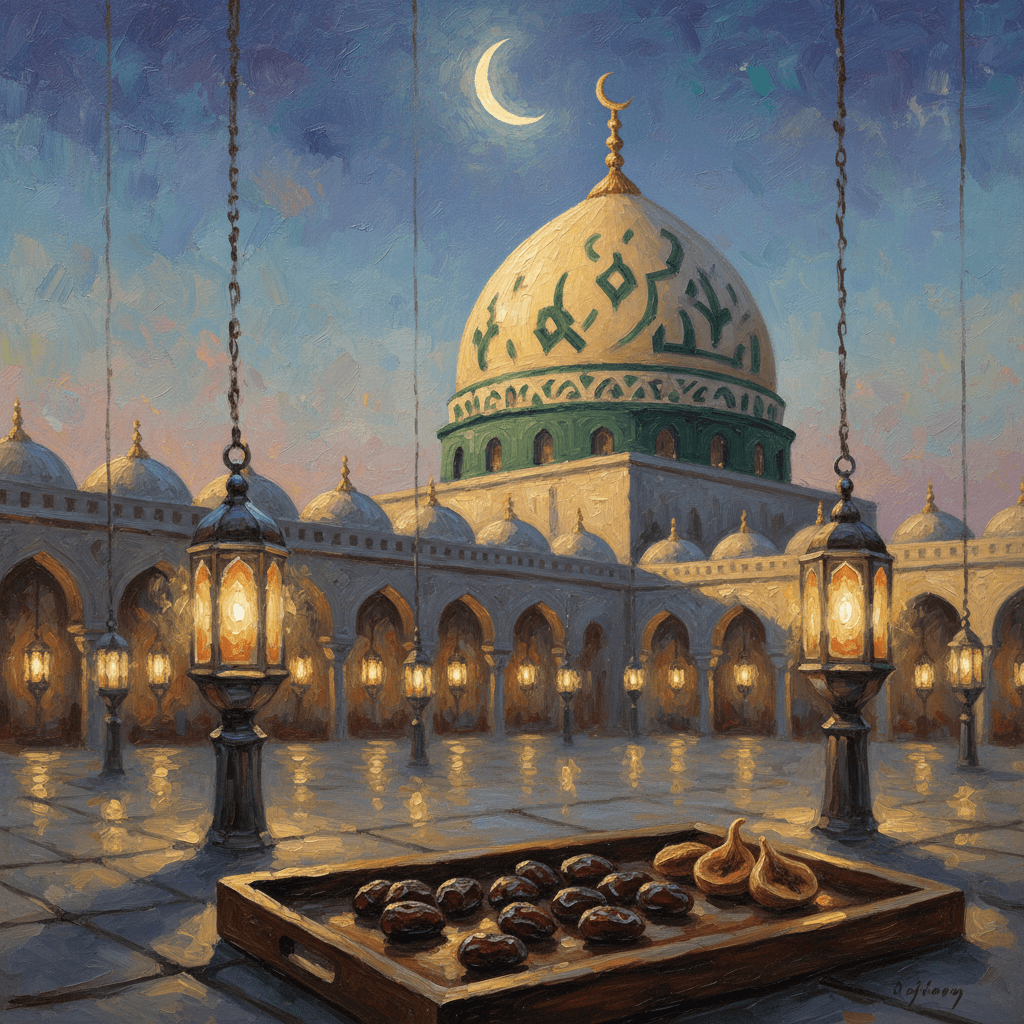
Most of us know we should be grateful. We say Alhamdulillah when something good happens. We know the verse about gratitude leading to increase. But somewhere between knowing and actually feeling grateful, a gap opens.
True gratitude in Islam is not a feeling you wait for. It is a practice you build — through specific dua, through deliberate reflection, and through using Allah's blessings in ways that please Him.
The Quran gives us a specific supplication for exactly this purpose.
The Dua for Gratitude
Two prophets used almost identical words to ask Allah for the ability to be genuinely grateful:
The dua of Prophet Sulayman (Solomon) ﷺ:
رَبِّ أَوْزِعْنِي أَنْ أَشْكُرَ نِعْمَتَكَ الَّتِي أَنْعَمْتَ عَلَيَّ وَعَلَىٰ وَالِدَيَّ وَأَنْ أَعْمَلَ صَالِحًا تَرْضَاهُ وَأَدْخِلْنِي بِرَحْمَتِكَ فِي عِبَادِكَ الصَّالِحِينَ
Rabbi awzi'ni an ashkura ni'matakal-lati an'amta 'alayya wa 'ala walidayya wa an a'mala salihan tardahu wa adkhilni birahmatika fi 'ibadikassaliheen
"My Lord, enable me to be grateful for Your favor which You have bestowed upon me and upon my parents, and to do righteousness of which You approve. And admit me by Your mercy into the ranks of Your righteous servants."
— (Quran, Surah An-Naml, 27:19; and Surah Al-Ahqaf, 46:15)
Notice what is being asked: not "make me feel grateful" but "enable me to be grateful" — awzi'ni. This word means to make something penetrate your being, to enable you from within. It is an acknowledgment that genuine gratitude is not self-generated. You ask Allah to grant you the capacity for it.
The dua also asks for gratitude toward parents specifically, for righteous action that Allah approves of, and for admission among the righteous. Gratitude, in this supplication, is not just an emotion — it is a complete orientation of life.
When to Say This Dua
In the morning adhkar, as a conscious start to a grateful day. After receiving a blessing or good news. When you feel ungrateful, envious, or like what you have is not enough — that moment of nafs-driven discontent is precisely when this dua is most needed.
The Story Behind This Supplication
Prophet Sulayman ﷺ was given gifts that no other human being before or after him received: dominion over the wind, understanding of the language of birds and animals, the subjugation of jinn, and unprecedented wealth and power. When a throne appeared before him miraculously in an instant, he said this dua.
He did not celebrate his own power. He did not take credit for the miracle. He immediately turned to gratitude, acknowledging that the blessing came from Allah and asking to be enabled to respond to it properly.
The same dua appears in a different context in Surah Al-Ahqaf — as the supplication of a person at forty years old, reflecting on the gifts given to them and their parents. Sulayman said it at a peak of power. The believer at forty is invited to say it at a peak of life experience.
The lesson: gratitude is the appropriate response to every blessing, regardless of its magnitude. And it is something you always have to ask for — because the nafs default is to adapt to blessings and eventually stop seeing them.
How to Build a Daily Gratitude Practice
Gratitude, like all virtues in Islam, is built through practice rather than waited for as a feeling:
Start with a gratitude audit each morning. Before your day begins, identify three specific blessings you have right now: your eyesight, a meal this morning, a relationship, the fact that you woke up with faith. Be specific — not "health" but "the fact that my legs work and I walked to the bathroom without pain." Specificity produces feeling.
Say Alhamdulillah aloud for specific things. Verbal praise is one of the three pillars of shukr. When you receive something good — even small things like a nice cup of tea, a parking spot, a message from a friend — say Alhamdulillah audibly. This trains the brain and heart to notice and name blessings as they arrive.
Use blessings in obedience to Allah. The third pillar of gratitude is using what you have been given in ways that please Allah. Your health — use it to pray. Your money — give some in charity. Your time — spend some in worship. This closes the loop between receiving a blessing and truly thanking Allah for it.
Reflect on what you would lose. The Prophet ﷺ advised looking at those who have less than you, not those who have more. When you feel what you have is not enough, think of someone with less health, less security, less faith. This comparison — done in humility, not superiority — is one of the fastest routes to genuine gratitude.
Keep a gratitude journal. Write one thing you are grateful for each night before sleeping. This practice, done consistently, rewires how you perceive your life over months. You begin to notice blessings you used to take for granted.
Build a Daily Habit of Shukr — One Small Act at a Time
DeenBack tracks your daily dhikr, dua, and worship habits — so gratitude becomes something you practice consistently, not just something you feel occasionally.


Free download. Premium features available in-app.
Related Duas for a Grateful Heart
Saying Alhamdulillah after sneezing:
الْحَمْدُ لِلَّهِ
Alhamdulillah
"All praise is to Allah." — (Bukhari 6224)
Even a sneeze is an opportunity for gratitude in Islam. This is how seriously the Sunnah treats the cultivation of a thankful heart — it penetrates to the most automatic, involuntary moments.
Dua for gratitude after a blessing:
الْحَمْدُ لِلَّهِ الَّذِي بِنِعْمَتِهِ تَتِمُّ الصَّالِحَاتُ
Alhamdulillahil-ladhi bini'matihi tatimmus-salihat
"All praise to Allah through Whose blessing good things are completed." — (Ibn Majah 3803 — hasan)
For related reading, see dua for thanks to Allah and what is shukr in Islam. For the practical habit-building side, how to be more grateful Islamically covers the same theme in depth. The dua for barakah is the companion dua — after gratitude comes asking for more blessing.
Common Questions
Why does Allah promise to increase blessings in response to gratitude? The Quranic promise in Surah Ibrahim 14:7 — "If you are grateful, I will certainly increase you" — reflects the spiritual reality that a grateful heart is an open one. When you recognize what you have been given, you are in the correct relationship with the Giver. That alignment of the heart with divine reality is itself a state that invites more.
Is it possible to be grateful for hardship? Yes — not for the pain itself, but for what it reveals: your dependence on Allah, your capacity for patience, the purification of sins, the increase in reward. The Prophet ﷺ said: "How wonderful is the affair of the believer — everything is good for him. If good comes to him, he is grateful. If hardship comes to him, he is patient. That is for the believer alone." (Muslim 2999)
What if I say Alhamdulillah but do not feel it? Say it anyway. Gratitude in Islam is not conditioned on the feeling preceding the practice. The action — the verbal praise, the conscious naming of blessings — creates the feeling over time, not the other way around. Start with the word, and let the heart follow.
How do I feel grateful when I am comparing myself to others? Comparison is the enemy of gratitude because it shifts focus from what you have to what others have. The remedy is the Prophet's advice: "Look at those below you; do not look at those above you. That is more likely to prevent you from undervaluing the blessings of Allah." (Muslim 2963)
The Most Underused Spiritual Practice
Gratitude costs nothing. It requires no wudu, no special timing, no lengthy ritual. Yet it is described in the Quran as a direct cause of increase in Allah's blessings.
Say the dua of Sulayman today. Name three specific blessings before you sleep tonight. Notice one thing tomorrow that you usually overlook. Alhamdulillah — all praise is to Allah.
That is where a grateful heart begins.
Make Alhamdulillah Your Daily Foundation
DeenBack helps you build the consistent daily habits — including gratitude practices, morning adhkar, and dhikr tracking — that transform shukr from an occasional feeling into a daily way of living.
Free download. Premium features available in-app.
Frequently Asked Questions
What is the difference between shukr and just saying Alhamdulillah?
Alhamdulillah is the verbal expression of gratitude and is essential. But shukr (genuine thankfulness) in Islam has three dimensions: knowing the blessing in your heart, praising Allah on your tongue, and using the blessing in obedience to Allah. The dua for gratitude asks for all three — not just the words.
Is gratitude mentioned as important in the Quran?
Extensively. Allah says: 'If you are grateful, I will certainly increase you.' (Surah Ibrahim, 14:7) And: 'We have shown him the two paths — either be grateful or be ungrateful.' (Surah Al-Insan, 76:3) Gratitude is one of the most-mentioned virtues in the Quran and directly linked to increase in Allah's blessing.
How do I practice gratitude when life is genuinely difficult?
The Prophet ﷺ taught that two things benefit the believer: gratitude for blessings (which brings increase) and patience in hardship (which brings reward). Gratitude during difficulty does not mean pretending the hardship is not real. It means actively identifying what remains — faith, health, relationships, basic provision — and praising Allah for those while asking for relief from what is hard.
What is the best time of day to make the dua for gratitude?
After Fajr prayer, as part of morning adhkar. Starting the day with explicit gratitude sets the emotional and spiritual tone for everything that follows. Also immediately after a blessing or good news — saying Alhamdulillah in the moment of receiving is when gratitude is most natural and most powerful.