
- Published on
What to Say When You See Something Beautiful in Islam
- Authors

- Name
- Ahmad
- Role
- Senior Marketing Manager, Islamic education • Deen Back
بِسْمِ اللهِ الرَّحْمٰنِ الرَّحِيْمِ
In the name of God, the Most Gracious, the Most Merciful.
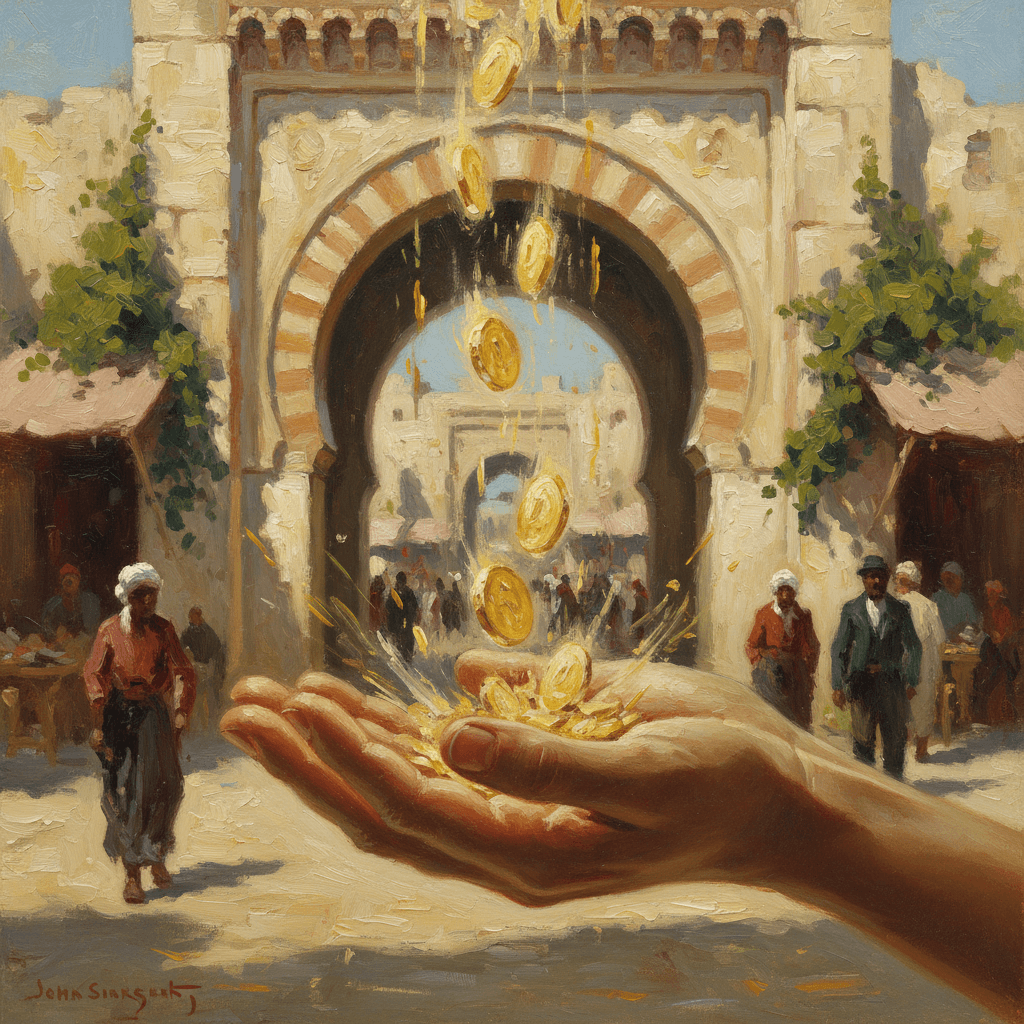
A sunset that stops you in your tracks. A newborn baby that makes the room go quiet. A garden in full bloom. A moment of unexpected perfection.
Every human being feels these moments. What distinguishes a Muslim's experience of beauty is not just the feeling — it is the words that follow the feeling. Islam gave us specific expressions that transform a moment of aesthetic pleasure into an act of worship.
The Main Expressions — And When to Use Each
Mashallah — For Blessing Without Envy
مَا شَاءَ اللَّهُ
Ma sha' Allah
"What Allah has willed" / "What Allah willed has come to pass."
This is the expression used when you see something — or someone — that impresses or delights you. A friend's new home. A child's beauty. Your own success. Someone's talent.
The word mashallah does two things simultaneously:
- It acknowledges that the beautiful thing in front of you exists because Allah willed it — not by accident, not purely by human effort.
- It protects against the evil eye (al-ayn). When you praise something without mentioning Allah, there is a risk that your gaze — even unintentionally — can channel envy. Mashallah redirects the praise upward.
The Quran illustrates this in Surah Al-Kahf (18:39), where a wise man says to his companion who is boasting of his garden:
وَلَوْلَا إِذْ دَخَلْتَ جَنَّتَكَ قُلْتَ مَا شَاءَ اللَّهُ لَا قُوَّةَ إِلَّا بِاللَّهِ
Wa lawla idh dakhalta jannataka qulta ma sha' Allahu la quwwata illa billah
"If only, when you entered your garden, you had said: 'What Allah has willed! There is no power except through Allah.'"
The man who did not say mashallah lost his garden. The warning is clear.
Subhanallah — For Wonder at Allah's Creation
سُبْحَانَ اللَّهِ
Subhanallah
"Glory be to Allah" / "How perfect is Allah."
Subhanallah expresses awe at Allah's perfection as revealed through His creation. It is not exactly praise of the thing you see — it is praise of Allah through the thing you see. When a mountain, an ocean view, a starry sky, or a piece of extraordinary art moves you — Subhanallah is the appropriate response.
The Prophet ﷺ said:
"The most beloved words to Allah are four: Subhanallah, Alhamdulillah, La ilaha illallah, Allahu Akbar."
— (Sahih Muslim 2137)
Every time natural beauty draws Subhanallah from your lips, you are engaged in dhikr — the remembrance of Allah that the Quran calls the foundation of spiritual life (13:28).
Allahumma Barik — When You Want to Bless Someone
اللَّهُمَّ بَارِكْ
Allahumma barik
"O Allah, bless."
When praising a person — a child, a friend's achievement, someone's appearance — add this to your mashallah. "Mashallah, Allahumma barik" is the complete protective formula. The Prophet ﷺ said:
"If any one of you sees something in his brother's wealth, his person, or anything he has that he likes, let him pray for blessing for him, for the evil eye is real."
— (Ibn Majah 3509, authenticated)
Allahumma barik turns your admiration into a dua for the person you are praising.
Allahu Akbar — For Moments of Overwhelming Awe
اللَّهُ أَكْبَرُ
Allahu Akbar
"Allah is the Greatest." Said when the majesty of what you are seeing overwhelms the words available. Not reserved for prayer — it is the natural expression when you encounter something that makes you feel small in the best way. The Companions said Allahu Akbar on mountain peaks, at seas, and in moments of victory and gratitude.
The Story: Beauty, Gratitude, and the Evil Eye
The evil eye (al-ayn, العين) is real — this is established in multiple authentic hadith and affirmed by scholars across all Islamic traditions. The Prophet ﷺ said: "The evil eye is real, and if anything were to overtake the divine decree, the evil eye would." (Sahih Muslim 2188)
This is not superstition. It is acknowledgment that the human heart contains envy, and that envy can affect what it fixates on — especially in moments of praise and admiration.
The words — mashallah, Allahumma barik, subhanallah — are not magical incantations. They are realignment: I see this beauty not as something separate from Allah, but as His gift. When that orientation is sincere, the gaze carries blessing rather than harm.
Umm Salamah رضي الله عنها reported that the Prophet ﷺ saw in her house a girl whose face had a darkened cast. He said: "Perform ruqya for her, for she has been affected by the evil eye." (Sahih Bukhari 5739)
The Prophet ﷺ himself would say, when something impressed him: "Allahumma barik lahu" — "O Allah, bless him in it." The praise went directly upward, and the blessing went directly to the person.
How to Make This a Daily Practice
What is described here is not a list of rules — it is a complete shift in how you relate to beauty. The goal is that mashallah and subhanallah become your natural first response to beauty, not an afterthought.
Practice conscious noticing. Most of us move through the day without registering beauty. There is a sunset happening every evening. There are faces of remarkable people around you daily. Beautiful moments of creation — birdsong, morning light, a perfectly made meal — pass unnoticed. Start noticing consciously, and pair each noticing with the appropriate words.
Make it verbal, not just mental. Dhikr said audibly carries more weight than thought. Even saying subhanallah quietly under your breath when you see something beautiful is better than just thinking it. The physical act of speaking is part of the practice.
Use it when praising others. When a friend shows you their new baby, their new home, their achievement — pause before complimenting them and say Mashallah, Allahumma barik. This is a gift to them (protection from envy) and an act of worship for you.
At moments of natural beauty — stop. The Prophet ﷺ did not rush past beautiful things. He sat by water, he noted the beauty of the date palm, he remarked on beautiful views. Natural beauty was an occasion for gratitude. Let yourself stop for a moment, say Subhanallah, and feel the connection between what you see and the One who made it.
Turn Every Beautiful Moment Into Dhikr
DeenBack helps you build a daily dhikr practice that makes remembrance of Allah automatic — so beauty naturally becomes gratitude, and gratitude becomes worship.


Free download. Premium features available in-app.
Related Expressions Worth Knowing
When something happens that you dislike: Say Alhamdulillah ala kulli hal — "All praise to Allah in every condition." Beauty is not the only occasion for dhikr — difficulty is too.
When praising your own blessings: Say Alhamdulillah — "All praise is to Allah." Not "I am so lucky" or "I worked hard for this" — acknowledge the source correctly.
When you want to express admiration without envy: Tabarakallah — "Blessed is Allah." This is a beautiful alternative or addition to mashallah when seeing something genuinely extraordinary.
For the full meaning and context of the words we use daily, see when to say mashallah, mashallah meaning, and masha Allah tabarakallah meaning. And for the powerful protective phrase mentioned in the Kahf verse, subhanallah meaning covers the depth of this cornerstone expression.
Common Questions
Is it wrong to simply say "beautiful" without a religious expression? You are not obligated to say a specific Islamic phrase every time you see something aesthetically pleasing. But consciously building the habit of mashallah and subhanallah trains the heart to connect beauty with its source. Over time, it becomes natural — and every beautiful moment becomes an act of worship.
Can I say these words about non-Muslims or non-Islamic things? Yes. Beauty exists in all of creation. Saying subhanallah when you see a non-Muslim's extraordinary act of kindness, or a beautiful natural landscape, is entirely appropriate. Allah is the source of all beauty — wherever you find it.
What if I forget and say "wow" or something else? There is no sin in ordinary expressions of admiration. The goal is to cultivate a habit over time. Notice when you express admiration without connecting it to Allah, and gently redirect. The nafs does not change overnight, but consistent awareness shifts it gradually.
Does mashallah require wudu or any special state? No. These words can be said at any time, in any state.
The World as a Sign
فَأَيْنَمَا تُوَلُّوا فَثَمَّ وَجْهُ اللَّهِ
Fa-aynamaa tuwalloo fa-thamma wajhullahi
"Wherever you turn, there is the Face of Allah."
— (Quran, Al-Baqarah, 2:115)
Every beautiful thing — every genuinely beautiful thing — is a face of divine generosity turned toward you. The surah that Allah put the most beautiful verses about light (24:35), the surah that opens with praise (Alhamdulillah, 1:2), the entire creation that the Quran calls a sign (ayat) for those who reflect.
You live surrounded by divine communication. The words we have been given — mashallah, subhanallah, Allahu Akbar — are not obligations. They are opportunities. Every beautiful moment is an open door to dhikr, to gratitude, to the reorientation of the heart toward its Creator.
Walk through that door more often. It changes you.
Build the Habit of Gratitude Through Daily Dhikr
DeenBack tracks your daily dhikr and helps you build consistent remembrance of Allah — so every beautiful moment in your life becomes an act of worship.
Free download. Premium features available in-app.
Frequently Asked Questions
What do Muslims say when they see something beautiful?
Muslims say 'Mashallah' (ما شاء الله — 'What Allah has willed') when seeing something beautiful, to acknowledge that beauty comes from Allah and to protect against the evil eye. 'Subhanallah' (Glory be to Allah) is said when struck by the magnificence of creation. 'Barakallah feek' (May Allah bless you) is said when praising a person.
What is the Islamic reason for saying mashallah when seeing something beautiful?
Mashallah acknowledges that the beauty you see exists only because Allah willed it — it is a reminder of divine origin and an act of gratitude. It also serves as protection against the evil eye (al-ayn), since praising something without mentioning Allah can channel hasad (envy) toward it.
Is it obligatory to say mashallah when seeing something beautiful?
It is not obligatory in the strict legal sense, but it is strongly recommended (sunnah) and serves important purposes: acknowledging Allah as the source of beauty, expressing gratitude, and protecting against the evil eye. The Prophet ﷺ recommended saying 'Allahumma barik' when something impressed him.
What is the difference between mashallah and subhanallah when seeing beauty?
Mashallah is used for creation and the things/people in the world — acknowledging that what you see is by Allah's will. Subhanallah (Glory be to Allah) is used when the beauty of creation moves you to marvel at Allah's perfection. Subhanallah is directed more toward Allah Himself; mashallah is directed toward acknowledging the created thing.
What should you say when you see a beautiful baby or child?
Say 'Mashallah, Allahumma barik' — 'What Allah has willed, may Allah bless.' The addition of 'Allahumma barik' (O Allah, bless) specifically protects against the evil eye. The Prophet ﷺ recommended this formula when praising children or anything beloved.