
- Published on
What Is Sadaqah in Islam — And How to Make It a Daily Habit
- Authors

- Name
- Ahmad
- Role
- Senior Marketing Manager, Islamic education • Deen Back
بِسْمِ اللهِ الرَّحْمٰنِ الرَّحِيْمِ
In the name of God, the Most Gracious, the Most Merciful.
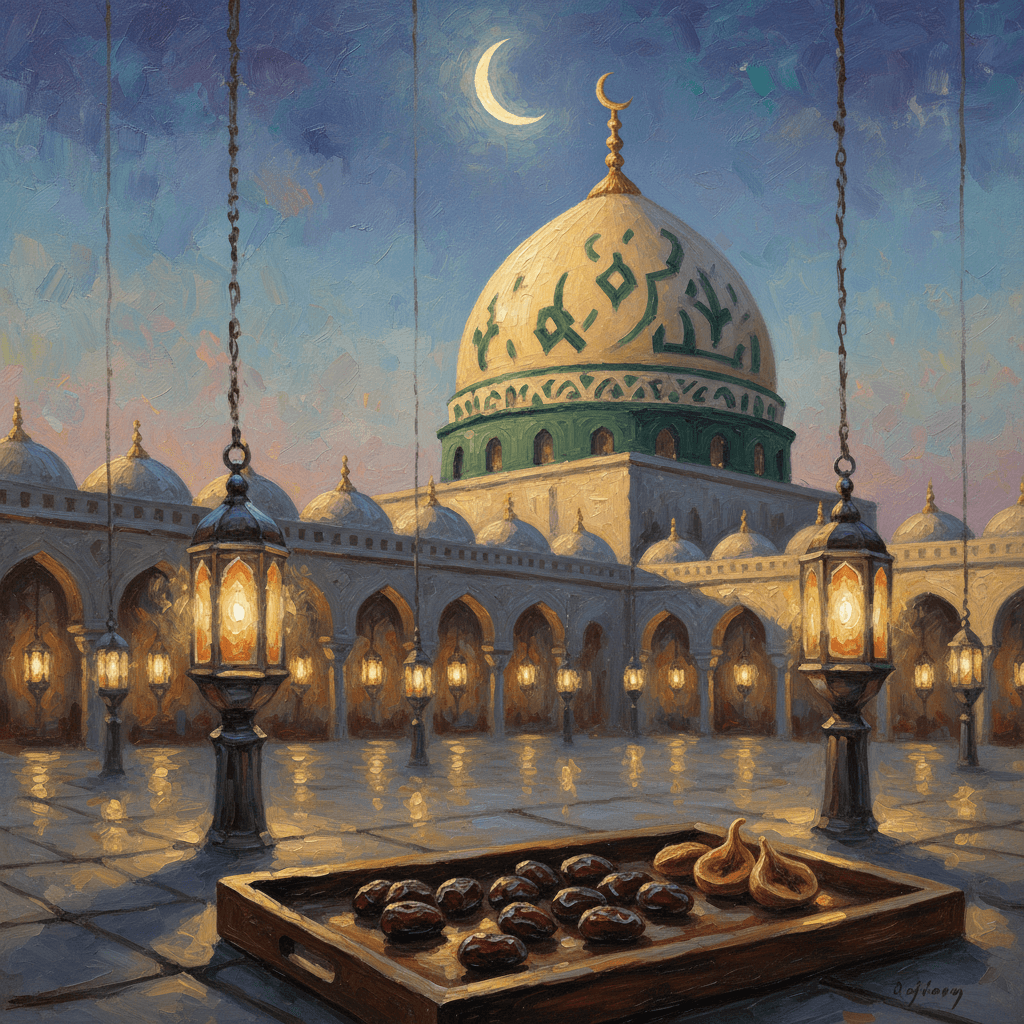
There is a type of worship that costs nothing, requires no fixed time, and can be performed hundreds of times a day — yet most Muslims underestimate its power. That is sadaqah (صَدَقَة), voluntary charity, and it is one of the most accessible and transformative acts in Islam.
If you have ever felt like your spiritual life is transactional — five prayers, Ramadan fast, done — sadaqah is the practice that changes everything. It turns ordinary moments into ibadah, and it quietly strengthens a quality the nafs fights hard against: generosity.
What Sadaqah Actually Means
The word sadaqah comes from the Arabic root s-d-q (صَدَق), meaning truthfulness and sincerity. Giving sadaqah is an outward expression of an inward truth: that your wealth, your time, and even your good words belong ultimately to Allah and are given back to His creation.
In Islamic law, sadaqah refers to any voluntary act of charity given for the sake of Allah — without obligation, without a minimum, and without restriction on when or to whom it is given. It stands in contrast to zakat (زَكَاة), which is an obligatory annual contribution with specific rules.
The Prophet ﷺ described sadaqah with remarkable breadth:
كُلُّ مَعْرُوفٍ صَدَقَةٌ
"Every act of goodness is sadaqah."
— (Sahih Bukhari 6021, sunnah.com)
This means sadaqah is not primarily a financial category. It is a spiritual one.
The Many Forms of Sadaqah
The Prophet ﷺ was once asked: what can those without wealth give? His answer redefined the practice entirely:
وَتَبَسُّمُكَ فِي وَجْهِ أَخِيكَ صَدَقَةٌ
"And your smiling at your brother is sadaqah."
— (Tirmidhi 1956, sunnah.com)
The same hadith listed removing harm from the road as sadaqah, giving good advice as sadaqah, and helping a person with a task as sadaqah. Visiting a sick person, speaking a kind word to someone struggling, holding the door — all of it counts.
Sadaqah in practice:
- Giving money to someone in need — even a small amount
- Buying food and sharing it
- A genuine smile to a Muslim you pass
- Removing a hazard from a shared path
- Teaching someone something beneficial
- Making dua for another Muslim by name
- Helping carry something heavy
- Giving good, honest advice when asked
- Supporting an ongoing cause (a mosque, school, or water project)
The last category — giving to something that continues benefiting people — is called sadaqah jariyah (صَدَقَةٌ جَارِيَةٌ), ongoing charity. The Prophet ﷺ said:
إِذَا مَاتَ الإِنْسَانُ انْقَطَعَ عَنْهُ عَمَلُهُ إِلَّا مِنْ ثَلَاثَةٍ: إِلَّا مِنْ صَدَقَةٍ جَارِيَةٍ...
"When a person dies, all his deeds are cut off except three: ongoing charity, knowledge that others benefit from, and a righteous child who prays for him."
— (Sahih Muslim 1631, sunnah.com)
Why Modern Muslims Struggle With Generosity
The nafs is naturally inclined toward hoarding. It calculates: if I give this away, I will have less. That feels true — it just is not. The Quran addresses this directly:
الشَّيْطَانُ يَعِدُكُمُ الْفَقْرَ وَيَأْمُرُكُمْ بِالْفَحْشَاءِ ۖ وَاللَّهُ يَعِدُكُمْ مَغْفِرَةً مِّنْهُ وَفَضْلًا
"Shaytan threatens you with poverty and commands immorality, while Allah promises you forgiveness and bounty."
— (Surah Al-Baqarah, 2:268)
There is also the modern problem of scale. We see need on social media — disaster appeals, communities in crisis — and feel paralyzed. The numbers are too large. Our contribution feels too small. So we do nothing.
The Prophet's ﷺ approach was different: he gave frequently in small amounts. He described the best deeds as those done consistently, even if minor. One coin given every day for a year is more consistent — and potentially more transformative for the giver's soul — than one large donation given once and forgotten.
How to Practice Sadaqah Daily
This is where sadaqah becomes a habit rather than an occasional event.
1. Start with non-financial sadaqah Before you open your wallet, open your behavior. Smile more deliberately. When you see a need you can meet without money — help carry something, give genuine advice, make dua for someone struggling — do it and consciously name it sadaqah. You are training your nafs to give.
2. Set a daily sadaqah intention Each morning after Fajr, make a brief intention: "Today I will give sadaqah at least once." It could be the smallest thing. The intention reorients your attention through the day.
3. Keep a small amount accessible Keep a small "sadaqah fund" — even a few coins or a small weekly amount — specifically designated for giving. When opportunity arises, you don't have to calculate. You have already decided.
4. Automate ongoing sadaqah Set up a recurring small donation to a cause you trust — a water well project, an orphan sponsorship, Islamic education. This becomes sadaqah jariyah, accruing reward even while you sleep.
5. Track it Consistency matters more than quantity. If you track your giving — even informally — you can see patterns and stay honest with yourself. Use a habit tracker to log daily acts of sadaqah, financial or otherwise.
Build the Sadaqah Habit — One Day at a Time
DeenBack helps you track daily ibadah habits including giving and dhikr, so generosity becomes part of your routine, not a rare event.


Free download. Premium features available in-app.
For practical steps on building a consistent giving habit, read our guide on how to give sadaqah regularly. And if you are also working on the obligatory side of charity, see how to calculate zakat and how to pay zakat al-fitr.
Signs You Are Growing in Sadaqah
- You notice small opportunities to give that you used to walk past
- Giving feels easier and less calculated over time
- The thought "I can't afford to give" starts to feel less automatic
- You think of others' needs before you think of your own comfort
- You feel lighter after giving — not depleted
This is the interior shift the practice produces. Generosity is not just an action; it is a quality of character that grows through repetition. And its Quranic link is to taqwa itself — see what is taqwa in Islam for how the two are connected in the Islamic framework of spiritual development.
Common Questions
Is sadaqah different from a gift? A gift (hadiyyah) is given to build a relationship or out of affection. Sadaqah is given specifically for the sake of Allah, often to someone in need. The inner intention distinguishes them. A gift to a poor relative can simultaneously be sadaqah if your intention is Allah's pleasure.
Does sadaqah have to be given in secret? The Prophet ﷺ praised giving in secret because it protects against riya (showing off). But giving publicly is also allowed — and can even encourage others. The key is checking your intention. If giving publicly, make sure you are giving for Allah, not for the social approval of being seen giving.
Can I give sadaqah on behalf of a deceased person? Yes. Giving sadaqah with the intention that the reward reaches a deceased parent, relative, or friend is permitted and established in the Sunnah. It is one of the most powerful acts of love and connection available to the living for those who have passed.
Closing
Sadaqah does not deplete you. It clarifies you. Every act of voluntary giving — from a coin to a kind word — chips away at the nafs's grip on your heart and replaces it with something the nafs can never generate on its own: peace.
Start small. Start now. One act of sadaqah today is worth more than a perfect plan that never begins.
Make Generosity Your Daily Baseline
Track your daily worship, including sadaqah, dhikr, and Quran reading, with DeenBack — and build the consistent Muslim life you have been meaning to start.
Free download. Premium features available in-app.
Frequently Asked Questions
What is the difference between sadaqah and zakat?
Zakat is obligatory annual charity — a fixed percentage (2.5%) of your qualifying wealth, given to specific categories of recipients, and required once you hold wealth above the nisab for a full lunar year. Sadaqah is entirely voluntary — any amount, at any time, to any person or cause. Sadaqah does not fulfill the obligation of zakat, but both are acts of worship. The key difference is obligation: zakat is a pillar of Islam; sadaqah is a gift from the heart.
Does sadaqah have to be money?
No. The Prophet ﷺ explicitly listed non-financial sadaqah: a kind word, removing harm from the road, helping someone carry their bags, smiling at your brother, giving good advice. Even walking to salah in congregation is sadaqah. The Arabic root of the word relates to truthfulness — sadaqah is an expression of inner sincerity, not just a financial transaction.
What is sadaqah jariyah?
Sadaqah jariyah (ongoing charity) is a gift that keeps benefiting people after you have given it — and whose reward continues to reach you even after death. Funding a water well, planting a tree, contributing to a school, or sharing beneficial knowledge are all forms of sadaqah jariyah. The Prophet ﷺ listed it among three things whose reward continues after death.
Can I give sadaqah to non-Muslims?
Yes. The Prophet ﷺ gave charity to non-Muslims, and there is no Islamic restriction on voluntary sadaqah going to non-Muslims in need. Scholars distinguish this from zakat, which has specific categories of recipients. Sadaqah given sincerely for Allah's sake is rewarded regardless of the recipient's faith.
Is sadaqah only for the wealthy?
Absolutely not. The Prophet ﷺ was asked how those without wealth can give sadaqah daily — and he listed ten non-financial forms. Allah accepts the sadaqah of even a date, and consistency matters far more than amount. A smile given every day for a year is greater in consistency — and perhaps in reward — than a single large financial gift given once.