
- Published on
What Is Zakat in Islam — The Third Pillar Explained Simply
- Authors

- Name
- Ahmad
- Role
- Senior Marketing Manager, Islamic education • Deen Back
بِسْمِ اللهِ الرَّحْمٰنِ الرَّحِيْمِ
In the name of God, the Most Gracious, the Most Merciful.
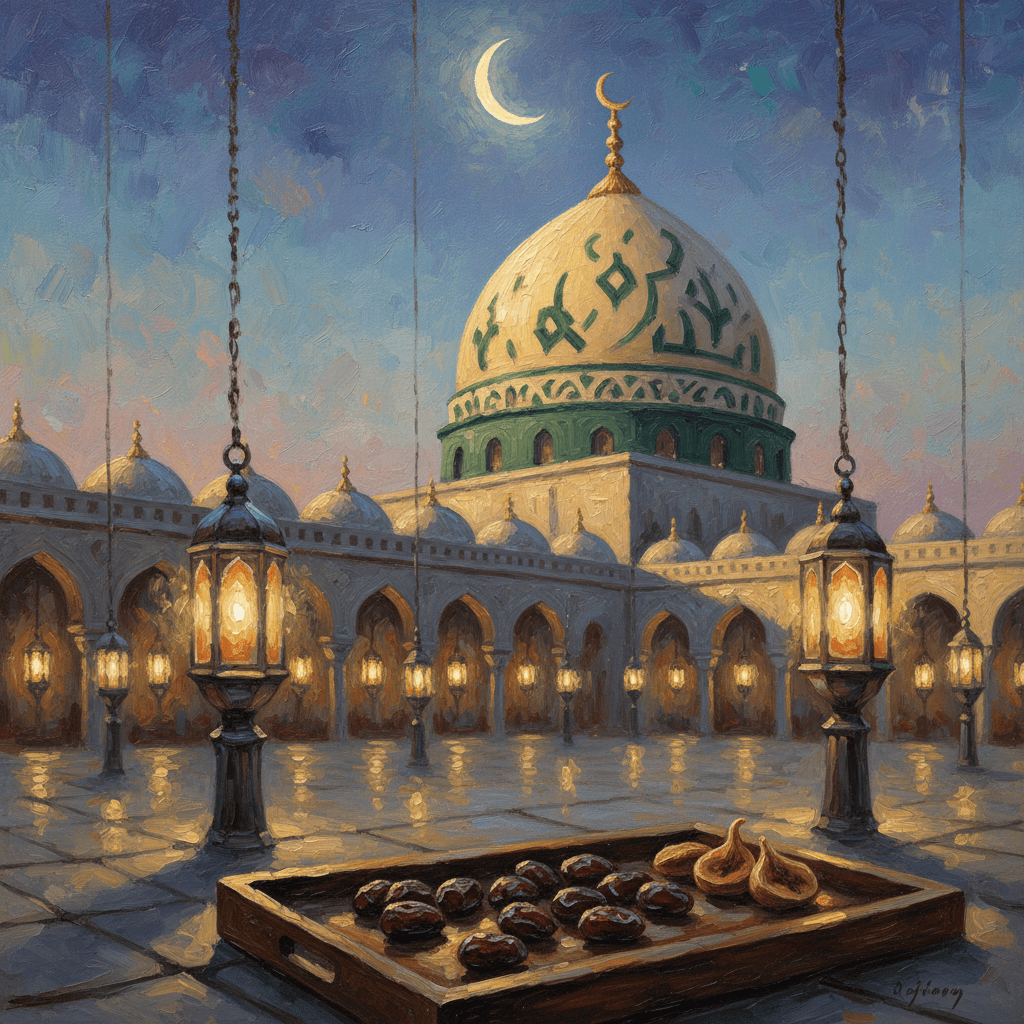
Zakat is mentioned alongside salah — prayer — more than eighty times in the Quran. That repetition is not accidental. The two are presented as a pair: the prayer that orients your heart toward Allah, and the zakat that manifests that orientation in your relationship with creation.
And yet many Muslims treat zakat as a once-a-year bank transfer and move on. That is technically sufficient — but it misses everything the practice is designed to produce.
What Zakat Actually Means
The word zakat (زَكَاة) comes from an Arabic root meaning purification, growth, and blessing. Paying zakat is not just giving money — it is an act of purification: of your wealth, of your soul, and of your relationship with material things.
The Quran addresses the Prophet ﷺ directly:
خُذْ مِنْ أَمْوَالِهِمْ صَدَقَةً تُطَهِّرُهُمْ وَتُزَكِّيهِم بِهَا
"Take from their wealth a charity by which you purify them and cause them to increase."
— (Surah Al-Tawbah, 9:103)
Tuzakkihim — you cause them to increase. The one who pays zakat does not simply lose 2.5% of their wealth. They purify what remains. And in purifying it, the blessing in what remains grows.
This is why zakat is one of the five pillars — not a bolt-on social responsibility policy, but a core act of worship as foundational as the five daily prayers.
Why Zakat Exists — The Deeper Picture
Wealth in Islam does not belong absolutely to its holder. The Quran is explicit:
وَآتُوهُم مِّن مَّالِ اللَّهِ الَّذِي آتَاكُمْ
"And give them from the wealth of Allah which He has given you."
— (Surah Al-Noor, 24:33)
Maal Allah — the wealth of Allah. The human being is a steward, not an absolute owner. Zakat is the acknowledgment of this reality in material form: a percentage of what you hold is not yours to keep. It belongs to the categories of people Allah specified. Paying it is returning what was never entirely yours.
The nafs fights this. The nafs calculates: 2.5% is mine, I earned it, this is a loss. Zakat is one of the clearest training grounds for overcoming that calculation — and replacing it with the awareness that Allah is Al-Razzaq, the Provider, and that your wealth grows in proportion to your gratitude and giving, not in proportion to your hoarding.
How Zakat Works — The Basic Conditions
Condition 1: You are Muslim, adult, and of sound mind. Zakat is not obligatory on children's wealth held independently, though many scholars recommend parents pay it on behalf of their children as a precaution.
Condition 2: You own the nisab threshold. The nisab (نِصَاب) is the minimum wealth level above which zakat becomes obligatory. It is calculated using gold or silver:
- Gold nisab: 87.5 grams of gold
- Silver nisab: 612.5 grams of silver
In current monetary values, the silver nisab is typically lower. For maximum caution and to ensure you meet your obligation, calculate using the silver nisab. Check current nisab values with a reliable Islamic finance authority or calculation tool.
Condition 3: The wealth has been held for one full lunar year (hawl). If you received a large sum two months ago, no zakat is due yet — you must hold it for twelve lunar months. If your wealth fluctuates throughout the year, the common practice is to calculate zakat on what you hold when the full year has passed.
Condition 4: The wealth is above your essential needs. Zakat is on surplus wealth. Your home, your vehicle needed for work, essential tools of trade, and personal use items are typically excluded from the zakat calculation.
What You Pay Zakat On
- Cash, bank savings, and investments: 2.5% of total holdings above nisab
- Gold and silver jewelry (held as wealth/investment): 2.5% — though scholars differ on jewelry worn regularly
- Business inventory: 2.5% of total stock value at market price
- Agricultural produce: 5% or 10% depending on irrigation method
- Livestock: Specific counts by animal type (camels, cattle, sheep/goats)
- Mineral wealth and extracted resources: 20% (historically; varied contemporary rulings)
For the detailed calculation process, see our comprehensive guide on how to calculate zakat and the specific guide on how to pay zakat al-fitr — the separate obligatory charity of Ramadan.
Who Receives Zakat?
The Quran specifies eight categories (Surah Al-Tawbah, 9:60):
- Al-Fuqara — the poor (those with little to nothing)
- Al-Masakeen — the needy (those who lack sufficiency)
- Al-Amileen — those who collect and administer zakat
- Al-Mu'allafat Qulubuhum — those whose hearts are being drawn to Islam
- Fi Al-Riqab — enslaved people seeking to purchase their freedom
- Al-Gharimeen — those in crushing debt (not from excess)
- Fi Sabilillah — in the cause of Allah (Islamic institutions, education, da'wah)
- Ibn Al-Sabil — the stranded traveller with no access to their wealth
In practice today, most zakat reaches categories 1, 2, 6, and 7 — the poor, the needy, those in debt, and Islamic causes. Reputable zakat organizations distribute according to the Quranic framework.
Build the Habit of Generous, Consistent Giving
DeenBack helps you track your worship including annual zakat, sadaqah, and charity habits — so your relationship with wealth grows healthier all year.


Free download. Premium features available in-app.
The Relationship Between Zakat and Spiritual Growth
Paying zakat is easy when you have surplus. The growth happens when it is slightly uncomfortable. When 2.5% actually registers. When your nafs quietly protests. That is the training ground.
Ibn Al-Qayyim described a spiritual progression: sadaqah (voluntary charity) trains the hand to open; zakat demands that it open at a set time regardless of feeling. The discipline of zakat — paying it even when the nafs resists — builds a quality that reaches into every area of spiritual life: doing what is right even when it costs something.
For the companion practice, see how to give sadaqah regularly — zakat and sadaqah work together as a complete approach to Islamic financial worship.
Signs You Are Growing Through Zakat
- The annual payment becomes something you look forward to, not something you delay
- You find yourself paying more than required — because the nafs's grip on wealth is loosening
- You think about who receives it, not just how to calculate it correctly
- You feel lighter after paying — even though you technically have less
- You notice yourself thinking of wealth as a trust rather than an achievement
Common Questions
Does zakat apply to debt? If you owe debt, many scholars allow you to deduct it from your zakat calculation — you pay zakat only on the net wealth above the nisab. If your debts exceed your savings, zakat may not be obligatory on you.
Can I pay zakat to my poor relatives? You may pay zakat to poor relatives who are not direct dependents (parents, children, spouse). Paying to relatives who are eligible is actually doubly rewarded: as zakat and as maintaining family ties.
What if I missed zakat for several years? You must pay what you owe. Calculate the missed years as best you can and pay the accumulated amounts. There is no kaffarah beyond the payment itself. Seek help from a scholar if the calculation is complex.
Can I give zakat in food, goods, or services instead of money? The majority position requires monetary zakat (based on the value). Some scholars permit giving in kind. The safest position is to give in money equivalent to what you owe. Organizations can then convert it to goods as needed.
Closing
Zakat is not a tax. It is not just a social safety net. It is a pillar of your faith — as foundational as your shahada, your salah, and your fast.
Pay it intentionally. Know where it goes. Feel the small resistance in the nafs — and override it deliberately. Over time, that deliberate override transforms you. And that transformation is precisely what zakat was designed to produce.
Make Zakat a Part of Your Annual Worship Routine
DeenBack helps you track your Islamic worship year-round — including planning and paying your annual zakat with intention and clarity.
Free download. Premium features available in-app.
Frequently Asked Questions
What is zakat in Islam?
Zakat (زَكَاة) is the third pillar of Islam — an obligatory annual act of charity. Every Muslim who owns wealth above the nisab threshold for a full lunar year must pay 2.5% of that wealth to specific categories of recipients. It is mentioned alongside salah over 80 times in the Quran, establishing it as a core act of worship, not merely a social welfare system. Zakat purifies the wealth and soul of the giver and fulfills a right of those in need.
Who is obligated to pay zakat?
Every Muslim, male or female, who: (1) is an adult and of sound mind; (2) owns wealth above the nisab threshold; (3) has owned that wealth for a complete lunar year (hawl). The nisab is the minimum amount of wealth that triggers the zakat obligation — typically calculated as the equivalent of 87.5 grams of gold or 612.5 grams of silver. Follow the silver nisab (lower threshold) to be on the safe side.
How much is zakat?
The standard zakat rate on savings, cash, and gold/silver is 2.5% of the total held above the nisab. On agricultural produce, the rate is 5% (if irrigation is used) or 10% (rain-fed). On livestock, there are specific rates depending on animal type and count. On business inventory, 2.5% of the inventory value. On minerals and extracted resources, 20% (khums) in classical fiqh.
Who can receive zakat?
The Quran specifies eight categories of zakat recipients (Surah Al-Tawbah, 9:60): (1) the poor (fuqara), (2) the needy (masakeen), (3) zakat administrators, (4) those whose hearts are being reconciled to Islam, (5) enslaved people seeking to free themselves, (6) those in debt, (7) in the cause of Allah (fi sabilillah), and (8) the stranded traveller. Most scholars prioritize giving to the poor and needy.
What is the difference between zakat and sadaqah?
Zakat is obligatory — a pillar of Islam — with specific rates, conditions, and recipients. Sadaqah is voluntary charity with no minimum, no fixed recipients, and no fixed time. Paying zakat does not substitute sadaqah and vice versa. Zakat is a right of the poor upon the wealth of those who have; sadaqah is a gift from the heart. Both are acts of worship but one is fard and the other is nafl.