
- Published on
What Is Hajj? The Fifth Pillar of Islam Explained
- Authors

- Name
- Ahmad
- Role
- Senior Marketing Manager, Islamic education • Deen Back
بِسْمِ اللهِ الرَّحْمٰنِ الرَّحِيْمِ
In the name of God, the Most Gracious, the Most Merciful.
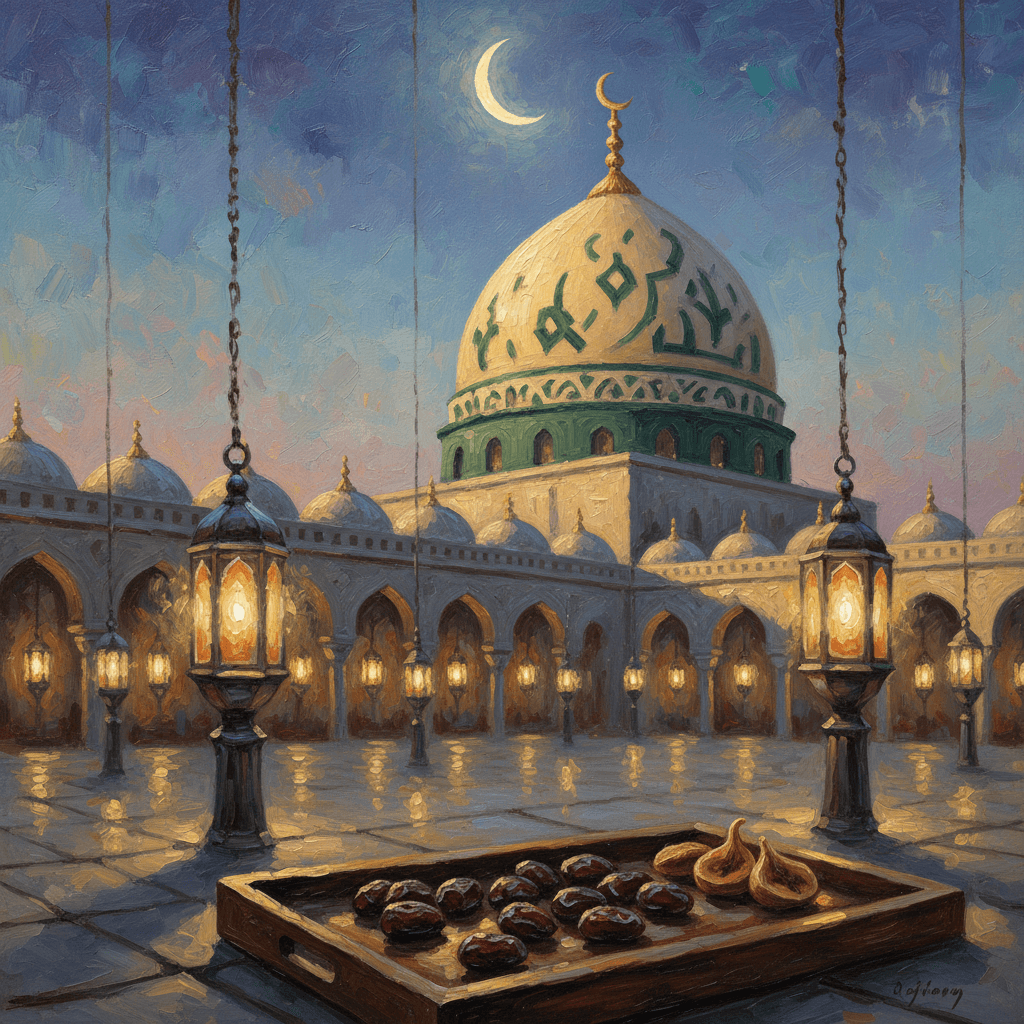
Every year, millions of Muslims from every corner of the world converge on a single point in the Arabian desert. They wear identical white garments. They speak dozens of languages. They are rich, poor, famous, unknown. And for a few days, none of that matters. They are all equal — all answering the same call that Prophet Ibrahim gave centuries ago.
This is Hajj.
The Definition of Hajj
Hajj (حَجّ) means "to intend a journey" or "to visit a revered place." In Islamic law, it refers to the pilgrimage to Mecca and its surrounding sites, performed during the month of Dhul Hijjah.
Allah made it one of the five pillars — the foundational acts on which the structure of Islam is built:
وَلِلَّهِ عَلَى النَّاسِ حِجُّ الْبَيْتِ مَنِ اسْتَطَاعَ إِلَيْهِ سَبِيلًا
Wa lillahi 'alan-nasi hijjul-bayti manistataa'a ilayhi sabila.
"And upon humanity is a duty to Allah — pilgrimage to the House — for whoever is able to find thereto a way." — (Quran 3:97)
The word istataa'a (able) is significant. Hajj is not obligatory for someone who genuinely cannot afford it, cannot physically make the journey, or whose dependents would be left without provision. The obligation is real but merciful.
The Historical Roots of Hajj
Hajj predates the Prophet Muhammad ﷺ by centuries. It traces back to Prophet Ibrahim (Abraham) and his family. After Allah commanded Ibrahim to settle his wife Hajar and infant son Ismail in the barren valley of Mecca, Hajar ran between the hills of Safa and Marwa searching for water — a moment Muslims re-enact to this day in the ritual of sa'i.
When Ismail grew older, Allah tested Ibrahim with the command to sacrifice his son. Both father and son submitted — and Allah replaced Ismail with a ram at the last moment. This submission is commemorated in Eid al-Adha, which falls at the end of Hajj.
Ibrahim later built the Kaaba with Ismail, and Allah commanded him to call humanity to pilgrimage:
وَأَذِّن فِي النَّاسِ بِالْحَجِّ يَأْتُوكَ رِجَالًا وَعَلَىٰ كُلِّ ضَامِرٍ
Wa adhdhin fin-nasi bil-hajji ya'tuka rijalan wa 'ala kulli daminir.
"And proclaim to the people the Hajj — they will come to you on foot and on every lean camel." — (Quran 22:27)
That call has been answered ever since.
The Main Rituals of Hajj
Ihram — The State of Sacred Consecration
Before entering Mecca, every pilgrim enters ihram — a state of sacred consecration marked by specific white garments (two seamless white cloths for men, modest covering for women) and the talbiyah declaration:
لَبَّيْكَ اللَّهُمَّ لَبَّيْكَ، لَبَّيْكَ لَا شَرِيكَ لَكَ لَبَّيْكَ
Labbayk Allahumma labbayk. Labbayk la sharika laka labbayk.
"Here I am, O Allah, here I am. Here I am; You have no partner; here I am."
In ihram, certain actions become prohibited: cutting hair or nails, using perfume, sexual relations, and hunting.
Tawaf — Circling the Kaaba
Pilgrims perform tawaf — seven counter-clockwise circuits around the Kaaba. The Kaaba is the first house of worship built for humanity, and circling it is an act of devotion that connects every Hajj to every Hajj before it.
Sa'i — Walking Between Safa and Marwa
In honour of Hajar's search for water, pilgrims walk seven times between the two hills of Safa and Marwa. This act is a remembrance of her faith and the trust she placed in Allah when left in the desert with an infant.
The Day of Arafah — The Heart of Hajj
The 9th of Dhul Hijjah is the Day of Arafah. Pilgrims travel to the plain of Arafat and stand there from noon until sunset, making dua and seeking forgiveness. This standing (wuquf) is the central pillar of Hajj.
The Prophet ﷺ said:
"Al-Hajj is Arafah." — (Tirmidhi 889)
If a pilgrim misses the standing at Arafat, their Hajj is void. The dua of this day is among the most answered in the Islamic calendar.
Prepare Your Heart for Hajj — Build Daily Ibadah Now
The spiritual preparation for Hajj begins years before the journey. The DeenBack app helps you build the daily dhikr, dua, and Quran habits that prepare your heart for the greatest journey of your life.


Free download. Premium features available in-app.
Muzdalifah, Mina, and the Stoning of the Jamarat
After sunset on Arafat, pilgrims travel to Muzdalifah to pray Maghrib and Isha combined, spend the night, and collect pebbles. The next morning, they proceed to Mina for the stoning of the Jamarat — three stone pillars symbolising the spots where Ibrahim stoned the Shaytan when he tried to dissuade him from obeying Allah.
Eid al-Adha and the Sacrifice
On the 10th of Dhul Hijjah, pilgrims sacrifice an animal (or arrange for one to be sacrificed), commemorating Ibrahim's willingness to sacrifice his son. This day is Eid al-Adha — celebrated worldwide.
After the sacrifice, male pilgrims shave or cut their hair (women trim a small portion), exit the ihram state, and return to Mecca for a final tawaf.
What Hajj Does to You
The Prophet ﷺ said:
"Whoever performs Hajj and does not commit any obscenity or wrongdoing will return (free from sins) as his mother gave birth to him." — (Bukhari 1521)
Hajj is a complete spiritual reset. Five days of intention, movement, dua, and remembrance — stripped of status symbols, personal comforts, and distractions. You are wearing the same white garment as a king and a beggar beside you.
Many who return from Hajj describe it as the most transformative experience of their lives. Not because of the physical journey, but because of what happens when you are surrounded by millions of people — all of them asking Allah for the same things you are asking for.
The spiritual benefits extend beyond Hajj itself. The first ten days of Dhul Hijjah carry special virtue even for those not performing Hajj — it is a time for increased ibadah, fasting (especially on the Day of Arafah), and dhikr.
How to Prepare for Hajj
Financial Preparation
Start saving early. Hajj costs vary significantly by country and package, but it is a major expense for most families. Open a dedicated Hajj savings fund and treat it as an ongoing obligation, not a future dream.
Physical Preparation
Hajj involves significant walking — often 15-20 km daily. Begin walking regularly months before your departure. Pilgrims in poor physical health can struggle with the journey even with modern infrastructure.
Spiritual Preparation
The Prophet's description of Hajj — "whoever performs Hajj and does not commit obscenity or wrongdoing" — sets the standard. Patience, control of the tongue, and restraint of the nafs are required. The spiritual habits you build now determine the kind of pilgrim you will be.
For practical preparation on controlling your lower self, how to control your nafs in Islam and how to be patient islamically are worth reading well before your journey.
Common Questions
Is Hajj mandatory if I cannot afford it?
No. The obligation only applies to those who are mustati' — able — which includes financial ability. If you genuinely cannot afford Hajj, you are not sinful for not performing it. The obligation arises when you become financially and physically capable.
Can I perform Hajj on behalf of someone else?
Yes. Hajj al-Badal (proxy Hajj) is permissible for a deceased person whose obligation was not fulfilled, or for a living person who is permanently physically unable to travel. The proxy must have already performed their own Hajj first.
What is the difference between Hajj Tamattu, Ifrad, and Qiran?
These are the three types of Hajj based on how Umrah is combined with Hajj:
- Tamattu: Umrah first, then exit ihram, then re-enter ihram for Hajj (most common for international pilgrims)
- Ifrad: Hajj only, without Umrah
- Qiran: Combining Umrah and Hajj in one continuous ihram
Can I perform Hajj more than once?
Yes, and there is reward for every Hajj. The obligatory Hajj is once in a lifetime; anything beyond that is voluntary and carries great reward. The Prophet ﷺ said: "Hajj and Umrah in succession remove poverty and sins as the bellows remove impurities from iron." (Tirmidhi 810)
Closing
Hajj is not a tourist trip. It is the fulfillment of a call that has echoed since Prophet Ibrahim stood in an empty desert and obeyed Allah without knowing who would answer.
You are part of a chain of responses to that call — stretching back centuries, stretching forward to the Last Day.
If you have not yet performed Hajj, make the intention now and begin the preparations. The journey is worth every sacrifice it asks of you. And if you cannot yet go, build the ibadah habits that will prepare your heart for the day the door opens.
Start Your Spiritual Preparation for Hajj Today
Every Hajj begins with intention and daily worship. The DeenBack app helps you build the consistency in dhikr, dua, and Quran that prepares your heart and soul for the journey of a lifetime.
Free download. Premium features available in-app.
Frequently Asked Questions
What is Hajj in Islam?
Hajj is the annual Islamic pilgrimage to Mecca, Saudi Arabia, and the fifth pillar of Islam. Every adult Muslim who is physically and financially able is required to perform it at least once in their lifetime. It takes place during the Islamic month of Dhul Hijjah and involves specific rituals at sites including the Kaaba, Mount Arafat, Muzdalifah, and Mina.
When is Hajj performed?
Hajj is performed during the first ten days of Dhul Hijjah, the twelfth month of the Islamic lunar calendar. The main rituals occur between the 8th and 13th of Dhul Hijjah. The Day of Arafah (9th Dhul Hijjah) is the central day of Hajj.
What is the difference between Hajj and Umrah?
Both are pilgrimages to Mecca, but they differ in obligation, timing, and rituals. Hajj is obligatory (once in a lifetime for those who are able) and can only be performed during Dhul Hijjah. Umrah is voluntary and can be performed any time of year. Hajj includes additional rituals like standing on Arafat, spending the night at Muzdalifah, and the stoning of the Jamarat.
What are the conditions that make Hajj obligatory?
Hajj becomes obligatory when a Muslim is: (1) an adult (post-puberty), (2) of sound mind, (3) a free person (not enslaved), (4) financially able to afford the journey and leave sufficient provision for dependents, and (5) physically capable of making the journey. A woman must travel with a mahram (male guardian) according to the majority view.
What happens if a Muslim dies without performing Hajj?
If a Muslim died while being genuinely unable (financially or physically), they are not held accountable. If they were able but delayed without valid reason, they bear the sin of neglecting a pillar of Islam. Heirs can perform Hajj on behalf of a deceased Muslim (Hajj al-Badal) to fulfil their obligation.