
- Published on
What Are the Minor Sins in Islam — The Small Things That Add Up
- Authors

- Name
- Ahmad
- Role
- Senior Marketing Manager, Islamic education • Deen Back
بِسْمِ اللهِ الرَّحْمٰنِ الرَّحِيْمِ
In the name of God, the Most Gracious, the Most Merciful.
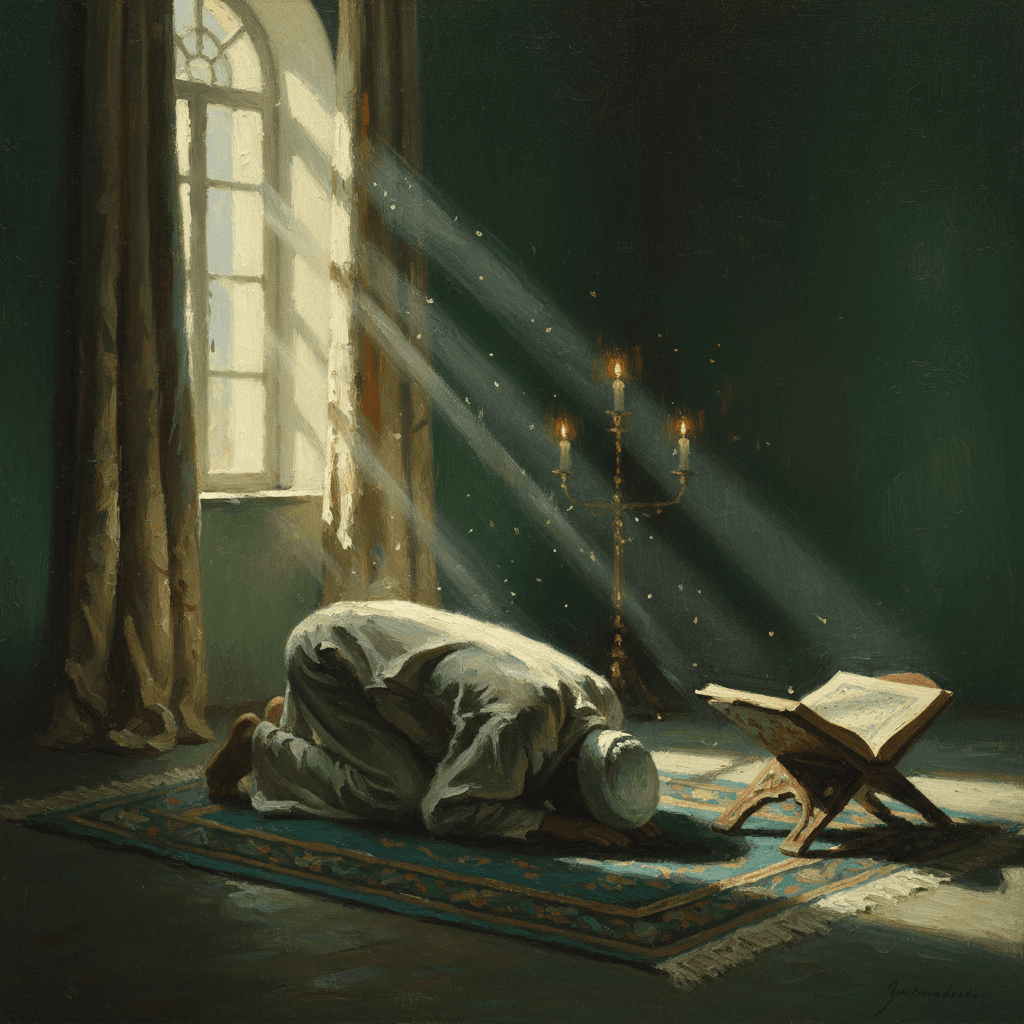
You did not lie today. You did not skip a prayer. You did not commit any of the big sins. And yet, when you sit quietly at the end of the day, something feels heavy — like the day was not clean.
That heaviness is often the weight of minor sins. The small slips we barely notice: the joke at someone's expense, the extra minute of scrolling something we should not have looked at, the harsh tone with a family member, the promise we casually broke. Each one seems too small to matter. That is exactly why they matter.
Islam takes minor sins seriously — not to burden you with guilt, but to protect you from something the Prophet ﷺ warned about explicitly: the pebbles that pile up into a fire.
What Makes a Sin "Minor"
The classical scholars defined a minor sin (saghirah, plural saghair) by what it is not. A sin is minor when it does not meet the criteria of a major sin: no specific hadd punishment in the Quran or Sunnah, no explicit threat of the Fire attached to it, no curse from Allah or His Messenger ﷺ on the one who does it, and the Prophet ﷺ did not specifically name it a major sin.
By that definition, minor sins include excessive joking that dulls the heart, mild disrespect that stops short of open harm, an unintended glance held too long, small lies told to smooth a conversation, wasted time, and small deceptions like exaggerating for effect.
The classical position is one of the most beautiful mercies in the tradition: minor sins are wiped by consistent worship. The Prophet ﷺ said:
الصَّلَوَاتُ الْخَمْسُ وَالْجُمُعَةُ إِلَى الْجُمُعَةِ وَرَمَضَانُ إِلَى رَمَضَانَ مُكَفِّرَاتٌ مَا بَيْنَهُنَّ إِذَا اجْتُنِبَتِ الْكَبَائِرُ
As-salawatul-khamsu wal-Jumu'atu ilal-Jumu'ati wa Ramadanu ila Ramadana mukaffiratun ma baynahunna idha ijtunibatil-kaba'ir
"The five daily prayers, and one Jumu'ah to the next, and one Ramadan to the next, are expiation for the sins between them, so long as major sins are avoided."
— (Sahih Muslim 233)
Read that condition carefully. The wiping is real, but it is conditional on avoiding major sins. If you protect the big things, the small things get washed by the very acts of worship you are already doing.
Common Minor Sins Muslims Underestimate
Here are the ones that quietly pile up in most of our days.
Excessive joking. The Prophet ﷺ warned that too much laughter deadens the heart. A shared joke is halal; a day built around comedy and mockery hardens you against reflection.
"White" lies. Small exaggerations, jokes at someone's expense, saying you liked something you did not. Each one is a rehearsal in dishonesty.
A lingering glance. The Prophet ﷺ called the first glance a mistake and the second a sin — a moment held one second too long is already the second glance.
Trivial gossip. Talking about someone's clothes, weight, or job — even if true — is ghibah. Most of us swim in this without noticing.
Wasting food and water. The Quran calls the wasteful "the brothers of Shaytan" (Surah Al-Isra 17:27).
Interrupting others. Every interruption asserts that your voice matters more than theirs. Subtle arrogance.
Being harsh in speech. Snapping at your spouse. A cold tone with your parent. Corrosive to your character over time.
Neglecting salaam. Passing a Muslim without greeting them. The Prophet ﷺ made spreading salaam a sign of faith.
Broken small promises. "I will call you back" that you never did. Each one nicks your trustworthiness.
"Light" backbiting. "I am not gossiping, I am just concerned." The nafs is expert at dressing up backbiting as care.
Endless entertainment. Hours of shows and reels that leave you neither harmed nor uplifted — just emptied. Time is the one asset you cannot recover.
Half-hearted worship. Salah while thinking about lunch. Dhikr on autopilot. Not haram, but worship stripped of its heart.
The Danger — When Minor Becomes Major
Two moments turn a minor sin into a major one.
Persistence. The classical maxim, cited by Ibn al-Qayyim and Ibn Hajar al-Asqalani, is that no minor sin remains minor with persistence, and no major sin remains major with sincere tawbah. A single lingering glance is a saghirah. A daily habit of them, unrepented, is no longer small.
The pebbles in the valley. The Prophet ﷺ gave a striking image:
إِيَّاكُمْ وَمُحَقَّرَاتِ الذُّنُوبِ فَإِنَّهُنَّ يَجْتَمِعْنَ عَلَى الرَّجُلِ حَتَّى يُهْلِكْنَهُ
Iyyakum wa muhaqqaratidh-dhunubi fa-innahunna yajtami'na 'alar-rajuli hatta yuhlikn
"Beware of the sins that are belittled, for they gather upon a man until they destroy him."
— (Musnad Ahmad, graded hasan)
He compared them to travelers who each collect one small stick, until together they have enough wood to cook a meal. Individually harmless. Collectively fatal. See how to stop sinning in Islam for the full pattern.
The Nafs's Favorite Playground
Ask where the nafs actually wins most often. Not in the big, obvious sins that trigger clear guilt — those are hard, and shame usually pulls you back. The nafs wins in the small ones, precisely because they seem too trivial to fight.
That is the drip-drip effect. One small compromise makes the next one feel smaller. A joke at someone's expense today makes a meaner one easier tomorrow. The heart, which is supposed to sting when it moves away from Allah, slowly stops stinging.
Minor sins are the workshop of the nafs. See them clearly and you starve it of its favorite territory. Learn more in what is nafs in Islam.
Track Your Daily Muhasabah
DeenBack helps you build a daily istighfar streak and end each day with a short self-audit — so the small sins get named, wiped, and stopped before they pile up.


Free download. Premium features available in-app.
How to Keep Them Small — Daily Protection
You do not need a dramatic reset. You need a system that keeps the small stuff from stacking.
Guard the five prayers with khushu. The wiping in Sahih Muslim 233 is tied to the prayer, and its power scales with its quality. A rushed salah wipes less than a present one.
Make istighfar a daily target. The Prophet ﷺ said:
يَا أَيُّهَا النَّاسُ تُوبُوا إِلَى اللَّهِ فَإِنِّي أَتُوبُ فِي الْيَوْمِ إِلَيْهِ مِائَةَ مَرَّةٍ
Ya ayyuhan-nas tubu ilallahi fa-inni atubu fil-yawmi ilayhi mi'ata marrah
"O people, turn to Allah in repentance, for I turn to Him in repentance one hundred times a day."
If the Prophet ﷺ, sinless, sought forgiveness 100 times a day, our target is not smaller. See how many times to say astaghfirullah.
Weekly muhasabah. Every Friday, sit for five minutes and audit the week. What small sins are repeating? What one habit will you tighten? A weekly review turns unconscious slips into conscious corrections.
Immediate tawbah for every slip. Do not wait for a "big" tawbah moment. The second you catch yourself, say astaghfirullah, mean it, and move. Sincere tawbah is not reserved for the big falls.
Give sadaqah when you slip. The Quran promises that hasanaat wipe sayyi'aat. A small charity right after a small sin is one of the fastest ways to cover it.
Fast voluntarily. A Monday or Thursday fast breaks the momentum of the nafs.
Recite Ayatul Kursi and morning/evening adhkar. Your daily armor. A heart that starts and ends the day in remembrance is much harder for small sins to nibble at.
Common Questions
Are minor sins truly wiped by five daily prayers? Yes, as long as major sins are avoided. This is the direct teaching of Sahih Muslim 233.
What if I cannot remember all of them? You do not need to. General istighfar with sincerity covers what memory has lost. Allah knows what you have forgotten.
When does a minor sin become major? Two triggers: persistence without repentance, and treating the sin as trivial. Ibn al-Qayyim's rule is that repetition without turning back destroys the "minor" label entirely.
Is showing off in ibadah minor or major? Major. The Prophet ﷺ called riya the "lesser shirk." It needs specific tawbah, not just general istighfar.
Do I need to apologize to someone I minorly wronged? If the wrong is one they know about and an apology would help, yes. If telling them would hurt more than heal (as with backbiting they never heard), make dua for them and seek Allah's forgiveness.
Closing — Small Sins, Big Vigilance
The believer is not scared of the small. He is watchful of it. A little sin, met with a little tawbah, stays little. A little sin ignored becomes the pebble that joins the pile.
Allah made the wiping easy. Five prayers a day. A hundred astaghfirullahs. A weekly Jumu'ah. A yearly Ramadan — designed to keep the small things from becoming the sum of your life.
Notice the small. Say astaghfirullah. Move on. That is the whole discipline. See what is tawbah in Islam for the words of return.
A Daily Rhythm of Istighfar and Muhasabah
DeenBack tracks your istighfar count, dhikr streaks, and a nightly muhasabah prompt — so the small sins get caught, named, and wiped before they add up.
Free download. Premium features available in-app.
Frequently Asked Questions
Are minor sins really wiped by the five daily prayers?
Yes — this is established directly in Sahih Muslim 233 and reinforced by the Prophet's ﷺ statement that the five prayers, Jumu'ah to Jumu'ah, and Ramadan to Ramadan wipe what is between them so long as major sins are avoided. The condition is important: the wiping applies to minor sins, not to major sins that require specific tawbah. This is a mercy that rewards the consistent worshipper without excusing carelessness with the big things.
What if I do not remember all my minor sins?
You are not required to. Allah knows what you have forgotten, and general istighfar covers what specific memory cannot. Say astaghfirullah with sincerity for both what you know and what you do not, and trust that the mercy of Allah is wider than your memory. The Prophet ﷺ used to seek forgiveness more than 70 times a day even though he was sinless — because istighfar is a posture, not just a response to a remembered wrong.
When does a minor sin become a major sin?
Scholars identify two main triggers. First, persistence — repeatedly committing a minor sin without remorse or intention to stop elevates it to the status of a major sin, as Ibn al-Qayyim and Ibn Hajar both noted. Second, treating a sin as trivial — laughing about it, boasting about it, or dismissing its weight — is itself a serious offence, because it reflects contempt for Allah's command rather than a moment of weakness.
Is showing off in worship a minor or major sin?
Riya (showing off in ibadah) is classified as a major sin — the Prophet ﷺ called it the 'lesser shirk' (shirk al-asghar) because it directs an act meant for Allah toward the gaze of people. It requires specific tawbah and a serious reset of intention. If riya crossed your heart briefly and you rejected it, that is a struggle rather than a sin. If you kept the intention to be seen, that is what needs to be repented from directly.
Do I need to tell someone I minorly wronged them?
For minor sins that involved another person — a harsh word, an interrupted conversation, a light backbiting — you should seek to make it right. If a direct apology would cause more harm than good (for example, telling someone you backbit about them may hurt them more than help), the classical position is to make dua for them, speak well of them, and seek Allah's forgiveness. For clear wrongs the person is aware of, a sincere apology is required.