
- Published on
What Are the Major Sins in Islam — The Kaba'ir You Need to Know
- Authors

- Name
- Ahmad
- Role
- Senior Marketing Manager, Islamic education • Deen Back
بِسْمِ اللهِ الرَّحْمٰنِ الرَّحِيْمِ
In the name of God, the Most Gracious, the Most Merciful.
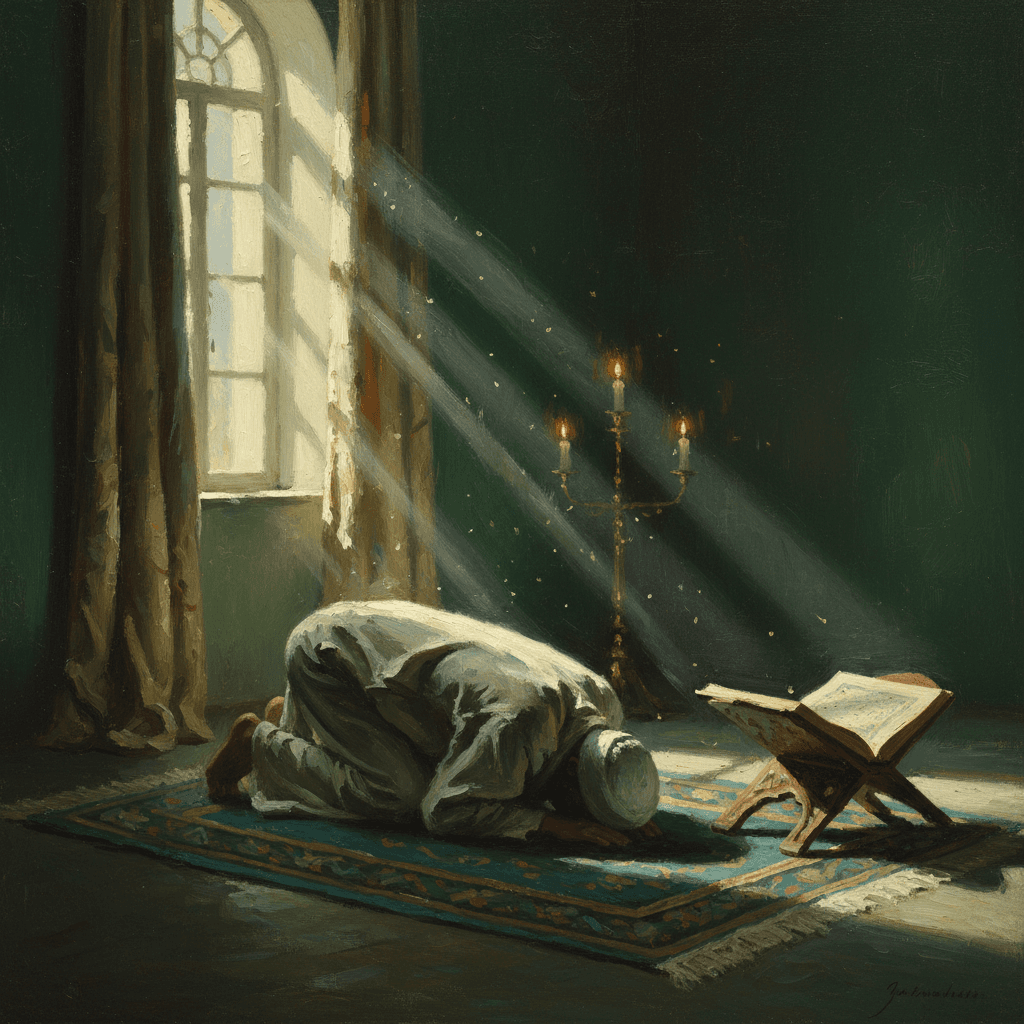
If you are reading this, something already brought the question to mind. Maybe you slipped into something serious and want to know how bad it really was. Maybe you are drawing a line for yourself. Either way, the question is not academic — it is protective.
The scholars did not compile lists of major sins to frighten people. They did it because the Quran and Sunnah gave specific warnings about specific actions, and knowing what those actions are is part of walking safely. This is a map, not a fire-and-brimstone speech. Read it once, know what you are avoiding, and get back to building a life far from the edges.
What Makes a Sin "Major"
Scholars did not define major sins by feeling — they defined them by what the Quran and Sunnah themselves flagged. The classical definition, articulated by Ibn Hajar al-Haytami and echoed by Al-Dhahabi in his compilation Al-Kaba'ir, is that a major sin meets at least one of these criteria:
- A specific worldly punishment (hadd) is prescribed for it.
- The Quran or Sunnah threatens Hellfire, Allah's anger, curse, or punishment specifically for it.
- The Prophet ﷺ explicitly named it as one of the major sins.
Al-Dhahabi's Al-Kaba'ir remains the classical reference. Ibn Hajar's Al-Zawajir expanded this to over seventy major sins. Neither list is meant to be exhaustive — they compile what the sources themselves flagged with specific severity.
The foundational verse is Surah An-Nisa 4:31:
إِن تَجْتَنِبُوا كَبَائِرَ مَا تُنْهَوْنَ عَنْهُ نُكَفِّرْ عَنكُمْ سَيِّئَاتِكُمْ وَنُدْخِلْكُم مُّدْخَلًا كَرِيمًا
In tajtanibu kaba'ira ma tunhawna 'anhu nukaffir 'ankum sayyi'atikum wa nudkhilkum mudkhalan karima.
"If you avoid the major sins forbidden to you, We will remove your evil deeds from you and admit you to a noble entrance."
— Surah An-Nisa, 4:31
This verse is the pillar of the entire major/minor sin framework. Avoiding the major sins is what unlocks the automatic forgiveness of minor ones through wudu, salah, Ramadan, and good deeds.
The Major Sins — Grouped by Category
The Prophet ﷺ named seven that scholars call the "seven destructive sins" — a starting point, not a complete list. He said:
"Avoid the seven destructive sins: associating partners with Allah, sorcery, killing a soul that Allah has forbidden except by right, consuming riba, consuming the wealth of an orphan, fleeing from the battlefield, and slandering chaste believing women."
Grouped by theme, the major sins the sources emphasize include:
Sins against tawhid. Shirk — associating partners with Allah — is the greatest of all sins and the only one Allah says He will not forgive if a person dies upon it (Quran 4:48). Also here: sihr (sorcery), and denying anything definitively established in the religion.
Sins against life. Killing a soul unjustly, including suicide and abortion without valid Sharia grounds. The Quran equates killing one innocent soul with killing all humanity (5:32).
Sins against wealth and trust. Consuming riba (interest), which the Quran describes as declaring war on Allah (2:279). Consuming an orphan's wealth. Stealing and cheating in trade.
Sins against honor and truth. Qadhf — slandering chaste believing women. Bearing false witness. Lying under oath. The Prophet ﷺ classed false witness alongside shirk in severity.
Sins against family. Disobedience to parents ('uquq al-walidayn). Severing ties of kinship.
Sins against chastity. Zina — fornication and adultery — carries specific hadd punishments and is repeatedly warned against in the Quran (17:32).
Sins against the body. Drinking alcohol or consuming any intoxicant.
Sins against courage. Fleeing from the battlefield when the Muslims are engaged in legitimate defensive combat.
Ibn Hajar's compilation lists over seventy major sins in total. The point is not to memorize every entry — it is to recognize the categories: sins against Allah, against life, against wealth, against honor, against family, against chastity, against the body, and against the community.
Build a Daily Muhasabah Habit
DeenBack helps you take account of your day — track salah, dhikr, and Quran, and notice the small drift before it becomes a big one. A steady daily check-in is your best protection.


Free download. Premium features available in-app.
The Nafs's Trick — Small Sins That Become Major
Here is what classical scholars warned about, and what the nafs never tells you: a small sin persisted in becomes a major one. Ibn al-Qayyim and others said openly that al-israr 'ala al-saghira — insistence on a minor sin without repentance — elevates it to the status of a major sin.
The Prophet ﷺ warned: "Beware of the small sins, for they gather upon a person until they destroy him." This is where gossip becomes ghibah that eats good deeds. Where a harmless glance becomes a pattern that leads to zina. Where a bent truth in business becomes routine deception.
The rule is simple: no sin stays small if you refuse to repent from it, and no sin stays large if you turn back sincerely. For breaking cycles, read how to stop sinning in Islam — the nafs is the mechanism you are working against.
How to Protect Yourself Practically
Knowing the list is protection only if it turns into daily habits. Here is what actually works:
Daily muhasabah. Every night, take five minutes to review the day. Umar ibn al-Khattab said: "Take account of yourselves before you are taken to account." A person who does muhasabah nightly rarely drifts into a major sin — the drift gets caught early.
Immediate istighfar. The moment you slip, say astaghfirullah and mean it. Do not wait for the right time. Waiting is how minor sins become major sins.
Remove the triggers. Most major sins have an environment that enables them. Cut the environment. Uninstall the app. Change the route home. End the friendship that pulls you down.
Crowd out with good habits. A soul empty of dhikr fills with whispers. Fill your day with Quran, salah on time, and dhikr — see what is tawbah in Islam for how repentance and habit reinforce each other.
Sincere tawbah with the three conditions. Stop, feel remorse, resolve never to return. If it involved another person, add restitution. The full method is in how to make sincere tawbah.
Ask Allah directly to protect you. The Prophet ﷺ taught this dua:
اللَّهُمَّ إِنِّي أَعُوذُ بِكَ مِنَ الْكَسَلِ وَالْهَرَمِ وَالْمَأْثَمِ وَالْمَغْرَمِ
Allahumma inni a'udhu bika mina al-kasali wal-harami wal-ma'thami wal-maghram.
"O Allah, I seek refuge in You from laziness, decrepitude, sin, and debt."
For duas after a slip, see dua for forgiveness of major sins. The Prophet ﷺ said Allah stretches out His hand at night to accept the one who sinned during the day, and during the day for the one who sinned at night (Sahih Muslim 2759).
Common Questions
What should I do if I have already committed a major sin?
Do not delay. Stop, feel remorse, resolve never to return, and turn to Allah. If the sin harmed someone, make it right with them. The Prophet ﷺ said the repentant is like the one without sin. Detailed steps are in how to repent for major sins in Islam.
Does tawbah wipe major sins?
Yes. Surah Az-Zumar 39:53 leaves no ambiguity: Allah forgives all sins for those who turn back sincerely. The only sin unforgiven is shirk that a person dies upon.
Is missing salah a major sin?
The majority position is yes — deliberate, sustained abandonment of salah is among the gravest major sins. Occasional missed prayers due to negligence require immediate makeup and tawbah.
What is the difference between major and minor sins?
Major sins carry specific worldly punishments, threats of Hellfire, or explicit prophetic classification. Minor sins lack these and are wiped by wudu, prayer, Ramadan, and good deeds — as long as major sins are avoided.
Do major sins require kafarah?
Only specific ones do — like breaking a Ramadan fast intentionally. Most require sincere tawbah plus restitution if another person's rights were involved.
Closing — Fear of Allah as a Compass
Taqwa — the fear-consciousness of Allah — is not meant to paralyze you. It is meant to point you. Knowing the major sins is not about walking through life terrified. It is knowing which lines matter most, so you can live comfortably far from them.
The Prophet ﷺ was the most god-fearing of humans, and also the most cheerful and present. Taqwa done right produces confidence, not anxiety. Know the map, walk the path, and trust that the same Lord who warned you is the one who calls Himself Al-Ghaffar — the Repeatedly Forgiving.
Guard Your Day With DeenBack
DeenBack turns daily muhasabah and tawbah into a steady rhythm — Quran, dhikr, salah reminders, and streaks that keep you close before you drift. Start today.
Free download. Premium features available in-app.
Frequently Asked Questions
What should I do if I have already committed a major sin?
Do not delay. Stop the sin immediately, feel genuine remorse, resolve firmly never to return, and turn to Allah in sincere tawbah. If the sin involved someone else's rights, make restitution. The Prophet said the one who repents from a sin is like one who never sinned. The door of tawbah stays open until the soul reaches the throat or the sun rises from the west — whichever comes first.
Does sincere tawbah wipe out major sins?
Yes. The Quran is explicit in Surah Az-Zumar 39:53: 'Do not despair of the mercy of Allah. Indeed, Allah forgives all sins.' Scholars agree that sincere tawbah meeting its conditions is accepted for every sin except shirk died upon. Even shirk, if abandoned before death, is forgiven.
Is missing salah a major sin?
The majority of scholars classify deliberate abandonment of salah — knowing it is obligatory and still refusing to pray — as one of the greatest major sins, with some early scholars considering it kufr. Occasional missed prayers due to negligence must be made up and repented for. Consistently abandoning salah requires immediate return to prayer and sincere tawbah.
What is the difference between major and minor sins?
Scholars define a major sin (kabira) as one for which the Quran or Sunnah prescribed a specific worldly punishment, threatened Hellfire or Allah's anger, or which the Prophet named as major. Minor sins (sagha'ir) lack these specific warnings and are wiped by wudu, salah, Ramadan, and good deeds when major sins are avoided — as stated in Quran 4:31.
Do major sins require kafarah (expiation)?
Only specific sins require kafarah — like breaking a Ramadan fast intentionally, breaking an oath, or accidentally killing a believer. Most major sins require sincere tawbah, not kafarah. However, sins involving another person's rights require restitution or seeking their forgiveness as part of valid tawbah.