
- Published on
Tasbih After Salah — The Prophetic Dhikr You Should Not Skip
- Authors

- Name
- Ahmad
- Role
- Senior Marketing Manager, Islamic education • Deen Back
بِسْمِ اللهِ الرَّحْمٰنِ الرَّحِيْمِ
In the name of God, the Most Gracious, the Most Merciful.
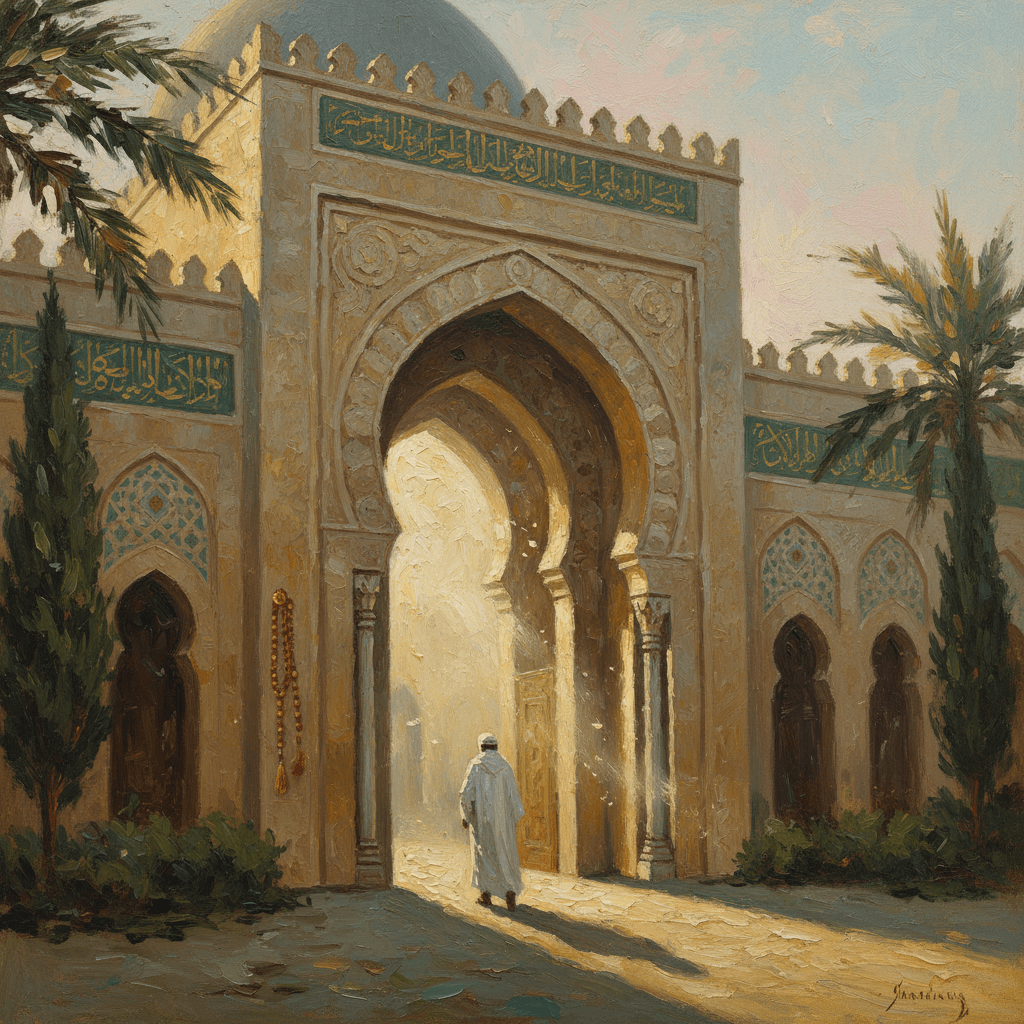
You finish your prayer, say your salam, and... what do you do next? For many Muslims, the answer is: check your phone. Or stand up immediately and return to whatever you were doing.
This is one of the most quietly significant missed opportunities in a Muslim's day. The moments immediately after salah are among the most spiritually receptive of the entire day. The Prophet ﷺ taught a specific tasbih for exactly this time — and he attached to it a promise that stops you in your tracks.
Understanding what the tasbih after salah is, why it matters, and how to make it a genuine daily habit could transform the quality of your worship in ways you would not expect.
What the Tasbih After Salah Actually Is
The specific dhikr the Prophet ﷺ taught for after every obligatory prayer comes from multiple authentic hadiths. The most complete version is in Sahih Muslim:
Abu Hurayrah (may Allah be pleased with him) reported that the Prophet ﷺ said:
"Whoever glorifies Allah after every prayer thirty-three times, and praises Allah thirty-three times, and magnifies Allah thirty-three times — that makes ninety-nine — and then completes it to a hundred with: La ilaha illallahu wahdahu la sharika lahu, lahul mulku wa lahul hamdu wa huwa ala kulli shay'in qadir — his sins will be forgiven, even if they are like the foam of the sea." — (Sahih Muslim 597)
The Arabic:
SubhanAllah (سُبْحَانَ اللَّهِ) — 33 times "Glory be to Allah"
Alhamdulillah (الْحَمْدُ لِلَّهِ) — 33 times "All praise is for Allah"
Allahu Akbar (اللَّهُ أَكْبَرُ) — 33 times "Allah is the Greatest"
Then completing to 100:
لَا إِلَهَ إِلَّا اللَّهُ وَحْدَهُ لَا شَرِيكَ لَهُ، لَهُ الْمُلْكُ وَلَهُ الْحَمْدُ وَهُوَ عَلَى كُلِّ شَيْءٍ قَدِيرٌ
"La ilaha illallahu wahdahu la sharika lahu, lahul mulku wa lahul hamdu wa huwa ala kulli shay'in qadir"
"There is no deity except Allah, alone, without partner. To Him belongs the dominion, and to Him belongs all praise, and He is over all things capable."
This is the complete tasbih. It takes approximately two to three minutes.
Why Modern Muslims Skip It
The tasbih after salah has a waswas (doubt-inducing) problem for many people: it seems too easy. Ninety-nine repetitions of dhikr, and all your sins are forgiven?
The nafs responds in two opposite ways. Either it dismisses the reward as too good to be true — "I can't really believe this means much" — or it does not even remember to do it because the habit was never formed.
Both responses lead to the same outcome: the tasbih does not happen, and the salah ends without the dhikr that the Prophet specifically designed to follow it.
The other challenge is the modern pull toward immediate activity. We live in environments designed for rapid context-switching. Sitting on the prayer mat for two more minutes after salah, with no screen and no task to complete, feels almost unnatural.
This is exactly the battle. Staying present for the tasbih after salah is a small but meaningful act of resistance against the fragmentation of the modern mind.
How to Make Tasbih After Salah a Daily Habit
Anchor it to the prayer itself
The most effective habit-building technique is to attach a new behavior to an existing one. In this case, the trigger is perfect: salah already happens five times a day. The tasbih after salah becomes the natural extension of the prayer — not a separate act you have to remember, but the completion of what you already do.
Make this your rule: "I do not stand from the prayer mat until the tasbih is complete." No exceptions. This single rule eliminates the decision-fatigue around whether to do it.
Count on your fingers as the Prophet recommended
The Prophet ﷺ said to count on the right hand. Specifically, the Sunnah is to count on the knuckles of the fingers, which provides thirty-three segments across the three middle fingers of the right hand.
Using your fingers rather than tasbih beads keeps the practice immediate and always available — no equipment required, no distraction of reaching for an object. For the final tahlil (La ilaha illallahu...), you can touch your palm.
Start with one salah
If you currently do zero tasbih after salah, trying to do it after all five prayers immediately often fails. Start with one salah — Fajr is the most powerful because it begins the day in a state of dhikr. Do the tasbih after every Fajr for one week. Then add another prayer. Build slowly and consistently.
Understand each phrase as you say it
The transformation of tasbih from rote repetition into genuine worship comes from presence. SubhanAllah is not just a word — it is the declaration that Allah is completely free from any deficiency or imperfection. Alhamdulillah is the acknowledgment that every good in your life originates with Allah. Allahu Akbar is the reminder that no matter what is in front of you — the task, the worry, the ambition — Allah is greater.
Saying each phrase with an understanding of its meaning changes the quality of those three minutes completely.
Track your tasbih streak and build your post-salah dhikr habit
Deen Back helps you maintain consistency with the sunnah dhikr after every prayer. Start your streak today and experience what consistent daily dhikr does to your heart.


Free download. Premium features available in-app.
The Promise Attached to This Dhikr
The hadith in Sahih Muslim uses the phrase "even if they are like the foam of the sea." The foam of the sea is not a small quantity. This is the Prophet ﷺ describing a comprehensive forgiveness available to every Muslim, five times a day, every day they pray.
This is not a reward for extraordinary people. It is available to the ordinary Muslim who sits on the prayer mat for three extra minutes after each prayer.
The Prophet ﷺ also said: "Two words are light on the tongue, heavy on the scale, and beloved to the Most Merciful: SubhanAllahi wa bihamdih, SubhanAllahil Adhim." (Sahih al-Bukhari 6682) If two words of dhikr carry that weight, consider what thirty-three repetitions of three phrases carry.
For the broader context of how post-prayer dhikr fits into your worship routine, see our guides on dhikr after salah and how to make dhikr a daily habit.
Common Questions
What if I forget to do it immediately and stand up?
Sit back down and do it. The most authentic position is that the tasbih should be done before you speak or move much, but if you forget and leave the prayer area, you can still do it wherever you are — even sitting at your desk. Do not let a mistake become a reason to skip entirely.
Is there a different tasbih for different prayers?
The tasbih described here applies after every obligatory prayer. There are some additional supplications specifically for Fajr and Maghrib, and for after the optional sunnah prayers. The core SubhanAllah / Alhamdulillah / Allahu Akbar pattern is the universal one taught for all prayers.
What about the extended post-prayer duas like the one starting with Astaghfirullahalazeym?
Before the tasbih, the Prophet taught saying Astaghfirullah three times and then making the longer supplication: "Allahumma anta al-salam wa minka al-salam..." These are done first. The tasbih follows. For the complete post-salah dhikr sequence, see our detailed guide on how to build a daily ibadah routine.
Can I do the tasbih while driving if I prayed qada?
If you are making up a prayer and are then traveling, you can do the tasbih mentally or quietly. The verbal component is preferable but the dhikr of the heart is always accessible.
Closing
The tasbih after salah is three minutes, five times a day, that can completely change your relationship with your prayers. Not the prayer itself — but what it means in your life. The prayer becomes the center of an act of worship that begins with the adhan and ends with dhikr, rather than just a spiritual checkpoint between tasks.
Start today. Sit on the prayer mat after your next salah. Count on your right hand. Say each phrase with presence. Let the tasbih complete what the salah began.
For more on building a consistent dhikr practice, see our guide on benefits of reciting Ayatul Kursi — another powerful daily dhikr that pairs naturally with post-salah practice.
Build your post-salah tasbih streak starting today
Deen Back helps you track your daily dhikr and sunnah habits so that tasbih after salah becomes as automatic as the prayer itself.
Free download. Premium features available in-app.
Frequently Asked Questions
What is the tasbih after salah?
The tasbih after salah refers to the specific dhikr the Prophet taught to say after every obligatory prayer: SubhanAllah (Glory be to Allah) 33 times, Alhamdulillah (All praise is for Allah) 33 times, Allahu Akbar (Allah is the Greatest) 33 times, then completing with La ilaha illallah wahdahu la sharika lah, lahul mulku wa lahul hamdu wa huwa ala kulli shay'in qadir. This totals 100 repetitions.
How many times do you say SubhanAllah, Alhamdulillah, Allahu Akbar after prayer?
Thirty-three times each. SubhanAllah 33 times, Alhamdulillah 33 times, and Allahu Akbar 33 times, making 99 repetitions. Then complete to 100 with the tahlil: La ilaha illallah wahdahu la sharika lah, lahul mulku wa lahul hamdu wa huwa ala kulli shay'in qadir. This is the most authentic narration from Sahih Muslim.
What are the benefits of doing tasbih after salah?
The Prophet said that whoever says this tasbih after every salah will have all their sins forgiven, even if they are as much as the foam of the sea. Regular tasbih after salah builds consistent dhikr, keeps the heart connected to Allah between prayers, and the Prophet described it as among the deeds that truly elevate one's status with Allah.
Can you do tasbih after salah without tasbih beads?
Yes — you can count on your fingers, and this is actually what the Prophet recommended. He said to use your right hand fingers and count the three sets on your fingertips. The Prophet said he saw the fingers giving testimony on the Day of Judgment, implying they record what we count on them. Tasbih beads are a permissible aid but not necessary.
Is it sunnah to do tasbih after every salah?
Yes — the Prophet's practice of tasbih after salah is confirmed in Sahih Muslim and multiple other hadith collections. It is a confirmed sunnah (sunnah muakkadah according to many scholars) that applies after every obligatory prayer. The specific count and phrasing taught in Sahih Muslim is the most authenticated version.