
- Published on
Is Hypnosis Haram? What Islam Says About Hypnotherapy and the Mind
- Authors

- Name
- Ahmad
- Role
- Senior Marketing Manager, Islamic education • Deen Back
بِسْمِ اللهِ الرَّحْمٰنِ الرَّحِيْمِ
In the name of God, the Most Gracious, the Most Merciful.
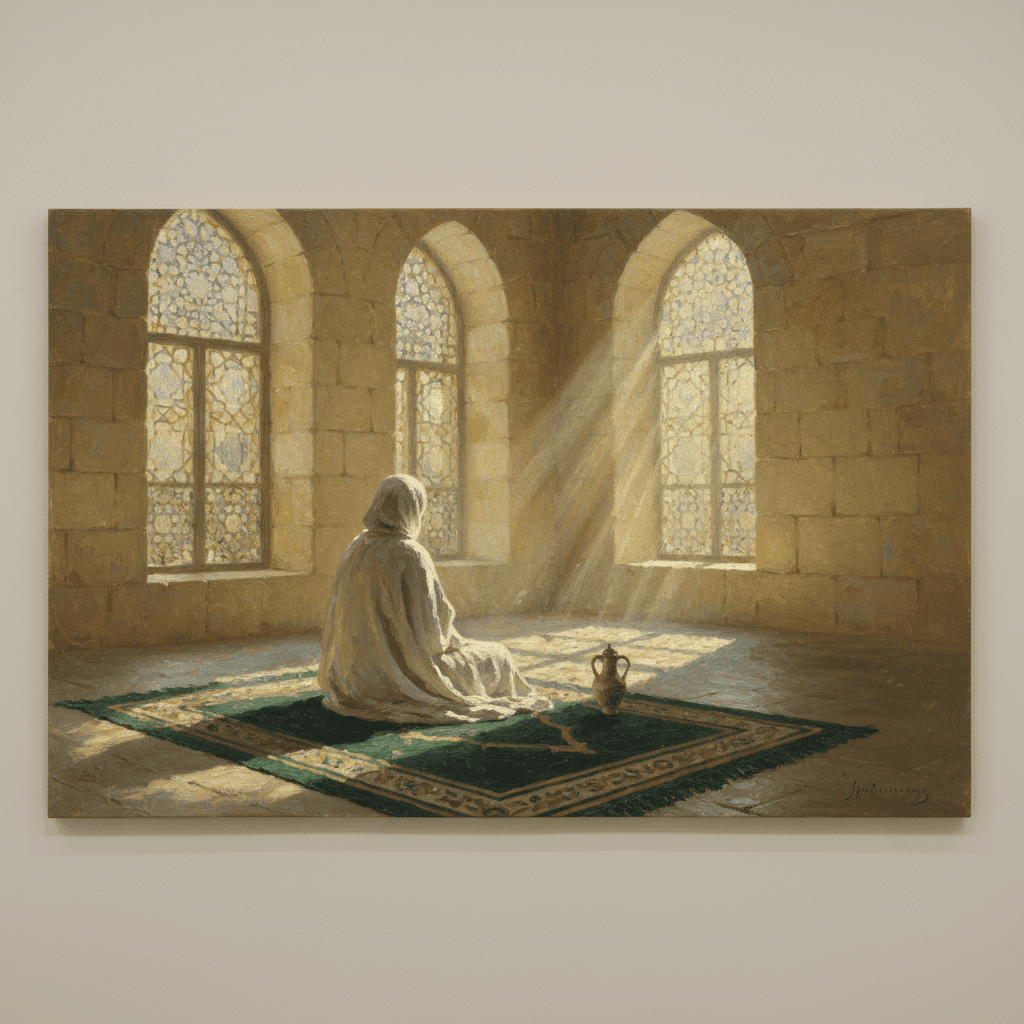
Hypnotherapy for phobias. Hypnosis for smoking cessation. Self-hypnosis for anxiety relief. These are increasingly common offerings, and Muslims dealing with these challenges may encounter them as legitimate clinical options. Before engaging with hypnosis in any form, the question for a Muslim is real: what does Islam say about this?
This is one of those topics where the scholarly landscape is genuinely divided — not because scholars have not thought carefully, but because the phenomenon raises multiple distinct Islamic concerns that weigh differently depending on how the hypnosis is conducted and for what purpose.
The Quick Answer
Hypnosis is not a settled question in Islamic law, and the scholarly disagreement is real. The majority of traditional scholars lean toward prohibition based on concerns about loss of mental control. A smaller but credible group of contemporary scholars permit clinical hypnotherapy under specific conditions. Both positions reflect genuine Islamic reasoning. This is not a case for certainty in either direction.
وَلَا تَقْفُ مَا لَيْسَ لَكَ بِهِ عِلْمٌ إِنَّ السَّمْعَ وَالْبَصَرَ وَالْفُؤَادَ كُلُّ أُولَئِكَ كَانَ عَنْهُ مَسْئُولاً
Wa la taqfu ma laysa laka bihi 'ilm, inna al-sam'a wa al-basara wa al-fu'ada kullu ula'ika kana 'anhu mas'oola
"And do not pursue that of which you have no knowledge. Indeed, the hearing, the sight, and the heart — about all those one will be questioned."
This verse is not about hypnosis specifically — but it captures the Islamic principle of protecting the faculties of perception and the heart from what harms them. The question of hypnosis centres precisely on whether deliberately suspending rational faculties can ever be Islamically acceptable.
What the Quran and Sunnah Say
The Islamic case against hypnosis rests primarily on three principles:
First: the protection of aql (reason). Alcohol is haram primarily because it impairs the mind. The Quran says:
يَا أَيُّهَا الَّذِينَ آمَنُوا إِنَّمَا الْخَمْرُ وَالْمَيْسِرُ وَالْأَنصَابُ وَالْأَزْلَامُ رِجْسٌ مِّنْ عَمَلِ الشَّيْطَانِ فَاجْتَنِبُوهُ
"O believers, indeed, intoxicants, gambling, stone altars, and divining arrows are but defilement from the work of Satan, so avoid it."
Scholars note that the underlying wisdom of prohibiting intoxicants is precisely the impairment of reason. Islam's five essential protections (maqasid al-shari'ah) include the protection of the mind (hifz al-aql). Anything that deliberately diminishes or suspends rational control raises concern under this principle.
Second: accountability during altered states. A Muslim in an hypnotic state may say or agree to things they would not consciously choose. Secrets might be revealed; suggestions might be accepted. The concern is not just the altered state itself but what happens within it and what others may do with the access it provides.
Third: the risk of spiritual vulnerability. Some practitioners of hypnosis frame what they do in spiritual terms — suggesting that the "subconscious" contains divine wisdom to be accessed, or using practices that blur with meditation traditions from non-Islamic spiritual frameworks. Where hypnosis intersects with spiritual claims beyond Islamic teaching, scholars raise concerns similar to those raised about certain forms of is meditation haram.
Why This Is Actually Hard
The clinical case for hypnotherapy is real. Research supports its effectiveness for specific phobias, pain management, and certain addictions. For a Muslim struggling with something debilitating — a phobia that prevents normal functioning, chronic pain, an addiction destroying their life — the idea of an effective treatment that mainstream medicine offers carries genuine appeal.
The nafs can enter here in two opposite directions. One version says "just do it, it is for a good cause." The other version uses excessive scrupulosity about this one question while ignoring bigger spiritual issues. Neither is the right response.
The honest situation is: this is a contested scholarly question, alternatives often exist, and making the safest choice while also pursuing genuine healing is what Islamic law calls for. The principle is not to choose between deen and wellbeing — it is to pursue wellbeing through means that are compatible with the deen.
What to Do About It — Practical Steps
Step 1: Seek Islamic alternatives first. For the conditions people typically seek hypnotherapy for:
- Phobias and anxiety: CBT (Cognitive Behavioural Therapy) with or without Islamic counselling has substantial evidence and no Islamic concerns.
- Smoking cessation: gradual reduction, support groups, medication where appropriate, dua and building replacement habits.
- Bad habit change: habit stacking, accountability partnerships, dhikr as replacement for addictive behaviours. See dua for protection for supplications against temptation.
- Spiritual distress: ruqyah (prescribed Quranic recitation performed by a qualified practitioner) for spiritually-rooted issues.
Step 2: If considering hypnotherapy, screen the practitioner carefully. If you have explored alternatives and a qualified Islamic scholar has given you guidance that clinical hypnotherapy may be appropriate in your situation, screen your practitioner:
- Do they keep the session entirely clinical, with no spiritual, mystical, or non-Islamic religious elements?
- Are they a licensed healthcare professional (psychologist, therapist) using hypnotherapy as a clinical tool?
- Will they share with you what suggestions are made during the session?
- Do they have experience with patients from religious backgrounds who maintain doctrinal boundaries?
Step 3: Avoid stage hypnosis and entertainment hypnosis entirely. This is the clearest category. Stage hypnosis is not medical, not therapeutic, and involves loss of conscious control for the entertainment of others — often including embarrassing or undignified behaviours. The combination of public loss of control, potential humiliation, and no therapeutic purpose makes it impermissible under essentially any scholarly framework.
Step 4: Consult a qualified scholar for your specific situation. The general ruling is contested; your specific situation — the condition, the practitioner, the country, the alternatives — matters for the practical ruling. Do not make a decision about clinical hypnotherapy based on this article alone. Seek specific guidance from a scholar who understands both Islamic law and contemporary medicine.
Step 5: Invest in the Islamic tools for mental and spiritual health. Islam provides powerful resources for the kinds of issues people seek hypnotherapy for. Consistent dua for health, regular salah, Quran recitation, and community connection are not just spiritual practices — they have documented positive effects on mental health and wellbeing. Building these consistently through is magic haram teaches what Islamic protection from spiritual harm looks like. See how to build daily Islamic habits for practical approaches to building these resources into your daily life.
Build the Daily Habits That Protect Your Mind, Heart, and Soul
DeenBack helps you build consistent dhikr, salah, and dua habits that strengthen your mental and spiritual health every day — the Islamic tools for resilience that work from the inside out.


Free download. Premium features available in-app.
Dua for Protection
أَعُوذُ بِكَلِمَاتِ اللَّهِ التَّامَّاتِ مِنْ شَرِّ مَا خَلَقَ
A'udhu bikalimati Allahi al-tammati min sharri ma khalaq
"I seek refuge in the perfect words of Allah from the evil of what He has created."
The Prophet ﷺ recommended reciting this three times in the morning and evening for protection from all harm. For a Muslim concerned about mental, spiritual, or physical vulnerability — including vulnerability that might come from altered states — this dua is a daily shield. It is also a reminder that the strongest protection for the mind is not a clinical technique but the words of Allah.
Common Questions
Can I use self-hypnosis or guided meditation apps that use hypnosis language?
Self-hypnosis and many guided meditation applications use similar mechanisms to hypnotherapy: focused attention, suggestion, and altered awareness. Some contain purely physical relaxation techniques (progressive muscle relaxation, breathing exercises) that are entirely permissible. Others incorporate spiritual suggestions or frameworks from non-Islamic traditions. Evaluate each specific practice on its content, not its label. Many Muslim-specific mindfulness apps exist that achieve similar relaxation benefits without these concerns.
My therapist recommends hypnotherapy for a specific phobia — should I ignore their advice?
No — discuss it with them. Explain your religious concern and ask whether alternative therapeutic techniques could be equally effective. Most licensed therapists trained in hypnotherapy are also trained in CBT and other approaches that can address phobias without hypnosis. A good therapist will work with your needs, including your religious values.
Is past-life regression hypnosis haram?
Yes, clearly. Past-life regression hypnosis is based on the premise of reincarnation — a concept that directly contradicts Islamic belief in the afterlife and the unique, non-repeating nature of each human soul. This is not just a technique but an assertion of a fundamentally non-Islamic cosmology. There is no scholarly disagreement on this: it is impermissible.
What about hypnosis performed by a Muslim practitioner?
The practitioner's religion does not change the Islamic analysis of the technique. The concern is about what hypnosis does — the suspension of rational control — not who performs it. A Muslim hypnotherapist who maintains Islamic ethics, avoids spiritual elements, and uses it as a purely clinical tool for legitimate medical purposes is the scenario where some scholars see room for permissibility — but this depends on the scholarly opinion you follow, not simply on the practitioner being Muslim.
The Mind Is Among the Most Sacred Trusts
Allah gave you your aql — your rational, self-directing consciousness — as one of the most significant gifts that distinguishes humans from the rest of creation. It is what makes you accountable. It is what makes your worship meaningful. It is what makes your choices real choices. Islamic law protects it fiercely.
The question of hypnosis is ultimately a question about how much that protection matters to you in practice. There are almost always ways to pursue genuine healing — for phobias, for habits, for anxiety — that do not require setting that faculty aside. Pursue those paths first, seek specific scholarly guidance for your situation, and trust that Allah's provision for healing is sufficient.
Build the Spiritual Resilience That Makes the Hard Paths Manageable
DeenBack helps you build daily dua, dhikr, and salah habits that strengthen your mind and soul — the foundation that makes facing life's challenges from a place of Islamic strength possible.
Free download. Premium features available in-app.
Frequently Asked Questions
Is hypnosis haram in Islam?
Scholars disagree significantly. The traditional and more cautious position holds that hypnosis is impermissible due to concerns about loss of mental control (aql) and vulnerability to suggestion. A smaller number of contemporary scholars permit clinical hypnotherapy used by qualified professionals for legitimate medical purposes, without spiritual elements. There is no single definitive ruling.
Why do most scholars lean toward prohibiting hypnosis?
The primary concern is the suspension of rational consciousness (aql). Islam strongly protects the faculty of reason — intoxicants are forbidden largely because they impair it. Hypnosis involves deliberately inducing a state where rational self-control is reduced, which many scholars view as analogous to intoxication in its spiritual concern.
Is stage hypnosis (entertainment hypnosis) different from hypnotherapy?
Yes, and most scholars consider stage hypnosis clearly impermissible. Stage hypnosis involves loss of conscious control for entertainment and often public humiliation, which violates Islamic principles of dignity (karamah) and self-respect. Clinical hypnotherapy for medical purposes is the scenario where scholars have more disagreement.
Can hypnosis be used to quit haram habits like pornography addiction?
Even for good purposes, scholars who prohibit hypnosis do so based on the method itself, not the goal. Using a prohibited means to achieve a good end does not make the means permissible. Islamic alternatives exist for addressing addiction and bad habits — dua, counselling, community support, and gradual habit replacement.
What are the Islamic alternatives to hypnotherapy?
For phobias, anxiety, or habit change: Islamic counselling, Cognitive Behavioural Therapy (CBT) from a Muslim or Muslim-friendly therapist, ruqyah (prescribed Islamic recitation for spiritual disorders), consistent dua, and community support. These achieve therapeutic goals without the concerns raised by hypnosis.