
- Published on
Is Fasting on Eid Haram? The Ruling Every Muslim Should Know
- Authors

- Name
- Ahmad
- Role
- Senior Marketing Manager, Islamic education • Deen Back
بِسْمِ اللهِ الرَّحْمٰنِ الرَّحِيْمِ
In the name of God, the Most Gracious, the Most Merciful.
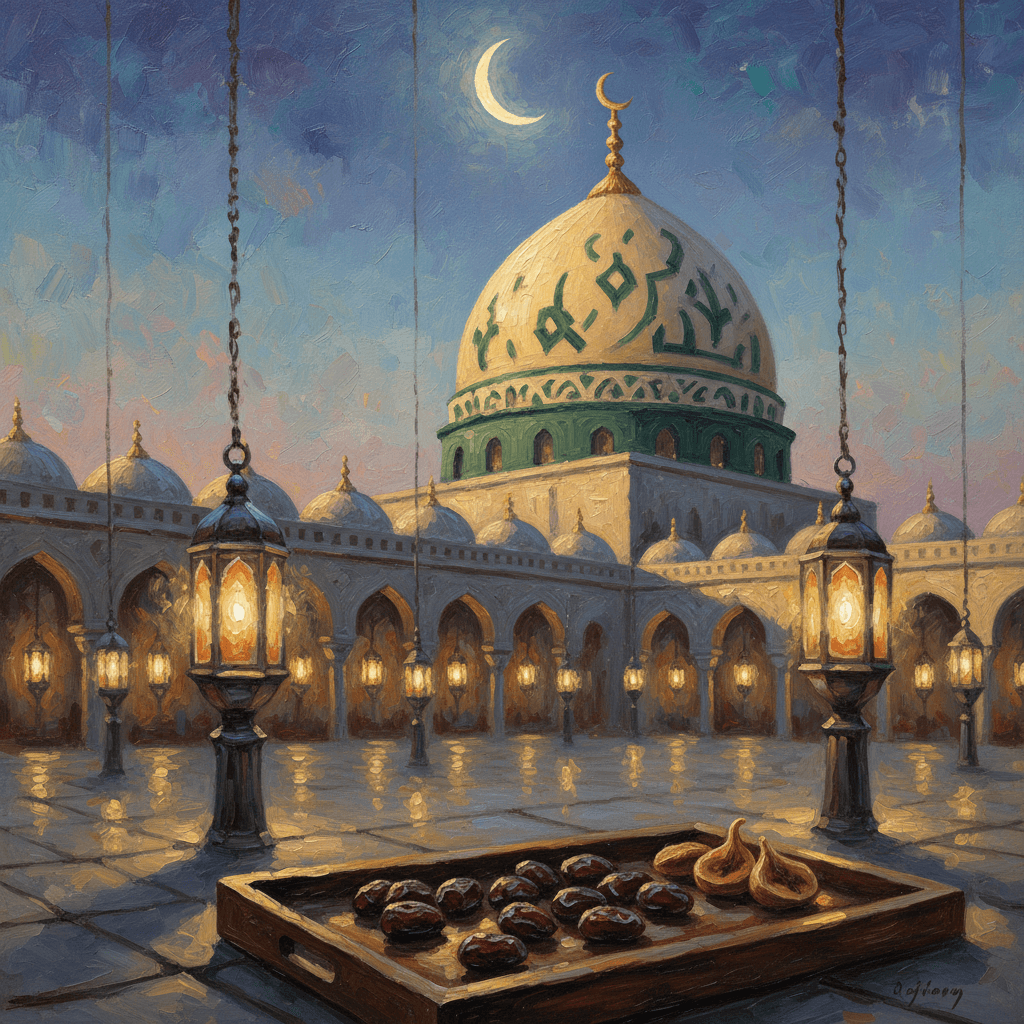
Ramadan has ended. Or the days of Dhul Hijjah and the Day of Arafah have passed. And somewhere in your sincere desire to hold on to the worship and discipline of those blessed seasons, the thought arises: should I keep fasting? Would fasting on Eid make the reward even greater?
This is actually one of the clearest rulings in all of Islamic law — and understanding why it is forbidden teaches something beautiful about how Islam views celebration, gratitude, and the balance of the deen.
The Quick Answer
Fasting on either Eid al-Fitr or Eid al-Adha is clearly prohibited — haram — in Islam. This is not a matter of scholarly debate. It is a direct prophetic prohibition, agreed upon by all four major schools of Islamic law.
نَهَى رَسُولُ اللَّهِ صَلَّى اللَّهُ عَلَيْهِ وَسَلَّمَ عَنْ صِيَامِ يَوْمَيْنِ: يَوْمِ الفِطْرِ وَيَوْمِ النَّحْرِ
"The Messenger of Allah, peace be upon him, forbade fasting on two days: the Day of Eid al-Fitr and the Day of Sacrifice (Eid al-Adha)."
This hadith is in Sahih al-Bukhari — the most rigorously authenticated hadith collection. The prohibition is explicit, unambiguous, and unanimous. Fasting on these days is not just disliked — it is forbidden.
What the Quran and Sunnah Say
Islam distinguishes carefully between days of fasting and days of celebration. The sacred calendar contains both, and the boundaries matter.
After completing the month of Ramadan, the Quran commands:
وَلِتُكْمِلُوا الْعِدَّةَ وَلِتُكَبِّرُوا اللَّهَ عَلَىٰ مَا هَدَاكُمْ وَلَعَلَّكُمْ تَشْكُرُونَ
"So that you may complete the prescribed period and glorify Allah for having guided you, and so that you may be grateful."
Allah commands completion — of the fast, followed by the takbir of Eid and gratitude. The sequencing is intentional: complete the fast, then celebrate. Extending the fast into Eid disrupts this divinely ordained sequence.
The Prophet ﷺ modeled this himself. He would eat before leaving for Eid al-Fitr prayer — specifically to break any possibility of continuing the fast — and would not eat before Eid al-Adha prayer until after the sacrifice. This was not accidental; it was deliberate prophetic practice marking the transition from fasting to celebration.
The Prophet ﷺ also described Eid as a day of eating and remembrance:
أَيَّامُ التَّشْرِيقِ أَيَّامُ أَكْلٍ وَشُرْبٍ وَذِكْرٍ لِلَّهِ
"The days of Tashriq are days of eating, drinking, and the remembrance of Allah."
The worship of Eid includes eating. That is a profound concept — that on these days, breaking bread with family, eating joyfully, and celebrating together is itself an act of obedience to Allah.
Why This Is Actually Hard
The nafs, when spiritually engaged, can produce confusion that looks like devotion. After a month of Ramadan fasting, continuing to fast can feel like maintaining closeness to Allah. The person who wants to fast on Eid is often someone who genuinely loves worship and finds fasting spiritually nourishing. Their instinct comes from a good place.
But this is exactly the kind of self-directed religious enthusiasm that the Prophet ﷺ cautioned against. The deen is not defined by what we think would be more worship — it is defined by what Allah and His Messenger actually prescribed. When the Prophet ﷺ explicitly forbids something, no amount of personal spiritual benefit overrides that prohibition.
The nafs also loves rules it invents for itself more than rules it receives. Extending Ramadan's discipline into Eid feels virtuous and disciplined. But it is actually a form of substituting your own judgment for prophetic guidance — which is the definition of religious overreach.
What to Do About It — Practical Steps
Step 1: Eat on the morning of Eid — it is a religious obligation. Before Eid al-Fitr prayer, eat an odd number of dates (the prophetic practice was three). This is Sunnah and simultaneously breaks any remaining fast. On Eid al-Adha, the Sunnah is to eat after the prayer, from the meat of your sacrifice. Eating is not just permitted — it is the religious practice of the day.
Step 2: If you have makeup Ramadan fasts outstanding, plan them for other days. The days after Eid are completely permissible for makeup fasting. You have until the next Ramadan to complete them, with scholars differing on whether it is obligatory to complete them before the next Ramadan begins. See dua for fasting for the intentions and duas for your makeup fasts.
Step 3: Channel the Ramadan momentum into post-Ramadan habits. The disappointment some people feel about Eid ending the fast — the desire to keep it going — is actually pointing to something important: they built good habits during Ramadan and do not want to lose them. Channel that into the six fasts of Shawwal (the month following Ramadan), which carry enormous reward. The Prophet ﷺ said:
مَنْ صَامَ رَمَضَانَ ثُمَّ أَتْبَعَهُ سِتًّا مِنْ شَوَّالٍ كَانَ كَصِيَامِ الدَّهْرِ
"Whoever fasts Ramadan and then follows it with six fasts of Shawwal, it is as if he fasted the entire year."
Six fasts of Shawwal — starting the day after Eid, not on Eid itself — carry this incredible reward. This is the legitimate channel for the post-Ramadan fasting impulse.
Step 4: Make Eid a day of genuine worship through celebration. Pray the Eid prayer, make takbir, visit family, give to the poor, make dua with gratitude. These are all acts of worship specifically for Eid. The worship of Eid looks different from Ramadan's worship — but it is no less real. See dua for Eid al-Adha and dua for Ramadan for the specific duas for these blessed seasons.
Step 5: Learn and share this ruling clearly. This is one of the rulings many Muslims are genuinely unaware of. If someone in your family plans to fast on Eid out of sincere devotion, share this information gently — you are doing them a favor by correcting a well-intentioned error.
Build the Year-Round Fasting Habits That Carry Ramadan Forward
DeenBack helps you track your voluntary fasting, Shawwal fasts, and Monday-Thursday fasting habits — keeping the Ramadan discipline alive through the whole year.


Free download. Premium features available in-app.
Dua of Gratitude on Eid
The primary dhikr of Eid is takbir:
اللَّهُ أَكْبَرُ اللَّهُ أَكْبَرُ لَا إِلَهَ إِلَّا اللَّهُ وَاللَّهُ أَكْبَرُ اللَّهُ أَكْبَرُ وَلِلَّهِ الْحَمْدُ
Allahu akbar, Allahu akbar, la ilaha illallah, wallahu akbar, Allahu akbar, walillahil-hamd
"Allah is the Greatest, Allah is the Greatest, there is no god but Allah. Allah is the Greatest, Allah is the Greatest, and to Allah belongs all praise."
This takbir — beginning from the night of Eid and continuing through the Eid prayer — is the specific dhikr prescribed for these days. It is the sound of gratitude for completing the fasting, for the guidance of Ramadan, and for the sacrifice of Eid al-Adha.
Common Questions
What if I did not know the ruling and fasted on Eid — is there a kaffarah (expiation) required?
Acting in ignorance of a prohibition reduces or eliminates the sin in most cases of Islamic law. There is no specific kaffarah required for having fasted on Eid without knowing the ruling. Repent sincerely for the violation of the prohibition (even unintentional) and make sure not to repeat it. Your Eid fast would not count as a voluntary fast, so it does not carry any reward to compensate for the prohibition.
Can I fast on the last day of Ramadan to make up a missed fast?
The last day of Ramadan is still within Ramadan — it is not Eid. You may fast on the last day of Ramadan. The prohibition begins with the confirmed sighting of the Eid moon, which marks the beginning of Shawwal (for Eid al-Fitr). Once Eid is confirmed, the fast is prohibited.
What if Eid falls on a Monday or Thursday — can I count it as my weekly voluntary fast?
No. The prohibition on Eid fasting supersedes any voluntary fasting schedule, including the prophetically recommended Monday-Thursday fasts. If your regular voluntary fast day falls on Eid, you skip it and eat. The prohibition is absolute for those two days.
What about the three days of Tashriq (11th, 12th, 13th of Dhul Hijjah)?
These three days following Eid al-Adha also carry a prohibition on fasting, with the exception noted for Hajj pilgrims who cannot find a sacrificial animal. They are described in the Sunnah as days of eating, drinking, and dhikr — the same celebratory framework as the Eids themselves. Do not fast on these days.
For context on the broader cycle of Islamic fasting and its blessed seasons, see dua for fasting, dua for Arafah, and dua for the last ten days of Ramadan.
Eid Is Worship — and Eating Is Part of It
This is perhaps the most beautiful aspect of the prohibition on Eid fasting: Allah is telling you that celebrating is an act of obedience. Eating with your family, sharing food, expressing joy and gratitude — on these two days, all of that is part of your worship.
Islam does not reward suffering for its own sake. It rewards obedience. And on Eid, obedience looks like celebration — takbir, prayer, food, family, gratitude. Embrace all of it, and leave the fast for the days that are actually prescribed for it.
Track Your Fasting Streaks Beyond Ramadan
DeenBack helps you maintain the six fasts of Shawwal, Monday-Thursday fasts, and other voluntary worship — so the Ramadan momentum carries forward in the right way, on the right days.
Free download. Premium features available in-app.
Frequently Asked Questions
Is fasting on Eid haram?
Yes — fasting on the two Eid days (Eid al-Fitr and Eid al-Adha) is clearly prohibited in Islam. The Prophet Muhammad (peace be upon him) explicitly forbade fasting on these two days. This prohibition is unanimous among all four major schools of Islamic law and applies to both voluntary and makeup (qada) fasting on these specific days.
What about the three days of Tashriq after Eid al-Adha — can I fast on those?
The three days of Tashriq (11th, 12th, and 13th of Dhul Hijjah following Eid al-Adha) are also days of eating, drinking, and remembrance of Allah. The Prophet prohibited fasting on these days as well, except for those performing Hajj who cannot find a sacrificial animal.
Can I make up missed Ramadan fasts on Eid?
No — the prohibition on fasting on Eid applies to all fasting, including makeup (qada) fasts. You cannot fulfill your obligation of making up missed Ramadan fasts on Eid al-Fitr or Eid al-Adha. Those makeup fasts should be done on other days.
What if someone is in the middle of a voluntary fast and Eid arrives unexpectedly?
If you began a voluntary fast and Eid is announced or confirmed that day, you must break your fast. The prohibition on Eid fasting takes priority. This applies even to a fast you started sincerely — eating on Eid is obligatory, not just permitted.
What is the wisdom behind prohibiting fasting on Eid?
Scholars point to several wisdoms: Eid is a day of celebration, gratitude, and communal joy — fasting would negate this festive character. Allah commands Muslims to complete Ramadan and then celebrate. The prohibition prevents people from extending Ramadan self-imposed beyond what Allah prescribed. Eid is a day of worship through joy and gratitude, not through fasting.