
- Published on
Dua for Eid al-Adha: Supplications for the Day of Sacrifice
- Authors

- Name
- Ahmad
- Role
- Senior Marketing Manager, Islamic education • Deen Back
بِسْمِ اللهِ الرَّحْمٰنِ الرَّحِيْمِ
In the name of God, the Most Gracious, the Most Merciful.
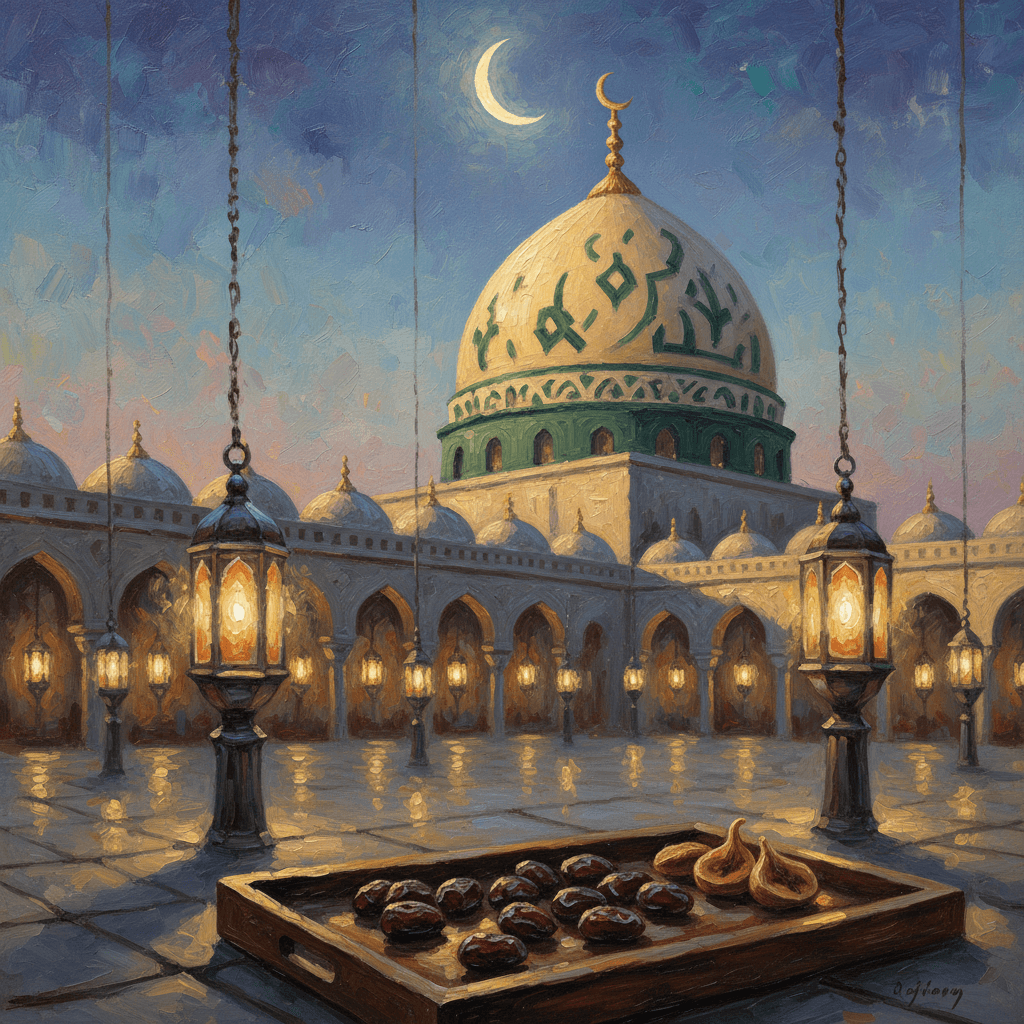
Eid al-Adha is not just a celebration. It is the conclusion of the ten greatest days of the year — the Days of Dhul Hijjah that the Prophet (peace be upon him) said are the days in which good deeds are more beloved to Allah than any other time.
The Day of Sacrifice, the 10th of Dhul Hijjah, arrives carrying the weight of Ibrahim's (peace be upon him) test, the completion of Hajj, and the udhiyah — the sacrifice that millions perform as an act of gratitude and submission. The dua on this day is not incidental. It is central.
Whether you are performing Hajj or celebrating at home, knowing what to say — and when, and why — turns Eid al-Adha from a day you observe into a day you actually live.
The Duas
The Takbeer: The Heart of Eid al-Adha
The defining dhikr of Eid al-Adha is the Takbeer al-Tashreeq, which begins at Fajr on the Day of Arafah (9th Dhul Hijjah) and continues until Asr on the 13th:
اللَّهُ أَكْبَرُ، اللَّهُ أَكْبَرُ، لَا إِلَهَ إِلَّا اللَّهُ، وَاللَّهُ أَكْبَرُ، اللَّهُ أَكْبَرُ، وَلِلَّهِ الْحَمْدُ
Allahu akbar, Allahu akbar, la ilaha illallah, wallahu akbar, Allahu akbar wa lillahil-hamd.
"Allah is the Greatest, Allah is the Greatest, there is no god but Allah, Allah is the Greatest, Allah is the Greatest, and to Allah belongs all praise." — (Hakim, Al-Mustadrak; authenticated by many scholars)
The Companions would say this takbeer aloud in the marketplace, at home, walking to the prayer ground. It was not confined to the masjid. It filled the air of the whole city. This is the sound of a community that has remembered who it belongs to.
The Eid Greeting
When you meet a fellow Muslim on Eid al-Adha, greet them with:
تَقَبَّلَ اللَّهُ مِنَّا وَمِنْكُمْ
Taqabbal Allahu minna wa minkum.
"May Allah accept from us and from you." — (Reported from the Companions; Ibn Hajar graded its chain as hasan in Fath al-Bari)
This is not just a social pleasantry. It is a dua — a prayer that Allah accepts the worship of both the person saying it and the person hearing it. The Days of Dhul Hijjah are about acceptance, and that greeting carries the essential ask.
Dua Before the Eid Prayer
There is no specific obligatory dua for entering the Eid prayer. However, the morning adhkar apply — including this supplication said each morning:
اللَّهُمَّ بِكَ أَصْبَحْنَا وَبِكَ أَمْسَيْنَا وَبِكَ نَحْيَا وَبِكَ نَمُوتُ وَإِلَيْكَ النُّشُورُ
Allahumma bika asbahna wa bika amsayna wa bika nahya wa bika namutu wa ilayka an-nushur.
"O Allah, by You we enter the morning and by You we enter the evening, by You we live and by You we die, and to You is the resurrection." — (Abu Dawud 5068)
On the morning of Eid al-Adha, this declaration carries extra weight.
Dua for the Udhiyah — Slaughtering the Sacrifice
If you are performing the sacrifice yourself, face the animal toward the Qiblah, say Bismillah, and make this dua:
بِسْمِ اللَّهِ، اللَّهُ أَكْبَرُ، اللَّهُمَّ هَذَا مِنْكَ وَلَكَ، اللَّهُمَّ تَقَبَّلْ مِنِّي
Bismillah, Allahu akbar, Allahumma hadha minka wa lak, Allahumma taqabbal minni.
"In the name of Allah, Allah is the Greatest, O Allah this is from You and for You, O Allah accept it from me." — (Abu Dawud 2795)
This is the dua the Prophet (peace be upon him) said when he slaughtered his sacrifice. If you are slaughtering for your family, add wa an ahli bayt — "and from my household" — as the Prophet also did.
Dua on the Day of Arafah — For Those Not at Hajj
The Day of Arafah (9th Dhul Hijjah) falls one day before Eid. For those not at Hajj, this day has a special supplication:
لَا إِلَهَ إِلَّا اللَّهُ وَحْدَهُ لَا شَرِيكَ لَهُ، لَهُ الْمُلْكُ وَلَهُ الْحَمْدُ وَهُوَ عَلَى كُلِّ شَيْءٍ قَدِيرٌ
La ilaha illallah wahdahu la sharika lahu, lahul-mulku wa lahul-hamdu wa huwa 'ala kulli shay'in qadir.
"There is no god but Allah alone, with no partner — to Him belongs the dominion, to Him belongs all praise, and He is over all things powerful." — (Tirmidhi 3585)
The Prophet (peace be upon him) said the best dua is the dua of Arafah, and the best thing he and the prophets before him said was this statement. Read more in the dua for Arafah guide.
The Story Behind It
Ibrahim (peace be upon him) was tested in the most intimate way possible — not with wealth or status, but with his son.
He had waited decades for a child. Ismail was finally born — the answered prayer. And then the dream came: sacrifice him. Ibrahim told his son. And Ismail, young and untested, said: Ifa'al ma tu'mar — "Do what you are commanded."
Allah did not want the blood. He wanted the surrender. When the knife was at Ismail's throat and Ibrahim had made his decision completely — that was the moment. Allah replaced the son with a ram, and called out: "You have fulfilled the vision."
The udhiyah is not a commemoration of a historical event. It is a re-enactment of the posture: everything I have is Yours, and I give it back to You when You ask. That is why the dua over the sacrifice says hadha minka wa lak — "this is from You and for You." Nothing we give up was ours to begin with.
How to Make Eid al-Adha a Day of Real Worship
Eid al-Adha is easy to celebrate and easy to consume — food, family, festivities — without much of the inner work. Here is how to make the day spiritually intentional:
Start before Eid: the Days of Dhul Hijjah:
The ten days before Eid are when the preparation happens. Increase your dhikr, fasting (especially on the Day of Arafah for non-pilgrims), giving, and dua during these days. By the time Eid arrives, your heart should already be warmed up, not cold.
Say the Takbeer out loud:
The Companions said it in the marketplace. You can say it in the car, on a walk, before leaving home. The Takbeer al-Tashreeq should fill your Eid morning — not just be said once quietly in the masjid.
Greet with meaning:
When you say Taqabbal Allahu minna wa minkum to someone, mean it. You are asking Allah to accept their worship. That is one of the most loving things you can say to a fellow Muslim.
Make the day of sacrifice a day of dua:
If you are arranging a sacrifice (whether you do it yourself or designate it), use that moment to make dua for everything you want Allah to accept — your prayers, your fasts, your family, your repentance. The dua before the slaughter is a portal. Use it.
Protect the spiritual gains after Eid:
The challenge is what happens from the 11th of Dhul Hijjah onward. The elevated state fades. The way to extend it is to take the habits you built during the ten days — consistent dhikr, morning and evening adhkar, fasting, giving — and continue at least some of them.
Track Your Dhul Hijjah Worship This Year
DeenBack helps you build and track your daily dua and dhikr during the blessed ten days of Dhul Hijjah — and keep the habit alive after Eid.


Free download. Premium features available in-app.
Related Duas
Dua for Arafah: The day before Eid al-Adha is one of the holiest days in Islam. Read the full guide on dua for Arafah and prepare to spend the 9th in intensive supplication.
Dua for morning: Eid morning begins like all mornings — with the morning adhkar. Say them before you check your phone, before the family is fully awake, before the day takes over.
Dua for protection: The days of Dhul Hijjah are days of intensified worship, including the dua for protection — which belongs in every morning and evening adhkar set, and especially during these holy days.
Dua for parents: Eid al-Adha is a day for family. Include your parents in your dua — the dua for parents is one of the most rewarding supplications you can maintain.
Common Questions
Should I fast on the Day of Eid al-Adha?
No. Fasting on the Day of Eid al-Adha (10th Dhul Hijjah) is prohibited. This is the day of eating, celebrating, and completing the acts of sacrifice. However, fasting on the Day of Arafah (9th Dhul Hijjah) is highly recommended for those not performing Hajj — the Prophet said it expiates the sins of two years. (Muslim 1162)
Is there a specific way to spend Eid morning before the prayer?
The Prophet (peace be upon him) would eat nothing before the Eid al-Adha prayer (in contrast to Eid al-Fitr, where he would eat dates first). He would bathe, dress well, say the Takbeer, and go to the prayer ground. These are the Sunnah practices of Eid morning. (Ibn Majah 1756)
Can I make dua for specific things during the Eid prayer?
The Eid prayer itself has its structure — extra takbeers, two rakahs, two khutbahs. Personal dua is best made before the prayer (in those quiet morning moments), or after the prayer and khutbah when you are in a state of completed worship and your heart is open.
What if I cannot afford the Udhiyah?
The sacrifice is a confirmed Sunnah for those who can afford it. If you genuinely cannot, you are not sinning by omission. Make dua, give whatever sadaqah you can on those days, and increase your dhikr. The door of reward is open in many forms.
Closing
Eid al-Adha arrives once a year. It comes with a story — Ibrahim's knife raised, Ismail's neck exposed, and both of them saying yes to Allah. The question it asks you is the same one it asked them: what do you hold back?
Use the duas of this day to answer honestly. Say the Takbeer with conviction. Greet people with sincerity. And when Eid ends, carry something from it forward — one habit, one dhikr, one act of surrender that you continue after the celebration fades.
Make Every Eid Count With Daily Dua Habits
DeenBack helps you build the dhikr and dua habits that make sacred days like Eid al-Adha feel the way they are meant to feel — every day, not just once a year.
Free download. Premium features available in-app.
Frequently Asked Questions
What is the takbeer for Eid al-Adha?
The takbeer for Eid al-Adha is: Allahu akbar, Allahu akbar, la ilaha illallah, wallahu akbar, Allahu akbar wa lillahil-hamd. It is said from Fajr on the Day of Arafah (9th Dhul Hijjah) until Asr on the 13th of Dhul Hijjah, after every obligatory prayer.
Is there a special dua for Eid al-Adha morning?
The morning of Eid is part of the blessed days of Dhul Hijjah. Say the Eid takbeer, the morning adhkar, and make personal dua freely before heading to the Eid prayer. The period before sunrise on Eid morning is a powerful time for supplication.
What do you say when greeting someone on Eid al-Adha?
The companions of the Prophet (peace be upon him) would greet each other by saying: Taqabbal Allahu minna wa minkum — May Allah accept from us and from you. This is the authentic Eid greeting narrated in authentic reports.
What dua is said after the Eid prayer?
There is no specific dua mandated after Eid prayer in an authentic narration. After the prayer and the two khutbahs, make personal dua freely — this is an excellent moment as you are in a state of worship and congregation. Ask for whatever is on your heart.
What is the dua for slaughtering the Udhiyah (sacrificial animal)?
When slaughtering the animal, say: Bismillah, Allahu akbar, Allahumma hadha minka wa lak, Allahumma taqabbal minni — In the name of Allah, Allah is Greatest, O Allah this is from You and for You, O Allah accept it from me. This is narrated in Abu Dawud 2795.