
- Published on
How to Protect Yourself from the Evil Eye in Islam
- Authors

- Name
- Ahmad
- Role
- Senior Marketing Manager, Islamic education • Deen Back
بِسْمِ اللهِ الرَّحْمٰنِ الرَّحِيْمِ
In the name of God, the Most Gracious, the Most Merciful.
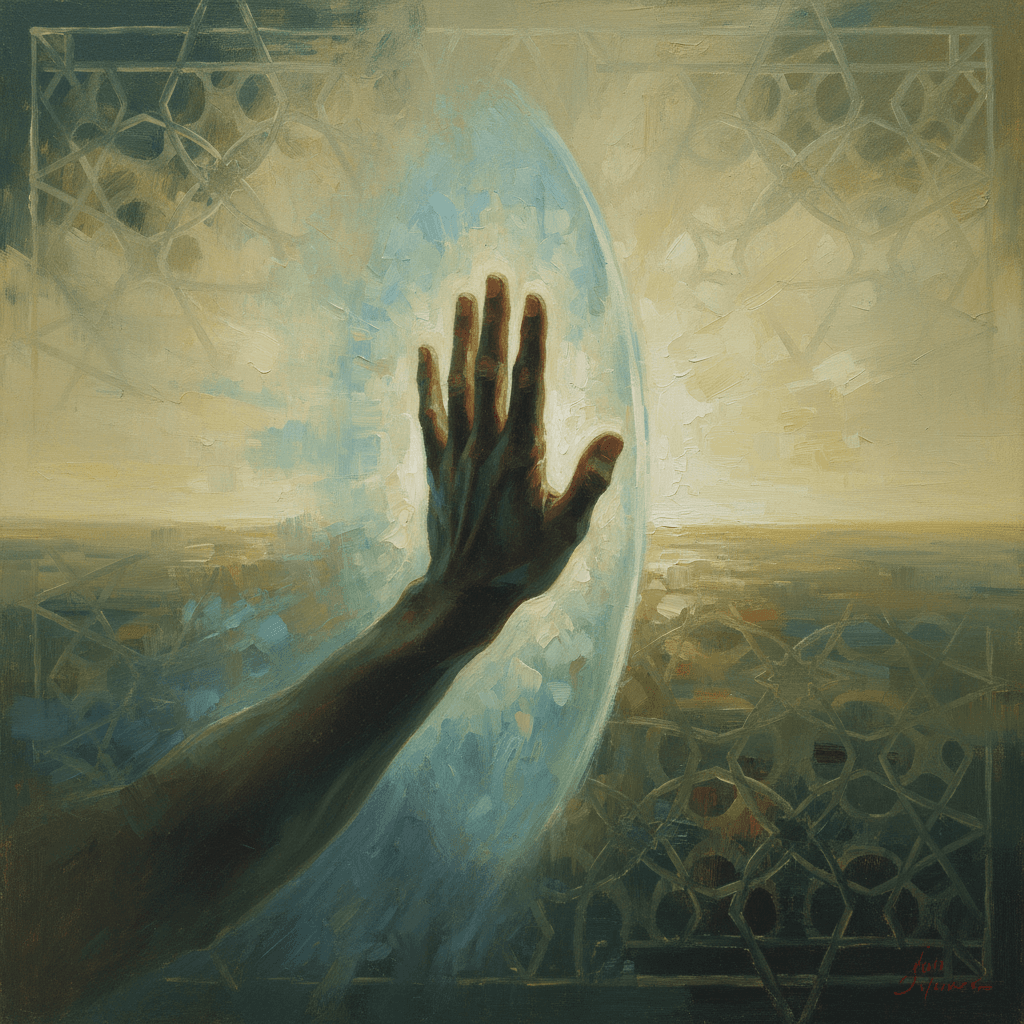
You accomplished something good. A new job, a healthy baby, a beautiful home. And then, days later, something felt off. You cannot name it exactly — just a heaviness, a run of bad luck, an unexplained unease.
You are not imagining it. The evil eye (al-'ayn) is real. The Prophet ﷺ said so plainly. And Islam gave us specific, tested, and powerful tools to protect against it — not vague advice, but actual daily practices with narrations behind them.
The problem is that most Muslims know about the evil eye but do not actually build consistent protection into their daily lives. Knowing about it and being protected from it are two very different things.
Why This Protection Matters More Than You Think
The Prophet ﷺ left no ambiguity:
"The evil eye is real, and if anything were to overtake the decree, it would be the evil eye."
— (Sahih Muslim 2188)
This is significant. The Prophet is saying that among all things in existence, the evil eye comes closest to altering divine decree. Not magic, not human power — the eye. That is how seriously Islam takes it.
The Companions asked about the evil eye, and the Prophet taught specific supplications and practices in response. These were not optional extras — they were instructions from the most trusted source we have.
Step-by-Step: Your Daily Protection Practice
Step 1 — Morning Adhkar (After Fajr)
The morning adhkar are your first and most important line of defense. After Fajr, recite:
- Bismillahil-ladhi la yadurru ma'asmihi shay'un fil-ardi wa la fis-sama'i wa huwas-sami'ul-'alim (three times)
"In the name of Allah, by whose name nothing in the earth or sky can cause harm, and He is the All-Hearing, All-Knowing."
— (Abu Dawud 5088, Ibn Majah 3869 — view on sunnah.com)
The hadith states: whoever says this three times in the morning, nothing will harm them until evening. This is not poetry — it is a prophetic guarantee.
Step 2 — Recite the Three Quls Three Times
After the morning bismillah adhkar, recite Surah Al-Ikhlas, Al-Falaq, and An-Nas three times each.
The Prophet told Abu Hurayrah to recite these three surahs every morning and every evening, saying they protect from everything. (Tirmidhi 3575) The fact that Al-Falaq and An-Nas directly mention seeking refuge from the harm of an envier confirms they address the evil eye specifically.
Step 3 — Ayatul Kursi After Every Prayer
Make this non-negotiable. After every fard salah, before you get up from your prayer mat, recite Ayatul Kursi once.
The Prophet said: "Whoever recites Ayatul Kursi after every prescribed prayer, nothing prevents them from entering Jannah except death." (Al-Nasa'i, authenticated). Protection in this life and the next — from one ayah, thirty seconds, five times a day.
Step 4 — Evening Adhkar (After Maghrib)
Repeat the morning routine after Maghrib — the three Quls (three times each) and the bismillah protection dua. The morning-evening pairing seals your day on both ends.
Step 5 — Protect What You Love
For your children, your home, your wealth — say this specific supplication from the Sunnah:
أُعِيذُكَ بِكَلِمَاتِ اللَّهِ التَّامَّةِ مِنْ كُلِّ شَيْطَانٍ وَهَامَّةٍ، وَمِنْ كُلِّ عَيْنٍ لاَمَّةٍ
A'udhu bikalimatillahit-tammati min kulli shaytanin wa hammah, wa min kulli 'aynin lammah
"I seek refuge in the perfect words of Allah from every devil, harmful creature, and every evil eye."
— (Sahih Bukhari 3371 — view on sunnah.com)
The Prophet used this same dua for Hasan and Husayn. Say it over your children before they sleep.
Step 6 — Say MashaAllah Proactively
When you see something beautiful in your own life or someone else's, say MashaAllah la quwwata illa billah (What Allah wills — there is no power except with Allah). This is Quranic: when the man of the two gardens saw his beautiful orchard, his companion urged him to say this (Surah Al-Kahf, 18:39). It is both gratitude and protection.
Step 7 — Say Bismillah Before Sharing Good News
Before you announce a blessing publicly — a pregnancy, a promotion, a new home — say Bismillah and ask Allah to protect what He gave you. Not out of fear, but out of adab (proper etiquette) with Allah's gifts.
Track Your Daily Protection Adhkar
DeenBack helps you build the morning and evening adhkar habit that forms your daily shield — streak tracking keeps you consistent even on the busiest days.


Free download. Premium features available in-app.
Making the Protection a Habit, Not a Reaction
Most people only remember the evil eye protection when something has already gone wrong. That reactive approach is like putting on your seatbelt after the accident. The goal is a daily routine so consistent it becomes invisible.
Anchor to salah. Five prayers, five opportunities. Ayatul Kursi after each one takes thirty seconds. That is all.
Morning adhkar before your phone. Before scrolling — before even coffee — do the morning adhkar. It takes under ten minutes for the full set. This single rule changes everything.
Use a tracker. There is something psychologically powerful about seeing a streak grow. It is not about numbers for their own sake — it is about building the evidence that you are someone who does this daily.
See how to make dhikr a daily habit for a deeper guide to building these routines into your day automatically.
Common Mistakes That Leave You Exposed
Only doing it when worried. The protection duas are preventive, not curative. By the time you feel the effects of the evil eye, you needed to have been consistent before it happened.
Reciting without presence. Rushing through the three Quls with your mind elsewhere reduces their impact. Even thirty seconds of focused recitation is better than three minutes of distracted mumbling.
Thinking piety is enough. The Prophet ﷺ himself was affected by the evil eye and required ruqyah. Taqwa is not a shield on its own — the specific prophetic means are the means, and believers are supposed to take the means.
Forgetting the evening. Morning only leaves you half-protected. The Sunnah pairing of morning and evening adhkar is deliberate — it closes the gap.
Common Questions
Do I have to understand Arabic for the duas to work? The duas work through their meaning and your sincerity with Allah — not through phonetic magic. But learning the translation deepens your connection. Start with meaning, let the Arabic follow.
Should I tell people about my blessings at all? Yes. Gratitude and sharing joy are encouraged. The protection is not secrecy — it is remembering Allah in the sharing. Say MashaAllah, say Alhamdulillah, ask for Allah's protection on the blessing, then share freely.
What if I do not know who gave me the evil eye? Most of the time you cannot know. That is why the prophylactic approach — daily consistent adhkar — is far more practical than trying to identify a source. Focus on what you can control: your daily routine.
Start Building Your Shield Today
You cannot control what other people's eyes carry. You cannot prevent admiration, envy, or even well-meaning appreciation that carries harm. What you can control is whether you have built your daily spiritual protection or not.
The Prophet gave us every tool we need. The three Quls, Ayatul Kursi, the morning and evening adhkar — these are not rituals without meaning. They are real means with prophetic attestation.
For more on specific protective supplications, see dua for protection and dua for the evil eye. For the Quranic surah most directly addressing this protection, see surah for the evil eye.
Your Daily Evil Eye Protection Routine
Build and track your morning and evening adhkar with DeenBack — the app that helps you stay consistent with the prophetic protection practices, day after day.
Free download. Premium features available in-app.
Frequently Asked Questions
Is the evil eye real in Islam?
Yes. The Prophet confirmed it explicitly: 'The evil eye is real, and if anything were to overtake the decree, it would be the evil eye.' (Sahih Muslim 2188). Believing in it is not superstition — it is accepting what the Prophet taught.
What is the best protection from the evil eye in Islam?
The three Quls — Surah Al-Ikhlas, Al-Falaq, and An-Nas — recited three times each morning and evening are among the most powerful protections. Ayatul Kursi after every prayer and the morning/evening adhkar complete the shield.
Can the evil eye affect you if you are pious?
Yes. The Prophet himself was affected by the evil eye. Piety does not make you immune — consistent practice of the protective adhkar does. Tawakkul (reliance on Allah) combined with taking these means is the believer's approach.
What should I do if I think I have been affected by the evil eye?
Recite Ayatul Kursi, the three Quls, and the ruqyah duas. Ask the person who may have given the evil eye to perform wudu and use the water — this is a Sunnah remedy. Seek Allah's healing through consistent adhkar and, if symptoms persist, consult a knowledgeable practitioner.
How do I protect my children from the evil eye?
The Prophet used to seek Allah's protection for Hasan and Husayn using specific words. Recite over your children before they sleep: 'A'udhu bikalimatillahit-tammati min kulli shaytanin wa hammah, wa min kulli aynin lammah.' Teach children the three Quls as early as possible.