
- Published on
Dua for the Islamic New Year: Beginning Muharram With Intention
- Authors

- Name
- Ahmad
- Role
- Senior Marketing Manager, Islamic education • Deen Back
بِسْمِ اللهِ الرَّحْمٰنِ الرَّحِيْمِ
In the name of God, the Most Gracious, the Most Merciful.
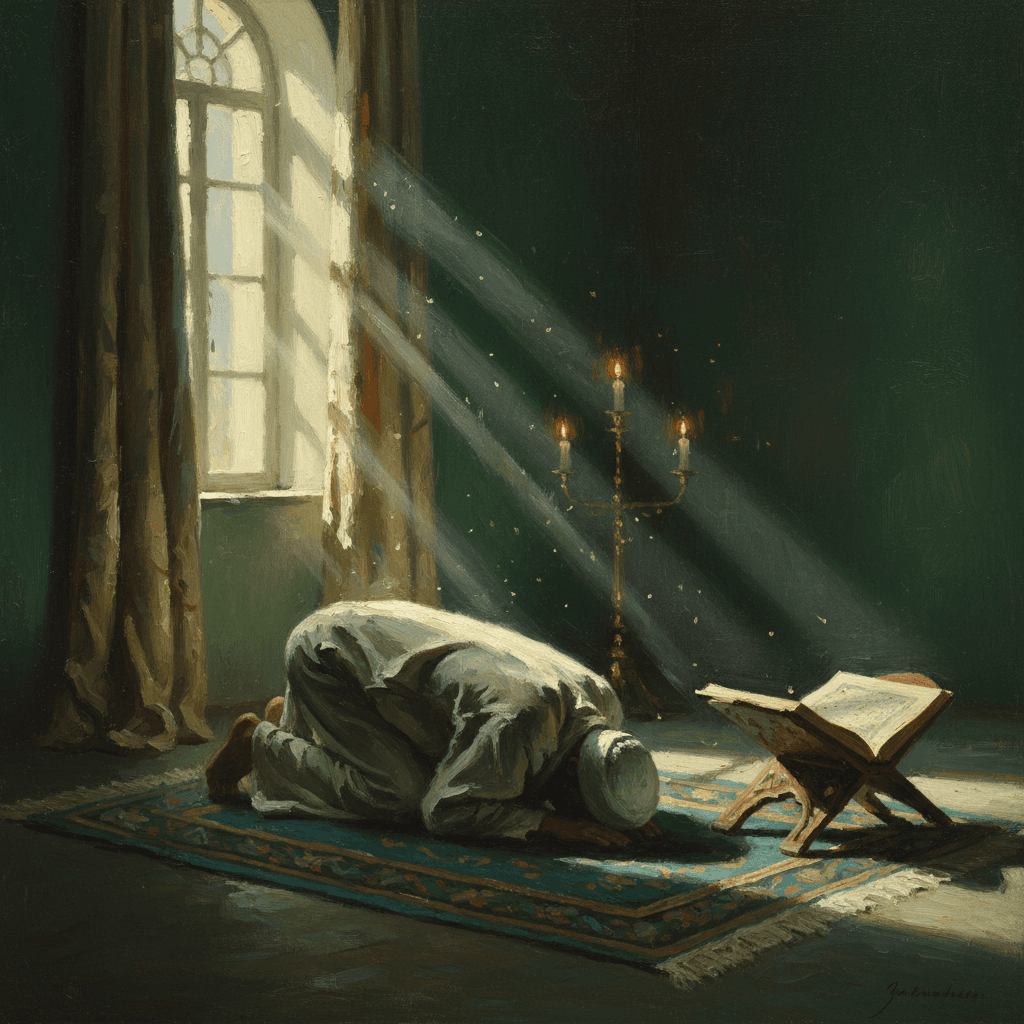
There is something in the human heart that responds to new beginnings. The turn of a calendar, the first of a month, the start of a season — these moments feel like permission to start fresh, to leave behind what failed and try again with clearer intention.
The Islamic calendar offers its own moment of this kind: the beginning of Muharram, the first month of the Hijri year. And unlike the Gregorian new year, which often comes with a frenzy of arbitrary resolutions, the Islamic tradition gives this threshold a specific spiritual weight — and specific tools for crossing it well.
The dua for the Islamic new year is not about celebrating the date. It is about using the beginning of a new year as the Muslims of the earliest generations used every new beginning: as an occasion for honest accounting, deliberate intention, and fresh appeal to Allah for the capacity to live the year differently than the last.
The Dua for a New Beginning in Islam
اللَّهُمَّ أَهِلَّهُ عَلَيْنَا بِالْأَمْنِ وَالْإِيمَانِ، وَالسَّلَامَةِ وَالْإِسْلَامِ، وَتَوْفِيقٍ لِمَا تُحِبُّ وَتَرْضَى
Allahumma ahlilhu 'alayna bil-amni wal-iman, was-salamati wal-Islam, wa tawfiq lima tuhibbu wa tarda
"O Allah, let this begin upon us with security and faith, safety and Islam, and with success in what You love and approve."
— (Tirmidhi 3451 — reported for the new moon; the scholars apply the same intention to any new period or beginning)
This dua asks for four things at the start of the new year: amn (security — safety from harm), iman (faith — an increase in your connection to Allah), salamah (wellbeing — physical and spiritual health), and tawfiq (success in what Allah loves — the alignment of your actions with His pleasure).
Notice that the dua does not ask for wealth, status, or specific worldly outcomes. It asks for the interior and spiritual conditions that make any year good regardless of what it brings: security, faith, health, and the ability to do what pleases Allah.
A Second Dua — For Seeking Refuge as the Year Ends
أَعُوذُ بِكَلِمَاتِ اللَّهِ التَّامَّاتِ مِنْ شَرِّ مَا خَلَقَ
A'udhu bikalimatiLlahit-tammati min sharri ma khalaq
"I seek refuge in the perfect words of Allah from the evil of what He has created."
— (Sahih Muslim 2708 — the prophetic dua for protection, especially fitting as one period ends and another begins)
As the old year closes and the new one opens, seeking refuge from all created harms is a comprehensive spiritual act of beginning again under Allah's protection.
The Story Behind This Season
The month of Muharram is one of the four sacred months in Islam — the months in which the prohibition on fighting was intensified in the early Quran. The Prophet ﷺ called it "the month of Allah" (Shahru Allah), and specifically singled out fasting in this month as the best voluntary fast after Ramadan (Sahih Muslim 1163).
Muharram also contains the day of Ashura — the tenth — which the Prophet found the Jews of Medina fasting on when he arrived there. They told him it was the day Allah saved Musa from Pharaoh. The Prophet's response: "We have more right to Musa than you do" — and he fasted and instructed the Muslims to fast. He then said the following year he would add the ninth, to distinguish Muslim practice from the Jewish observance.
The spiritual meaning of Ashura is therefore connected to liberation — the story of a people being saved from an oppressor, a prophet being vindicated, and a community receiving mercy after years of suffering. Beginning the Islamic year with that commemoration is, in a sense, a reminder that this year — like every year — is in the hands of the One who can bring liberation from whatever is oppressing you.
The concept of Hijra — migration — also lies beneath the Hijri calendar itself. The Islamic calendar begins not from the Prophet's birth, not from the revelation, but from the moment of the Hijra — the community's decisive move from a place of oppression to a place where the faith could be lived fully. Every new Hijri year is, symbolically, an invitation to make your own hijra — from old habits to new ones, from sins to repentance, from spiritual stagnation to renewed movement toward Allah.
How to Use the Islamic New Year as a Spiritual Reset
The Islamic tradition does not prescribe a specific ritual for the new year. What it does prescribe — and what the scholars have consistently recommended as the best use of this transition — is a three-stage process.
Muhasabah: honest self-review. Before making dua for the new year, sit with the old one. What major spiritual failures marked the past twelve months? What good did you intend and not do? What habits strengthened and which ones weakened? The purpose of this accounting is not guilt — it is information. You need to know what you are asking Allah to help you change.
Tawbah: specific repentance. Not a general "forgive me for everything" — but specific acknowledgment of the specific major failings you identified in muhasabah. The Prophet taught that sincere tawbah requires naming the sin honestly, feeling genuine remorse, stopping the sin, and intending not to return to it. The new year is the natural moment to make this specific and sincere.
'Azm: firm intention for change. Pick one or two things you genuinely intend to change this year — not ten. The Prophet consistently emphasized that the most beloved deeds to Allah are those that are small and consistent: "Even if they are few" (Sahih Muslim 782). What is the one daily habit of worship you will establish this year? What is the one haram habit you will work to leave?
Make the dua as an opener, not a replacement. Say Allahumma ahlilhu 'alayna bil-amni wal-iman at the beginning of Muharram — and then return to the specific duas that support your specific intentions for the year. If you are seeking a fresh start from past failures, revisit the specific supplications for renewal and reconnection with Allah. If you intend to establish a daily Fajr habit, link your new-year intention to a concrete daily practice starting the very next morning.
Fast on Ashura. This is the clearest prophetic recommendation for the month. Fast the tenth, and ideally the ninth as well. This is the single act that has the most direct prophetic endorsement for Muharram: "I hope Allah will expiate the previous year's sins through it." (Sahih Muslim 1162)
Begin the Islamic Year With a Daily Worship Habit You'll Actually Keep
DeenBack helps you build the consistent dua and dhikr streaks that transform new-year intentions into a year of real spiritual progress — one small habit at a time.


Free download. Premium features available in-app.
Related Duas for New Beginnings and Protection
The dua for a fresh start is the companion for the interior work of beginning again after failures. The dua for new opportunities covers the spirit of a new year as a door opening. For the specific context of Muharram and its sacred months, dua for muharram gives the targeted supplications for this holy month. The comprehensive protective practice for a new beginning is the dua for protection — the morning and evening adhkar that create daily spiritual safety. And for building the habits that will make the intentions real, how to build daily Islamic habits is the practical guide.
Common Questions About the Islamic New Year
Should Muslims make resolutions for the Islamic new year?
The Islamic equivalent is closer to intentions than resolutions. A resolution is a promise to yourself, often driven by social pressure. An Islamic intention (niyyah) is made before Allah, grounded in tawbah and sincere desire to change. The difference matters: when you fail a resolution, the only consequence is shame. When you fail an intention made before Allah, you can also make tawbah and begin again. The process is more forgiving and more serious at the same time.
How is the Islamic new year different from the Gregorian new year in how I should mark it?
The Islamic new year is marked by worship and reflection, not celebration. There is no prescribed festivity — the religious occasions in Islam for joy and communal gathering are the two Eids. Muharram is a sacred month, which means it is a time for increased worship, including the recommended fast, not a time for parties. That said, acknowledging the new year with dua and intention is appropriate and encouraged.
What if I already failed my spiritual goals from last year?
This is exactly the right condition for the new year's dua. The Islamic calendar's beginning in Muharram — a month associated with liberation and mercy — is specifically suited to the person who feels they have been spiritually stuck or failing. Tawbah is always available. The door is always open. Begin again.
Can non-Arabs make the new year dua in their own language?
Yes. Making the dua sincerely in your own language while learning the Arabic is valid and encouraged. The Arabic preserves precision and has a quality of barakah from being the language of revelation, but Allah understands every language and knows every heart.
Begin Here
Every new Islamic year is, at its root, an invitation. An invitation to look honestly at the past year, make sincere repentance, set a clear intention, and ask Allah to let this one be different — more aligned with what He loves, more useful to those around you, more honest about who you are and who you are trying to become.
Allahumma ahlilhu 'alayna bil-amni wal-iman, was-salamati wal-Islam, wa tawfiq lima tuhibbu wa tarda. Let this year begin with faith and safety and the capacity to do what You love.
That is a prayer worth making. And then, tomorrow — and the day after — making the daily habits that give it a fighting chance.
Turn Your New-Year Intention Into a Year of Daily Consistency
DeenBack tracks your daily dua and worship habits throughout the year — so that the intention you make in Muharram becomes a living practice, not just a hope.
Free download. Premium features available in-app.
Frequently Asked Questions
Is there a specific dua for the Islamic new year?
The most authentic dua for welcoming a new period is adapted from the new moon dua: Allahumma ahlilhu 'alayna bil-amni wal-iman, was-salamati wal-Islam, wa tawfiq lima tuhibbu wa tarda — O Allah, let this begin upon us with security and faith, safety and Islam, and with success in what You love and approve (Tirmidhi 3451, reported for the new moon and applicable to new beginnings).
Do Muslims celebrate the Islamic new year?
There is no prescribed celebration for the Islamic new year in the Sunnah — no specific prayer, fast, or gathering that was established by the Prophet ﷺ. However, scholars encourage making the occasion a moment for reflection, intention-setting, and increased worship — particularly fasting in Muharram, which the Prophet called the best voluntary fast after Ramadan.
What is the best act of worship to start the Islamic new year?
Fasting in Muharram — particularly on the 10th (Ashura) and ideally the 9th as well. The Prophet ﷺ said: The best voluntary fast after Ramadan is in the month of Allah, Muharram (Sahih Muslim 1163). Starting the year with a fast combines gratitude, spiritual discipline, and the prophetic recommendation for this sacred month.
How do I use the Islamic new year for personal spiritual renewal?
Three practices: muhasabah (honest self-review of the past year), tawbah (specific repentance for the sins identified), and 'azm (firm intention to change specific things). These are the Islamic tools for new beginnings and they work whether you use the Hijri calendar or any other marker of a new period in your life.