
- Published on
Dua for Healing Trauma: Islamic Supplication for Deep Recovery
- Authors

- Name
- Ahmad
- Role
- Senior Marketing Manager, Islamic education • Deen Back
بِسْمِ اللهِ الرَّحْمٰنِ الرَّحِيْمِ
In the name of God, the Most Gracious, the Most Merciful.
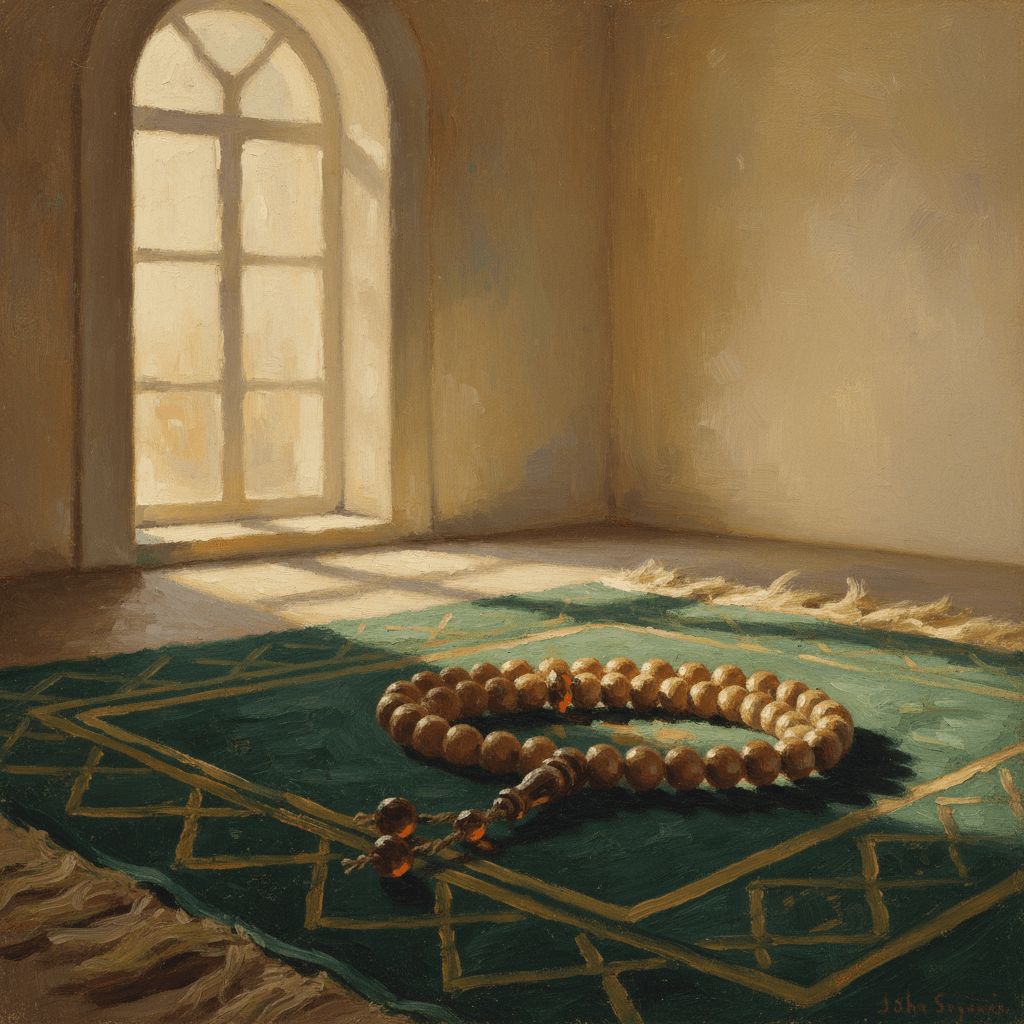
Some wounds do not heal on their own timeline. You do your best to move on. You try to leave the past behind. But certain experiences — profound loss, betrayal, violence, years of sustained hardship — leave marks that regular coping does not fully reach.
Trauma is not a sign of weak faith. It is a sign that you are human and that something genuinely hard happened to you. The Prophets and the Companions experienced it too — grief that lasted years, fears that lingered, losses that changed them permanently. What Islam provides is not immunity from trauma but a spiritual framework for healing that reaches places the mind alone cannot access.
The duas for healing are not magic formulas. They are honest cries from a wounded heart to the only One who can reach into the deepest parts of what has been damaged and begin restoring it — sometimes gradually, sometimes in ways you cannot trace, but always with a mercy that does not run out.
The Primary Dua for Healing Trauma — Prophet Ayyub's Supplication
رَبِّ أَنِّي مَسَّنِيَ الضُّرُّ وَأَنتَ أَرْحَمُ الرَّاحِمِينَ
Rabb-ni anniy massaniyad-durru wa anta arhamur-rahimin
"O my Lord, suffering has indeed touched me, and You are the Most Merciful of the merciful."
— (Quran, Surah Al-Anbiya, 21:83)
This dua has three qualities that make it particularly powerful for trauma: it is honest (it names the suffering directly), it is not self-condemning (it does not say "I deserve this"), and it appeals to Allah's mercy rather than demanding an outcome.
Notice the structure: "suffering has touched me" — not "I am suffering" as a permanent state of identity, but "this has reached me." And then immediately: "You are the Most Merciful of the merciful." Not a demand, not a complaint. A statement about who Allah is, and an implicit request that He act according to that mercy now.
A Second Dua — Seeking Refuge from Grief and Despair
اللَّهُمَّ إِنِّي أَعُوذُ بِكَ مِنَ الْهَمِّ وَالْحَزَنِ
Allahumma inni a'udhu bika minal-hammi wal-hazan
"O Allah, I seek refuge in You from worry and grief."
— (Sahih Bukhari 6363 — part of the comprehensive supplication the Prophet ﷺ himself recited regularly)
Hamm is worry about what might happen. Hazan is grief about what already has. Together, they describe the two temporal dimensions of trauma: the past wound and the ongoing fear it generates. The Prophet did not separate these — he sought refuge from both together, because they are often two faces of the same experience.
The Story Behind This Dua
Prophet Ayyub (peace be upon him) is the Quranic model for long-term affliction. The scholars say he was tried with illness, loss of wealth, and the deaths of his children — suffering that lasted, by various accounts, either seven or eighteen years. He did not receive a fast resolution or a dramatic miracle in the first month.
What the Quran preserves for us is not the moment of rescue — it is the dua that preceded it. One verse of honest petition to Allah, combining honesty about the reality of his suffering with a statement of trust in Allah's mercy. And then: "We responded to him and removed what afflicted him, and We restored his family to him and the like thereof along with them." (21:84)
The response was complete. The restoration was real. But the path went through the dua — through the honest naming of the wound and the appeal to divine mercy.
The Prophet ﷺ also said: "Strange is the matter of the believer. His entire affair is good for him — and this is not the case for anyone else. If good reaches him, he thanks Allah, and that is good for him. If harm reaches him, he is patient, and that is good for him." (Sahih Muslim 2999) This is not toxic positivity. This is a reframe of what healing can look like — not just the removal of suffering, but what happens within you while you carry it.
How to Build a Daily Healing Practice Around These Duas
Healing from trauma through dua is not a one-time event. It is a sustained practice that gradually shifts your relationship to what happened — from something that defines you to something you have brought to Allah and placed in His care.
Start with Prophet Ayyub's dua every morning. Immediately after waking, or after Fajr, say Rabb-ni anniy massaniyad-durru wa anta arhamur-rahimin three times. Name what is hurting you specifically in your own words after it: "Ya Allah, the wound of [what happened] is still here. You are the Most Merciful. Please be merciful with me in this." The specificity matters — it creates an ongoing conversation rather than a ritual recitation.
Use the comprehensive anxiety dua as an interrupt. When trauma responses are triggered during the day — flashbacks, sudden grief, hypervigilance, numbness — say Allahumma inni a'udhu bika minal-hammi wal-hazan and physically pause. Change positions if you can. The prophetic advice for anxiety includes changing your physical state (making wudu, lying down if standing, standing if lying), and the dua functions as an anchor that interrupts the triggered state.
Build regular Quran recitation into the recovery. Allah describes the Quran: "We send down of the Quran that which is healing and mercy for the believers." (Surah Al-Isra, 17:82). Fifteen minutes of Quran daily — even just listening if reading feels too difficult — is one of the most consistently reported spiritual tools for the kind of deep restoration that trauma requires. Start with Surah Al-Inshirah (94) — the chapter literally named about the expansion of the chest after difficulty.
Allow for small steps and non-linear progress. The healing of Prophet Ayyub was complete in the Quran — but the story does not pretend the years of suffering were easy or that he was healed incrementally on a tidy schedule. Your practice does not need to feel like linear progress. Some days the dua will open something. Other days it will feel like words in the dark. Both are part of the process.
Seek professional support alongside the spiritual practice. The Prophet's model was always to use both spiritual and worldly means. For trauma, this often means a therapist or counselor who understands your needs. The dua is not a substitute for that — it is the spiritual dimension of a recovery that has multiple dimensions.
Build the Daily Supplication Practice That Supports Your Healing
DeenBack tracks your daily dua and dhikr habits — helping you stay consistent with the morning and evening practice that creates the spiritual container for long-term healing.


Free download. Premium features available in-app.
Related Duas for Deep Affliction and Recovery
For the specific experience of emotional darkness that accompanies trauma, the dua for dark times covers the supplications for when things feel spiritually and emotionally bleak. When trauma has led to depression, the dua for lifting depression addresses the overlapping spiritual symptoms. For the mental health dimension of trauma recovery, dua for mental health gives a broader set of supplications for psychological wellbeing. When you are ready to envision a different life beyond what happened, dua for a fresh start carries the intention of beginning again, and the dua of Prophet Ayyub gives the full context and story behind the primary supplication used here.
Common Questions About Dua and Trauma Recovery
Why does Allah allow trauma to happen to believers?
The Quran directly addresses this: "And We will surely test you with something of fear and hunger and a loss of wealth and lives and fruits, but give good tidings to the patient" (2:155). Trial is not a sign of abandonment — it is part of the believer's journey. The Prophet said those most severely tested are the prophets, then those most like them in righteousness. Trauma often shapes people in ways that ease never could.
What if I am angry at Allah for what happened?
Bring the anger to Him. The Psalms of the Quran — the duas of the prophets — are often cries of raw emotional honesty to Allah. Prophet Musa expressed his feelings to Allah directly. Prophet Ibrahim questioned. The scholars say that honest emotional expression in dua, even when it includes confusion or anger, is better than silence or spiritual withdrawal. Allah is not fragile. He can hold your anger.
Is it betraying my recovery to still feel the trauma after years of dua?
No. Healing is not binary. Some wounds leave scars that remain sensitive even after genuine recovery. The goal of the dua practice is not the elimination of all memory or feeling — it is the transformation of your relationship to what happened, so that it does not control your life or block your access to Allah. That transformation can happen even when the memory remains.
The Mercy That Reaches Where Nothing Else Does
Trauma touches something in you that is deeper than your thinking mind — it is held in the body, in the nervous system, in a part of you that responds before you can reason. Human support, therapy, and time can all help. But they cannot reach the deepest level of what a soul holds.
The dua for healing — Rabb-ni anniy massaniyad-durru wa anta arhamur-rahimin — is a direct cry to the One whose mercy has no limit and whose reach has no boundary. It is not a guarantee of a specific outcome on a specific timeline. It is a conversation with Allah about the wound you carry, and an invitation for His mercy to enter it.
Say it this morning. And again tomorrow. And the morning after that. Healing often happens slowly, in layers — and the dua is what keeps you turned toward the One who is making it possible.
Stay Consistent With the Practice That Supports Your Recovery
DeenBack helps you build and track the daily dua habits that keep you spiritually anchored during recovery — one morning, one evening, one prayer at a time.
Free download. Premium features available in-app.
Frequently Asked Questions
Is there a specific dua for healing emotional trauma in Islam?
The dua of Prophet Ayyub — Rabb-ni massaniyad-durru wa anta arhamur-rahimin — O my Lord, suffering has touched me, and You are the Most Merciful of the merciful (Quran 21:83) — is the foundational supplication for deep affliction and long-term suffering. Allah responded and removed what was afflicting him.
Does Islam recognize trauma as a real spiritual and psychological condition?
Yes. The Quran describes grief, fear, anxiety, and the heavy burden of trials in ways that map directly onto what we call trauma today. The Prophet ﷺ himself experienced profound grief at the deaths of his children, the death of Khadijah, and the persecution of the early Muslims. Islam does not dismiss trauma — it provides a spiritual framework for navigating it.
Can dua replace therapy for trauma?
No — and Islam does not claim it should. The Prophet ﷺ said: Make use of medicine, for Allah has not created a disease without creating a cure. Trauma often benefits from professional support. Dua and dhikr work alongside professional care as a spiritual anchor, not a replacement for it.
How many times should I repeat the dua for healing trauma?
There is no fixed number for the dua of Prophet Ayyub. Scholars recommend repeating it in moments of distress until some relief is felt, and incorporating it into regular morning and evening supplication. Consistency over time matters more than a single intense session.
What if I feel too numb or disconnected to make dua?
Start with your lips even when the heart feels distant. The scholars say: The tongue making dua is itself worship even when the heart has not caught up. Begin with the Arabic words. Sit with them. The heart often follows the tongue when the practice becomes consistent.