
- Published on
Dua for Muharram: Supplications for the Islamic New Year Month
- Authors

- Name
- Ahmad
- Role
- Senior Marketing Manager, Islamic education • Deen Back
بِسْمِ اللهِ الرَّحْمٰنِ الرَّحِيْمِ
In the name of God, the Most Gracious, the Most Merciful.
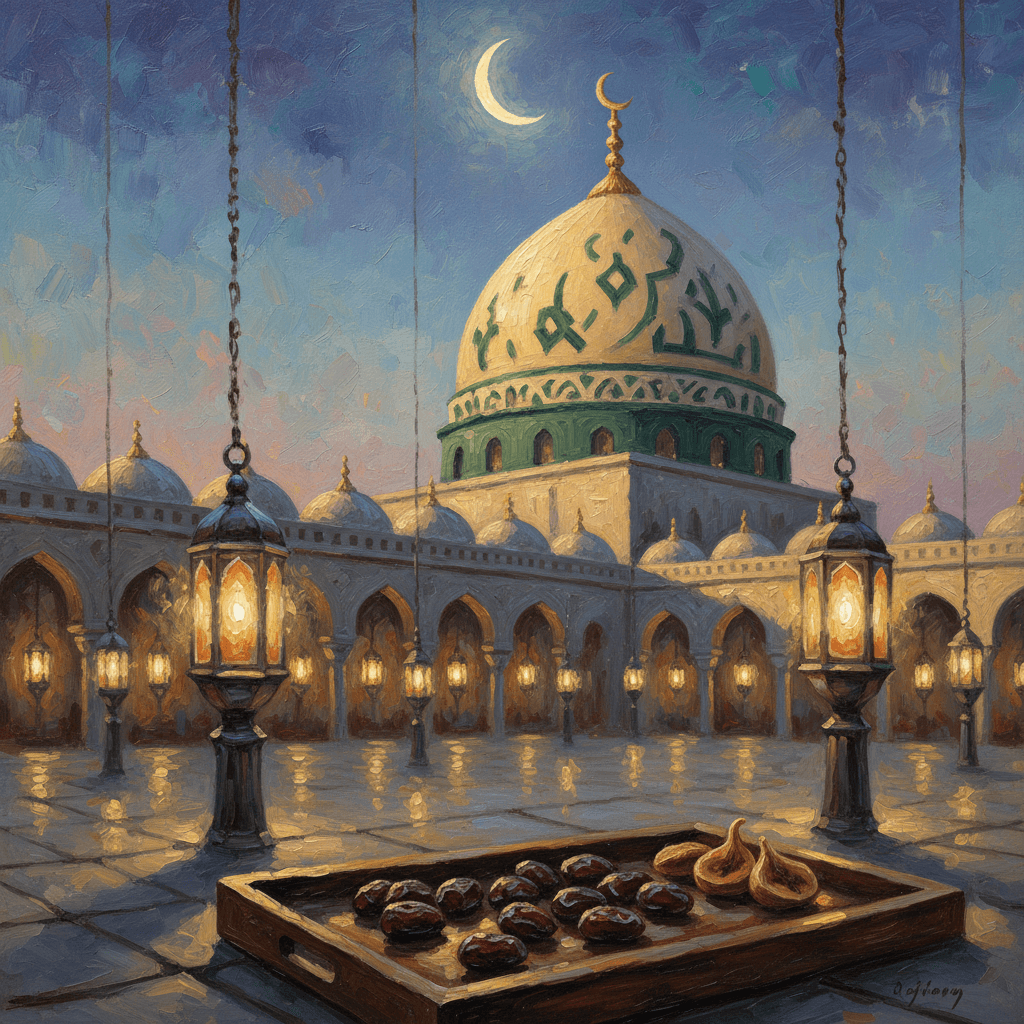
The Islamic calendar begins not with celebration and fireworks, but with one of Allah's sacred months — Muharram. The Prophet ﷺ called it Shahrullah — the Month of Allah. Of all the months of the year, only Muharram receives this direct divine attribution.
That is worth sitting with.
The beginning of a new Islamic year is not just a calendar flip. It is an invitation from Allah to begin again — to look honestly at where you have drifted, to make tawbah for what has passed, and to set your spiritual compass for the year ahead with deliberate supplication.
The Dua for Steadfastness in a New Year
اللَّهُمَّ اهْدِنَا فِيمَنْ هَدَيْتَ، وَعَافِنَا فِيمَنْ عَافَيْتَ، وَتَوَلَّنَا فِيمَنْ تَوَلَّيْتَ
Allahumma ihdina fiman hadayt, wa 'afina fiman 'afayt, wa tawallana fiman tawallayt
"O Allah, guide us among those You have guided, grant us wellbeing among those You have granted wellbeing, and take care of us among those You have taken care of."
— (Abu Dawud 1425; Tirmidhi 464 — sahih)
This supplication — part of the Qunut al-Witr — is one of the most comprehensive prayers for a new period. It asks for three foundational gifts: guidance, wellbeing, and divine care. These are precisely what a Muslim needs at the threshold of a new year.
When to say it: At the start of Muharram, in the witr prayer, after Fajr, and whenever you feel the weight of wanting to begin again rightly.
Dua for Tawbah — Starting the Year Clean
اللَّهُمَّ أَنْتَ رَبِّي لَا إِلَهَ إِلَّا أَنْتَ، خَلَقْتَنِي وَأَنَا عَبْدُكَ، وَأَنَا عَلَى عَهْدِكَ وَوَعْدِكَ مَا اسْتَطَعْتُ
Allahumma anta rabbi la ilaha illa ant, khalaqtani wa ana 'abduk, wa ana 'ala 'ahdika wa wa'dika mas-tata't
"O Allah, You are my Lord. There is no god but You. You created me and I am Your slave. I am upon Your covenant and Your promise as much as I am able."
— (Sayyid al-Istighfar — Sahih Bukhari 6306)
This is the master supplication of seeking forgiveness. Said with awareness of its meaning, it is the spiritual equivalent of wiping the slate — acknowledging your dependence on Allah, your failures, and your return to Him.
The Story Behind Muharram's Sacredness
Muharram's significance predates Islam in the Quranic framework. Allah designated four sacred months — Dhul Qa'dah, Dhul Hijjah, Muharram, and Rajab — in which fighting was prohibited and worship was especially honored (Surah At-Tawbah, 9:36).
When the Prophet arrived in Madinah, he found the Jewish community fasting on the 10th of Muharram (Ashura). He asked why. They told him it was the day Allah saved Musa and the Israelites from Pharaoh, and that Musa fasted that day in gratitude. The Prophet said: "We have more right to Musa than they do" — and he fasted that day and encouraged the Companions to do the same (Sahih Bukhari 4680).
Later, he indicated that fasting the 9th alongside the 10th was preferable, to distinguish the Muslim practice from the Jewish one (Sahih Muslim 1134).
This context matters: Muharram's key practice — the fast of Ashura — is rooted in the story of liberation. Musa's dua when facing the Red Sea with Pharaoh's army behind him was answered with the parting of the waters. The fast commemorates what happens when you turn to Allah in your most impossible moment. That is the spirit to carry into your Muharram dua.
How to Build a Muharram Practice
Muharram is the ideal time for an annual spiritual audit and reset. Here is how to use it intentionally.
Fast the 9th and 10th. This is the central practice of the month. The reward — expiation of the previous year's minor sins (Sahih Muslim 1162) — is significant enough that the Companions treated this fast as a high priority. Plan ahead so you do not miss it.
Make tawbah for the past year. Before the new Islamic year progresses, sit with Sayyid al-Istighfar. Go through the past year honestly: where did you fall short? Which promises to Allah did you break? Which habits did you intend to build but did not? Name them, feel the weight of them, and ask Allah specifically for forgiveness.
Set spiritual intentions for the coming year. The nafs needs direction. Without intention, the year will pass with the same patterns repeating. In Muharram, decide: what is the one spiritual habit you will build this year? One prayer you will never miss? One sin you will leave? One chapter of Quran you will memorize? For guidance on building lasting habits, see how to make istighfar a daily habit.
Increase your dhikr in the sacred month. Sins committed in sacred months are described as more severe. The flip side: good deeds also carry elevated weight. Use Muharram as a month to establish or strengthen your daily adhkar. See how to do morning adhkar for a structured approach.
Connect Muharram to Ramadan in your mind. The year has two spiritual high points: Muharram at the start and Ramadan in the middle. Use Muharram to prepare your habits so that when Ramadan arrives, you are already building, not starting from zero. See how to prepare for Ramadan for a longer-arc approach.
Start the Islamic Year With a Daily Worship Habit
DeenBack helps you build the spiritual habits — dhikr, dua, Quran, fasting — that turn a new Islamic year into real transformation, not just good intentions.


Free download. Premium features available in-app.
Related Duas for Muharram
Dua for guidance at the start of a new period:
رَبَّنَا لَا تُزِغْ قُلُوبَنَا بَعْدَ إِذْ هَدَيْتَنَا وَهَبْ لَنَا مِن لَّدُنكَ رَحْمَةً
Rabbana la tuzigh qulubana ba'da idh hadaytana wa hab lana milladunka rahmah
"Our Lord, let not our hearts deviate after You have guided us and grant us from Yourself mercy." — (Quran, Surah Al-Imran, 3:8)
For the fast of Ashura specifically, see the dua for fasting and dua for beginning fasting. The dua for repentance is essential for the tawbah dimension of Muharram, and what is istiqamah in Islam explains the concept of steadfastness that Muharram intentions are really about.
Common Questions
Is celebrating the Islamic New Year haram?
There is no prohibition on acknowledging the start of the new Islamic year with gratitude and dua. What scholars caution against is importing traditions from other cultures into an Islamic context, or creating specific rituals for the new year that have no basis in the Sunnah. Making dua, fasting, and reflecting on the year are all well within the Sunnah framework.
What if I did not fast Ashura this year — did I miss out permanently?
The fast of Ashura is available every year. Missing it in any given year is a missed reward, not a permanent loss. The Prophet encouraged the fast, not made it obligatory. What matters is building the intention for next year now, so you do not miss it again.
Can I make dua for other people in Muharram?
Absolutely. Dua for others is always encouraged. The Prophet ﷺ prayed for his Companions, his family, and the entire Muslim ummah. Use the elevated spiritual atmosphere of Muharram to expand your dua list beyond yourself.
Is there a special prayer on the night before Muharram begins?
There is no specific night prayer authenticated for this occasion in hadith. However, general voluntary prayers (tahajjud) and dua during the last third of the night are always recommended and carry their usual weight. If you want to mark the new year with prayer, pray your regular witr and add personal duas.
Begin Again
Every new Islamic year is Allah offering you an opening. The slate is not wiped automatically — that requires tawbah and intention. But the opening is there.
Muharram is the month of Allah. Whatever happened in the year that passed — the missed prayers, the broken habits, the accumulated regrets — can be brought to Allah now. Honestly, completely, with the dua that says: "O Allah, I am Your slave, I fell short, and I am returning to You."
He is the Most Merciful. He has called this month His own. Come back.
Use Muharram to Build Your Best Year Yet
DeenBack helps you track fasting, dhikr, and daily prayer consistency — turning the sacred month of Muharram into the foundation for lasting spiritual growth.
Free download. Premium features available in-app.
Frequently Asked Questions
Is there a specific dua for the Islamic New Year in Muharram?
There is no specific dua for the new Islamic year authenticated in hadith. Scholars recommend making general supplications asking Allah for guidance, steadfastness, and tawbah at the start of Muharram. Some scholars narrate that looking back at the past year and forward to the new one with dua is a recommended practice, though the specific wordings are often attributed to pious predecessors rather than the Prophet directly.
Why is Muharram called the sacred month?
Muharram is one of the four sacred months Allah designated in the Quran (Surah At-Tawbah, 9:36). Sins committed in sacred months carry greater weight, and righteous deeds are also elevated. The Prophet called Muharram the month of Allah, linking it to special merit. Fasting in Muharram — especially on Ashura — is among the most recommended voluntary fasts.
What is the significance of fasting on Ashura in Muharram?
The 10th of Muharram is Ashura. The Prophet fasted on this day when he came to Madinah and found the Jews fasting — he learned it was the day Allah saved Musa and his people. He said fasting Ashura expiates the sins of the previous year (Sahih Muslim 1162). He also recommended fasting the 9th along with it to differentiate from Jewish practice.
Can I make dua for a fresh start in Muharram?
Yes — and the start of any new period is an excellent time for tawbah and renewal. Use the beginning of the Islamic year to audit your spiritual habits, make sincere tawbah for the previous year, and set intentions for the new one. The dua for tawbah and the dua for guidance are especially relevant in Muharram.
What good deeds are most recommended in Muharram?
Fasting — especially on the 9th and 10th (Ashura). Increasing istighfar and tawbah. Making dua for guidance and steadfastness. Giving sadaqah. And renewing your commitment to core practices like the five prayers, morning and evening adhkar, and Quran recitation.