
- Published on
Dua for a Fresh Start: The Master Supplication for New Beginnings
- Authors

- Name
- Ahmad
- Role
- Senior Marketing Manager, Islamic education • Deen Back
بِسْمِ اللهِ الرَّحْمٰنِ الرَّحِيْمِ
In the name of God, the Most Gracious, the Most Merciful.
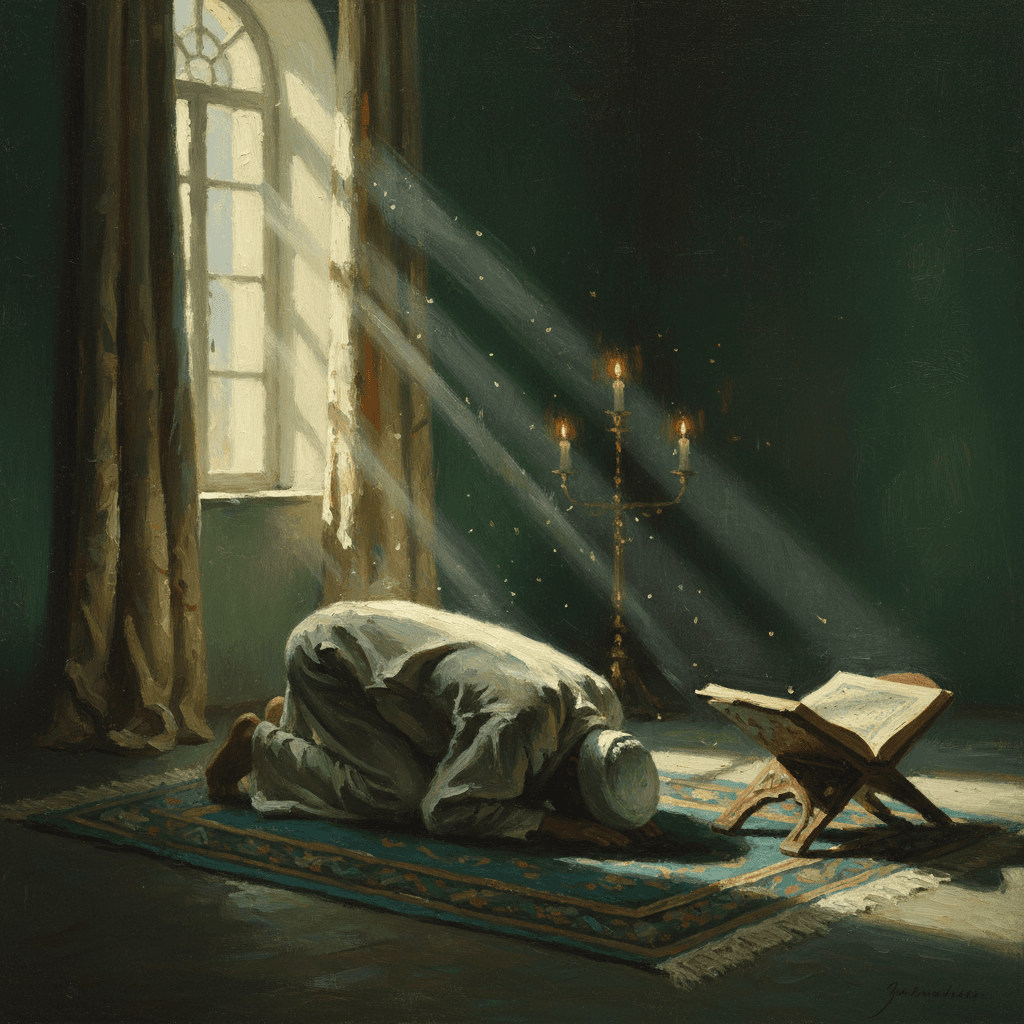
At some point, the weight of what you have done — or what you have left undone — becomes heavy enough that you want to start over. Not just fix one thing. Start fresh. Wipe the slate. Begin again as if the previous version of yourself could be acknowledged and left behind.
Islam does not just allow this. It designs for it.
There is a dua called Sayyidul Istighfar — the Master of Forgiveness. The Prophet ﷺ described it as the greatest supplication for seeking forgiveness in all of existence. When you say it and mean it, you are not performing a ritual. You are entering a new covenant with Allah.
Sayyidul Istighfar — The Master of Forgiveness
اللَّهُمَّ أَنْتَ رَبِّي لَا إِلَهَ إِلَّا أَنْتَ خَلَقْتَنِي وَأَنَا عَبْدُكَ وَأَنَا عَلَى عَهْدِكَ وَوَعْدِكَ مَا اسْتَطَعْتُ أَعُوذُ بِكَ مِنْ شَرِّ مَا صَنَعْتُ أَبُوءُ لَكَ بِنِعْمَتِكَ عَلَيَّ وَأَبُوءُ لَكَ بِذَنْبِي فَاغْفِرْ لِي فَإِنَّهُ لَا يَغْفِرُ الذُّنُوبَ إِلَّا أَنْتَ
Allahumma anta Rabbi la ilaha illa Anta, khalaqtani wa ana 'abduka, wa ana 'ala 'ahdika wa wa'dika mastata'tu. A'udhu bika min sharri ma sana'tu. Abu'u laka bi ni'matika 'alayya, wa abu'u laka bi dhanbi. Faghfir li fa'innahu la yaghfirudh-dhunuba illa Ant.
"O Allah, You are my Lord. There is no god but You. You created me and I am Your servant. I am upon Your covenant and promise as much as I am able. I seek refuge in You from the evil of what I have done. I acknowledge Your blessings upon me, and I acknowledge my sin. So forgive me, for none forgives sins except You."
— (Bukhari 6306)
Say this in the morning and evening, with full presence. The Prophet said: "Whoever says this with certainty in the morning and dies before evening will be among the people of paradise."
The Story Behind It
When the Prophet ﷺ described this as Sayyidul Istighfar — the Master, the Chief, the Leader of all forgiveness supplications — he was making a bold claim in a tradition filled with duas. Why is this one the greatest?
Because it contains everything. It begins with tawhid — there is no god but Allah. It acknowledges the relationship — You created me, I am Your servant. It names the failure honestly — I acknowledge my sin. It acknowledges Allah's blessings even in the middle of confessing wrongdoing. And it ends with absolute reliance — none forgives sins except You.
This structure is the anatomy of a genuine fresh start. It is not just "sorry, please forgive me." It is a full turning: knowing who Allah is, knowing who you are in relation to Him, seeing your failure clearly, and coming back.
How to Use This Dua for a Real New Beginning
Say it every morning as a reset. Each new day is technically a fresh start — the Prophet ﷺ used to say that Allah descends to the lowest heaven each night asking if anyone is seeking forgiveness. The morning is when you carry that forgiveness into the new day. Make Sayyidul Istighfar the second or third thing you do after Fajr — after salah, before anything else.
Mean every word. The dua only works if you engage with it. When you say I acknowledge Your blessings upon me, actually think about one or two specific blessings. When you say I acknowledge my sin, actually bring to mind what you are asking forgiveness for. When you say none forgives sins except You, feel the weight of that dependence.
Pair it with a concrete behavior change. A fresh start that is only a feeling lasts until the next temptation. A fresh start anchored to a new behavior lasts. Decide on one specific, small, sustainable change to begin the same morning you say this dua — one thing you will do differently today than yesterday.
Revisit it in the evening. The evening version of this dua is the accounting that closes the day. How did the fresh start hold? Where did you drift? Name it honestly to Allah, repeat the dua, and resolve to try again tomorrow. This daily cycle of beginning and accounting is the architecture of Islamic self-improvement.
Begin Again — Starting Tomorrow Morning
DeenBack helps you build the morning adhkar routine that holds your fresh start in place. Say the dua. Log the habit. Show up again tomorrow.


Free download. Premium features available in-app.
Related Duas for New Beginnings
A fresh start has multiple dimensions.
For the forgiveness of specific sins that are weighing on you, the dua for repentance provides a focused supplication for tawbah — the act of turning back to Allah.
For understanding what tawbah actually means in Islamic theology — not just guilt, but a specific spiritual process — read what is tawbah in Islam. Many Muslims know the word but not the full meaning.
And for the forward-looking side of a fresh start — embracing what is coming rather than escaping what was — the dua for new opportunities frames new beginnings as a gift to be received, not just a past to be forgiven.
Common Questions
What if I don't feel sincere when I say it?
Say it anyway, and ask Allah to give you the sincerity you lack. The desire to make a fresh start is itself a form of sincerity — a seed that the dua helps grow. Many scholars say that beginning the action of tawbah even when the feeling is not fully there can draw the feeling out. Don't wait until you feel perfectly sincere; come with what you have.
How is a fresh start different from just feeling guilty and moving on?
Guilt without action is regret. A fresh start requires three components in Islamic tradition: stopping the wrong action, regretting it sincerely, and resolving not to return. If the sin involves another person's rights, a fourth condition is added — making it right with them. Sayyidul Istighfar covers the internal components; your behavior change covers the external ones.
Can I say this dua for something I have done many times over many years?
Yes. Duration of sin does not reduce the availability of forgiveness — it only means you need more urgency in your resolve. Allah says in the Quran: "Say: O my servants who have transgressed against themselves, do not despair of Allah's mercy. Indeed, Allah forgives all sins." (Surah Az-Zumar, 39:53). "All sins" is unambiguous.
What if my fresh start is about changing a direction in life, not just a specific sin?
This dua applies there too. "The evil of what I have done" includes paths taken and time wasted, not only specific violations. Whether you are leaving a toxic environment, committing to a new spiritual practice, or simply choosing to show up differently — Sayyidul Istighfar is the spiritual reset for all of it.
Closing
You are allowed to start over. Not because you deserve it — that is not how Allah's mercy works. But because He designed this life to include the door of tawbah, and He placed Sayyidul Istighfar at the entrance.
Say it tomorrow morning. Mean every line. Make one concrete change. And read more about how to make istighfar a daily habit — because the fresh start that lasts is not the one that happens once, but the one that becomes how you begin every day.
Your Fresh Start Starts Tomorrow at Fajr
Use DeenBack to set a morning adhkar reminder and track your daily dua streak. The best fresh start is one you can maintain.
Free download. Premium features available in-app.
Frequently Asked Questions
What is the best dua for starting fresh in Islam?
Sayyidul Istighfar — the Master of Forgiveness — is considered the greatest dua for a fresh start. The Prophet said whoever says it with certainty in the morning and dies before evening is among the people of paradise. It combines full acknowledgment of sin with complete trust in Allah's mercy, which is the formula for genuine renewal.
When is the best time to say Sayyidul Istighfar?
The Prophet said to say it in the morning (after Fajr) and in the evening (after Asr or Maghrib). Morning is the reset before the day begins; evening is the accounting before sleep. Both times carry the promise that whoever says it with conviction and dies that same day enters paradise.
Does making this dua mean my past sins are erased?
The Prophet promised that whoever says it sincerely — while believing in what they are saying and intending to change — will be forgiven. The condition is sincerity, not perfection. Allah does not require that you never sin again before He forgives the past. He requires that you genuinely mean it in the moment you say it.
Can I make a fresh start if I have committed the same sin many times?
Yes. Allah's mercy is not rationed. The Prophet said: 'If you were to sin until your sins reached the sky, then you sought Allah's forgiveness, He would forgive you.' (Ibn Majah 4251). Repetition of sin followed by sincere tawbah does not exhaust His forgiveness — it demonstrates the human condition He already knows.