
- Published on
Dua for Hardship: What to Say When Life Gets Difficult
- Authors

- Name
- Ahmad
- Role
- Senior Marketing Manager, Islamic education • Deen Back
بِسْمِ اللهِ الرَّحْمٰنِ الرَّحِيْمِ
In the name of God, the Most Gracious, the Most Merciful.
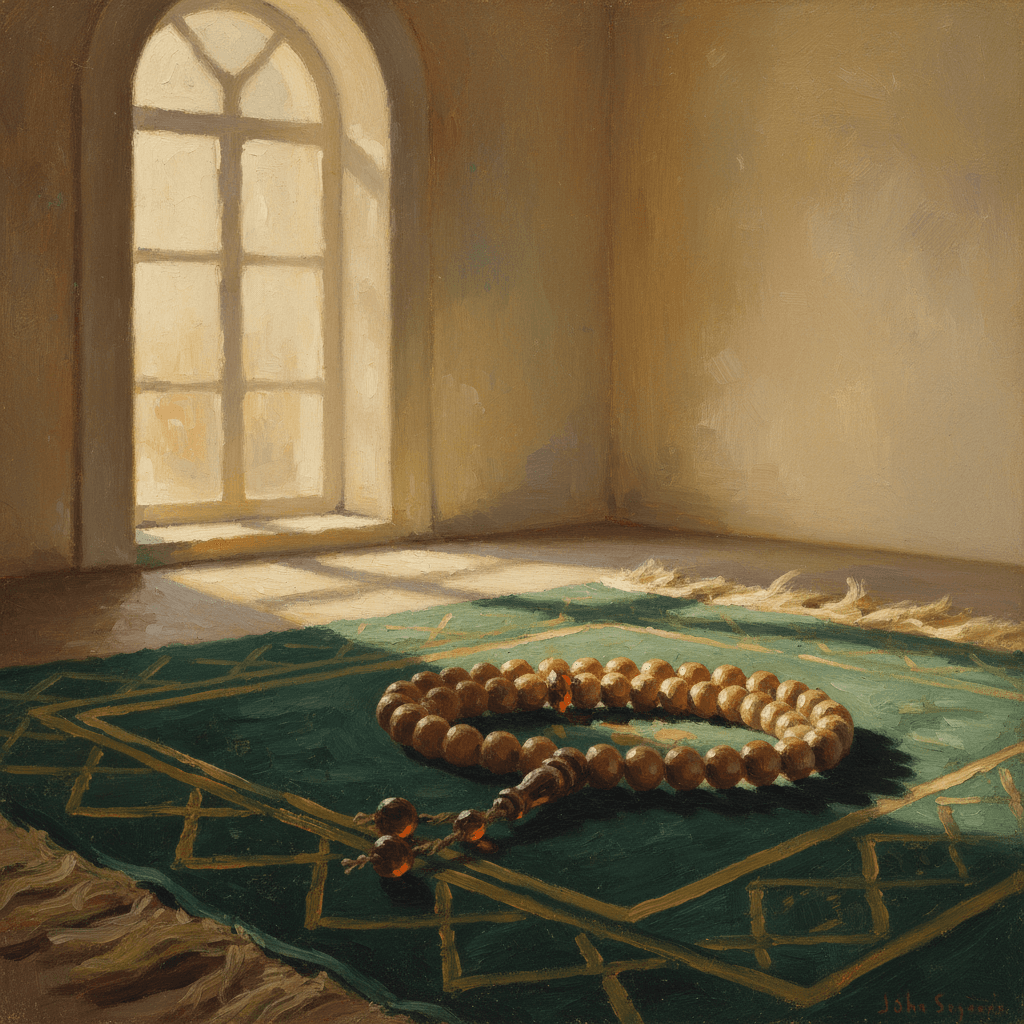
There are moments when the hardship is so heavy that you cannot think clearly enough to make dua. You know you should turn to Allah, but the words will not come. The situation fills your whole mental space and there is no room left for supplication.
This is exactly the moment the dua for hardship exists for.
The Prophet ﷺ did not leave his Ummah without specific words for the specific experience of difficulty. He taught duas for when the situation feels impossible, for when the path forward is unclear, for when you are in the middle of something that has not eased yet and you are not sure it will. These are not vague encouragements. They are precise, targeted supplications for the moments when you need them most.
The Islamic understanding of hardship is also different from a worldly one. Difficulty is not evidence that Allah has abandoned you. The Prophet ﷺ said the most severely tested people in history were the Prophets. Then those closest to them in faith. Then the next level, and the next. The higher your rank with Allah, the more the tests may come. (Tirmidhi 2398)
The Dua for Hardship
The dua when facing something difficult or seemingly impossible:
اللَّهُمَّ لَا سَهْلَ إِلَّا مَا جَعَلْتَهُ سَهْلًا وَأَنْتَ تَجْعَلُ الْحَزْنَ إِذَا شِئْتَ سَهْلًا
Allahumma la sahla illa ma ja'altahu sahlan, wa anta taj'alul-hazna idha shi'ta sahlan.
"O Allah, there is no ease except what You make easy, and You can make difficulty easy when You will." — (Ibn Hibban 974)
The dua of Musa ﷺ — for when the task feels overwhelming:
رَبِّ اشْرَحْ لِي صَدْرِي وَيَسِّرْ لِي أَمْرِي
Rabbi ishrach li sadri wa yassir li amri.
"My Lord, expand for me my chest and ease my task." — (Quran 20:25-26)
The dua of trust when the situation is out of your control:
حَسْبُنَا اللَّهُ وَنِعْمَ الْوَكِيلُ
Hasbunallahu wa ni'mal wakil.
"Allah is sufficient for us, and He is the best disposer of affairs." — (Quran 3:173)
The first dua acknowledges that nothing is naturally easy — ease itself is a gift from Allah. The second opens the heart and asks for the task to be lightened. The third releases the outcome: it hands the matter back to Allah in an act of complete tawakkul.
The Story Behind It
Musa ﷺ said his famous dua at one of the most daunting moments in prophetic history. He had just received the command to go to Fir'awn — the most powerful tyrant on earth — and deliver the message of tawhid. The mission was staggering.
He did not say: I am not ready. He did not say: give someone else this task. He made dua. He asked Allah to expand his chest so he could carry the weight. He asked for ease in the task. He asked for his brother Harun to support him. And then he went.
That sequence — dua first, then action — is the model the Sunnah teaches. You do not wait until you feel confident. You make dua for the confidence to act, and then you act before you feel it.
The second dua, Hasbunallahu wa ni'mal wakil, was said by Ibrahim ﷺ when he was thrown into the fire. It was said by the Prophet Muhammad ﷺ after the battle of Uhud when he was told that the enemy army was regrouping to attack. In both cases, Allah turned the situation around. (Quran 3:173, Bukhari 4563)
These are not feel-good phrases. They are documented turning points.
How to Use the Dua for Hardship in Daily Life
Hardship is not always catastrophic. Most hardship is the grinding, ordinary kind — financial pressure, a difficult relationship, a health problem that will not resolve, a feeling of being stuck. The dua for hardship applies to all of these.
Say it at the start of the difficult thing, not just in desperation. Do not wait until you are at breaking point to use this dua. When you wake up knowing today will be hard, say Allahumma la sahla illa ma ja'altahu sahlan before you begin. This is not surrendering to the difficulty — it is recruiting Allah before the battle, not during the retreat.
Use Rabbi ishrach li sadri before difficult conversations. When you need to address conflict, give feedback, or have a conversation you have been avoiding, say the dua of Musa. The expansion of the chest it asks for — sharh al-sadr — is the sense of calm and capability that difficult situations require. Ask for it before you walk in.
Say Hasbunallahu wa ni'mal wakil when outcomes are out of your hands. You have done what you can. The decision is with someone else. The result is uncertain. This is the dua for that moment — not passive resignation, but active surrender to the One who controls all outcomes.
Connect hardship to patience. The Quran pairs hardship and sabr consistently. The dua for patience and the dua for hardship work together. One asks for ease in the situation; the other asks for the inner strength to endure it while the ease comes.
After hardship: express gratitude. Allah says in Surah Al-Inshirah that with every hardship comes ease (94:5-6). When the ease comes, name it. Say Alhamdulillah. Make the connection between your dua, your patience, and the relief. This strengthens your trust for the next hardship.
Build Resilience One Day at a Time
DeenBack tracks your daily dua and dhikr habits so the spiritual practices that carry you through hardship are already built before you need them.


Free to download. A paid plan is required to use the app’s tools.
Related Duas
Dua for ease: For specific situations that feel tight and constricted, the dua for ease covers the Prophetic supplications for when you need a way out to open up.
Dua for patience: Every hardship is ultimately a test of sabr. The dua for patience covers Quranic and Prophetic supplications for endurance, specifically for sustained difficulty rather than a single acute moment.
Dua for guidance: Hardship can obscure the path forward. The dua for guidance is particularly powerful in prolonged difficulty when you are not sure what the right next step is.
Common Questions
Why does my dua for hardship not seem to be answered?
The Prophet ﷺ taught three possibilities when dua is made: it is answered immediately; it is stored as reward for the Day of Judgment; or it removes a harm that was coming that you would not have seen. (Ahmad 10749). "Not answered" often means answered in a way you cannot yet see. Keep making dua. Do not confuse a delay with a refusal.
Should I accept hardship without trying to change it?
No. The Islamic concept of tawakkul is active, not passive. You tie your camel, then trust Allah. You make dua, then take the available steps to address the difficulty. Accepting hardship does not mean sitting with it indefinitely — it means not letting it break your tawakkul or your taqwa while you work to change it.
Is it complaining to Allah to make dua during hardship?
No. Expressing your difficulty to Allah in dua is not complaining — it is exactly what dua is for. The Prophet ﷺ described it as the worship of the desperate (du'a al-mudtar). Even Ya'qub ﷺ said he complained of his grief and sorrow to Allah alone (Quran 12:86). Pour everything out. Allah is not bothered by your repetition or your emotion.
Closing
Hardship is coming. Not maybe — Allah says He will test every believer. The question is not whether you will face difficulty but what you will have in your hands when it arrives.
The duas above are weapons. Short ones, made powerful by their source and their sincerity. A Muslim who uses them has not just words — they have a direct line to the One who made ease possible in the first place.
Learn them now. Build the habit before the storm. Then when difficulty arrives, these words will be in your mouth before your mind has even had time to panic.
Prepare Before the Storm — Build Your Dua Habit Now
The Muslims who handle hardship best are the ones whose dua habit was already built. Start your streak on DeenBack today.
Free to download. A paid plan is required to use the app’s tools.
Frequently Asked Questions
What is the dua for hardship in Islam?
The key dua for hardship is: Allahumma la sahla illa ma ja'altahu sahlan, wa anta taj'alul-hazna idha shi'ta sahlan — O Allah, there is no ease except what You make easy, and You can make difficulty easy when You will. (Ibn Hibban 974). Also the dua of Musa: Rabbi ishrach li sadri wa yassir li amri — My Lord, expand for me my chest and ease my task. (Quran 20:25-26)
What does Islam say about hardship?
Allah promises in Surah Al-Inshirah: 'With every hardship comes ease' — this is repeated twice in two consecutive verses (94:5-6), signaling its certainty. The Prophet ﷺ said that no hardship, exhaustion, worry, grief, harm, or distress afflicts a Muslim — even a thorn prick — except that Allah expiates sins through it. (Bukhari 5641)
Is hardship a punishment from Allah?
Not necessarily. The Prophet ﷺ said the people most severely tested are the Prophets, then those most similar to them in faith. (Tirmidhi 2398). Hardship can be expiation for sins, a means of raising one's rank, or a test of patience and tawakkul. The Muslim's role is not to determine the reason but to respond with sabr and dua.
What should I do when I feel overwhelmed by hardship?
The Sunnah response to overwhelming difficulty includes: making the dua for ease, saying 'Hasbunallahu wa ni'mal wakil' (Allah is sufficient for us and He is the best disposer of affairs — Quran 3:173), increasing prayer and prostration, and reaching out to others. Isolation in hardship is what the nafs wants — community and connection are part of the Islamic remedy.
How many times should I repeat the dua for hardship?
There is no prescribed number. Say it with presence and sincerity as many times as it feels genuine. The Prophet ﷺ said dua is the weapon of the believer — you use a weapon as often as the situation demands it. Repeating a dua is not weakness; it is persistence, which is itself a form of tawakkul.