
- Published on
Dua for Barakah in Food: The Sunnah Supplication Before and After Eating
- Authors

- Name
- Ahmad
- Role
- Senior Marketing Manager, Islamic education • Deen Back
بِسْمِ اللهِ الرَّحْمٰنِ الرَّحِيْمِ
In the name of God, the Most Gracious, the Most Merciful.
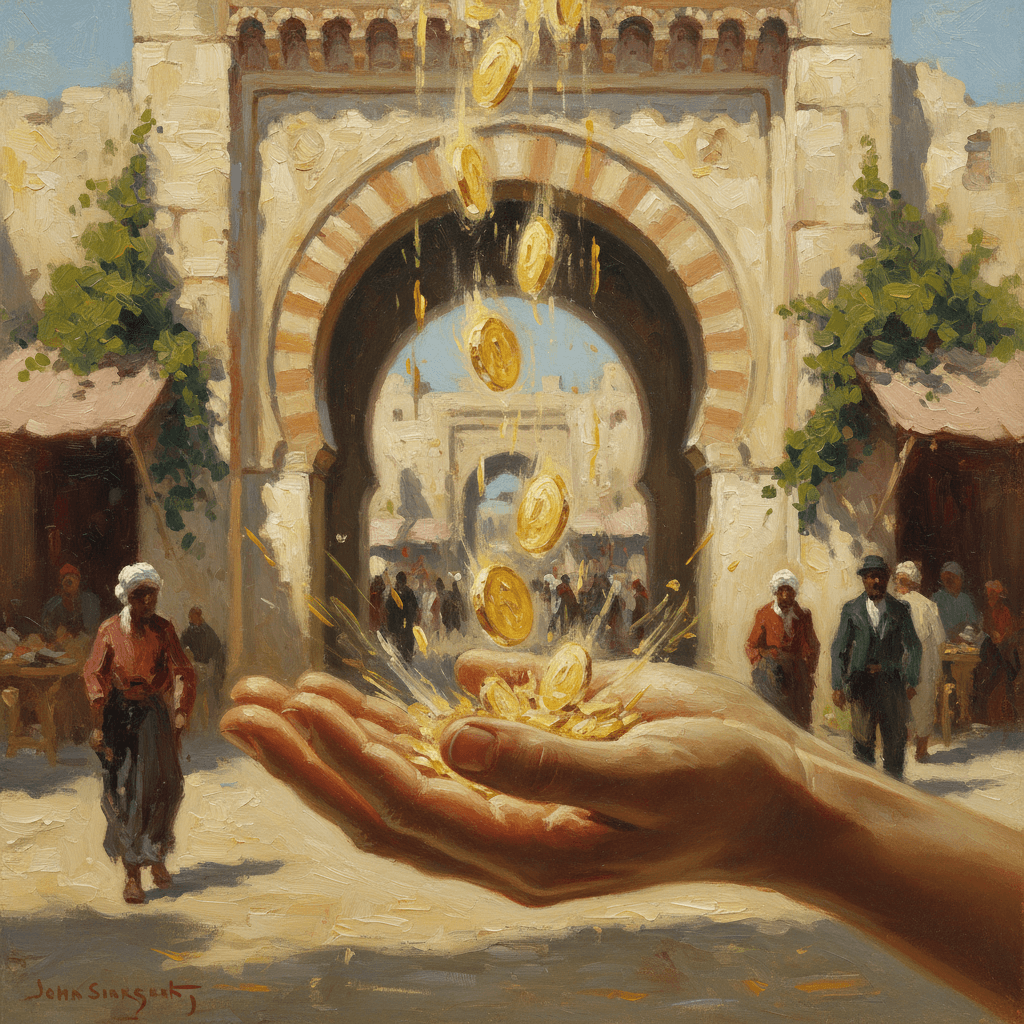
Food is one of the most ordinary parts of daily life. You eat three times a day. You think about it, prepare it, share it. And yet most of us eat in a state of complete spiritual absence — phones out, attention scattered, consuming without consciousness.
The Prophet ﷺ turned every meal into an act of worship and a moment of connection with Allah. The duas for barakah in food are not lengthy rituals. They are short, specific phrases that transform the most mundane act of the day into a recognition of Allah's provision.
The Duas for Barakah in Food
Before eating — inviting barakah:
بِسْمِ اللهِ
Bismillah
"In the name of Allah."
— (Abu Dawud 3767)
The Prophet ﷺ said: "When one of you eats food, let him say Bismillah. If he forgets at the start, let him say Bismillahi fi awwalihi wa akhirihi — In the name of Allah at its beginning and its end." (Abu Dawud 3767 — sahih)
Simple as this sounds, the Prophet connected it directly to the presence of Shaytan in the meal. Without Bismillah, Shaytan participates in your food. With it, the meal is dedicated to Allah and barakah enters.
Dua for barakah in the food specifically:
اللَّهُمَّ بَارِكْ لَنَا فِيمَا رَزَقْتَنَا وَقِنَا عَذَابَ النَّارِ
Allahumma barik lana fima razaqtana wa qina 'adhaban-nar
"O Allah, bless us in what You have provided for us and protect us from the punishment of the Fire."
— (Ibn As-Sunni, narrated from the Sunnah)
After eating — gratitude and completion:
الْحَمْدُ لِلَّهِ الَّذِي أَطْعَمَنَا وَسَقَانَا وَجَعَلَنَا مُسْلِمِينَ
Alhamdulillahil-ladhi at'amana wa saqana wa ja'alana muslimin
"All praise to Allah who fed us, gave us drink, and made us Muslims."
— (Abu Dawud 3850 — sahih)
When to Say These Duas
Before eating: as soon as food is placed in front of you, before the first bite. After eating: when you set down the last utensil, before leaving the table. The consistency of the position — always before, always after — is what makes it a habit rather than an occasional remembrance.
The Story Behind These Supplications
The Prophet ﷺ ate mindfully and deliberately. He ate with his right hand, sat on the floor, and ate from what was nearest to him on the plate. He said Bismillah at the start of every meal without exception, and he made gratitude explicit at the end.
There is a story in Sahih Muslim that illustrates the power of these duas. A boy was eating with the Prophet ﷺ and his hand was moving all over the plate. The Prophet took his hand and said: "O young boy, say the name of Allah, eat with your right hand, and eat from what is nearest to you." (Muslim 2022) The correction was immediate and gentle — the Prophet understood that the manner of eating reflects the state of the heart, and he took it seriously.
The dua after eating — thanking Allah for food, drink, and Islam in one breath — puts the meal in perspective. You are not just grateful for the meal; you are grateful for the context that makes the meal mean something: being Muslim, having access to lawful food, being alive to eat it.
How to Make Barakah-Seeking a Daily Habit
The duas themselves take three seconds each. The challenge is remembering. Here is how to make them automatic:
Link Bismillah to sitting down. The moment your body makes contact with the chair at a meal, say Bismillah. Not after you have poured your drink, not after you have checked your phone. The physical act of sitting triggers the supplication. Repeat this rule until it becomes reflex.
Put your phone away before eating. This is not strictly required by the Sunnah, but it serves it. The Prophet ate with presence. You cannot be present at your meal — aware of the food, its taste, its provision — while scrolling. Barakah requires attention.
Say the dua after eating aloud when eating with family. Make it a household practice. When the last bite is taken, say the dua out loud. Children learn it effortlessly through repetition. It ends the meal as a family act of worship rather than just the cessation of eating.
When you forget Bismillah, say the correction immediately. Do not skip it because the opportunity is past. The Prophet gave us the recovery formula precisely so that forgetting does not mean losing everything.
Reflect briefly on provision. After saying the dua of gratitude, pause for a moment and think: where did this food come from? The chain of people, weather, soil, and effort that produced it is a reflection of Allah's rizq made visible. This reflection, practiced even briefly, is a form of shukr that deepens the barakah.
Build a Daily Sunnah Habit Around Every Meal
DeenBack tracks your daily dhikr and sunnah acts — including the simple practices like Bismillah before eating that transform ordinary moments into acts of worship.


Free download. Premium features available in-app.
Related Duas Around Food and Provision
Dua when drinking water:
الْحَمْدُ لِلَّهِ
Alhamdulillah
Say this after every drink, as the Prophet ﷺ did. (Tirmidhi 1885)
Dua when drinking Zamzam:
اللَّهُمَّ إِنِّي أَسْأَلُكَ عِلْمًا نَافِعًا وَرِزْقًا وَاسِعًا وَشِفَاءً مِنْ كُلِّ دَاءٍ
Allahumma inni as'aluka 'ilman nafi'an wa rizqan wasi'an wa shifa'an min kulli da'
"O Allah, I ask You for beneficial knowledge, abundant provision, and healing from every disease." — (Ibn Majah — hasan)
For deeper reading on provision and blessing, see dua before eating and dua after drinking water. The dua for barakah covers the broader concept of divine blessing across all areas of life. For the full meaning of why barakah matters in daily decisions, dua for barakah in wealth explores the same principle applied to your financial provision.
Common Questions
Does food need to be halal for these duas to work? The duas invite barakah into the meal — but barakah cannot enter a meal that is haram. The Prophet ﷺ mentioned the case of a man who raised his hands to the sky saying "O Lord, O Lord" but whose food and drink and clothing were from haram sources. "How could his dua be answered?" (Muslim 1015) Halal food is the foundation on which these duas rest.
Can I say these duas for food I prepared for non-Muslim guests? Yes. You can say Bismillah over food you prepare as an act of worship and a request for barakah regardless of who eats it. Your intention is what matters.
Is there a dua for when food is insufficient or scarce? Yes — the dua for rizq (provision): Allahumma inni as'aluka rizqan halalan tayyiban — O Allah, I ask You for lawful, wholesome provision. Pair this with gratitude for what you have.
Should children be taught these duas before they understand them? Absolutely. Children learn through imitation first and understanding later. Say the duas aloud at every family meal. The habit will be in place long before the full meaning is grasped.
Every Meal Is a Gift
You did not produce the food on your table. The rain, the soil, the sun, the farmer, the supply chain, the hands that cooked it — and behind all of them, Allah's decree that it would reach you today.
Bismillah before eating is how you acknowledge that chain. It takes one second. It changes the character of the entire meal.
Start at your next meal. Right now.
Make Every Meal an Act of Worship
DeenBack helps you build consistent daily sunnah practices — from the duas before eating to the dhikr after — so barakah becomes a daily reality, not an occasional intention.
Free download. Premium features available in-app.
Frequently Asked Questions
What is barakah in food and why does it matter?
Barakah means divine blessing and increase. Barakah in food means your body is genuinely nourished, your hunger is satisfied with less, and the energy from the food supports your worship and good deeds. Without barakah, food can be plentiful but still leave you unsatisfied, sluggish, or spiritually empty.
Does saying Bismillah before eating count as the dua for barakah in food?
Yes — Bismillah before eating is the primary act that brings barakah to a meal according to hadith. If you forget and remember mid-meal, say: Bismillahi fi awwalihi wa akhirihi — In the name of Allah at its beginning and end. (Abu Dawud 3767)
What if I forget to say Bismillah before eating?
The Prophet ﷺ taught a remedy: if you forget at the beginning, say Bismillahi fi awwalihi wa akhirihi when you remember. The barakah is not lost — the intention and the correction still invite Allah's blessing into the meal.
Is there a specific dua to say after finishing a meal?
Yes: Alhamdulillahil-ladhi at'amana wa saqana wa ja'alana muslimin — All praise to Allah who fed us, gave us drink, and made us Muslims. (Abu Dawud 3850) This dua of gratitude after eating is a sunnah that the Prophet taught consistently.