
- Published on
What Is Taraweeh? The Night Prayer of Ramadan Explained
- Authors

- Name
- Ahmad
- Role
- Senior Marketing Manager, Islamic education • Deen Back
بِسْمِ اللهِ الرَّحْمٰنِ الرَّحِيْمِ
In the name of God, the Most Gracious, the Most Merciful.
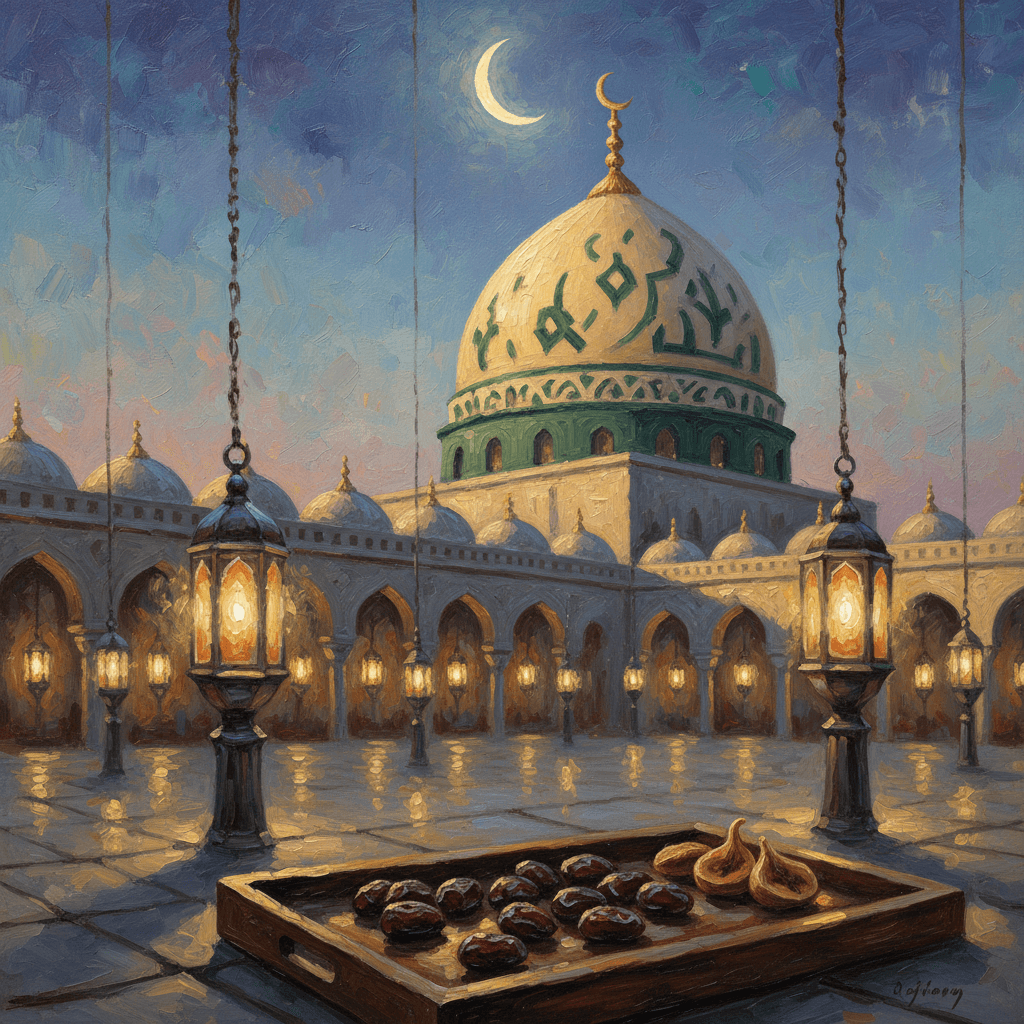
If you have ever stood in a packed mosque after Isha in Ramadan, listening to a hafiz recite Quran in long, unhurried portions while the rows press together in the cool of the night — you already know something about Taraweeh.
But what is it, exactly? Where did it come from? How many rakats? And how do you make it a real practice rather than a once-a-week Ramadan obligation?
What Taraweeh Actually Is
Taraweeh (تراويح) comes from the Arabic root raaha — rest, relaxation. The plural is used because in early Islamic practice, worshippers would pause between every four rakats to sit, rest, and make du'a before continuing. The prayer itself is restful in its rhythm — a deliberate, unhurried movement through the Quran during the blessed nights of Ramadan.
Taraweeh is:
- A voluntary night prayer (not fard)
- Performed after Isha in Ramadan only
- Ended with Witr prayer before Fajr
- Most powerfully performed with the imam reciting the entire Quran over the month — completing the khatm (full recitation) in taraweeh
Allah says about night prayer in Ramadan:
وَمَن قَامَ رَمَضَانَ إِيمَانًا وَاحْتِسَابًا غُفِرَ لَهُ مَا تَقَدَّمَ مِن ذَنبِهِ
Wa man qama Ramadana imanan wahtisaban, ghufira lahu ma taqaddama min dhanbihi
"Whoever stands in prayer during Ramadan with faith and seeking reward, his past sins will be forgiven."
— (Sahih Bukhari 37, Sahih Muslim 759)
The Prophet ﷺ said this about Ramadan's night prayer generally — and Taraweeh is the primary expression of that practice for the ummah.
Why Modern Muslims Struggle With Taraweeh
The first week of Ramadan, the mosque is packed. By the second week, the crowd thins. By the last ten nights, the masjid fills again for Laylatul Qadr. But the middle nights? Often quiet.
The nafs finds Taraweeh difficult for predictable reasons: it is long (often an hour or more), it is late (after Isha, when the body is tired), it is repetitive enough to zone out in, and the results are not visible the next morning.
There is also the "I can pray at home" calculus. Which is true — home is valid. But the isolation of individual home prayer often means the prayer gets shorter, then skipped entirely, then "I will pray later" which becomes not at all.
The habit challenge of Taraweeh is that it falls in Ramadan — the most concentrated spiritual month — and requires showing up at the hardest moment: after a full day of fasting, often with family obligations, when the body is pleading for rest. This is precisely why the Prophet called standing in Ramadan's night prayer one of the most significant voluntary acts of worship.
How to Practice Taraweeh — Building It Into Ramadan
Understand the scholarly positions on rakats — then commit to one.
The Prophet ﷺ himself prayed 8 rakats of night prayer plus Witr in Ramadan. Umar ibn al-Khattab organized the Companions to pray 20 rakats in congregation. Both positions have authentic scholarly backing.
Most mosques in the world pray either 8 or 20. Choose what your mosque prays (or what you can sustain at home) and commit to it. The nafs that debates "which is correct" is often just looking for an excuse not to pray at all. Both are valid. Start with whichever you will actually do.
Make it to the mosque for as many nights as possible.
The congregation, the communal Quran recitation, the feeling of praying shoulder to shoulder in Ramadan — these are experiences that individual home prayer cannot replicate. The spiritual atmosphere of a full Taraweeh in a masjid is part of the gift. Go as many nights as you can, even if you cannot go every night.
When you cannot go to the mosque, pray at home — do not skip.
Set a minimum: if you miss the mosque, you will still pray 4 rakats of Taraweeh (or 8, or 2) at home. The goal is to make "skipping entirely" not an option, while making "praying less" acceptable on hard nights. A reduced Taraweeh is infinitely better than no Taraweeh.
Try the last third of the night at least once.
Praying Taraweeh in the last third of the night — in your own home, in the quiet, when Allah descends to the lowest heaven asking who will call upon Him — is a completely different experience from the mosque congregation after Isha. At least once in Ramadan, stay up and pray in that window. You will understand why the Prophet and Companions did.
Connect Taraweeh to your Quran goal.
Many Muslims set a goal to complete the Quran in Ramadan. If you follow the mosque's full Taraweeh (where the imam recites the khatm over 30 nights), you are passively completing the Quran just by showing up. If you pray at home, follow along with the day's portion of the Quran. Make Taraweeh the spine of your Ramadan Quran plan.
Track Your Taraweeh Habit This Ramadan
DeenBack helps you track your Taraweeh nights, set late-night prayer reminders, and build the consistent Ramadan worship habit that turns good intentions into real practice.


Free to download. A paid plan is required to use the app’s tools.
Signs Your Taraweeh Practice Is Deepening
- You find yourself looking forward to Isha because Taraweeh follows
- The verses the imam recites start to feel familiar — you recognize the stories, the themes, the pace of the Quran through the month
- The post-Taraweeh dua time (before Witr) becomes a real conversation rather than a formality
- Your fasting during the day and Taraweeh at night start to feel like two halves of a complete practice — one empties, the other fills
Common Questions
Can I pray Taraweeh alone at home? Yes. Taraweeh can be prayed individually at home and carries full reward. The recommendation to pray it in congregation comes from the Sunnah of Umar and the established practice of the ummah, but individual prayer is completely valid. Women in particular have a well-established tradition of praying Taraweeh at home.
What about the dua for taraweeh — is there a specific dua for this prayer? There is a dua often recited between groups of rakats in Taraweeh (the rest periods it is named after). It is not authentically traceable to the Prophet in the commonly quoted form, though making any personal dua during those breaks is encouraged and follows the spirit of the practice.
Does Taraweeh replace Tahajjud in Ramadan? Scholars say that praying Taraweeh fulfills the night prayer of Ramadan. Praying Taraweeh in the last third of the night fulfills both Taraweeh and functions as Tahajjud. If you pray Taraweeh early (after Isha at the mosque) and also wake for additional prayer in the last third, that additional prayer is Tahajjud and carries its own separate merit.
What happens if I only pray Taraweeh for the last 10 nights? The last ten nights of Ramadan are the most blessed and include Laylatul Qadr — the Night of Power worth a thousand months of worship. Praying Taraweeh specifically during the last ten nights is better than nothing, and far better than abandoning Taraweeh entirely. But the full Ramadan practice of all thirty nights is what the Prophet established.
Is the Witr prayer after Taraweeh obligatory? Witr is a confirmed Sunnah (some scholars say wajib, particularly in the Hanafi school). It closes the night prayer and should not be left. If you pray Taraweeh at the mosque, the imam typically leads Witr at the end — stay for it.
The Nights That Do Not Come Back
Ramadan's nights are one of the most compressed concentrations of divine mercy in the Islamic calendar. The night prayer of Ramadan forgives past sins; Laylatul Qadr within it is worth a thousand months; the angels descend in numbers beyond counting.
These nights come and go. Last Ramadan's nights are gone. This Ramadan's nights will pass. And eventually, a Ramadan will come that you will not experience.
Taraweeh is the structure through which you enter those nights intentionally, consistently, and with your face turned toward Allah. Not perfectly — some nights shorter, some missed, some rushed. But consistently. Night after night. That consistency is what the Prophet called "standing in Ramadan," and it is what he promised would bring forgiveness.
Make This Ramadan Your Best One Yet
DeenBack helps you plan and track your entire Ramadan worship — from Taraweeh nights to Quran goals to the last ten nights — so every year you go deeper, not just repeat.
Free to download. A paid plan is required to use the app’s tools.
Frequently Asked Questions
What is Taraweeh prayer?
Taraweeh (also written Tarawih) is a voluntary (sunnah) night prayer performed only during Ramadan, after the Isha prayer and before Witr. The name comes from the Arabic root meaning to rest — because in early practice, worshippers would rest between every four rakats. It is one of the most distinctive and beloved prayers of Ramadan.
How many rakats is Taraweeh?
Scholars differ. The Prophet ﷺ prayed 8 rakats of night prayer in Ramadan, and Umar ibn al-Khattab organized the Companions to pray 20 rakats together during his caliphate. Both 8 and 20 are considered valid Sunnah positions. Many mosques pray 8 or 20; both are acceptable. The important thing is consistency and presence, not the specific number.
Is Taraweeh obligatory?
No. Taraweeh is a confirmed Sunnah (sunnah muakkadah) — highly recommended but not fard. Missing it is not a sin, but it is one of the greatest voluntary prayers of the year and carries immense reward, especially when the imam completes the Quran over the course of Ramadan.
Can women pray Taraweeh at home?
Yes. Women can pray Taraweeh at home individually — the reward is the same as praying in the mosque. They can also pray in congregation at the mosque. For women who cannot attend the mosque, praying Taraweeh at home individually or with family is a full and complete fulfillment of this Sunnah.
What is the best time for Taraweeh?
Taraweeh begins after Isha and should end before Fajr time. It can be prayed directly after Isha (as most mosques do) or in the last third of the night for those who want maximum spiritual benefit. Praying it in the last third of the night overlaps with Tahajjud — and scholars say the night prayer of Ramadan in the last third is among the most elevated voluntary worship.