
- Published on
Last 10 Nights of Ramadan: How to Make the Most of Them
- Authors

- Name
- Ahmad
- Role
- Senior Marketing Manager, Islamic education • Deen Back
بِسْمِ اللهِ الرَّحْمٰنِ الرَّحِيْمِ
In the name of God, the Most Gracious, the Most Merciful.
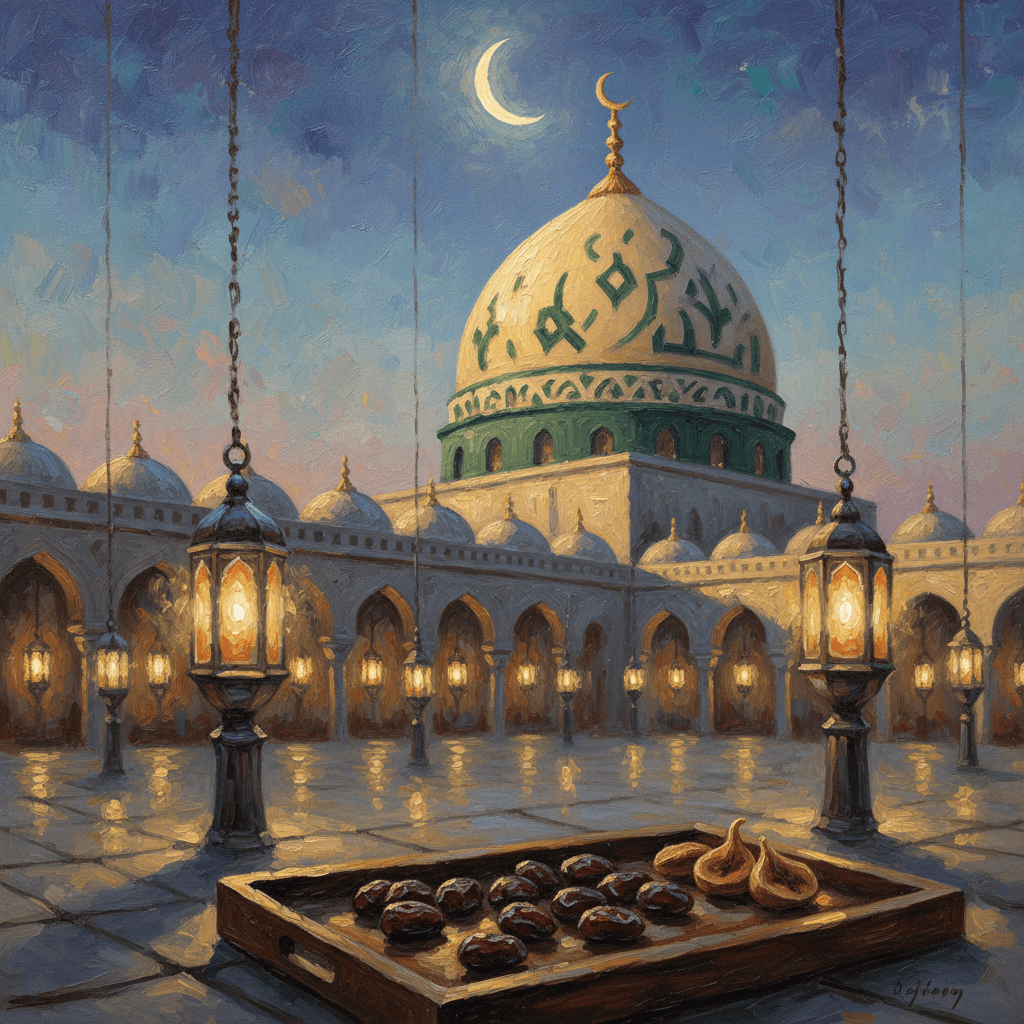
Every Ramadan, there is a point where the initial energy has faded. By week three, the nights feel shorter, the fasting feels heavier, and the zeal of the first taraweeh has settled into routine.
Then the last 10 nights arrive — and everything changes.
If you have ever been in a masjid during these nights, you felt it. Something shifts. The sleepiness is still there, but so is something else: the sense that you are standing inside a compressed window of mercy unlike anything else in the Islamic calendar.
What the Last 10 Nights Actually Are
The last 10 nights of Ramadan begin on the evening of the 20th day. These nights are singular because within them is hidden Laylatul Qadr (ليلة القدر), the Night of Power.
Allah devoted an entire surah to it:
إِنَّا أَنزَلْنَاهُ فِي لَيْلَةِ الْقَدْرِ وَمَا أَدْرَاكَ مَا لَيْلَةُ الْقَدْرِ لَيْلَةُ الْقَدْرِ خَيْرٌ مِّنْ أَلْفِ شَهْرٍ
"Indeed, We revealed it during the Night of Power. And what can make you know what is the Night of Power? The Night of Power is better than a thousand months."
— (Surah Al-Qadr, 97:1-3)
A thousand months is roughly 83 years — more than most people ever live. The deeds of this one night outweigh a lifetime of worship if you miss it. The Prophet ﷺ himself intensified his worship in these 10 nights beyond any other time of year: "He used to exert himself in devotion during the last ten nights to a greater extent than at any other time." (Sahih Muslim 1175)
Why Most Muslims Underuse These Nights
The nafs is particularly clever about these nights. It knows they matter. So it deploys familiar tactics: exhaustion, long iftar gatherings that run into Taraweeh time, the comfort of "I will make up for it tomorrow night."
There is also a structural problem. Most Muslims have not built a regular Tahajjud habit before Ramadan. When the last 10 nights arrive, waking at 2 AM for extended worship requires a muscle that was never trained. The Companions of the Prophet did not wake for Tahajjud only in Ramadan — their nights were already built around worship. The last 10 nights were an intensification, not a cold start.
This year can be different. Not by doing everything perfectly, but by being intentional about the five nights that matter most.
How to Make the Last 10 Nights Count
Commit to the odd nights specifically
Seek Laylatul Qadr on the 21st, 23rd, 25th, 27th, and 29th nights. That is five targeted nights. On even nights, rest and recover so you show up fully on the odd ones. Burning yourself out on all 10 leads to missing the key nights entirely.
Learn the one dua the Prophet prescribed for these nights
Aisha رضي الله عنها asked the Prophet: "If I witness Laylatul Qadr, what should I say?" He answered:
اللَّهُمَّ إِنَّكَ عَفُوٌّ تُحِبُّ الْعَفْوَ فَاعْفُ عَنِّي
Allahumma innaka afuwwun tuhibbul afwa fafuanni
"O Allah, You are the Pardoner, You love to pardon, so pardon me."
— (Tirmidhi 3513)
This is the dua. Repeat it in sujood, in the quiet of the night, wherever you are. The Prophet chose this as the answer to how to mark the holiest night of the year — comprehensive forgiveness is the greatest thing any night can give. For more duas to recite, see dua for Laylatul Qadr.
Sleep strategically
The biggest obstacle to night worship is physical exhaustion. After Dhuhr on odd days, take a 20-minute nap if you can. Reduce screen time after Isha. Eat lightly at Suhoor — a heavy stomach makes waking harder. If Tahajjud is new for you, how to wake up for Tahajjud covers the practical framework.
Minimize the world for these nights
Step back from non-essential social commitments, late-night phone use, and anything that is not worship or necessary rest. The Prophet used to "tighten his belt" in these nights — pulling back from ordinary life to concentrate fully on Allah.
Track Your Last 10 Nights of Ramadan
DeenBack helps you build nightly worship streaks across Ramadan's final stretch — log Tahajjud, dhikr, and dua so you know you showed up for every odd night.


Free download. Premium features available in-app.
What to do in your night hours
You do not need a rigid program. The core acts are:
- Night prayer — Tahajjud after midnight or extended Taraweeh
- Quran recitation with meaning, not speed
- Dhikr — SubhanAllah, Alhamdulillah, Allahu Akbar
- Personal dua in your own language — pour your heart out
- Istighfar (seeking forgiveness) in sujood
- Salawat on the Prophet ﷺ
Presence matters more than performance. Ten minutes of focused, tearful dua outweighs two hours of sleepy recitation.
Signs That These Nights Are Working
You know something is shifting when dua feels less like a list and more like a real conversation with Allah. When you wake for Fajr without resistance. When the tiredness of the night becomes something you welcome rather than dread.
Laylatul Qadr is described in the Quran as a night of salam — peace. Many who have experienced it report an unusual tranquility that is hard to explain — a sense that something unseen has moved.
Common Questions
What if I miss the odd nights due to work or illness? Allah is Al-Afuww — the Pardoner. Make dua from your bed, from your commute. The sincere intention to seek these nights counts. If you genuinely could not wake, make istighfar and ask Allah to accept whatever you gave.
Is Laylatul Qadr definitely the 27th? Scholars differ. The 27th is most commonly cited, but the Prophet sought it across all five odd nights — which is why the Sunnah is to treat every odd night with full effort. Do not skip the 21st and 25th waiting for the 27th.
Can I make up for a weak start to Ramadan in the last 10 nights? Yes. The Prophet ﷺ said: "Whoever stands in prayer on Laylatul Qadr with faith and hoping for reward, his previous sins will be forgiven." (Bukhari 2014). The door is always open until it closes.
These Nights Will Not Come Again
This Ramadan — these specific nights, this version of you — will not exist again.
Every act done in Laylatul Qadr echoes for more than 83 years. Every dua lifted with a sincere heart on any of the odd nights may be the one that changes everything. To understand the full spiritual weight of what is available to you, see what is Laylatul Qadr — and when is Laylatul Qadr for the evidence behind which nights to prioritize.
You do not need to have been perfect. You need to show up tonight.
Build Your Ramadan Night Worship Habit
DeenBack tracks your dhikr, dua, and Quran streaks across the last 10 nights of Ramadan — so every blessed night is accounted for and none are wasted.
Free download. Premium features available in-app.
Frequently Asked Questions
What should I do in the last 10 nights of Ramadan?
Focus on night prayer, the dua of Laylatul Qadr — Allahumma innaka afuwwun tuhibbul afwa fafuanni — and maximize dhikr and Quran recitation. Treat every odd night as if it could be Laylatul Qadr, because it could be.
Which night is Laylatul Qadr?
The Prophet said to seek Laylatul Qadr in the odd nights of the last 10 days — the 21st, 23rd, 25th, 27th, or 29th night. The exact night is hidden so that believers worship all of them with full effort.
Can I make the most of the last 10 nights if I cannot do itikaf?
Absolutely. Itikaf is sunnah, not obligatory. You can maximize the last 10 nights at home by staying up on odd nights, increasing dua, limiting distractions, and treating every odd night as potentially Laylatul Qadr.
What is the dua for Laylatul Qadr?
Aisha asked the Prophet what to say if she witnesses Laylatul Qadr. He replied: Allahumma innaka afuwwun tuhibbul afwa fafuanni — O Allah, You are the Pardoner, You love to pardon, so pardon me. (Tirmidhi 3513)
How do I stay awake during the last 10 nights?
Nap after Dhuhr or Asr, limit screens after Isha, eat lightly at Suhoor, and set an alarm for Tahajjud. Starting with one full odd night is better than exhausting yourself across all ten.