
- Published on
What Is Shirk in Islam? The One Sin That Changes Everything
- Authors

- Name
- Ahmad
- Role
- Senior Marketing Manager, Islamic education • Deen Back
بِسْمِ اللهِ الرَّحْمٰنِ الرَّحِيْمِ
In the name of God, the Most Gracious, the Most Merciful.
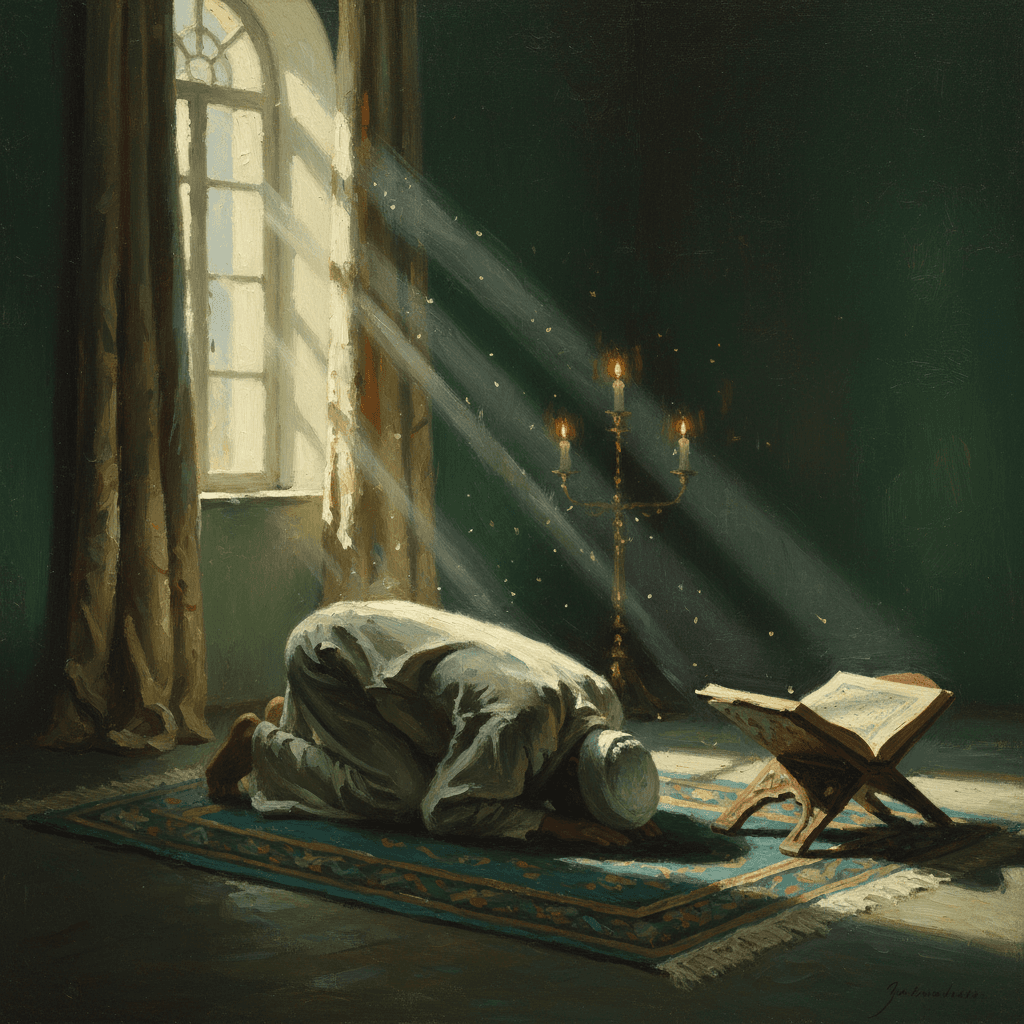
There is one sin in Islam that changes everything — not because Allah is harsh, but because of what this sin fundamentally is.
Shirk is the act of associating partners with Allah. It is not just a rule to follow — it is the one violation that contradicts the entire foundation of Islam. And because Muslims are surrounded by subtle forms of it every day, understanding shirk clearly is not optional for anyone who wants to grow in this deen.
This is not a fear-based article. It is a clear-eyed look at what shirk is, what forms it takes in our modern lives, and how to protect yourself from it practically.
What Shirk Actually Means
The Arabic word shirk (شِرْك) comes from the root meaning "to share" or "to partner." In Islamic theology, it means attributing the attributes of Allah — His divinity, His power, His right to be worshipped — to anything or anyone other than Allah alone.
Allah says in the Quran:
إِنَّ اللَّهَ لَا يَغْفِرُ أَن يُشْرَكَ بِهِ وَيَغْفِرُ مَا دُونَ ذَٰلِكَ لِمَن يَشَاءُ
Innallaha la yaghfiru an yushraka bihi wa yaghfiru ma duna dhalika liman yasha
"Indeed, Allah does not forgive association with Him, but He forgives what is less than that for whom He wills."
— (Surah An-Nisa, 4:48)
This verse is not meant to terrify — it is meant to orient. Every other sin, no matter how serious, has a pathway to forgiveness. Shirk, if a person dies upon it without repentance, is the one that closes that door.
The deep reason: tawhid (التوحيد — the oneness of Allah) is not just a belief. It is the organizing principle of reality itself. Shirk does not just break a commandment; it misrepresents who Allah is and who you are in relation to Him.
Why Modern Muslims Struggle With Shirk
Here is what most people get wrong about shirk: they think it only means worshipping literal idols. So they reassure themselves — "I do not bow to statues, so I am fine."
But the Prophet ﷺ warned about forms of shirk that are much closer to home:
The nafs (lower self) is one of the most consistent sources of subtle shirk. When your desire for approval from people becomes stronger than your desire for approval from Allah — that is a form of the "hidden shirk" the Prophet warned about.
"What I fear most for you is the lesser shirk — riya (showing off). Allah will say on the Day of Resurrection when rewarding people for their deeds: 'Go to those for whom you were showing off in the world and see if you find any reward with them.'" — (Ahmad 23630, sunnah.com)
Riya — performing acts of worship to be seen and praised by others — is explicitly called shirk by the Prophet. And it lives in the space between every salah and Instagram story, every act of charity witnessed and shared.
Other modern forms to be aware of:
- Believing in "bad luck" or "good luck charms" — attributing benefit or harm to objects or dates (Friday the 13th, black cats) that have no power of their own
- Superstition about specific times or numbers — as if they have inherent power independent of Allah
- Seeking spiritual assistance from graves or shrines in a way that implies the deceased has power to benefit or harm independently of Allah
How to Practice Tawhid Daily
Understanding shirk is only useful if it leads to action. Here is how to build the habit of protecting your tawhid:
1. Learn what la ilaha illallah actually means This kalima is not just a phrase to recite — it is a complete worldview. La ilaha (لا إله) — there is no deity worthy of worship. Illallah (إلا الله) — except Allah. This is a negation before an affirmation: clear out everything else, then establish Allah. Study what is taqwa in Islam to understand how tawhid manifests as lived fear of Allah.
2. Check your intentions regularly Before acts of worship, pause and ask: who is this for? This is the antidote to riya. Make it a habit — not an occasional reflection, but a before-prayer practice.
3. Use the morning and evening adhkar The morning and evening remembrances include a specific dua:
اللَّهُمَّ إِنِّي أَعُوذُ بِكَ أَنْ أُشْرِكَ بِكَ وَأَنَا أَعْلَمُ وَأَسْتَغْفِرُكَ لِمَا لَا أَعْلَمُ
Allahumma inni a'udhu bika an ushrika bika wa ana a'lam, wa astaghfiruka lima la a'lam
"O Allah, I seek refuge in You from associating partners with You knowingly, and I seek Your forgiveness for what I do not know."
— (Ahmad 19606)
The Prophet taught this specifically to protect Muslims from hidden shirk. Say it morning and evening. It is one of the most targeted duas in all of the Sunnah for this exact protection.
4. When you feel spiritually "stuck," look at your intentions Spiritual emptiness often traces back to a period of performing acts of worship for the wrong audience. The reconnection starts with tawbah and recalibrating to sincerity. See how to repent for major sins in Islam and how to make sincere tawbah for the practical path back.
Guard Your Tawhid — One Day at a Time
DeenBack helps you track your morning and evening adhkar — the daily shield against shirk the Prophet prescribed. Build the habit that protects your faith.


Free download. Premium features available in-app.
Signs of Progress in Tawhid
Growing in tawhid is not dramatic — it is a slow, quiet shift in where you look for strength.
You know you are growing when:
- You genuinely do not need praise for your good deeds — you feel a quiet satisfaction that comes from doing it for Allah
- Bad luck or superstition no longer make you anxious — you know outcomes are with Allah
- You feel more at peace during hardship because you trust the Decree, not chance
- Your worship feels less performative and more like a private conversation
These are not overnight changes. They are the fruit of consistently learning, consistently checking intentions, consistently returning to Allah.
Common Questions
Is it shirk to say "this medicine cured me" or "this tree gave me shade"? No — these are normal descriptions of secondary causes. Islam does not deny that medicine works or that rain grows crops. The shirk would be saying the medicine or tree has power independently of Allah — or worshipping them. Using them while knowing that all real power is from Allah is perfectly fine.
Is celebrating mawlid (the Prophet's birthday) shirk? This is a question scholars disagree on. The majority view is that celebrating mawlid is a bidah (innovation) — some say a praiseworthy bidah, others say blameworthy — but it is not shirk unless it involves supplicating to the Prophet as if he can independently grant requests.
If I worry a lot about whether I have done shirk unknowingly, is that a sign? Excessive worry about having committed shirk is often waswas (obsessive doubt from Shaytan). The fact that you worry about it is actually a sign of healthy iman. Make the morning dua above, renew your intention, and move forward. Do not let Shaytan use concern for tawhid as a tool to paralyse you.
How is shirk different from bidah? Bidah (innovation in worship) is adding to the religion what was not there. Shirk is associating partners with Allah. They are different categories. Some bidahs can involve shirk, but many do not. See how to increase iman for a broader picture of protecting your faith.
Closing — Tawhid Is a Practice, Not a Statement
The kalima is said with the tongue. But tawhid is built in the intention before every prayer, in the trust during every hardship, in the sincerity behind every act of charity.
Shirk begins the moment something else — approval, fear, attachment — takes the place that belongs to Allah alone in your heart.
The protection is not fear. The protection is knowledge, consistency in adhkar, and the daily practice of checking where you are directing your heart.
Start with the morning dua. Say it today. Say it tomorrow. Say it until it becomes the lens through which you see everything.
Protect Your Faith with Daily Adhkar
DeenBack makes morning and evening adhkar a daily habit — including the duas that protect against shirk. Guard your tawhid one morning at a time.
Free download. Premium features available in-app.
Frequently Asked Questions
What is shirk in Islam?
Shirk (شرك) means associating partners with Allah — attributing divine qualities, power, or worship to anything or anyone other than Allah. It is considered the gravest sin in Islam because it contradicts the core of tawhid (the oneness of Allah).
What are the types of shirk?
Scholars categorize shirk as major (akbar) and minor (asghar). Major shirk includes worshipping idols, graves, or other deities alongside Allah, and it exits a person from Islam if done deliberately. Minor shirk includes showing off in worship (riya), swearing by other than Allah, and similar acts that do not exit one from Islam but are still gravely sinful.
Is riya (showing off) considered shirk?
Yes, riya is classified as minor shirk. The Prophet called it the 'hidden shirk' — performing acts of worship to be seen by people rather than for Allah alone. It does not take a person out of Islam, but it voids the reward of the deeds performed with it.
Can shirk be forgiven?
Major shirk can be forgiven if a person genuinely repents and embraces tawhid. The Quran states that Allah does not forgive shirk if one dies upon it (4:48), but sincere tawbah during one's lifetime is always accepted. Minor shirk is forgiven through sincere repentance.
How do I protect myself from shirk?
Learn the meaning of la ilaha illallah, not just the words. Regularly check your intentions before worship. Avoid superstitions and seeking intercession through non-prophetic sources. Make the morning and evening adhkar, which include seeking refuge from shirk.