
- Published on
What Is Jannah? The Islamic Description of Paradise
- Authors

- Name
- Ahmad
- Role
- Senior Marketing Manager, Islamic education • Deen Back
بِسْمِ اللهِ الرَّحْمٰنِ الرَّحِيْمِ
In the name of God, the Most Gracious, the Most Merciful.
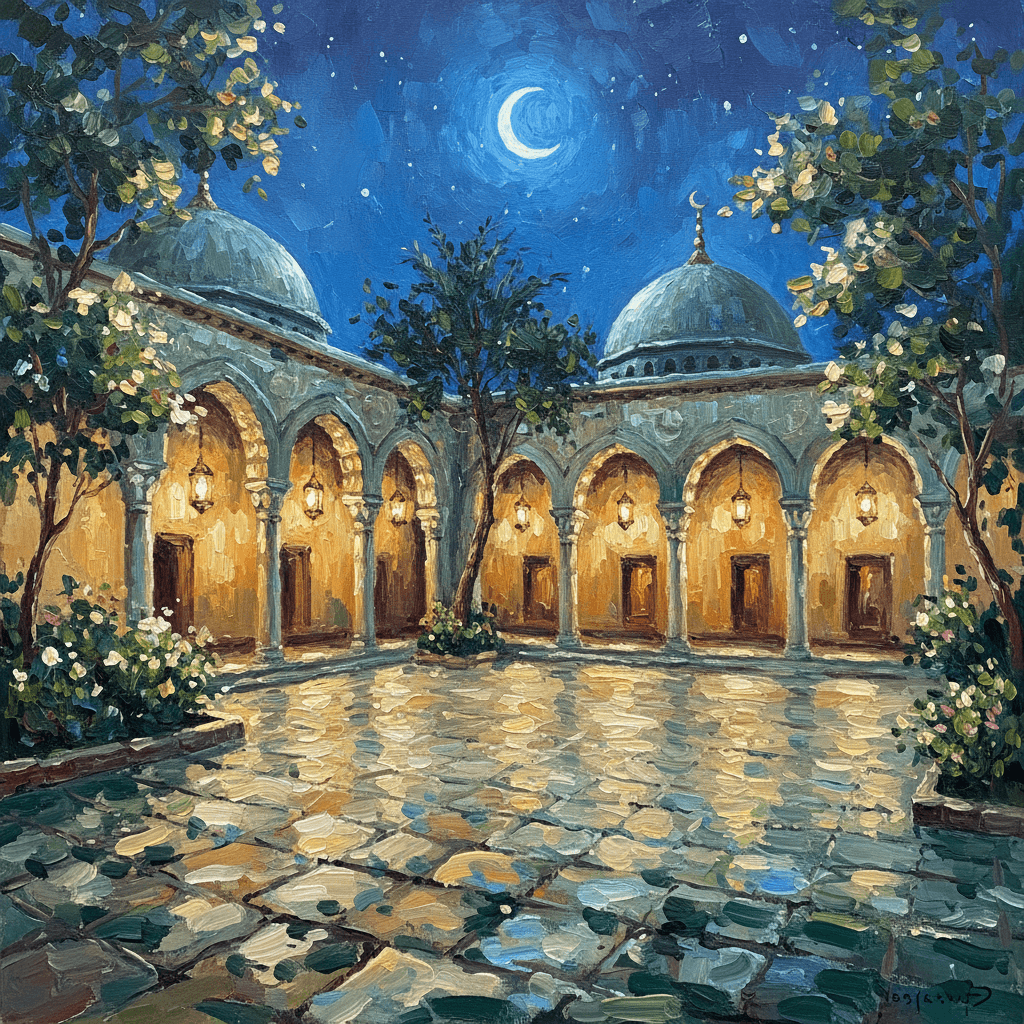
Have you ever worked hard for something so long that you forgot why you started?
The deen can feel like that sometimes. You are trying to pray on time, avoid what is haram, be patient in hardship — and some days you do not feel any momentum. The struggle is real and the finish line feels invisible.
Jannah — paradise — is the finish line. And understanding what it actually is changes how you show up to the daily grind of this dunya.
What Jannah Actually Means
جَنَّة — Jannah — literally means "garden." But the word in Arabic implies covering, lush shade, abundance. It is not a euphemism; it points to something real.
In the Quran, Jannah is described with more detail than almost any other concept. Allah says:
مَثَلُ الْجَنَّةِ الَّتِي وُعِدَ الْمُتَّقُونَ ۖ فِيهَا أَنْهَارٌ مِّن مَّاءٍ غَيْرِ آسِنٍ وَأَنْهَارٌ مِّن لَّبَنٍ لَّمْ يَتَغَيَّرْ طَعْمُهُ وَأَنْهَارٌ مِّنْ خَمْرٍ لَّذَّةٍ لِّلشَّارِبِينَ وَأَنْهَارٌ مِّنْ عَسَلٍ مُّصَفًّى
"The description of the paradise which the righteous have been promised: in it are rivers of fresh, unpolluted water; rivers of milk whose taste never changes; rivers of wine delicious to those who drink; and rivers of clarified honey."
— (Surah Muhammad, 47:15)
The Prophet ﷺ added:
فِي الْجَنَّةِ مَا لَا عَيْنٌ رَأَتْ وَلَا أُذُنٌ سَمِعَتْ وَلَا خَطَرَ عَلَى قَلْبِ بَشَرٍ
Fil-jannati ma la 'aynun ra'at wa la udhunun sami'at wa la khatara 'ala qalbi bashar
"In paradise there is what no eye has seen, no ear has heard, and no human heart has imagined."
Think about that. The greatest pleasure you have ever experienced in this life — your imagination — cannot reach what Jannah actually is.
The highest reward of Jannah is not the rivers or the palaces or the fruit. It is seeing Allah directly. The Prophet described it as infinitely greater than everything else in Jannah combined. Understand what taqwa really means and you understand why people who truly have it cannot stop working toward that moment.
Why Modern Muslims Struggle to Stay Motivated by Jannah
The problem is not that we do not believe in Jannah. It is that the dunya is right here and Jannah feels far away.
Social media puts the pleasures of this world two centimeters from your face. The nafs — the lower self — is drawn to the immediate. It always has been. This is not a new problem; the Prophet warned against excessive attachment to dunya 1,400 years ago.
The real battle is about where your imagination lives. If you spend more time imagining your next vacation than imagining Jannah, your motivation for worship will feel thin. This is not a character flaw — it is a calibration issue.
The Companions used to describe Jannah to each other to keep their motivation alive. Practical techniques for building your daily ibadah routine start with something like this: give your mind vivid, correct images to work with.
How to Make Jannah Part of Your Daily Life
1. Read the Quran with Jannah in mind
When you read descriptions of Jannah in the Quran — and they are everywhere — pause. Do not rush past them. Visualize. The Quran is not giving you abstract theology; it is giving you something to want.
2. Learn the gates of Jannah
The Prophet ﷺ described eight gates of Jannah, each associated with a deed:
- Bab As-Salah — for those consistent in prayer
- Bab Ar-Rayyan — for those who fasted
- Bab As-Sadaqah — for those who gave in charity
- Bab Al-Jihad — for those who strove in Allah's cause
Ask yourself: which gate are you building toward? Then let every daily action be a brick in that door.
3. Make the dua of Jannah a daily anchor
اللَّهُمَّ إِنِّي أَسْأَلُكَ الْجَنَّةَ وَمَا قَرَّبَ إِلَيْهَا مِنْ قَوْلٍ أَوْ عَمَلٍ
Allahumma inni as'alukal-jannah wa ma qarraba ilayha min qawlin aw 'amal
"O Allah, I ask You for paradise and for whatever brings me closer to it in words and deeds."
Say this after every salah. The act of asking for Jannah repeatedly rewires how you see your daily choices — suddenly every good deed is not a chore, it is a deposit.
Build the Daily Habits That Lead to Jannah
DeenBack helps you track dhikr, duas, and salah streaks — turning your daily intentions into a consistent path toward what matters most.


Free download. Premium features available in-app.
4. Connect your struggles to the price of Jannah
The Prophet ﷺ said:
حُجِبَتِ النَّارُ بِالشَّهَوَاتِ وَحُجِبَتِ الْجَنَّةُ بِالْمَكَارِهِ
Hujibatin-naru bish-shahawati wa hujibatil-jannatu bil-makarih
"The hellfire is veiled by desires, and paradise is veiled by hardships."
That difficult salah you pushed yourself to pray. The temptation you said no to. The patience you had in a moment of frustration. Each one is the veil between you and Jannah being lifted slightly. This reframe — seeing hardship as the door rather than the obstacle — is one of the most powerful shifts a Muslim can make.
Signs of Progress
You know Jannah is becoming real to you when:
- You feel genuine sadness when you miss a good deed, not just guilt
- The pleasures of dunya start to feel smaller and more temporary
- You start making choices based on "what will I wish I had done on the Day of Judgment" rather than "what feels good right now"
- Sabr becomes easier because you see hardship as paying a price worth paying
Understanding sabr in Islam helps you see that patience is not passive endurance — it is active preparation.
Common Questions
Is Jannah guaranteed for Muslims? Iman (belief) is the prerequisite. But the Prophet ﷺ warned against assuming automatic entry — the state of one's heart at death, consistency in deeds, and the mercy of Allah all matter. The point is not anxiety; it is that the work is real and the reward is real.
Are there physical pleasures in Jannah? Yes. The Quran describes physical pleasures — food, drink, garments, companionship. Islam does not view the body as a prison to escape. The pleasures of Jannah are described as having the form of dunya pleasures but infinitely superior in quality.
Can I help loved ones reach Jannah? Yes. Dua for others is powerful. The Prophet said giving sadaqah jariyah on behalf of deceased parents benefits them. Your own righteousness and dua are gifts you can send ahead for those you love.
What is the highest level of Jannah? Al-Firdaus is the highest level. The Prophet said: "If you ask Allah, ask Him for al-Firdaus, for it is the center of Jannah and the highest part of it." (Sahih Bukhari 2790)
Closing
Jannah is not a fairy tale to comfort yourself with. It is a real destination that reshapes your real choices.
Make it vivid. Make it personal. Let it motivate your salah, your dua, your patience, and your daily habits. And when this dunya tempts you with something smaller, remember what you are building toward.
Read the dua for Jannah and make it part of your daily practice — because every sincere supplication is a step closer to where you want to be.
Make Jannah Your Daily Goal
Use DeenBack to track the habits that matter most — prayer, dhikr, dua, and sadaqah — and build a streak that reflects what you are truly working toward.
Free download. Premium features available in-app.
Frequently Asked Questions
What is Jannah in Islam?
Jannah (جَنَّة) literally means garden. In Islamic theology, it refers to paradise — the eternal abode of those who believed and did righteous deeds. It is described in the Quran as a place of unimaginable beauty, peace, reward, and closeness to Allah. It has multiple levels, with the highest being Firdaus.
How many levels does Jannah have?
The Prophet described Jannah as having 100 levels. The highest is Al-Firdaus, which the Prophet recommended asking for. Each level differs in its rank and reward. The people of each level will see those above them as we see distant stars in the sky.
Who will enter Jannah?
Those who believed in Allah, followed the Prophet, and did righteous deeds. The Prophet described specific groups: those who pray consistently, give in charity, control their tongues, lower their gaze, and maintain family ties. Jannah is not earned by deeds alone — it is by the mercy of Allah — but deeds are the door.
What does Jannah look like according to the Quran?
Jannah is described as having rivers of water, milk, honey, and wine (non-intoxicating). Its people will have whatever they desire, wear silk garments, recline on elevated couches, and experience no fatigue or grief. Most importantly, they will see Allah — described as the greatest reward in Jannah.
How do I increase my chances of entering Jannah?
The Prophet mentioned specific gates of Jannah for specific deeds: the gate of salah for those who prayed consistently, the gate of sadaqah for those who gave, the gate of Rayyan for those who fasted. The practical answer is: pick one good deed and be consistent with it every day, then build from there.