
- Published on
Is Selling on Amazon Haram? What Muslim Sellers Need to Know
- Authors

- Name
- Ahmad
- Role
- Senior Marketing Manager, Islamic education • Deen Back
بِسْمِ اللهِ الرَّحْمٰنِ الرَّحِيْمِ
In the name of God, the Most Gracious, the Most Merciful.
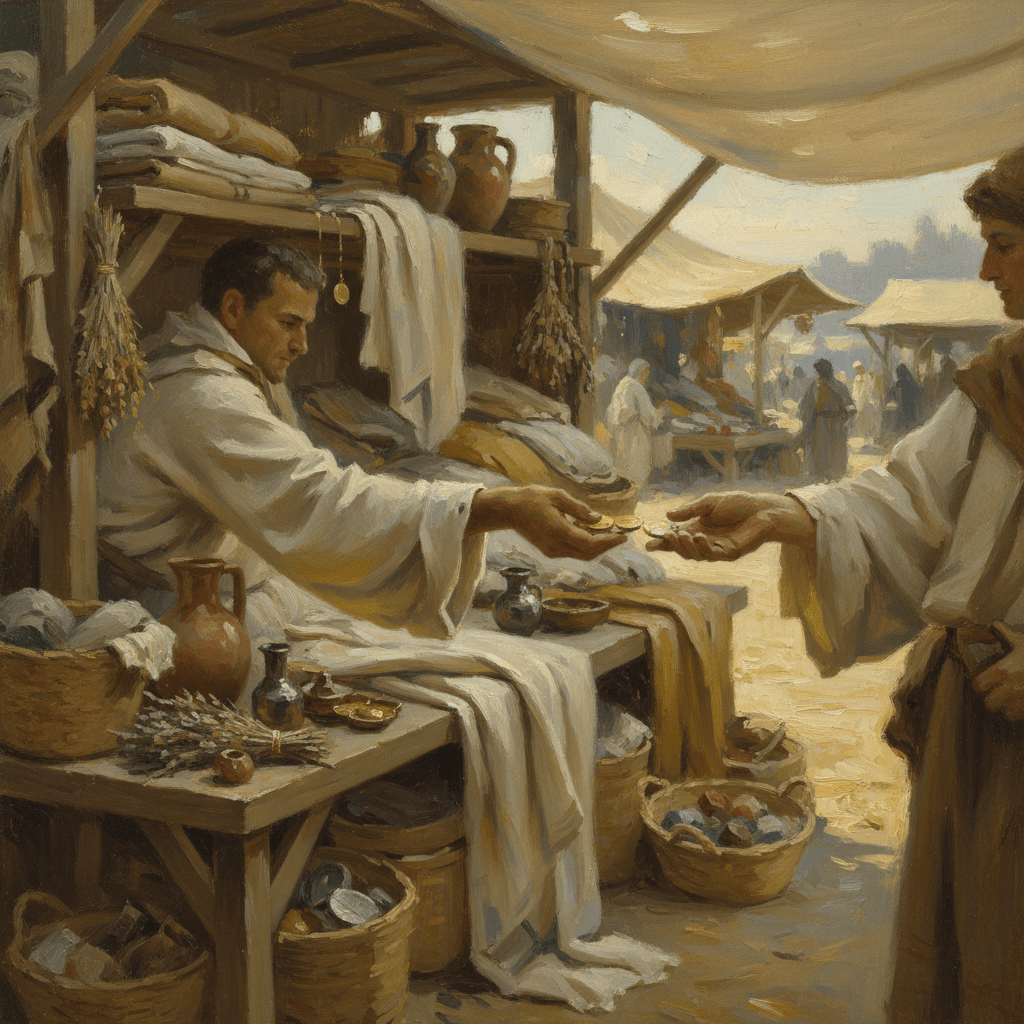
You are searching this because you are thinking about starting a business — or you already have one — and you want to make sure it is halal. That instinct to check your income is a sign of taqwa, not paranoia.
The short answer: selling on Amazon is generally halal. It is a marketplace, and marketplaces are neutral by nature. The permissibility of your business depends on what you sell and how you conduct it — not the platform itself.
But there are specific situations where selling on Amazon becomes haram. Let us go through them clearly.
The Quick Answer
Selling on Amazon is halal when:
- The products you sell are halal (not prohibited in Islam)
- You represent your products honestly (no deception in descriptions, images, or reviews)
- You meet your obligations to Amazon (following their seller agreements)
- You meet your obligations to customers (delivering what you promised)
Selling on Amazon becomes haram when:
- You sell items that are intrinsically haram (alcohol, pork, drugs, weapons for illegal use, explicit content, etc.)
- You engage in deception (fake reviews, misleading product descriptions, counterfeit goods)
- You violate contractual obligations knowingly
- You engage in fraudulent practices (refund abuse, fake returns, deceptive pricing)
What the Quran and Sunnah Say About Commerce
Islam has a sophisticated and positive view of honest trade. The Prophet ﷺ was himself a merchant before prophethood, and many of the greatest Companions were businesspeople.
يَا أَيُّهَا الَّذِينَ آمَنُوا لَا تَأْكُلُوا أَمْوَالَكُم بَيْنَكُم بِالْبَاطِلِ إِلَّا أَن تَكُونَ تِجَارَةً عَن تَرَاضٍ مِّنكُمْ
Ya ayyuhal ladhina amanu la ta'kulu amwalakum baynakum bil-batili illa an takuna tijaratan 'an taradin minkum
"O you who believe, do not consume one another's wealth unjustly — but only through trade by mutual consent."
— (Surah An-Nisa, 4:29)
The key principle: trade by mutual consent and without injustice. Amazon commerce fits this perfectly when conducted honestly — you list a product, a customer freely chooses to buy it, both parties agree to the terms.
The Prophet ﷺ also said: "The truthful, honest merchant is with the prophets, the righteous, and the martyrs." (Tirmidhi 1209)
Honest trade has elevated status in Islam. The concern is not commerce itself — it is corruption in commerce.
Why This Is Actually Hard — The Nafs in Business
Selling online, especially competitive Amazon selling, has genuine nafs tests built in.
The temptation to inflate reviews. Fake reviews are deception — pure and simple. Even if "everyone does it," even if your product is genuinely good, manufacturing false social proof is dishonest and therefore haram.
The temptation to exaggerate listings. Product photography tricks, misleading size comparisons, omitting known defects — these are forms of lying about what you are selling.
The temptation to chase shortcuts. Black hat tactics (keyword manipulation, competitor attacks, account manipulation) are forms of consuming others' wealth unjustly.
Every Muslim in business faces these pressures. Your nafs will argue: "It is just business. Everyone does it. You will fall behind if you do not."
The Sunnah's answer: "The honest trader is with the prophets." The shortcut that compromises your integrity is not worth the income it generates — because that income brings no barakah.
What to Do About It — Practical Steps
1. Audit your current or planned product list. Go through every item. Is it halal to consume, use, or own? Items like alcohol, tobacco products, pork-based products, explicit materials, weapons for illegal use — these are off-limits regardless of the profit potential.
2. Set a zero-tolerance policy on fake reviews. This is non-negotiable. Do not purchase reviews. Do not create fake accounts. Do not incentivize reviews in ways that violate Amazon's policies (which also happen to align with the Islamic principle of honest representation). Seek genuine feedback from real customers only.
3. Review your product descriptions for accuracy. Every claim you make about your product is a form of speech — and the Prophet ﷺ was extremely strict about truthfulness in trade. If a product has a limitation, disclose it. If dimensions are approximate, say so.
4. Honor your contracts. Your Amazon seller agreement is a contract. Violating it knowingly — through prohibited tactics, account manipulation, or any other breach — is a breach of contract that Islam takes seriously.
وَأَوْفُوا بِالْعَهْدِ إِنَّ الْعَهْدَ كَانَ مَسْئُولًا
Wa awfu bil-'ahd inna al-'ahda kana mas'ula
"And fulfill [every] commitment. Indeed, the commitment is ever [that about which one will be] questioned."
— (Surah Al-Isra, 17:34)
5. Treat customers as you would want to be treated. Respond to complaints fairly. Do not fight legitimate refund requests. If something goes wrong with an order, fix it — not because Amazon will penalize you otherwise, but because the customer is a person owed honest dealing.
6. Track your income sources. If any portion of your business income comes from haram products or practices, separate it, cease the practice, and where possible, donate the haram-tainted portion to charity (not as sadaqah expecting reward, but as removal of haram from your wealth).
Keep Your Business Accountable to Allah
DeenBack helps you build the daily habits of integrity and taqwa that make your business — and your life — halal from the inside out, not just on paper.


Free download. Premium features available in-app.
Common Questions
Is dropshipping on Amazon halal? Dropshipping in principle is permissible — you are facilitating a transaction between supplier and customer. The concerns are: (1) selling before you own the goods (scholars differ; the majority say it is permissible if the product exists and you have a right to sell it); (2) misleading customers about fulfillment times or sources; (3) selling haram products. Structure your dropshipping honestly and it is halal. See our full post on is dropshipping haram for the detailed ruling.
Can I sell things like music, movies, or other entertainment on Amazon? The permissibility depends on the content. Selling Islamic books, halal children's movies, and educational content is clearly fine. Selling content that is itself haram (explicit material, music in the view of scholars who consider it haram) would make the sale haram. This mirrors the principle: the permissibility of selling follows the permissibility of the product.
Is it haram to use Amazon Advertising to compete? No — using paid advertising is a legitimate business tool. The concern is only if the advertising involves false claims or promotes haram products. Honest Amazon PPC advertising is permissible.
What about selling secondhand haram items? (e.g., a used guitar from before you became Muslim) This is a nuanced fiqh question. The general principle is that selling an item whose primary use is haram (like a musical instrument, from the perspective of scholars who consider music haram) may itself be haram. Consult a scholar for specific situations.
The Muslim Seller's Advantage
Here is something worth reflecting on: the Islamic principles of honest trade are not a burden on your business. They are a competitive advantage in a marketplace flooded with deception.
Authentic, honest product descriptions. Real reviews. Reliable fulfillment. Fair customer service. These are what drive long-term success on Amazon — and they are exactly what Islam requires.
The Muslim seller who builds a business on honesty and taqwa is not at a disadvantage. They are building something with barakah — and barakah compounds in ways that shortcuts never do.
For related business ethics guidance, see is Amazon FBA haram and is trading haram for the broader Islamic commerce framework.
Build a Business With Barakah
DeenBack helps you stay grounded in your deen while building a career — track your daily habits of taqwa and integrity that make your earning halal and your life blessed.
Free download. Premium features available in-app.
Frequently Asked Questions
Is selling on Amazon halal or haram in Islam?
Selling on Amazon is halal in principle. It is a marketplace — like any marketplace — and its permissibility depends on what you sell and how you conduct your business. Selling halal products honestly and transparently is permissible. Selling haram items, using deceptive practices, or violating contracts is not.
Is Amazon FBA halal?
Amazon FBA (Fulfilled by Amazon) itself is halal — it is a storage and logistics service. Whether your FBA business is halal depends on the products you sell and whether you meet your contractual obligations to Amazon and your customers. The mechanism of FBA does not introduce any haram elements on its own.
Can Muslims sell competing products against other Muslim sellers on Amazon?
Yes — business competition is halal. Competing with other sellers through better pricing, quality, or service is legitimate. What is not permissible is engaging in fraud, sabotage, fake reviews, or other deceptive tactics that harm competitors or customers.
Is it haram to sell products made by non-Muslim companies?
No. The origin company's religion is not a factor in halal commerce. The halal question is about the product itself (is it haram?) and the business practices (are they honest?). Selling a halal product from a non-Muslim company is completely permissible.
What if Amazon sells haram products but I only sell halal ones? Am I affected?
No — you are responsible for your own listings, not the platform's other sellers. The same way a Muslim can rent a stall in a market that has other vendors selling haram things, using Amazon's marketplace while only selling halal products is permissible.