
- Published on
Is Amazon FBA Haram? What Every Muslim Seller Needs to Know
- Authors

- Name
- Ahmad
- Role
- Senior Marketing Manager, Islamic education • Deen Back
بِسْمِ اللهِ الرَّحْمٰنِ الرَّحِيْمِ
In the name of God, the Most Gracious, the Most Merciful.
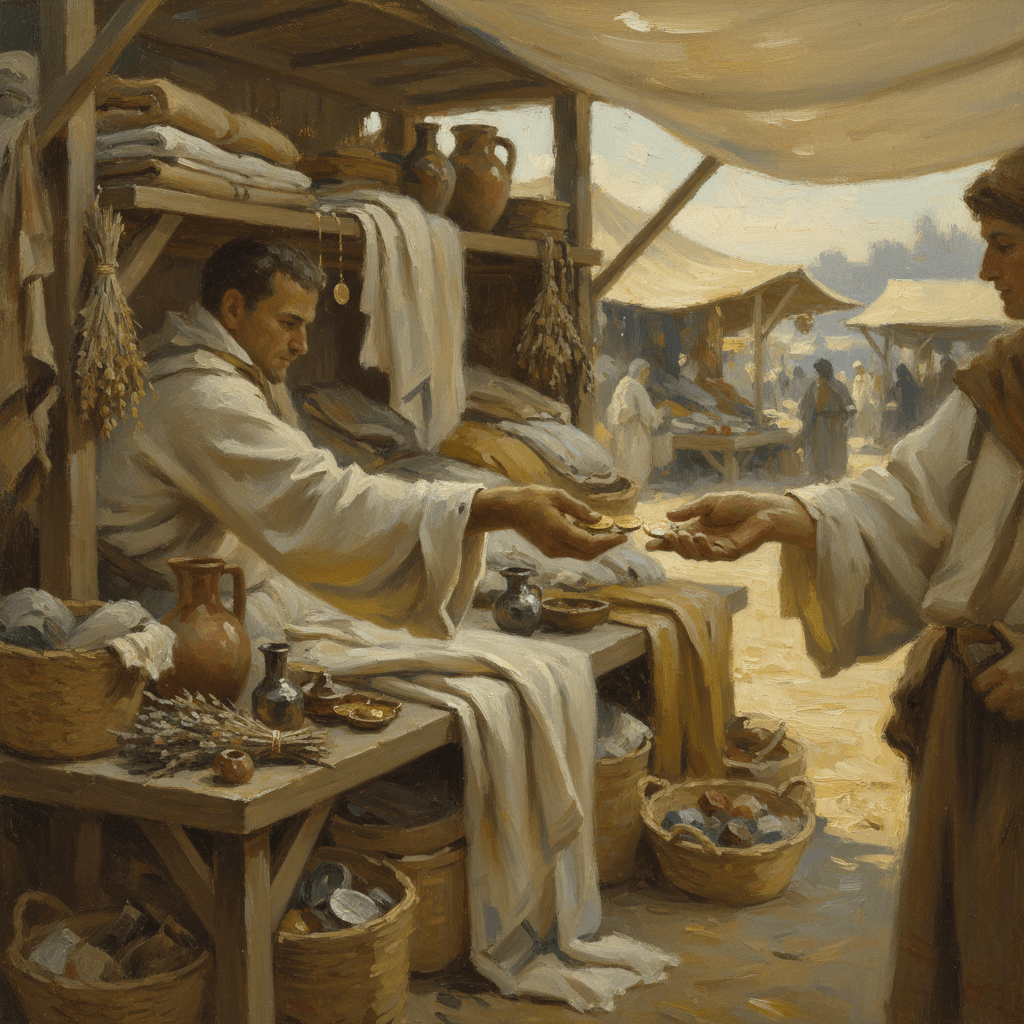
If you are searching "is Amazon FBA haram," you are probably not looking for a reason to quit. You are looking for permission to start — or reassurance that what you have already built is something Allah can put barakah into. That is a good place to be. It means you care about your rizq being clean, not just profitable.
The honest answer is that Amazon FBA is not inherently haram. But like any business, the details matter. The nafs is clever — it will find ways to cut corners if you are not paying attention. This article is not here to shut down your ambition. It is here to help you do this right, so your effort genuinely counts as halal.
The Quick Answer
Amazon FBA — Fulfillment by Amazon — is permissible (halal) in principle. The model is straightforward: you buy products, send them to Amazon's warehouse, and Amazon handles storage, packing, and shipping to customers. You sell at a markup. That is trade. Islam not only permits trade — it honors it.
"Allah has permitted trade and forbidden interest." (Quran, Surah Al-Baqarah, 2:275)
The platform itself is not the issue. What you sell, how you finance your business, and how honestly you conduct yourself — those are the questions that determine whether your Amazon FBA income is halal.
What the Quran and Sunnah Say
Trade is one of the most respected professions in Islam. The Prophet Muhammad ﷺ was himself a merchant before prophethood, and he ran his business with such integrity that Khadijah رضي الله عنها — one of the most successful businesswomen in Arabia — trusted him completely with her trade.
The Prophet ﷺ described the reward waiting for honest traders:
"The truthful, trustworthy merchant will be with the prophets, the truthful, and the martyrs." — (Tirmidhi 1209)
That is not a small thing. Your Amazon store, run with honesty and taqwa, can place you in that company. But the conditions matter.
Islam's trade ethics come down to a few clear principles:
- No deception — product listings must be accurate; you cannot hide defects or exaggerate what your item does
- No riba — interest is forbidden in all its forms, including business financing
- Halal products only — what you sell must be permissible
- No gharar — avoid excessive uncertainty or ambiguity in transactions
On the question of Amazon's fees: storage fees and fulfillment fees are normal business expenses, like paying rent on a warehouse or wages to a shipping team. They are not interest. You pay for a service, Amazon delivers it. This is permissible.
Why This Is Actually Hard
Knowing the rules is the easy part. The nafs is the hard part.
Amazon FBA creates specific temptations that are worth naming honestly. The first is the shortcut temptation: fake reviews. Amazon's algorithm rewards products with more reviews, and the temptation to inflate ratings — through review groups, incentivized purchases, or purchased reviews — is real and widespread. This is deception, and deception in trade is explicitly forbidden regardless of how common it is.
The second temptation is Amazon's own financing and lending programs. Amazon offers capital to sellers, and some of those programs involve interest. The fact that it is framed as "business credit" does not change what it is. If there is interest attached, it is riba, and using it would make your entire business income questionable.
The third difficulty is product sourcing. When you buy wholesale, you often have limited visibility into how your supplier manufactures their goods. Some Muslims worry: what if the factory uses haram processes? What if workers are being exploited? These are legitimate concerns, and while you cannot be held accountable for what you do not know, making reasonable efforts to vet your suppliers is part of ethical trade.
Finally, some Muslims carry guilt about "passive income" — as if money earned while you are sleeping must be somehow haram. This is not correct. You invested capital, you took on risk, you built a business. Earning returns on legitimate trade and investment is not passive in the blameworthy sense — it is exactly what halal commerce looks like. See also the related discussion on is investing haram for how scholars approach returns on capital.
What to Do About It — Practical Steps
This is where the article gets useful. Here is how to run an Amazon FBA business that is genuinely halal, not just theoretically permissible.
Step 1: Choose Halal Products
The platform is halal; what you put on it matters. Avoid listing alcohol, pork-based products, music instruments (if your view is that music is haram), gambling tools, or any item whose primary purpose is to facilitate something forbidden. Also avoid items that are technically legal but primarily used for harm.
When in doubt about a product category, ask yourself: if a knowledgeable Muslim saw my store, would they be concerned? That is a useful gut check.
Step 2: Avoid Interest-Based Financing
Do not use Amazon Lending, Amazon Line of Credit, or any other financing product that charges interest. This applies even if the rate seems small, even if every other seller is using it, and even if it would genuinely help your business grow faster.
Use your own saved capital to start. Grow from revenue. If you need external financing, look for halal alternatives — Islamic finance products, interest-free family loans, or business partners who share profit and risk without charging interest. For more context on why this matters so much, see why is interest haram.
Step 3: Write Honest Listings
Accurate product descriptions are not just good business — they are a religious obligation. Do not claim your product does something it does not do. Do not hide flaws. Do not use misleading photos. Do not engineer fake social proof.
The Prophet ﷺ said that honesty in trade brings barakah, and concealment removes it. A listing that converts through deception earns money that is not blessed. A listing that converts through honest description earns halal rizq.
Step 4: Pay Zakat on Your Inventory
Trade goods are zakatable. If you hold inventory with the intention of reselling it, and the value of that inventory reaches the nisab threshold, and you have held it for a full lunar year (the hawl), zakat is due on it.
For a practical example: if your total Amazon inventory value plus any other trade assets cross the nisab threshold and remain there for a lunar year, calculate 2.5% and pay it. This is often overlooked by Muslim sellers who think zakat only applies to gold and savings. It applies to trade stock too. Consult a scholar for your specific numbers.
Step 5: Make the Business an Act of Ibadah
Say Bismillah when you start your workday. Make your intention explicit — you are providing for your family, supporting your community, and using this business as a means of fulfilling your responsibilities as a Muslim. Give sadaqah from your profits regularly. Even a small, consistent amount changes the character of your income. See how to give sadaqah regularly for practical ways to build this habit.
When the business is struggling, remember that rizq is from Allah, not from the algorithm. That orientation protects you from haram shortcuts when the numbers are down.
Step 6: Be Careful With Dropshipping Through FBA
Some sellers use Amazon FBA alongside a dropshipping model — listing items they do not yet own, sourcing them only after a sale. This is a more complex situation from an Islamic perspective. The question of selling what you do not own is directly addressed in the Sunnah, and scholars have different views on when modern arrangements satisfy the ownership condition. For a full treatment, see is dropshipping haram before combining these models. The short answer: own your inventory before you list it wherever possible.
Run a Halal Business — Build a Halal Life
DeenBack helps you stay consistent in your deen even while building your business. Track your daily worship so hustle never replaces ibaadah.


Free download. Premium features available in-app.
Dua for Halal Rizq
When the pull of shortcuts is strong, or when you are anxious about whether your income is truly blessed, say this dua:
اللَّهُمَّ اكْفِنِي بِحَلَالِكَ عَنْ حَرَامِكَ، وَأَغْنِنِي بِفَضْلِكَ عَمَّنْ سِوَاكَ
Allahumma akfini bihalaalika 'an haraamika, wa aghnini bifadhlika 'amman siwaak
"O Allah, suffice me with what You have made halal, away from what You have made haram, and enrich me by Your bounty so that I need none other than You." (Tirmidhi 3563)
Say this every morning before you open your seller dashboard. It recalibrates your nafs before the day's decisions begin.
Common Questions
Is it haram to sell on Amazon internationally where pork products may be in the same warehouse?
No. You are not responsible for what other sellers store in Amazon's fulfillment centers. Your obligation is to ensure that what you sell is halal. The presence of other items in a shared warehouse does not contaminate your inventory or your income. This is similar to working in a building where other businesses operate — you are accountable for your own actions, not theirs.
What about Amazon Vine or review programs?
Amazon Vine is Amazon's official program where verified reviewers receive products for free in exchange for honest reviews. Because the reviews are required to be honest and the program is disclosed, participating in Vine as a seller is generally acceptable — you are providing the product, not buying a positive review. What is not acceptable is coordinating review groups outside Amazon's guidelines where the exchange of payment or reciprocal reviews creates fake social proof. That is deception in trade and is forbidden.
Is Amazon's Buy Now Pay Later option haram?
If the Buy Now Pay Later option charges interest to the buyer, it is haram for the buyer to use it. As a seller, you are not in control of how buyers choose to finance their purchases, so you are generally not held accountable for that choice. However, if you are using Buy Now Pay Later as a seller to finance your own inventory purchases, and it involves interest, that is riba and is forbidden for you. The same principle applies to any installment or deferred payment program: look at whether interest is charged, not just at how the product is marketed.
Do I have to pay zakat on my Amazon FBA inventory?
Yes — this is not optional for a Muslim seller. Inventory held for the purpose of resale ('urud al-tijarah) is subject to zakat when the nisab is met and the hawl (lunar year) has passed. Many Muslim sellers overlook this because they see their inventory as a business asset rather than wealth. But in Islamic jurisprudence, trade goods held for profit are explicitly included in what zakat is due on. Calculate the current market value of your inventory, add it to your other zakatable assets, and pay 2.5% if the total exceeds nisab. For more on managing wealth Islamically, see is investing haram for how scholars treat different asset types.
Your Business Can Be Worship
The Prophet ﷺ promised that the honest, trustworthy merchant will stand alongside the prophets and martyrs on the Day of Judgment. That means your Amazon store — if you run it with taqwa — is not just a side hustle. It is a form of worship. Every honest listing, every customer served well, every review not faked, every interest-based shortcut refused — these are acts that can earn you reward.
The conditions are not complicated. Sell what is halal. Finance with what is halal. Describe your products honestly. Pay your zakat. Make your intention right. Keep your prayers even when the orders are coming in and the dashboard is calling.
That is halal business. And halal business is barakah business.
Keep Your Deen Strong While Building Your Business
Don't let business hustle replace your prayers. DeenBack keeps your worship on track so your rizq is truly blessed.
Free download. Premium features available in-app.
Frequently Asked Questions
Is Amazon FBA halal or haram?
Amazon FBA is halal in principle — it is a form of legitimate trade. The key conditions are selling halal products, avoiding interest-based financing, and being honest in your listings.
Is it haram to use Amazon's lending or financing programs?
If Amazon's financing involves interest (riba), it would be haram to use it. Use your own capital or seek interest-free alternatives to keep your business fully halal.
Do I pay zakat on Amazon FBA inventory?
Yes — trade goods held for the purpose of resale are zakatable once a lunar year (hawl) has passed and they reach the nisab threshold. Consult a scholar for your specific situation.
Can I sell any product on Amazon FBA?
You must only sell halal products. Avoid alcohol, pork-based items, gambling tools, and anything that facilitates haram. The platform is halal; what matters is what you sell.