
- Published on
Fasting in Muharram: The Sacred Month and Its Spiritual Gifts
- Authors

- Name
- Ahmad
- Role
- Senior Marketing Manager, Islamic education • Deen Back
بِسْمِ اللهِ الرَّحْمٰنِ الرَّحِيْمِ
In the name of God, the Most Gracious, the Most Merciful.
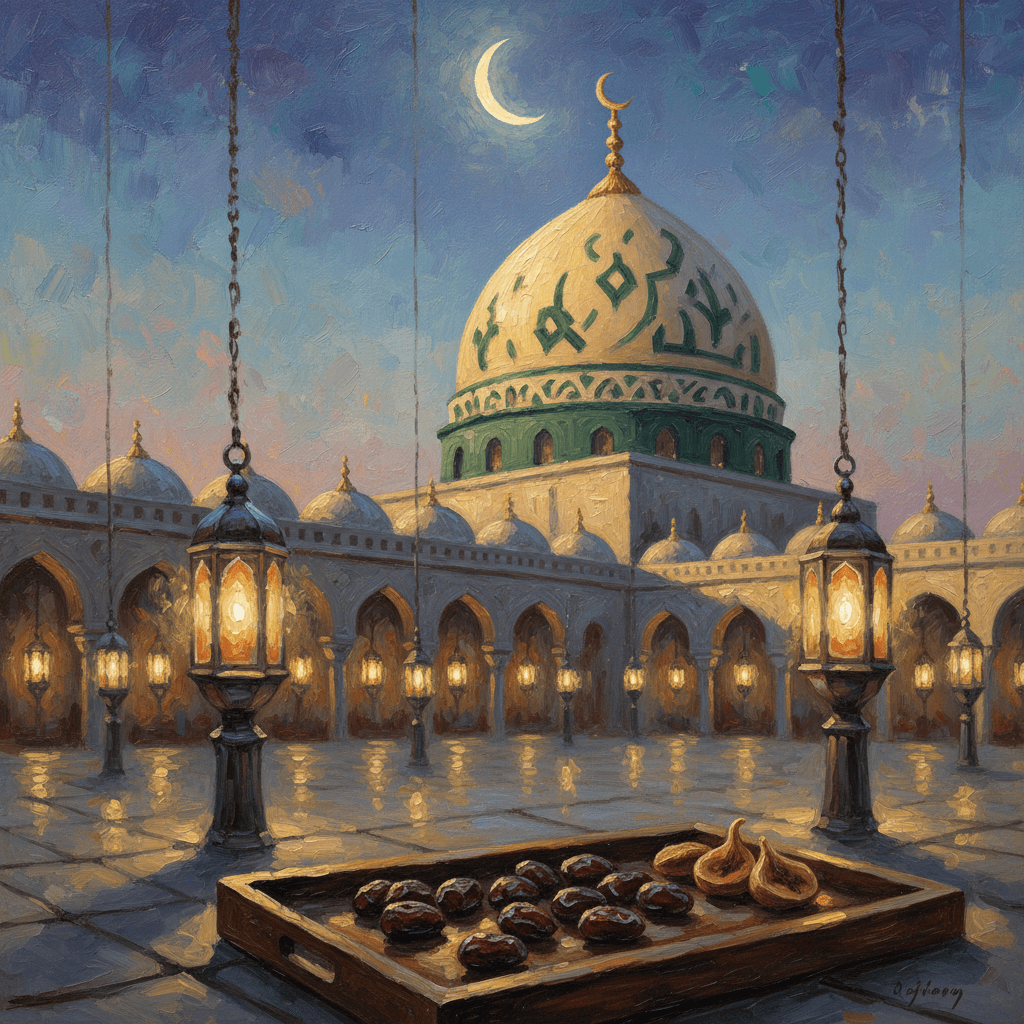
Most Muslims know Ramadan. Many know Ashura in passing. But the broader spiritual landscape of Muharram — what it is, why it matters, and what the Prophet ﷺ specifically recommended within it — often goes unexplored.
That gap is worth filling, because Muharram represents one of the most generous spiritual opportunities in the Islamic calendar, and most of it passes quietly while people are not paying attention.
What Is Muharram?
Muharram (مُحَرَّم) literally means "forbidden" or "sacred" — a month whose sanctity was established not by a new ruling but by Allah at the beginning of time:
إِنَّ عِدَّةَ الشُّهُورِ عِندَ اللَّهِ اثْنَا عَشَرَ شَهْرًا فِي كِتَابِ اللَّهِ يَوْمَ خَلَقَ السَّمَاوَاتِ وَالْأَرْضَ مِنْهَا أَرْبَعَةٌ حُرُمٌ
"Indeed, the number of months with Allah is twelve months in the register of Allah, from the day He created the heavens and the earth; of these, four are sacred."
The four sacred months are Dhul Qa'dah, Dhul Hijjah, Muharram, and Rajab. In these months, good deeds carry amplified weight — and so do sins. This is not a technicality; it is an invitation from Allah to use these windows of heightened spiritual gravity.
The Prophet's Guidance on Fasting in Muharram
The Prophet ﷺ was direct about the value of voluntary fasting in this month:
أَفْضَلُ الصِّيَامِ بَعْدَ رَمَضَانَ شَهْرُ اللَّهِ الْمُحَرَّمُ
Afdalu-ssiyami ba'da Ramadana shahru Allahil-Muharram
"The best fasting after Ramadan is the month of Allah, Muharram."
Note the phrasing: "the month of Allah" (shahru Allah). Of the twelve months, only Muharram received this specific attribution to Allah in the prophetic tradition. Scholars note that this attribution signals particular honour — the same way the Kaaba is called "the House of Allah" to elevate its status.
Ashura: The Spiritual Core of Muharram
The 10th of Muharram — Ashura — is the centrepiece of the month. Its significance is layered:
The historical connection: When the Prophet ﷺ arrived in Madinah, he found the Jews fasting on Ashura. They told him it was the day Allah saved Musa (Moses) and his people from Pharaoh and drowned Pharaoh in the sea. The Prophet said: "We have more right to Musa than you." He then fasted that day and commanded others to do so. (Sahih Bukhari 2004)
The reward: The Prophet ﷺ was asked about fasting on Ashura, and he said:
يُكَفِّرُ السَّنَةَ الْمَاضِيَةَ
Yukaffiru-ssanatal-madiyah
"It expiates the sins of the previous year."
A single day of fasting that covers a year of minor sins. This is among the most generous rewards cited in the Sunnah for any single voluntary act.
The 9th and 10th: The Prophet ﷺ intended to fast the 9th of Muharram alongside the 10th, to distinguish the Muslim practice from the Jewish practice of fasting on the 10th alone. He said: "If I live until next year, I will fast the ninth along with it." (Sahih Muslim 1134) He passed away before the next Muharram — but his clear intention is preserved as a recommendation. Fast the 9th and 10th, or the 10th and 11th.
Why Modern Muslims Miss This Opportunity
Muharram does not have the cultural infrastructure that Ramadan has. There are no iftars, no family gatherings, no social reminders. The grocery stores do not change. Your workplace routine continues.
This means Muharram fasting is almost entirely an internal, voluntary choice — which makes it both more difficult and more spiritually significant. When you fast in Muharram, you are not being carried by social momentum. You are choosing.
The nafs prefers the path of least resistance. In Ramadan, not eating is socially supported. In Muharram, it requires genuine inner motivation.
This is exactly why the Prophet ﷺ called it the best voluntary fasting — it is a test of whether your ibadah is habit and environment, or genuine love of Allah.
How to Practise Fasting in Muharram
Know the date before the month begins
The Islamic calendar is lunar, and Muharram's start date shifts every solar year. Check the Islamic calendar for the current year, mark the 9th, 10th, and 11th of Muharram in your phone, and set a reminder two days before.
This single act of preparation makes the difference between fasting Ashura and forgetting it.
Connect it to your existing voluntary fasting habit
If you already fast Mondays and Thursdays (the sunnah days), Muharram becomes a simple extension. Where Monday or Thursday falls in Muharram, set the specific intention for Muharram fasting on top of your regular practice.
If you don't yet have a voluntary fasting habit, Muharram — and Ashura specifically — is an excellent starting point. One day of fasting that expiates a year of sins is one of the most accessible opportunities in the Islamic year.
Track Your Sacred Month Habits
DeenBack helps you plan and track voluntary fasts across the Islamic calendar — so Muharram, Ashura, and every sacred opportunity becomes part of your yearly rhythm.


Free download. Premium features available in-app.
Make the intention the night before
Niyyah for voluntary fasts can be made before Fajr — unlike obligatory fasts where scholars debate the required timing. Before you sleep on the 8th or 9th of Muharram, make a clear intention: "I intend to fast tomorrow for the sake of Allah."
Spend Ashura in deliberate worship
Beyond the fast, Ashura is a day to increase your dhikr, your Quran recitation, your sadaqah, and your connection to the story of Musa (peace be upon him). The historical dimension of Ashura — the victory of truth over tyranny, of patience over persecution — is worth sitting with and reflecting on.
Signs of the Sacred Month Taking Root
You know Muharram fasting is becoming part of your annual rhythm when:
- You check the Islamic calendar in advance without being reminded
- The day of Ashura feels different — not just a skipped meal, but a deliberate spiritual statement
- You bring your family or close friends into the practice
Common Questions
Is fasting the entire month of Muharram recommended?
Fasting some days of Muharram is recommended. Fasting the entire month would be going beyond the explicit narrations, though some scholars who have recorded the general hadith about Muharram suggest that the more you fast in it, the better — within reason.
Can I fast Ashura if I have makeup days (qada) from Ramadan?
Yes. You can fast Ashura while still having qada days outstanding — they are different categories. However, making up Ramadan fasts takes priority over voluntary fasting in general.
Does the Ashura fast work only if I am already following Islam consistently?
The expiation of sins through fasting Ashura is Allah's gift to all sincere Muslims. It is not conditioned on a threshold of prior righteousness. Sincere intention and the fast are what matter. See fasting on ashura for the full detailed ruling on this specific day, and how to fast correctly for the essential fiqh every voluntary faster should know.
Is there anything specific to say during the Ashura fast?
No specific dua for Ashura is established in authentic narrations. Use the day for your regular dhikr — especially the dua for breaking fast at Maghrib and your morning adhkar.
The Invitation You Didn't Know Was There
Muharram is Allah's month. Its fasting is the Prophet's recommendation. Its rewards — especially on Ashura — are extraordinary.
Most Muslims will pass through Muharram this year without fasting a single day. You don't have to be one of them.
Make Muharram a Part of Your Annual Calendar
DeenBack helps you track every Islamic month's opportunities — so you never let another Ashura, Shawwal, or white day pass by unnoticed.
Free download. Premium features available in-app.
Frequently Asked Questions
Is fasting in Muharram recommended in Islam?
Yes. The Prophet ﷺ said Muharram is the best month for voluntary fasting after Ramadan (Sahih Muslim 1163). It is one of the four sacred months (Ashhur al-Hurum) and voluntary fasting in it, especially on Ashura (10th), carries significant reward.
Which days should I fast in Muharram?
The 10th of Muharram (Ashura) is the most important. The Prophet ﷺ intended to fast the 9th alongside it to differ from the Jewish practice (Sahih Muslim 1134). Fasting the 9th and 10th, or 10th and 11th, together is the most recommended approach.
What is the reward for fasting on Ashura?
The Prophet ﷺ said fasting on Ashura expiates the sins of the previous year (Sahih Muslim 1162). This is among the highest rewards cited for any single voluntary fast day.
Why is Muharram called a sacred month?
Muharram is one of four sacred months (Dhul Qa'dah, Dhul Hijjah, Muharram, and Rajab) mentioned in Surah At-Tawbah (9:36). In these months, sins are more serious and good deeds carry extra weight — they represent intensified periods of spiritual accountability.
Can I fast any day in Muharram or only specific ones?
Any day in Muharram can be fasted voluntarily. The 9th and 10th (or 10th and 11th) are specifically narrated as recommended. Beyond that, any voluntary fast within the month counts toward the general reward of fasting in Muharram.