
- Published on
Fasting on Ashura: The Story, the Reward, and How to Do It Right
- Authors

- Name
- Ahmad
- Role
- Senior Marketing Manager, Islamic education • Deen Back
بِسْمِ اللهِ الرَّحْمٰنِ الرَّحِيْمِ
In the name of God, the Most Gracious, the Most Merciful.
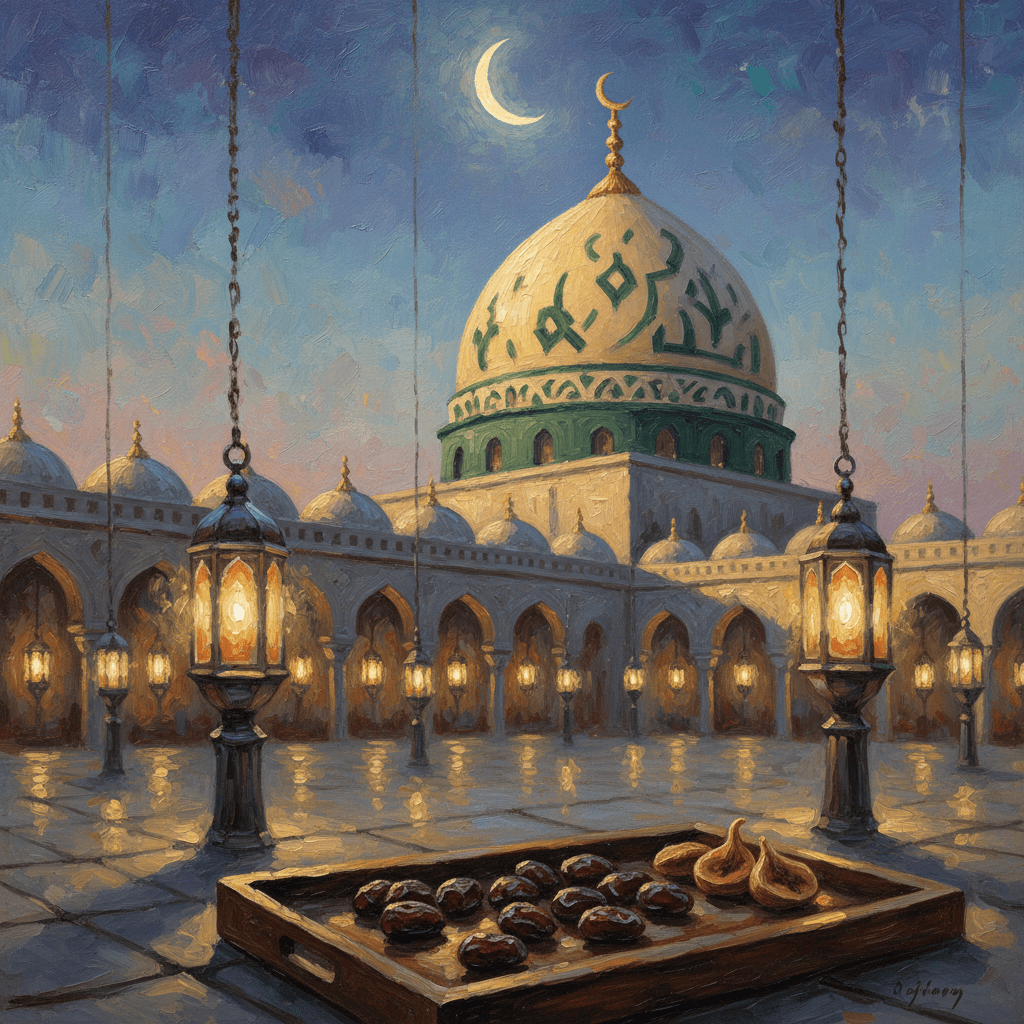
Every year, the 10th of Muharram arrives and most Muslims either do not notice or vaguely remember that they should probably fast that day.
Meanwhile, it is one of the most spiritually significant days in the Islamic calendar — a day with a story stretching back to Prophet Musa, a connection to the liberation of an entire people, and a specific reward the Prophet described in direct terms: the expiation of an entire year's worth of minor sins.
That is not a small thing. And it is available to anyone who fasts.
What Is Ashura?
Yawm Ashura (يوم عاشوراء) is the 10th day of Muharram — the first month of the Islamic lunar calendar. Ashura comes from the Arabic word for ten ('ashr).
This day holds special significance because of what happened on it: the liberation of the Children of Israel from the oppression of Pharaoh, through the miraculous parting of the sea by Allah at the hands of Prophet Musa عليه السلام.
When the Prophet ﷺ arrived in Madinah after the Hijrah, he found the Jews fasting on this day. He asked about it:
"They said: 'This is a great day on which Allah saved Musa and drowned Pharaoh, and Musa fasted this day in gratitude to Allah.' The Prophet ﷺ said: 'We are more deserving of Musa than you are.' So he fasted that day and commanded the people to fast it too." — (Sahih Bukhari 2004)
The Prophet's response is significant: he did not dismiss or distance himself from this practice. He claimed it as part of the Muslim tradition, recognizing that the prophets form one continuous line and that the liberation of Musa was a shared inheritance.
The Reward
The Prophet ﷺ was asked about fasting the Day of Ashura. He said:
صِيَامُ يَوْمِ عَاشُورَاءَ، أَحْتَسِبُ عَلَى اللَّهِ أَنْ يُكَفِّرَ السَّنَةَ الَّتِي قَبْلَهُ
"Fasting the Day of Ashura — I hope that Allah will expiate the [minor] sins of the year before it." — (Sahih Muslim 1162)
Compare this to the reward described for fasting the Day of Arafah — which expiates the year before and the year after. Ashura expiates only the previous year, making Arafah fasting of a higher reward. But an entire year of minor sins wiped away is still an extraordinary gift.
The qualification matters: this specifically refers to minor sins (saghira). Major sins (kabira) — like abandoning prayer, consuming riba, or major acts of disobedience — require specific and sincere repentance, not just a day of fasting.
How to Fast Ashura Correctly
Fast the 9th and 10th Together
In the final year of his life, the Prophet ﷺ said:
"If I am alive next year, I will definitely fast the ninth (as well)." — (Sahih Muslim 1134)
This was an expression of his intention to differ from the Jews and Christians, who fasted only the 10th. The Prophet wanted the Muslim practice to be distinctive.
Scholars derive from this that the recommended practice is to fast:
- The 9th and 10th of Muharram (most recommended)
- Or the 10th and 11th (also valid according to some scholars)
- Fasting only the 10th alone is valid but does not fully follow the prophetic intention
Making the Intention
The intention for voluntary fasts can be made the night before or even on the morning of the fast, provided you have not eaten since Fajr. Say privately:
Nawaitu sawma ghadin 'an ada'i sunnati 'Ashura — "I intend to fast tomorrow in fulfillment of the Sunnah of Ashura."
What Breaks the Fast
The same rules that apply to Ramadan fasting apply here: no food, drink, or sexual relations from Fajr until Maghrib. All the standard nullifiers of the fast apply.
Why Muharram Is a Special Month
The Prophet ﷺ called Muharram the "sacred month of Allah" and said it is the best month for voluntary fasting after Ramadan:
"The best fasting after Ramadan is in the month of Allah, Muharram." — (Sahih Muslim 1163)
This makes Muharram in general — not just Ashura — a good month for extra voluntary fasting. The Monday/Thursday voluntary fasts, the White Days (13th, 14th, 15th), and Ashura itself all fall within this blessed month, making Muharram one of the richest months for voluntary ibadah in the Islamic year.
Fasting in Muharram is one expression of the practice of building small voluntary acts of worship into your annual rhythm — not just Ramadan. For more on voluntary fasting as a habit, see fasting on monday and thursday and ayyam al-beed fasting.
Making This a Regular Yearly Practice
Most Muslims who know about Ashura fasting still miss it because they do not track the Islamic calendar closely enough to notice when Muharram arrives.
The fix is simple: at the beginning of each Gregorian year, find out when Muharram falls that year. Add the 9th and 10th to your calendar now. Set a reminder a week in advance so you have time to prepare — plan your meals around the fast, inform your household, make your intention the night before.
Building the annual habit of Ashura fasting connects you to the broader rhythm of the Islamic year. It means your spiritual practice is not just about Ramadan — it has nodes throughout the calendar that keep your nafs trained and your connection to Allah active.
Never Miss Ashura Fasting Again
DeenBack tracks Islamic calendar milestones and helps you build consistent voluntary fasting habits — so you catch Ashura, the White Days, and Mondays and Thursdays every single month.


Free download. Premium features available in-app.
Related Practices on Ashura
Giving sadaqah on Ashura: Some scholars recommend being generous with one's family and spending on them on this day. There is a hadith about this, though its authenticity is debated. Being generous in general during Muharram is in the spirit of the month.
Dua on Ashura: While there is no specific Ashura dua in the Sunnah, the day is a day of worship and gratitude. Making general dua and thanking Allah for the blessing of Islam is appropriate.
What to avoid: Some communities practice lamentation and self-flagellation on Ashura, particularly on the 10th as a commemoration of the martyrdom of Husayn ibn Ali رضي الله عنه. While the martyrdom of Husayn is a real grief, the Prophet's established practice was fasting — not mourning rituals. The Prophet ﷺ did not designate any day for communal mourning. Focus on the fasting, which is the established Sunnah.
Common Questions About Ashura
What if Ashura falls on a Friday or Saturday? Fasting specifically on Friday or Saturday alone is discouraged unless it is part of a regular voluntary fast. However, the Ashura fast is a specific occasion, and fasting the 9th–10th or 10th–11th means you are not singling out Friday or Saturday — you are observing a pair of days. This is generally not a problem.
My Ramadan fasts are not complete — can I still fast Ashura? You should prioritize making up Ramadan fasts (since they are obligatory). However, fasting Ashura voluntarily does not cancel the obligation to make up Ramadan fasts. You can do both — fast Ashura when it comes, and continue making up Ramadan fasts throughout the year. See how to fast correctly for guidance on make-up fasts.
I only found out it was Ashura on the morning of the 10th — is it too late? If you have not eaten or drunk anything since Fajr, you can still make the intention for the fast according to many scholars. The Ashura fast, like other voluntary fasts, can be intended before midday (before the Shafi'i/Hanbali zawal time) provided no food or drink was consumed.
What is the difference between how Sunnis and Shia observe Ashura? Sunni Muslims observe Ashura by fasting the 9th and 10th, following the prophetic tradition established in Madinah. Shia Muslims primarily observe Ashura as a day of mourning for the martyrdom of Husayn ibn Ali at Karbala in 61 AH. Both communities recognize the day's importance but understand and observe it differently.
A Day Worth Protecting on Your Calendar
An entire year of minor sins — wiped away, if you fast two days.
That is what Ashura offers. Not through magic, but through the mercy of Allah who attaches enormous reward to acts of sincere worship, and through the prophetic tradition that connected this fast to gratitude for one of history's greatest acts of divine liberation.
Put it in your calendar. Make it a yearly habit. And let this be the year you actually do it.
Build Your Annual Ibadah Calendar
DeenBack helps you track Islamic milestones like Ashura, Arafah, and the last ten nights of Ramadan — making it easy to plan your voluntary worship throughout the entire year.
Free download. Premium features available in-app.
Frequently Asked Questions
What is Ashura?
Ashura refers to the 10th day of Muharram, the first month of the Islamic lunar calendar. It is a day of special significance in Islam due to its connection with Prophet Musa (Moses) and the liberation of the Children of Israel from Pharaoh.
What is the reward for fasting on Ashura?
The Prophet Muhammad said that fasting the Day of Ashura expiates (wipes out) the sins of the previous year. (Sahih Muslim 1162). This refers to minor sins; major sins require specific repentance.
Should you fast the 9th and 10th of Muharram or just the 10th?
The Prophet said he intended to fast both the 9th and 10th of Muharram to differ from the Jews, who fasted only the 10th. The recommended practice is to fast the 9th and 10th together (or 10th and 11th according to some scholars). Fasting just the 10th is valid but not the complete sunnah.
Is fasting on Ashura obligatory?
No. Fasting on Ashura is a highly recommended voluntary (nafl) fast, not obligatory. Before Ramadan fasting was prescribed, the Ashura fast was obligatory according to some narrations, but that obligation was abrogated by Ramadan.
Can I fast Ashura even if I have missed days from Ramadan?
Scholars differ on this. The majority say you should make up missed Ramadan fasts first (as they are obligatory), and voluntary fasts like Ashura are secondary. However, you may still fast Ashura voluntarily, especially if you plan to make up Ramadan fasts throughout the year.