
- Published on
Dua for Starting the Day: Set Your Intention Every Morning
- Authors

- Name
- Ahmad
- Role
- Senior Marketing Manager, Islamic education • Deen Back
بِسْمِ اللهِ الرَّحْمٰنِ الرَّحِيْمِ
In the name of God, the Most Gracious, the Most Merciful.
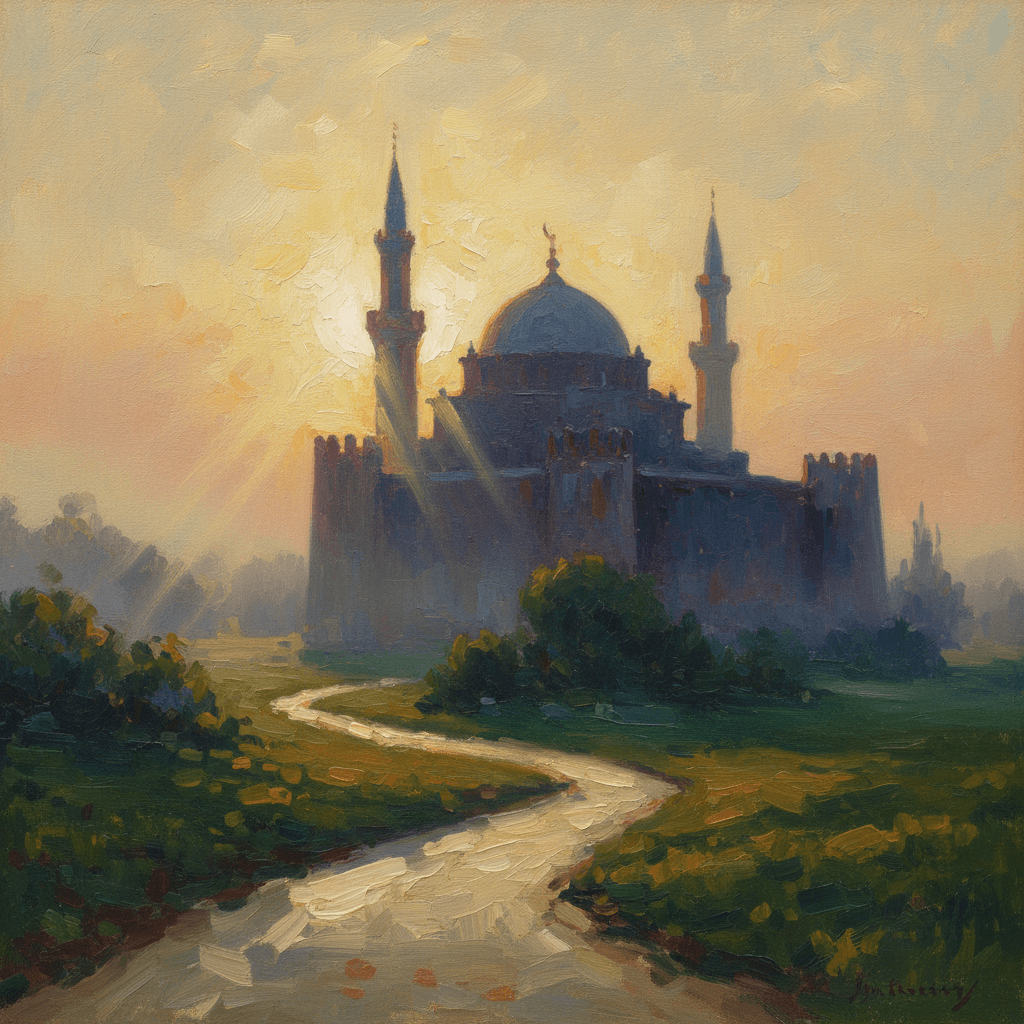
There is a narrow window at the start of every day — before the notifications, before the obligations, before the weight of everything that needs to happen — where you can choose who you are going to be in this day.
Most people let that window close without using it. The phone opens. The rush begins. And the day has already decided for them.
The Prophet (peace be upon him) had a different practice. He opened his day with words that acknowledged Allah before acknowledging anything else. And those words — said consistently, sincerely, every morning — shaped the kind of person he was in everything that followed.
The Dua
Upon waking — before anything else:
الْحَمْدُ لِلَّهِ الَّذِي أَحْيَانَا بَعْدَ مَا أَمَاتَنَا وَإِلَيْهِ النُّشُورُ
Alhamdulillahil-ladhi ahyana ba'da ma amatana wa ilayhin-nushur.
"All praise is to Allah who gave us life after causing us to die, and to Him is the resurrection." — (Bukhari 6312)
For placing the day in Allah's hands:
اللَّهُمَّ بِكَ أَصْبَحْنَا وَبِكَ أَمْسَيْنَا وَبِكَ نَحْيَا وَبِكَ نَمُوتُ وَإِلَيْكَ النُّشُورُ
Allahumma bika asbahna wa bika amsayna wa bika nahya wa bika namutu wa ilaykan-nushur.
"O Allah, by You we have reached the morning and by You we reach the evening, by You we live and by You we die, and to You is the resurrection." — (Abu Dawud 5068)
For asking Allah to make this specific day good:
اللَّهُمَّ إِنِّي أَسْأَلُكَ خَيْرَ هَذَا الْيَوْمِ فَتْحَهُ وَنَصْرَهُ وَنُورَهُ وَبَرَكَتَهُ وَهُدَاهُ
Allahumma inni as'aluka khayra hadhal-yawm, fathahu wa nasrahu wa nurahu wa barakatahu wa hudahu.
"O Allah, I ask You for the good of this day — its opening, its victory, its light, its blessing, and its guidance." — (Abu Dawud 5084)
The Story Behind It
Every morning, the Prophet (peace be upon him) woke and immediately began with remembrance of Allah. This was not piety performance — it was how he genuinely operated. His Companions described waking to find him in prayer, or hearing him make dua, or already in the state of remembering Allah before anyone else in the household had stirred.
The consistent morning practice of the Prophet was not about the length of the words — it was about the orientation. Before the world of tasks and relationships and challenges entered his awareness, he had already oriented himself toward Allah. The day that followed this beginning had a different quality because he entered it differently.
Aisha (may Allah be pleased with her) reported that when the Prophet lay down at night, he would say Alhamdulillah, and when he woke he would say Alhamdulillah. The day was bookended with gratitude — the night was surrendered to Allah, and the morning was received from Him. (Tirmidhi 3401)
How to Build Your Morning Dua Habit
The twenty-second minimum. When you wake, before your phone, say the morning dua. This takes less than twenty seconds. It is the single most important habit to establish — everything else can grow from it. When people fail at morning adhkar, it is usually because they tried to start with fifteen minutes. Start with twenty seconds. Build from there.
Attach it to waking up physically. The habit trigger is sitting up in bed — or your feet hitting the floor. The moment you are upright, the dua comes. Dua upon waking is so deeply embedded in the prophetic practice that it becomes natural once the association is built. After two weeks of consistently saying it upon sitting up, you will feel something missing if you skip it.
Before Fajr, after Fajr, before tasks. The full morning dua practice has three natural checkpoints: before you pray Fajr (the waking dua and Bismillah for wudu), after Fajr salah (the morning adhkar), and before your first significant task (a brief personal intention). You do not need to do all three on day one. Start with one and grow.
The personal morning intention. After the prescribed duas, add your own. Specifically: what do you need help with today? Name it. Ask for it. The Prophet encouraged personal, specific dua. "O Allah, help me not to lose my patience in the meeting today" is a valid and valuable dua. This is where you speak to Allah as if He hears you — because He does.
Start Every Morning with Allah — Build the Habit in DeenBack
DeenBack makes morning adhkar easy to track and consistent to maintain — so the most important minutes of your day actually happen, every day.


Free download. Premium features available in-app.
Related Duas
Dua for morning: The dua for morning gives you the full set of morning adhkar duas — including the specific Prophetic wordings for comprehensive morning remembrance.
Dua for waking up: The dua for waking up focuses specifically on the first moments of the day and the transition from sleep to wakefulness.
Dua for barakah: To ask Allah to bless not just your morning but your time itself, the dua for barakah provides the supplications for blessedness to permeate your day.
Common Questions
I am not a morning person. How do I build this habit when I can barely function at Fajr?
Start with just the single waking dua: Alhamdulillahil-ladhi ahyana. It is eight words. You can say it while barely conscious. The act does not require alertness — it requires only the habit, which is built over time by repetition. Once it is established, you can add the rest. Being a "morning person" is not a prerequisite for beginning your day with Allah.
What if I have a chaotic morning with kids and cannot find a quiet moment?
The dua does not require quiet. Say Bismillah before the morning chaos begins. Say Alhamdulillah while making breakfast. The morning adhkar can be said silently while packing bags. Chaos does not cancel the practice — it changes its format. A busy morning with children is not an obstacle to morning dua; it is the context in which you practice it.
How do I know if my morning dua is actually having an effect?
Look for the long-term pattern, not the immediate result. People who maintain consistent morning dua and dhikr over months typically report greater emotional steadiness, more frequent awareness of Allah throughout the day, and a different relationship with difficulty — not that things get easier, but that they navigate them differently. The effect is cumulative and internal, not instant and external.
Closing
You have today. This specific day, this exact set of hours. You will not have it again.
The dua for starting the day is the practice of claiming it consciously — of saying to Allah: I know this day came from You, I know I need Your help in it, and I am beginning with You before I begin with anything else.
That orientation, repeated daily, over months and years, builds a person who walks through this world differently. Not without problems. But never without Allah.
Claim Your Mornings — Build the Daily Dua Habit
DeenBack keeps your morning practice consistent so every day starts with the one conversation that matters most, before everything else begins.
Free download. Premium features available in-app.
Frequently Asked Questions
What dua did the Prophet say when starting his day?
The Prophet (peace be upon him) had a comprehensive set of morning adhkar — supplications said at the start of each day. These include the dua upon waking: 'Alhamdulillahil-ladhi ahyana ba'da ma amatana wa ilayhin-nushur' (All praise to Allah who gave us life after causing us to die, and to Him is the resurrection). He also said 'Bismillah' before beginning any task and recited Ayat al-Kursi each morning for protection.
What is the difference between morning adhkar and a dua for starting the day?
Morning adhkar is a specific set of dhikr and duas recommended after Fajr salah — a formal, structured practice with specific wordings from the Prophet. A dua for starting the day is broader: it includes any sincere supplication you make at the opening of your day to set your intention, ask for help, and place your day in Allah's hands. Both are valuable, and the morning adhkar forms the backbone of the daily dua for starting the day.
How long should my morning dua routine take?
You can start with as little as two minutes. The dua upon waking, a brief Bismillah before your first act, and one personal supplication asking Allah to bless your day takes under two minutes. As the habit grows, you can expand to the full morning adhkar (approximately 10-15 minutes). The Prophet said the most beloved deeds are the most consistent, even if small — so two sincere minutes every day beats fifteen exhausting minutes once a week.
Can I say the morning dua in English?
Yes. For personal dua, any language is valid. Arabic is used for the specific wordings transmitted from the Prophet. But your own personal morning supplication — asking Allah to bless your day, help you with specific tasks, protect your family — can be in whatever language you think and feel in. Allah understands all languages.
What if I miss my morning dua because I wake up late?
Begin wherever you are. If you woke late and the morning is already moving, say Bismillah before your first real act of the day and add a short personal supplication. The habit of beginning tasks with Allah's name is not time-locked — it is principle-based. You can set a morning intention at 7am, 9am, or noon. The point is to consciously open your day with acknowledgment of Allah, not to check a box at a specific time.