
- Published on
Dua for Sincerity in Worship: Protect Your Deeds From Riya and Hidden Shirk
- Authors

- Name
- Ahmad
- Role
- Senior Marketing Manager, Islamic education • Deen Back
بِسْمِ اللهِ الرَّحْمٰنِ الرَّحِيْمِ
In the name of God, the Most Gracious, the Most Merciful.
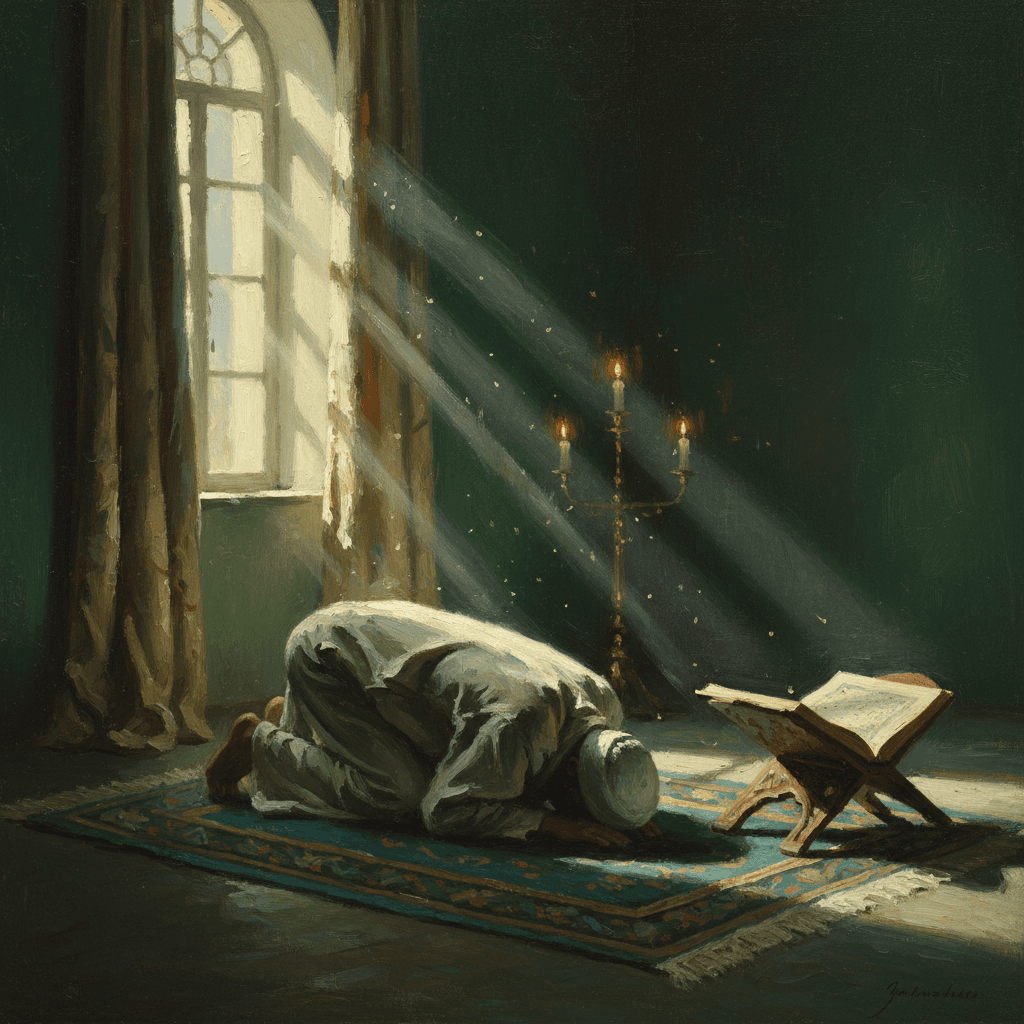
You completed your prayer. You gave charity. You fasted an extra day. And then, somewhere in the back of your mind, a thought crept in: "I hope someone noticed."
That thought — quiet, quick, almost imperceptible — is the beginning of what the Prophet ﷺ described as the most dangerous threat to a Muslim's deeds. Not a dramatic sin, not open hypocrisy. Something smaller and more insidious: the desire to be seen.
The dua for sincerity in worship exists because the nafs does not give up its need for recognition without a fight.
The Dua for Sincerity in Worship
The Prophet ﷺ taught this supplication for protection from hidden shirk:
اللَّهُمَّ إِنِّي أَعُوذُ بِكَ أَنْ أُشْرِكَ بِكَ شَيْئًا أَعْلَمُهُ، وَأَسْتَغْفِرُكَ لِمَا لَا أَعْلَمُهُ
Allahumma inni a'udhu bika an ushrika bika shay'an a'lamuhu, wa astaghfiruka lima la a'lamuhu
"O Allah, I seek refuge in You from knowingly associating partners with You, and I ask Your forgiveness for what I do unknowingly."
— (Ahmad 19606 — sahih by Al-Albani)
This dua has two parts. The first addresses conscious riya — the moments when you know you are doing something at least partly to be seen. The second addresses unconscious riya — the subtle contaminations of intention that the nafs introduces without your awareness. The Prophet asked for refuge from both, acknowledging that the human heart cannot fully audit its own intentions.
Dua for pure ikhlas before worship:
اللَّهُمَّ اجْعَلْ عَمَلِي كُلَّهُ صَالِحًا وَاجْعَلْهُ لِوَجْهِكَ خَالِصًا وَلَا تَجْعَلْ لِأَحَدٍ فِيهِ نَصِيبًا
Allahumma aj'al 'amali kullahu salihan, waj'alhu liwajhika khalisana, wa la taj'al li-ahadin fihi nasiba
"O Allah, make all my deeds righteous, make them purely for Your Face, and do not let anyone have a share in them."
— (narrated in various collections of adkar, from Isma'il ibn Muhammad)
When to Say These Duas
Before worship: before prayer, before giving charity, before any significant act you intend for Allah. After completing a good deed, when you notice the nafs wanting recognition. Also as a regular part of morning adhkar.
The Story Behind This Supplication
The Prophet ﷺ gave one of the most jarring warnings about riya in Islamic history. He gathered the Companions and said: "Shall I not tell you what I fear most for you?" They said yes. He said: "Al-shirk al-asghar — minor shirk." They asked what it was. He said: "Riya. On the Day of Resurrection, when Allah is recompensing people for their deeds, He will say to those who showed off: 'Go to those for whom you were showing off in the world and see if you find any reward with them.'" (Ahmad 23630 — sahih)
The Companions who heard this were shaken. These were people who had given up everything — wealth, family, homeland — for the deen. And the Prophet told them to fear riya.
That is the nature of this disease. It does not attack the weak or the careless. It attacks the devout, the practicing, the consistent. Because it requires something good to corrupt. You cannot have riya in sins — only in righteous acts.
How to Cultivate Genuine Ikhlas
Sincerity (ikhlas) is not a switch you flip. It is a quality you cultivate through specific practices:
Make dua for ikhlas before every significant act. The two supplications above are your tools. Before your Tahajjud, before giving a significant donation, before teaching or speaking about the deen — say these words. They are a declaration of intention and a request for Allah to protect that intention from contamination.
Do secret good deeds regularly. Choose one good deed each week that no one will know about: anonymous charity, extra prayers at home, fasting a voluntary day, helping someone without being asked or seen. These acts actively train the nafs that the reward is with Allah alone — not with the audience.
Examine your motivation when it spikes. Notice when your motivation to do a good deed increases significantly because others might witness it. That spike is data. It does not mean you are corrupt; it means your nafs is reaching for something. Name it, ask for refuge, and continue.
Do not speak about most of your worship. The scholars generally advised keeping voluntary worship private. Your Tahajjud, your voluntary fasting, your charity amounts — these need not be announced. What is between you and Allah is between you and Allah. Sharing creates the possibility of riya; keeping it private removes the temptation.
Be patient with your progress. Ikhlas is refined over years, not weeks. The fact that you are asking for sincerity — that you care about the purity of your worship — is itself a sign of ikhlas. Perfect sincerity belongs only to Allah; the sincere Muslim is the one who keeps asking for it.
Build a Worship Practice That Is Between You and Allah
DeenBack helps you build consistent daily worship habits privately — tracking your progress for your own accountability, not for performance or show.


Free download. Premium features available in-app.
Related Duas for Protecting Your Deeds
Dua for ikhlas (sincerity) before any act:
اللَّهُمَّ أَخْلِصْ عَمَلِي لَكَ
Allahumma akhlisni 'amalaka
"O Allah, make my deeds sincerely for You."
Dua for protection from hypocrisy:
اللَّهُمَّ إِنِّي أَعُوذُ بِكَ مِنَ النِّفَاقِ وَالشِّقَاقِ وَسُوءِ الأَخْلَاقِ
Allahumma inni a'udhu bika minan-nifaqi wash-shiqaqi wa su'il-akhlaq
"O Allah, I seek refuge in You from hypocrisy, discord, and bad character."
— (Abu Dawud 1546 — sahih)
For the theological foundation of sincerity, see what is ikhlas in Islam and dua for ikhlas. For understanding what you are protecting your worship from, what is riya in Islam gives the full picture. The dua for khushu in prayer addresses the internal quality of worship that ikhlas is meant to protect.
Common Questions
Am I sinful for having thoughts of riya in worship? A passing thought that you did not act on is not sinful. Ibn Rajab and other scholars distinguish between a fleeting thought (khatir) and a deliberate intention. If you notice the thought, reject it, and ask for refuge — that is the correct response, and it does not void your deed.
What if I gave charity publicly and now regret that my intention was partly for show? Make istighfar. The act is done. You cannot undo the public nature of it, but you can sincerely repent for the contaminated intention and ask Allah to accept it despite its impurity. Then resolve to give your next charitable act anonymously.
Is it ever appropriate to share good deeds? Yes — when the primary intention is genuinely to encourage others or fulfill an Islamic obligation (like publicly establishing that a fard has been fulfilled in congregation). The dividing line is your honest primary motivation, not the act itself.
Can I make this dua for others? Yes. You can ask Allah to purify the intentions of someone you care about — a student of knowledge, a teacher, a person you see beginning their religious journey. It is a profound form of sincere concern for another's spiritual welfare.
The Deed That Reaches Allah
On the Day of Judgment, only the deeds done purely for Allah will count. Not the well-received ones. Not the praised ones. The ones that were genuinely, secretly, honestly for Him.
That standard is demanding. But the dua for sincerity is your daily tool for meeting it. Ask every morning. Ask before every act of worship. Keep asking until the nafs learns that its only audience is Allah.
Worship for Allah — Track What Matters to Him
DeenBack is a private tool for your own accountability — helping you build consistent worship habits that are between you and Allah, not for the world to see.
Free download. Premium features available in-app.
Frequently Asked Questions
What is riya and why did the Prophet fear it so much?
Riya is performing acts of worship or goodness to be seen and praised by people, rather than for Allah alone. The Prophet ﷺ called it 'hidden shirk' and said he feared it for his ummah more than the Dajjal. It voids the reward of worship while leaving the outward act intact — making it extremely dangerous precisely because it is invisible.
How do I know if my worship is sincere or tainted by riya?
Ask yourself: Would I pray this tahajjud if no one would ever know? Would I give this charity if it could not be mentioned? Would I say this dhikr if no one could hear me? A useful test: does your motivation to do a good deed increase when others might witness it? That increase is worth examining. Riya rarely appears fully formed — it begins as a small desire for validation.
Can I still do a good deed if I notice some desire for recognition in it?
Yes — scholars say that a passing thought of riya that you reject does not invalidate the deed. What matters is whether you acted for the sake of riya or rejected it. The dua for sincerity is specifically for this situation: you notice the nafs reaching for validation and you immediately ask Allah to protect your intention.
Is it riya to share my good deeds publicly to encourage others?
It can be permissible if the primary intention is genuinely to encourage others and you are not seeking personal praise. The scholars distinguish between performing an act to be seen (riya) and making a righteous act visible for da'wah purposes. The safeguard is honest self-examination of your primary motivation.