
- Published on
Dua for Sadness: Islamic Supplications That Lift the Heart in Difficult Times
- Authors

- Name
- Ahmad
- Role
- Senior Marketing Manager, Islamic education • Deen Back
بِسْمِ اللهِ الرَّحْمٰنِ الرَّحِيْمِ
In the name of God, the Most Gracious, the Most Merciful.
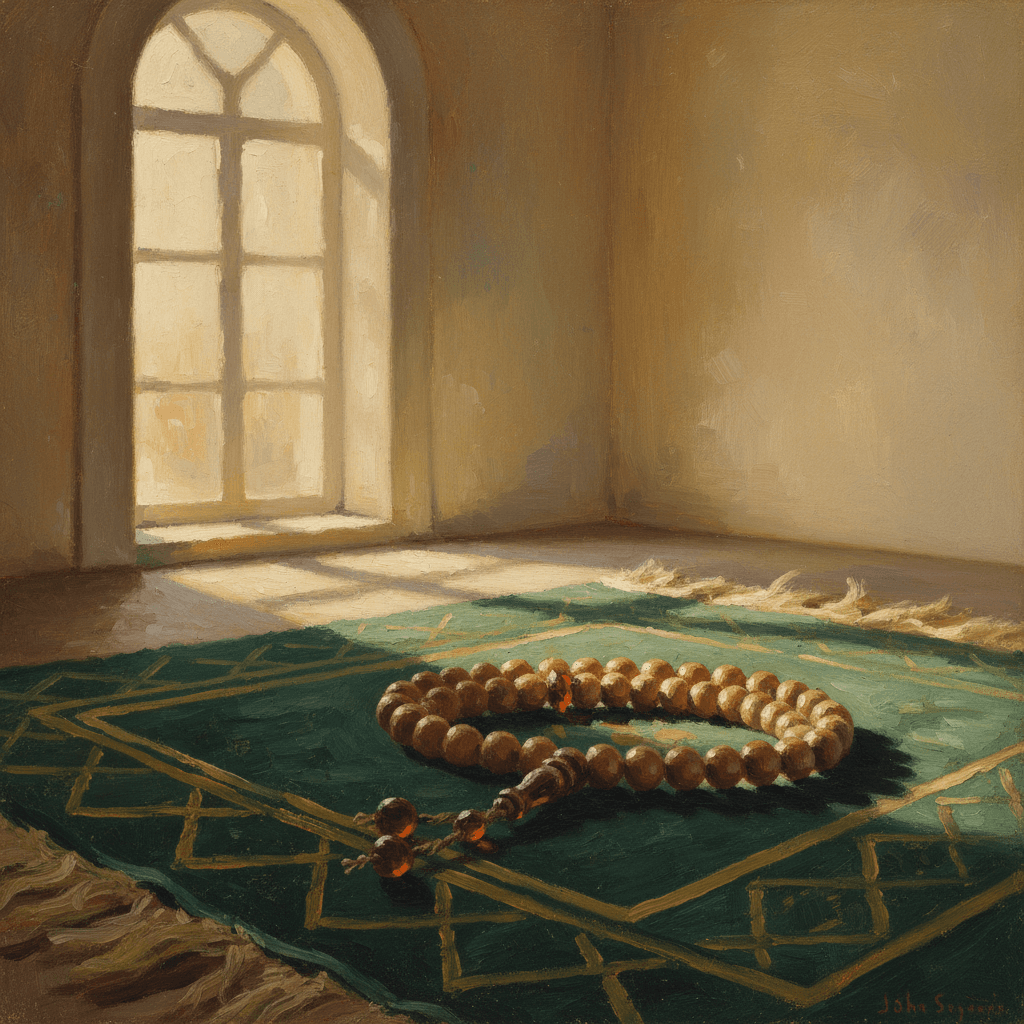
Some sadness has a name. A loss, a disappointment, a betrayal — something specific happened and you are carrying the weight of it. Some sadness does not have a name. It is just there, a heaviness that settles in without obvious cause and does not respond to reasoning.
Both are real. Both are known to Allah.
Islam does not offer a way around grief — it offers a way through it. The Prophet ﷺ wept. The Companions wept. The Quran names grief, mentions it, takes it seriously. The year the Prophet lost both Khadijah رضي الله عنها and Abu Talib was literally named Am al-Huzn — the Year of Grief.
What the Sunnah offers is not the suppression of sadness but specific tools for navigating it without losing your connection to Allah in the process. Chief among those tools is dua.
The Dua for Sadness — Named by the Prophet
اللَّهُمَّ إِنِّي أَعُوذُ بِكَ مِنَ الْهَمِّ وَالْحَزَنِ، وَالْعَجْزِ وَالْكَسَلِ، وَالْبُخْلِ وَالْجُبْنِ، وَضَلَعِ الدَّيْنِ، وَغَلَبَةِ الرِّجَالِ
Allahumma inni a'udhu bika minal-hammi wal-hazan, wal-'ajzi wal-kasal, wal-bukhli wal-jubn, wa dhala'id-dayn, wa ghalabatir-rijal
"O Allah, I seek refuge in You from worry and grief, from helplessness and laziness, from cowardice and miserliness, from being overwhelmed by debt, and from being overpowered by people."
— (Sahih al-Bukhari 6363)
Look at what the Prophet ﷺ named in this dua. Hamm is worry about the future — what might happen. Hazan is grief about the past — what already happened. He included both in the same supplication. He knew the human heart does not always separate them neatly: sometimes we are simultaneously grieving a loss and afraid of what comes next.
The Prophet ﷺ said this dua himself. This is not a dua he invented for others — it was his own practice. The most beloved human being to Allah, who had direct access to divine comfort, regularly sought refuge from grief. That fact alone is permission for every person who has ever felt sad.
The Dua of Prophet Yunus — For Overwhelm
لَّا إِلَٰهَ إِلَّا أَنتَ سُبْحَانَكَ إِنِّي كُنتُ مِنَ الظَّالِمِينَ
La ilaha illa anta subhanaka inni kuntu minaz-zalimin
"There is no deity except You; exalted are You. Indeed, I have been of the wrongdoers."
— (Quran, Surah Al-Anbiya, 21:87)
Yunus ﷺ said this from inside the belly of a whale in complete darkness, completely alone, completely enclosed. The Quran records that Allah responded: "We responded to him and saved him from distress. And thus do We save the believers." (21:88). The promise is direct: this dua, in this degree of darkness, is followed by rescue.
The Story Behind These Duas
Anas ibn Malik رضي الله عنه reported the comprehensive anxiety and grief dua (Bukhari 6363) from the Prophet's own daily practice. The Companions memorized it and taught it to their students.
The Prophet ﷺ did not teach these duas as emergency measures for extraordinary crises. He taught them as daily practices — to be said in the morning, to be returned to whenever hamm or hazan arose. The goal was not a single dramatic rescue from sadness but a daily habit of returning the heart to Allah before sadness had a chance to harden into despair.
There is a profound Islamic understanding in this approach: sadness is not dangerous by itself. Sadness that is brought to Allah in supplication is a form of intimacy with the divine. What is dangerous is sadness that is carried alone, silently, without turning it into prayer.
How to Build a Daily Practice That Lifts the Heart
The most reliable way out of persistent sadness is a consistent daily practice — not a single intense dua session but a rhythm of regular supplication that keeps the heart oriented toward Allah even on the darkest days.
Begin every morning with the Prophetic adhkar. The morning adhkar — which include the grief dua (Bukhari 6363) — were designed partly as a morning spiritual reset before the day's weight accumulates. Saying them is not just recitation; it is a declaration that today, however hard it may be, begins under Allah's protection.
Say La ilaha illa anta subhanaka when sadness peaks. This dua of Yunus works precisely when nothing else feels adequate — when the feeling is too big for words and all you can do is admit to Allah that you are in the dark. Say it in Arabic. Say it repeatedly. Say it until the intensity softens.
Use sujood as a place to weep. The Prophet ﷺ said the slave is closest to their Lord in prostration (Sahih Muslim 482). When sadness is overwhelming, make two raka'at and cry in sujood. Whatever language, whatever words, whatever comes — sujood is the right place for it. This is not a sign of weakness; it is what the prostration is for.
Recite Quran daily, even briefly. The Quran is described as a healing for what is in the chests (Quran 10:57). Not figuratively — literally. Regular Quran recitation, even fifteen minutes after Fajr, consistently provides a calming and reorienting effect that most people notice within days of starting the practice. The key is daily, not heroic.
Track your practice to see that you are not alone. One of sadness's cruelest effects is making you feel like you are not doing enough spiritually, when in fact you may be doing more than you realize. A simple daily record of your prayers, adhkar, and Quran — even a checkbox — shows you that you are showing up, even on the days it does not feel like it.
Build the Daily Habit That Lifts the Heart Through Sadness
DeenBack tracks your daily duas, adhkar streaks, and Quran practice — helping you stay consistent in supplication even on the days when everything feels heavy.


Free download. Premium features available in-app.
Related Duas for Grief and Healing
Dua for relief from hardship:
اللَّهُمَّ رَحْمَتَكَ أَرْجُو فَلَا تَكِلْنِي إِلَى نَفْسِي طَرْفَةَ عَيْنٍ
Allahumma rahmataka arju fala takilni ila nafsi tarfata 'ayn
"O Allah, I hope for Your mercy — do not leave me to myself for even the blink of an eye." — (Abu Dawud 5090)
When sadness connects to anxiety, the dua for anxiety covers additional supplications and a practical daily anti-anxiety framework. For sadness that has deepened into persistent depression, the dua for depression addresses that dimension specifically. The dua for patience is a powerful companion for the longer stretches of grief where healing comes slowly. And for the morning habit that provides the consistent foundation for navigating difficult periods, the dua for morning adhkar practice is where to start.
Common Questions About Dua and Sadness
Is it wrong to cry in prayer? No — it is a sign of a living heart. The Prophet ﷺ wept in prayer. The Companions wept in prayer. The scholars say tears in prayer are among the signs of sincerity and spiritual presence. Never apologize to Allah for tears.
Why do I sometimes feel sadness even after making lots of dua? Because dua is not a bypass of the human experience — it is a companion through it. Grief has a natural duration. Dua does not eliminate the feeling; it changes the quality of how you hold it. You carry sadness differently when you are carrying it toward Allah rather than alone. The feeling may remain, but you are not alone in it.
What if I feel too numb to make dua? Start with Ya Allah. Just those two words. Or sit in sujood without any words at all. The gesture of prostration — even without Arabic, even without formed thoughts — is itself a form of communication that Allah understands. The numbness of grief is recognized in Islam; the Quran describes Prophet Yaqub losing his sight from grief over Yusuf. You are in good company.
Does Allah love those who are sad? The Prophet ﷺ said: "The closest people to me are those who are most fearful of Allah." He also taught that Allah is with the broken-hearted. The Quran says Allah loves those who turn to Him in all states — including sadness. Your sadness, brought to Allah, is a form of return that He welcomes.
Sadness Brought to Allah Is Never Wasted
The dua of Yunus was said in the darkest possible place. What came after it was rescue — then prophethood, then a massive, sudden revival of faith among an entire city.
You do not know what comes after your dark moment. You do not have to see it to believe it is coming. Your only task right now is to say the words and mean them: La ilaha illa anta. Subhanaka. Inni kuntu minaz-zalimin.
There is no deity except You. I am in need of You. I am coming back to You.
Stay Connected to Allah Even Through the Sad Seasons
DeenBack helps you maintain your daily dua, dhikr, and Quran habits — keeping the light on in your practice even when your heart feels heavy.
Free download. Premium features available in-app.
Frequently Asked Questions
What is the best dua for sadness in Islam?
The Prophet taught a comprehensive dua for grief: Allahumma inni a'udhu bika minal-hammi wal-hazan... — O Allah, I seek refuge in You from worry and grief, from helplessness and laziness, from cowardice and miserliness, from being overwhelmed by debt, and from being overpowered by people. (Sahih Bukhari 6363). This dua names and addresses every flavor of sadness.
Is sadness a sign of weak faith?
No. The Prophet wept at the death of his son Ibrahim. He grieved when his wife Khadijah died. The year of grief (am al-huzn) was named after the Prophet's own sorrow. Sadness is a human response that Islam validates. What Islam provides is not the absence of sadness but tools to navigate it with faith intact.
How do I make dua when I am too sad to concentrate?
Start with a single word: Ya Allah. Then let whatever is in your heart come out, in any language, in whatever form. The Prophet said Allah is near to the broken-hearted. Formal Arabic is the ideal — but a heart crying out to Allah in any form is valid, heard, and responded to.
Does dua actually help with sadness or is it just comforting words?
The Quran says: Verily, in the remembrance of Allah do hearts find rest (13:28). This is not a metaphor — it is a statement of how the heart works. Regular dhikr and dua restructure how we relate to pain. They do not eliminate the feeling but they change the relationship to it: from being alone in the sadness to being held in it.
Should I seek professional help alongside making dua?
Yes. The Prophet encouraged seeking treatment for all ailments. If sadness is persistent, deep, or impairing daily function, seeking professional mental health support alongside spiritual practice is the prophetic model. Dua and therapy reinforce each other — neither replaces the other.