
- Published on
Dua for Dhul Hijjah: Best Supplications for the 10 Sacred Days
- Authors

- Name
- Ahmad
- Role
- Senior Marketing Manager, Islamic education • Deen Back
بِسْمِ اللهِ الرَّحْمٰنِ الرَّحِيْمِ
In the name of God, the Most Gracious, the Most Merciful.
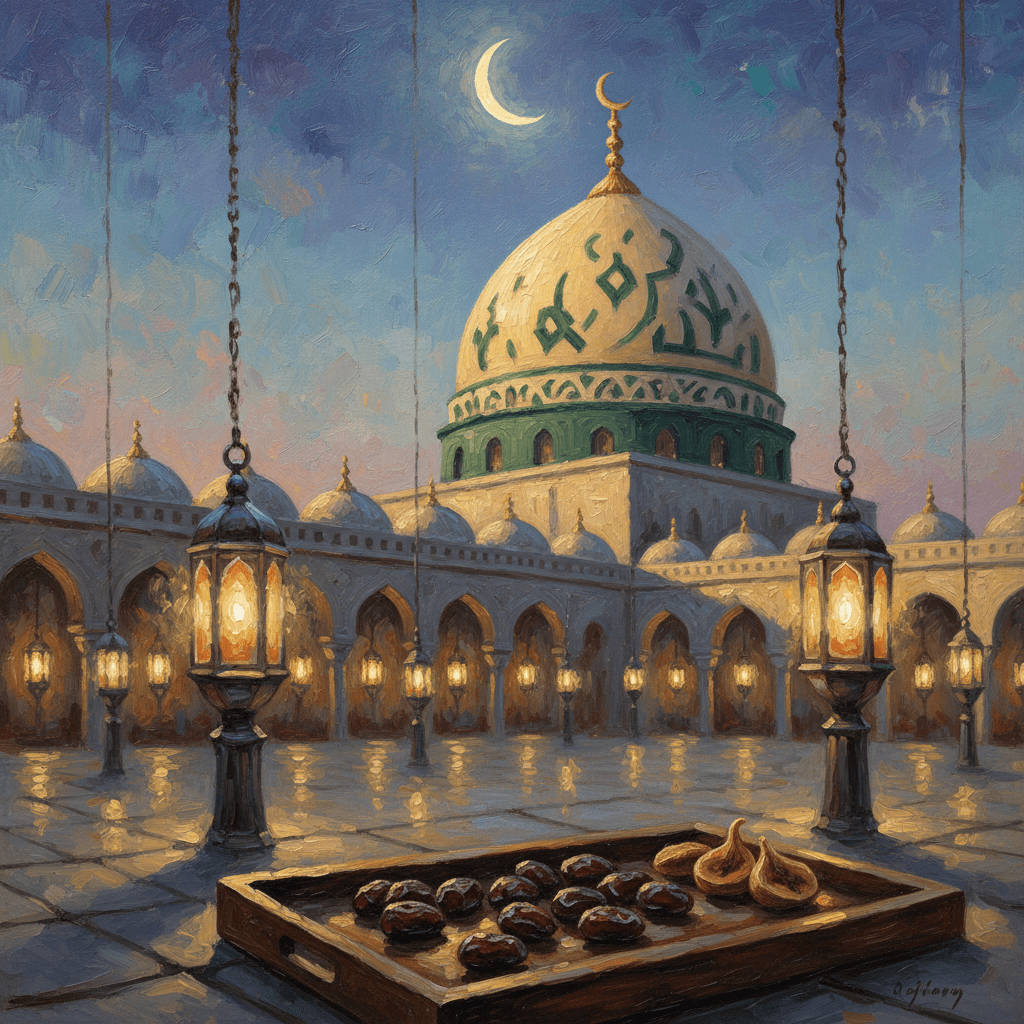
The Prophet ﷺ said something about these ten days that should stop you in your tracks.
"There are no days on which righteous deeds are more beloved to Allah than these ten days." The Companions asked: "Not even jihad in Allah's cause?" He said: "Not even jihad — except for a man who goes out with his life and his wealth and returns with neither." (Sahih Bukhari 969)
The first ten days of Dhul Hijjah are the best days of the year. Greater than Ramadan, in terms of the weight of righteous deeds. Most Muslims know about Ramadan. Far fewer treat Dhul Hijjah with the urgency it deserves.
If you are reading this before the 10 days have passed, you have an extraordinary window. If you are reading it after — mark your calendar now for next year, and use this article to prepare.
The Dua of the Day of Arafah
The 9th of Dhul Hijjah — the Day of Arafah — is the crown of these ten days. The Prophet called it the best of all days for dua.
لَا إِلَهَ إِلَّا اللَّهُ وَحْدَهُ لَا شَرِيكَ لَهُ، لَهُ الْمُلْكُ وَلَهُ الْحَمْدُ وَهُوَ عَلَى كُلِّ شَيْءٍ قَدِيرٌ
La ilaha illallahu wahdahu la sharika lah, lahul mulku wa lahul hamdu wa huwa 'ala kulli shay'in qadir
"There is no deity except Allah, alone, without partner. To Him belongs the dominion and to Him belongs all praise, and He is over all things competent."
— (Tirmidhi 3585 — hasan)
The Prophet said: "The best supplication is the supplication of the Day of Arafah, and the best thing I and the Prophets before me have said is: La ilaha illallahu wahdahu la sharika lah..." (Tirmidhi 3585)
When to say it: All day on the 9th of Dhul Hijjah. Repeat it as your baseline dhikr, between your other duas and supplications.
The Takbeer of Dhul Hijjah
اللَّهُ أَكْبَرُ، اللَّهُ أَكْبَرُ، لَا إِلَهَ إِلَّا اللَّهُ، اللَّهُ أَكْبَرُ، اللَّهُ أَكْبَرُ، وَلِلَّهِ الْحَمْدُ
Allahu Akbar, Allahu Akbar, la ilaha illallah, Allahu Akbar, Allahu Akbar wa lillahil hamd
"Allah is the Greatest, Allah is the Greatest, there is no god but Allah. Allah is the Greatest, Allah is the Greatest, and all praise is for Allah."
This takbeer is sunnah to say abundantly throughout the 10 days and continues through Eid and the days of tashriq.
The Story Behind These Sacred Days
The significance of Dhul Hijjah is layered through multiple events in prophetic history, all converging on these same days.
It was in Dhul Hijjah that Prophet Ibrahim ﷺ demonstrated the ultimate act of submission — his willingness to sacrifice his son Ismail at Allah's command. Allah replaced the sacrifice with a ram and commemorated this submission with the institution of Eid al-Adha and the rites of Hajj.
The Day of Arafah itself is where the pilgrims stand in supplication — two million or more people raising their hands to Allah simultaneously in one of the most powerful scenes of human worship on earth. And the Prophet said it is the day when Allah boasts of His servants to the angels: "Look at my servants — they have come to Me disheveled and dusty, from every distant valley, hoping in My mercy." (Musnad Ahmad 2537)
For those not on Hajj, these 10 days are an invitation to join the spiritual energy of Hajj from wherever you are. Your fasting, your dhikr, your dua — they count, even without the physical journey.
How to Build Your 10-Day Dhul Hijjah Practice
Do not wait until the 9th of Dhul Hijjah to start. These days work best when you enter them with a plan.
Fast as many days as you can. The Prophet fasted the first nine days (Abu Dawud 2437). If you can only manage one day, make it the 9th — the Day of Arafah. Fasting that single day expiates two years of sins (Sahih Muslim 1162). For a full approach to fasting as an act of worship, see dua for fasting.
Increase your dhikr dramatically. The Prophet described these as days of dhikr, takbeer, tahleel, and tahmid (Musnad Ahmad 5446). The takbeer above should become background noise in your life during this period — saying it while walking, cooking, driving.
Make your biggest duas on the Day of Arafah. Write down the most important things you want to ask Allah. Relationships, forgiveness, deen, dunya needs — bring them all. The Day of Arafah is your annual most-powerful dua window. Do not waste it on small things only. Ask for everything.
Give sadaqah during the 10 days. Every good deed is multiplied. Charity in Dhul Hijjah carries special weight. Even small amounts given consistently across the 10 days add up.
Connect the days to the dua for Eid al-Adha. The 10 days culminate in Eid — let your dua practice build toward that day and continue through it.
Make the Most of the Best 10 Days of the Year
DeenBack helps you track your fasting, dhikr, and dua streaks during Dhul Hijjah — so you enter these sacred days with intention and leave them with transformation.


Free download. Premium features available in-app.
Related Duas for Dhul Hijjah
Dua for the Day of Arafah (for pilgrims and non-pilgrims):
See the full dua for Arafah article for detailed guidance on maximizing this day. For those completing Hajj, see dua for Hajj. And if you want to understand what makes certain periods of the Islamic year spiritually elevated, see dua for the last 10 days of Ramadan for comparison — the two periods share the same principle of concentrated sacred time.
Common Questions
Am I missing out if I am not doing Hajj this year?
You are missing Hajj itself — a unique spiritual journey. But you are not missing the reward of righteous deeds during these days. The Prophet's statement that deeds in these 10 days are more beloved to Allah is addressed to everyone, not just pilgrims. Make the most of what you have.
Can I do extra voluntary prayers during Dhul Hijjah?
Yes — extra prayers are among the righteous deeds multiplied in these days. Tahajjud, Duha, and consistent performance of the sunnah prayers attached to the five daily prayers are all excellent practices to add.
Is it sunnah to say the takbeer out loud in public?
Yes — the Companions used to say the takbeer openly in the markets and streets, and others would join them (Sahih Bukhari 970 — commentary). Saying it audibly (not disruptively) is sunnah and serves as a reminder to those around you.
What if Dhul Hijjah has already started and I am only learning this now?
Start now. Whatever days remain, use them fully. Even two or three days of concentrated dhikr, fasting, and dua in the best 10 days of the year is an enormous opportunity. The Prophet said the best deeds are consistent ones — but any good deed done with sincerity is counted.
Do Not Let These Days Pass Unnoticed
Most people treat Dhul Hijjah as simply the month when Eid al-Adha happens. They watch the Hajj on television, slaughter an animal if they can, and celebrate Eid.
The days themselves — especially the 9th — pass quietly for those who do not know their weight.
You know now. These are the greatest days of the year. Stack them with fasting, dhikr, Quran, sadaqah, and your most heartfelt duas. Turn them into the spiritual high point they were designed to be.
Track Your Dhul Hijjah Worship
Use DeenBack to build a 10-day Dhul Hijjah habit tracker — fasting, dhikr, and dua streaks that turn intention into transformation during the most sacred days of the year.
Free download. Premium features available in-app.
Frequently Asked Questions
What are the best duas to say in Dhul Hijjah?
The Prophet emphasized three forms of dhikr during the first 10 days: Subhanallah, Al-hamdulillah, La ilaha illallah, and Allahu Akbar — said frequently and abundantly. On the Day of Arafah (9th Dhul Hijjah), the best dua is: La ilaha illallahu wahdahu la sharika lah, lahul mulku wa lahul hamdu wa huwa ala kulli shay'in qadir (Tirmidhi 3585).
Why are the first 10 days of Dhul Hijjah so important?
The Prophet said: There are no days on which righteous deeds are more beloved to Allah than these ten days (Sahih Bukhari 969). Ibn Abbas reported this means every act of worship — prayer, fasting, dua, dhikr, sadaqah — carries greater weight in these days than at any other time of year, including Ramadan (with the exception of martyrdom in Allah's cause).
Should I fast during the first 9 days of Dhul Hijjah?
Fasting during the first 9 days is highly recommended sunnah. The Prophet fasted the first nine days of Dhul Hijjah (Abu Dawud 2437). At minimum, fast on the Day of Arafah (9th Dhul Hijjah) — it expiates sins of the previous year and the coming year (Sahih Muslim 1162).
What is the significance of the Day of Arafah for those not on Hajj?
Even if you are not performing Hajj, the Day of Arafah is the single most powerful day for dua in the Islamic calendar. The Prophet said the best dua is the dua of the Day of Arafah (Tirmidhi 3585). Fast that day and spend it in supplication, dhikr, and Quran.
What dhikr should I say frequently in Dhul Hijjah?
Say the takbeer abundantly: Allahu Akbar, Allahu Akbar, la ilaha illallah, Allahu Akbar, Allahu Akbar wa lillahil hamd. This is the sunnah form of the general takbeer said throughout the 10 days and during the days of Eid and tashriq. Say it after every prayer and throughout your day.