
- Published on
When to Say Inshallah — And What It Actually Means
- Authors

- Name
- Ahmad
- Role
- Senior Marketing Manager, Islamic education • Deen Back
بِسْمِ اللهِ الرَّحْمٰنِ الرَّحِيْمِ
In the name of God, the Most Gracious, the Most Merciful.
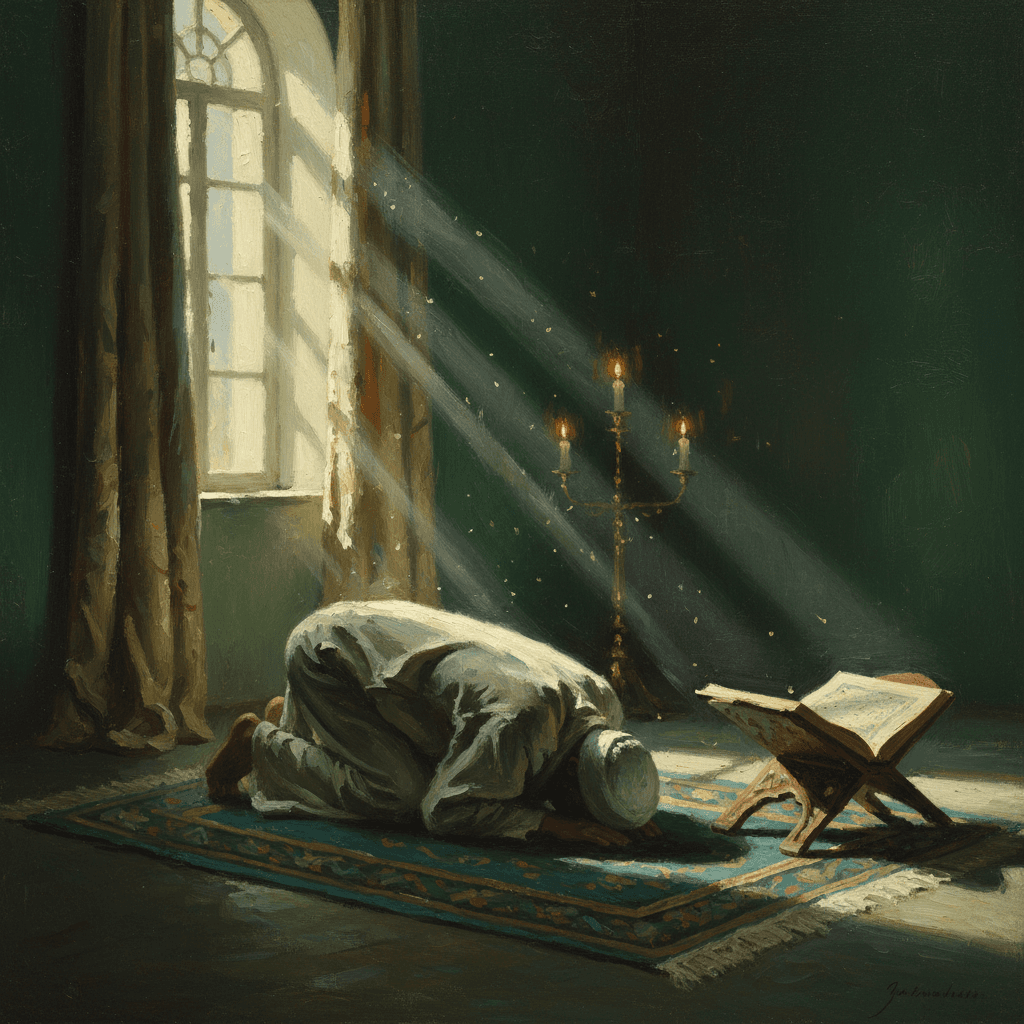
If you grew up in a Muslim household or community, you have heard Inshallah thousands of times. You probably say it yourself — sometimes automatically, without thinking about what it means or whether you are using it correctly.
And that is worth pausing on. Because In sha Allah (إِنْ شَاءَ اللهُ) is not just a cultural phrase or a polite way to sound non-committal. It is a Quranic command, a theological statement, and — when used sincerely — a genuine act of worship built into everyday speech.
Here is what it actually means, when you must say it, and how to recover the meaning from under layers of habit.
What Inshallah Actually Means
The phrase breaks down into three Arabic words:
- إِنْ (in) — if
- شَاءَ (sha'a) — He wills
- اللهُ (Allah) — Allah
Together: "If Allah wills."
It is not "hopefully" or "maybe" or "I'll try." It is a sincere acknowledgment that every future event — every plan, every intention, every tomorrow — exists only with the permission of Allah. Your will is real, but it is nested inside a greater Will that you cannot override.
This is the Islamic concept of tawakkul (توكل) — complete reliance on Allah — expressed in its most practical, everyday form. Every time you say Inshallah with awareness, you are making a tiny act of surrender to the sovereignty of Allah.
When the Quran Commands It
This is not optional. Allah says:
وَلَا تَقُولَنَّ لِشَيْءٍ إِنِّي فَاعِلٌ ذَلِكَ غَدًا إِلَّا أَن يَشَاءَ اللَّهُ
"And never say of anything: I will do that tomorrow, except by adding: If Allah wills. And remember your Lord when you forget, and say: Perhaps my Lord will guide me to a nearer way of right conduct." (Surah Al-Kahf, 18:23-24)
This verse was revealed when the Prophet ﷺ promised to answer some questions the next day without adding In sha Allah. The revelation came as a correction — a reminder that even the Messenger of Allah ﷺ was to acknowledge that the future belongs to Allah.
The ruling derived from this: saying Inshallah when making future plans is an obligation (wajib) in Islamic law, not merely recommended. Consistently omitting it intentionally would be sinful.
The Correct Times to Say Inshallah
1. When Making Any Future Plan or Promise
"I'll call you tomorrow Inshallah." "I'm planning to start that project next week Inshallah." "We'll meet for Eid Inshallah."
Any time you commit to doing something in the future, Inshallah belongs at the end of that sentence. This is not an escape clause — it is an honest acknowledgment that you intend to do it but only Allah can guarantee your ability to fulfill it.
2. When Expressing Hope or Desire
"I hope to complete Quran memorization this year Inshallah." "May Allah accept our fasts Inshallah."
When you express a wish for something that depends on future circumstances or Allah's mercy, Inshallah is the correct form.
3. When Someone Makes a Promise to You
When someone says Inshallah to you genuinely, the etiquette is to respond positively — "Inshallah, barakallahu feek" (if Allah wills, may Allah bless you) — not to treat it as a cultural "no."
4. After Remembering You Forgot
The Quran itself gives you this out: "And remember your Lord when you forget." If you made a plan and forgot to say Inshallah, say it when you remember — even hours later. The obligation is fulfilled with sincerity, not only with timing.
When Not to Say Inshallah
In Duas
Do not add Inshallah to your personal supplications. The Prophet ﷺ said:
"Let none of you say: O Allah, forgive me if You will. O Allah, have mercy on me if You will. Rather, be firm in your asking — for Allah does what He wills and no one can compel Him." (Bukhari 6339, Muslim 2679)
In dua, you are asking — and you ask with need and certainty. Adding Inshallah implies Allah might not want to answer, which undermines both the etiquette of dua and your reliance on His mercy.
As an Empty Filler
The cultural drift of Inshallah — used as polite non-commitment, a conversation-ender, or a way to avoid saying "no" directly — is real. In many communities it has become a signal that something probably will not happen.
This is worth correcting in yourself, not others. Ask: when I say this, am I acknowledging Allah's sovereignty, or am I using His name as social padding? The first is worship. The second is something closer to casual disrespect.
Making Inshallah a Practice, Not a Habit
There is a difference between saying Inshallah from habit and saying it with yaqeen (certainty) — actually pausing for a fraction of a second to mean it. That pause is where the practice lives.
Try this for one week: every time you are about to make a future plan — in a message, out loud, in your head — consciously add Inshallah and take one breath. Just one. Enough to make the phrase land rather than slide past.
Over time, this builds what the scholars call muraqabah (مُرَاقَبَة) — self-awareness before Allah. The sense that He is watching every word, not just the formal ones.
Build Awareness of Allah Into Your Daily Words
DeenBack helps you track daily dhikr and phrases like Inshallah — turning them from habits into genuine acts of remembrance. Start your streak today.


Free download. Premium features available in-app.
The Difference Between Inshallah and Tawakkul
Inshallah is the verbal expression. Tawakkul (توكل) is the internal state. You can say Inshallah all day without having real tawakkul, and you can have tawakkul while forgetting to say the word.
The goal is alignment — where your words reflect your actual inner state of dependence on Allah. When that alignment happens, Inshallah becomes more than a phrase. It becomes a small act of surrender performed dozens of times a day.
Read more about the internal dimension: What Is Tawakkul in Islam, Inshallah Meaning — A Deeper Look, and How to Make Dhikr a Daily Habit.
Common Questions
Is it wrong to use Inshallah sarcastically? Yes. Using it to mock someone's plan, express doubt sarcastically, or make light of others' hope misuses the name of Allah in a way that is at minimum disrespectful and at worst a minor sin. Correct it in your own speech; do not make it a habit.
Should I say Inshallah in English? Many scholars say the obligation is to express the meaning — so saying "if Allah wills" or "God willing" in English carries the same spirit. However, the Arabic is preferable because it directly fulfills the Quranic command and maintains connection to the original form.
What about non-Muslim contexts — should I still say it? Yes. It is not a signal to non-Muslims that you are unreliable. It is your acknowledgment of reality. In professional settings, you can follow it with: "I'm planning to do this — Allah willing" — most people respond with respect to genuine conviction.
Closing
In sha Allah is one of the most frequently spoken phrases by Muslims worldwide. That frequency is a gift — dozens of opportunities every day to acknowledge the sovereignty of Allah, to ground your plans in His will, and to practice the kind of tawakkul that does not just appear in crisis but is woven into ordinary speech.
Say it. Mean it. Let it be an act of worship you perform without even leaving your chair.
Make Dhikr a Daily Discipline
DeenBack tracks your daily Islamic phrases and dhikr — helping you turn automatic words into genuine remembrance. Join thousands of Muslims building the habit.
Free download. Premium features available in-app.
Frequently Asked Questions
Is it mandatory to say Inshallah?
Yes — the Quran commands it. Allah says: 'And never say of anything, I will do that tomorrow, except by saying: If Allah wills' (Surah Al-Kahf, 18:23-24). This makes saying Inshallah when making future plans an obligation, not a custom. Forgetting to say it? You can say it afterward and ask for forgiveness.
Can I say Inshallah for past events?
No. Inshallah is for future intentions and plans, not past events. For past events, you would say Alhamdulillah (if it was good) or Inna lillahi (if it was a loss). Saying 'Inshallah it happened yesterday' does not make sense grammatically or spiritually.
Is saying Inshallah without meaning it a sin?
Using it as an empty phrase — as a way to dodge commitments or sound polite without real intention — undermines its meaning. Scholars say this can be a form of dishonesty. The solution is not to stop saying it, but to mean it: acknowledge that your ability to do anything depends on Allah's will and permission.
What if I forget to say Inshallah?
Say it as soon as you remember, even if some time has passed. The companions would sometimes forget and say it afterward. Allah is forgiving, and the intention matters. Making it a genuine habit reduces the chance of forgetting.
Can I say Inshallah in a dua?
Technically yes, but scholars advise against it in duas. The Prophet ﷺ said: 'When one of you makes dua, let him be firm in his request and not say: O Allah, if You will, give me — because no one can compel Allah.' (Bukhari, Muslim). In dua, ask with certainty. In future plans, say Inshallah.