
- Published on
What Is Sadaqah Jariyah — The Charity That Outlives You
- Authors

- Name
- Ahmad
- Role
- Senior Marketing Manager, Islamic education • Deen Back
بِسْمِ اللهِ الرَّحْمٰنِ الرَّحِيْمِ
In the name of God, the Most Gracious, the Most Merciful.
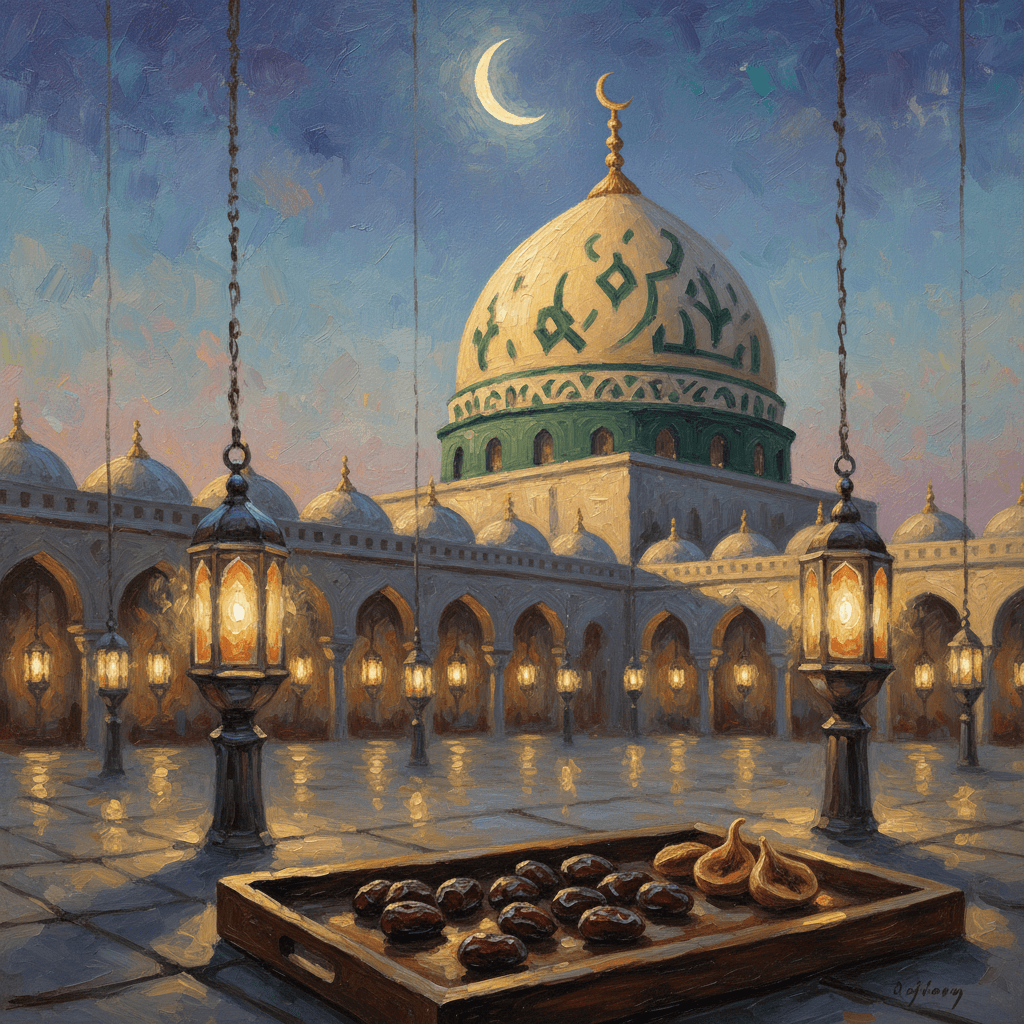
Think about what happens to your deeds when you die. Every prayer, every fast, every dhikr — they stop accumulating. The book closes. Whatever you built in this life is what you have.
Except for three things.
The Prophet ﷺ said:
إِذَا مَاتَ الْإِنسَانُ انْقَطَعَ عَنْهُ عَمَلُهُ إِلَّا مِنْ ثَلَاثَةٍ: إِلَّا مِنْ صَدَقَةٍ جَارِيَةٍ، أَوْ عِلْمٍ يُنْتَفَعُ بِهِ، أَوْ وَلَدٍ صَالِحٍ يَدْعُو لَهُ
"When a person dies, all their deeds come to an end except for three: sadaqah jariyah (ongoing charity), beneficial knowledge, and a righteous child who prays for them."
— (Sahih Muslim 1631)
This single hadith has inspired Muslims for over a thousand years to think beyond their own lifetime. Sadaqah jariyah — the flowing, continuous charity — is the one form of giving that does not stop giving when you do.
What Sadaqah Jariyah Actually Means
Sadaqah (صدقة) is charity. Jariyah (جارية) comes from the root jara — to flow, to run, to continue. Together, they describe an act of charity that keeps flowing in benefit to others after you have moved on.
The concept is distinct from regular sadaqah, which is a one-time gift. If you give money to a person in need, that is sadaqah — excellent and rewarded. But when that person spends it, the cycle ends. Sadaqah jariyah, by contrast, creates a structure of benefit that continues:
- A well you dig keeps providing water for years
- A copy of the Quran you donate keeps being read
- Knowledge you teach keeps spreading through your student, their students, and beyond
The Quran hints at this multiplier effect:
مَّثَلُ الَّذِينَ يُنفِقُونَ أَمْوَالَهُمْ فِي سَبِيلِ اللَّهِ كَمَثَلِ حَبَّةٍ أَنبَتَتْ سَبْعَ سَنَابِلَ فِي كُلِّ سُنبُلَةٍ مِّائَةُ حَبَّةٍ وَاللَّهُ يُضَاعِفُ لِمَن يَشَاءُ
"The example of those who spend their wealth in the way of Allah is like a seed of grain which grows seven spikes; in each spike is a hundred grains. And Allah multiplies for whom He wills."
— (Surah Al-Baqarah, 2:261)
One seed. Seven hundred grains. And then each grain becomes a new seed. This is the spiritual arithmetic of sadaqah jariyah.
Why Modern Muslims Struggle With This
The nafs is wired for the immediate. Giving money feels real right now — you see the amount, you feel the sacrifice, and you know it happened. Sadaqah jariyah, by contrast, often feels abstract: "I contributed to a well in a village I'll never visit. How do I know it counts?"
It counts because the reward is connected to the benefit, not to your experience of it. You do not need to witness the water being drunk. Allah sees it. The record continues.
The modern struggle is also about scale. Many Muslims think sadaqah jariyah requires large sums — building entire mosques, funding hospitals. But the Prophet ﷺ planted a tree and noted it earns reward every time a bird eats from it (Sahih Muslim 1553). Scale matters less than continuity.
Another obstacle: thinking it is only for the wealthy. A person who teaches one neighbor to perform wudu correctly has given sadaqah jariyah. A person who shares a beneficial Islamic article that someone else reads has given sadaqah jariyah. The income bracket does not determine your access to ongoing reward.
How to Make Sadaqah Jariyah Part of Your Daily Life
Start with what you already have
Knowledge is free to share. Every time you share a hadith, teach someone to pray, explain the meaning of a dua, or share beneficial content — you have given sadaqah jariyah. Make it intentional. When you share something beneficial, make the intention: "I give this to seek the pleasure of Allah, and I ask that its benefit continue after me."
Contribute to ongoing structures
Even small monthly contributions to organizations that build wells, fund Quran printing, sponsor orphan education, or support students of knowledge create sadaqah jariyah. You do not need to fund the entire project — you need to participate in something that continues.
Plant something living
This is literally prophetic. The Prophet ﷺ said: "There is none amongst the Muslims who plants a tree or sows seeds, and then a bird, or a person, or an animal eats from it, but it is regarded as a charitable gift (sadaqah) from him." (Sahih al-Bukhari 2320). Plant a tree in your garden, support urban tree planting, or contribute to reforestation efforts. It continues long after you.
Give beneficial content an ongoing home
In the age of the internet, a piece of beneficial content can outlive its creator. If you write, record, or share something that benefits people in the deen — a guide to performing salah, an explanation of an Islamic concept, a Quran recitation — that continues. Be intentional about creating for benefit, not just consumption.
Invest in a waqf (Islamic endowment)
Waqf is the formal Islamic mechanism for sadaqah jariyah — you give an asset (property, money, investment) to be used for ongoing charitable purposes, with the principal preserved and only the income or use given away. Many Islamic organizations now offer structured waqf investment opportunities that pool contributions.
Build Your Daily Giving Habit — Start Small, Keep Going
DeenBack helps you track your daily charitable acts and sadaqah intentions — because consistency in small giving compounds into lasting reward.


Free download. Premium features available in-app.
See how to give sadaqah regularly for practical systems for making sadaqah a consistent habit.
Signs of Progress
You are genuinely building a sadaqah jariyah mindset when:
- You automatically think "how can this benefit others?" before sharing content or knowledge
- Small contributions to ongoing causes feel as satisfying as large one-time gifts
- You start thinking about legacy — what you leave behind for others after you are gone
- Your children, students, or friends begin to practice what you taught them
- Death feels less like an end of deeds and more like a transition — because you have built things that continue
Common Questions
Can I do sadaqah jariyah if I am in debt?
Yes, but prioritize clearing debts first if possible, especially to individuals. If you have some discretionary funds after necessities and debt payments, giving sadaqah — including jariyah — is encouraged. There are narrations supporting giving small amounts of sadaqah even in limited circumstances. See how to calculate zakat and what is zakat for understanding obligatory giving first.
Does sharing an Islamic article on social media count?
If the article or content is genuinely beneficial and you share it with that intention, many scholars include this in the category of "spreading beneficial knowledge" — one of the three continuing deeds. It is not guaranteed to be accepted by Allah (sincerity and quality of the content matter), but the intention and action are sound. Make the niyyah explicitly before you share.
Is raising children sadaqah jariyah?
The Prophet ﷺ mentioned "a righteous child who prays for their parent" as one of the three continuing deeds. This is not automatic — it depends on whether the child is righteous and prays for you specifically. But investing in your children's Islamic upbringing, teaching them dua, Quran, and practice — this is among the most important sadaqah jariyah you can do. See how to build a daily ibadah routine for how to model consistent practice that your children absorb.
How do I give sadaqah jariyah on behalf of a deceased parent?
Make the intention: "O Allah, I give this sadaqah on behalf of [parent's name], and I ask You to grant them the reward." Then give — to a well, a Quran printing project, a student of knowledge's food, or any ongoing charitable cause. Many scholars also recommend completing unfinished acts of ibadah on behalf of the deceased (like a promised fast or charity) in addition to ongoing sadaqah.
Closing — Invest in What Death Cannot Take
Most of what we accumulate in this life ends with us. Our money goes to heirs. Our status disappears. Our productivity stops.
But sadaqah jariyah is the investment that beats death itself. It is the act of planting a tree you will never fully harvest — and choosing to plant it anyway, because you understand that the harvest is not the point.
Every beneficial thing you leave behind in the world — a person helped, a tree planted, a book written, a student taught — continues to flow its reward back to you even in the grave.
Start small. Start today. And make the intention every time.
Turn Daily Acts Into Ongoing Reward
DeenBack helps you build the habits of giving, teaching, and sharing beneficial knowledge — the building blocks of sadaqah jariyah.
Free download. Premium features available in-app.
Frequently Asked Questions
What is sadaqah jariyah in Islam?
Sadaqah Jariyah (صدقة جارية) is ongoing, continuous charity — acts of goodness that continue to benefit people and earn the giver reward even after their death. The word jariyah means 'flowing' or 'running.' The Prophet ﷺ identified three things that continue after death: sadaqah jariyah, beneficial knowledge, and righteous children who pray for their parent. (Sahih Muslim 1631)
What are examples of sadaqah jariyah?
Classical examples include: building a mosque or contributing to one, digging a well or providing clean water access, planting a tree, building a school or hospital, publishing or sharing beneficial Islamic knowledge, sponsoring an orphan's education, and teaching someone a skill they use for good. In modern times: funding an online Islamic resource, sponsoring a student of knowledge, contributing to a charitable endowment (waqf), or writing something beneficial that continues to be read.
Does teaching count as sadaqah jariyah?
Yes — if it is beneficial knowledge ('ilm nafi'). The Prophet ﷺ explicitly named it in the hadith of three continuing deeds. If you teach someone to read Quran, perform wudu, or any Islamic or beneficial knowledge that they continue to practice and teach others, you share in the reward. The chain of reward can multiply across generations.
Can I do sadaqah jariyah for someone who has already died?
Yes. You can give sadaqah jariyah on behalf of a deceased parent, relative, or friend, with the intention that the reward reaches them. This is established by multiple authentic narrations where companions asked the Prophet ﷺ about donating on behalf of deceased relatives, and he encouraged it.
How much reward does sadaqah jariyah give?
The reward is ongoing — it continues as long as the benefit continues. A tree planted and eaten from by people or birds earns reward for as long as that tree lives. A well that provides water earns reward for as long as people drink from it. The scale of reward is proportional to the scale and duration of benefit. Allah multiplies deeds at His discretion (Al-Baqarah, 2:261).