
- Published on
Is Tuna Haram? What Muslims Need to Know About This Common Fish
- Authors

- Name
- Ahmad
- Role
- Senior Marketing Manager, Islamic education • Deen Back
بِسْمِ اللهِ الرَّحْمٰنِ الرَّحِيْمِ
In the name of God, the Most Gracious, the Most Merciful.
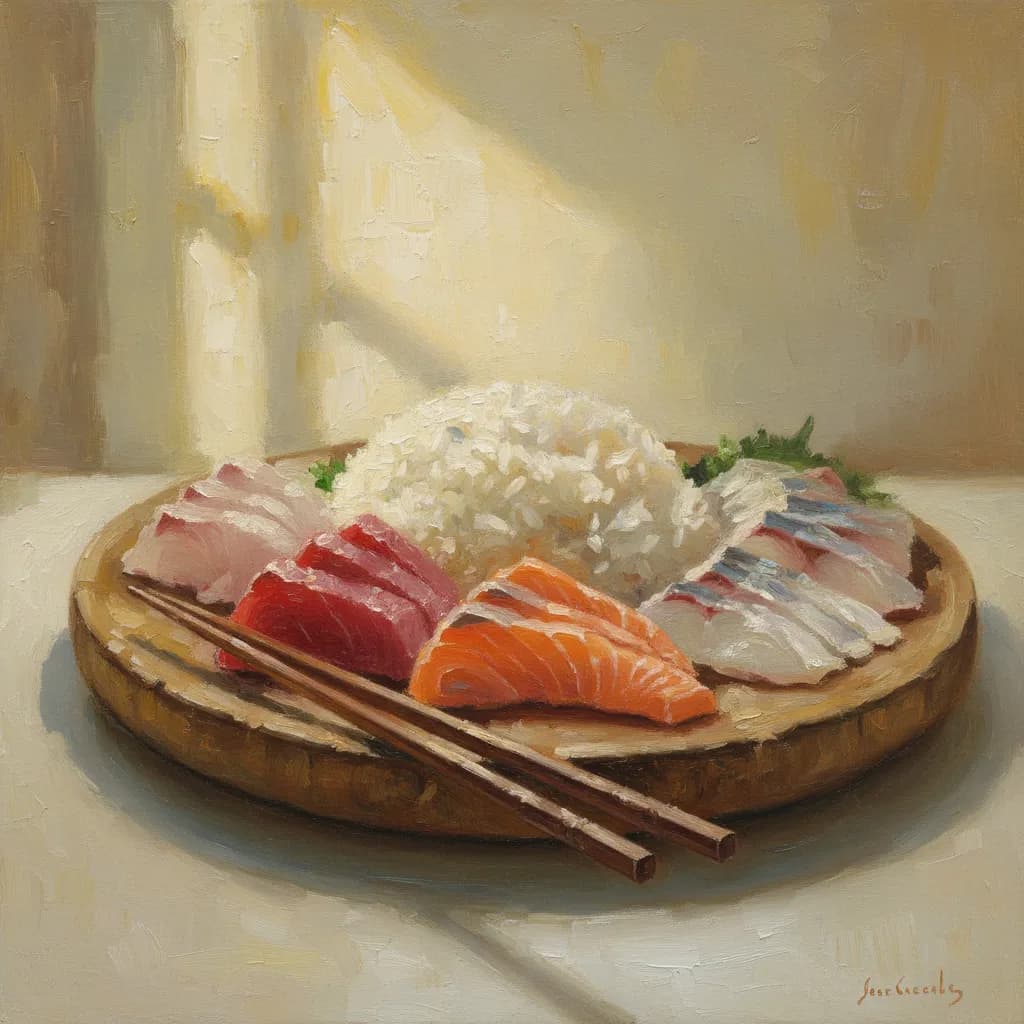
Of all the seafood questions Muslims ask, this one has the clearest answer: tuna is halal. It is a fish, and fish has been explicitly permitted in Islam without the debates that surround shrimp, squid, or octopus.
But "is tuna haram?" gets searched precisely because people are uncertain about specific tuna products — canned tuna with added ingredients, tuna in sushi, tuna dishes at non-halal restaurants. Those are the real questions worth addressing.
The Short Answer
Tuna is halal according to all four schools of Islamic thought — unanimously. There is no scholarly dispute here. Tuna is a fish, and fish is permissible.
The Quran:
أُحِلَّ لَكُمْ صَيْدُ الْبَحْرِ وَطَعَامُهُ مَتَاعًا لَّكُمْ
"Lawful to you is the game of the sea and its food as provision for you." — (Surah Al-Ma'idah, 5:96)
The Prophet ﷺ:
"Two dead animals are lawful for you: fish and locusts." — (Ibn Majah 3314)
Fish — including tuna — does not require specific slaughter. It is halal when caught and eaten, and it remains halal even if it dies naturally in the water.
What the Quran and Sunnah Say About Fish
The unanimity on fish permissibility is rare in Islamic jurisprudence. Even the Hanafi school, which restricts other seafood to fish only, places fish at the center of what is permitted. The debate over shrimp, octopus, squid, and crab is precisely about whether those creatures share in the fish's general permissibility.
Tuna — a true fish by any standard — is entirely uncontroversial.
The relevant hadith:
"The sea is pure, and its dead are lawful." — (Abu Dawud 83)
This principle means even tuna that dies of natural causes in the sea is lawful — a stark contrast to land animals, which require specific slaughter to be halal. The permissibility of fish is broad, robust, and consistent across all traditions.
What this means practically: you can eat tuna at a non-halal restaurant, buy canned tuna from any supermarket, and eat tuna sashimi — as long as no haram ingredients are added to it. The fish itself is never the concern.
Why This Is Actually Hard
The challenge with tuna is not the fish — it is the ecosystem around it. Modern food preparation means tuna rarely arrives at your plate alone.
The ingredients and preparations that can make an otherwise-halal tuna dish problematic:
In canned and packaged products:
- Flavored canned tuna may contain wine reduction, sake, or alcohol-based flavorings
- Some products use "natural flavors" that could include pork extracts
- Tuna pouches with spicy or smoky seasonings sometimes use vinegar or wine in the mix
In restaurants:
- Tuna tartare often includes a wine reduction or sake
- Asian-inspired tuna dishes may contain mirin (sweet rice wine)
- Cross-contamination at non-halal establishments (same cutting board as pork products)
In sushi:
- Sushi rice is frequently prepared with mirin or sake
- Teriyaki or other glazes may contain alcohol
- This is well covered in our article on is sushi haram
In salad dressings and sauces:
- Niçoise salad or tuna-based salads may contain wine vinegar (considered halal by most scholars in small amounts — but worth noting) or pork products like bacon
None of these concerns are about the tuna itself. They are about being a conscious, label-reading Muslim who understands that halal food is about the entire dish, not just the main ingredient.
What to Do — Practical Steps
Step 1: Feel Confident About Plain Tuna
Tuna in water, tuna in olive oil, grilled tuna steak, tuna salad made at home — these are halal without any reservation. There is no need for uncertainty or anxiety. Enjoy the fish.
Step 2: Read Labels on Canned Products
When buying flavored or seasoned canned tuna, check the ingredient list:
- "Wine," "sake," "mirin," or "alcohol" → avoid or verify
- "Natural flavors" → check with the manufacturer if the product is not halal-certified
- "Contains pork" or unlabeled gelatin in a sauce → avoid
Plain tuna in water or sunflower/olive oil has essentially no haram risk.
Step 3: Ask at Restaurants for Complex Dishes
For a simple grilled or baked tuna dish at a restaurant, the risk is low. For a complex preparation involving sauces, marinades, or Asian-style preparations, it is worth asking: "Does this contain any alcohol or pork?" Most good restaurants will know and tell you. This is a normal question, not a difficult one.
Step 4: Apply This Label-Reading Habit Broadly
The tuna lesson is the halal eating lesson in miniature: the food itself may be fine, but the surrounding ingredients can introduce problems. The same vigilance applies to fish dishes, is sushi haram, is crab haram, and similar situations. See halal vs haram for the overarching framework.
Build mindful halal habits daily — track your consistency with Deen Back
Conscious eating is a form of daily worship. Deen Back helps you build the daily habits — from food awareness to dhikr — that strengthen your daqwa.


Free download. Premium features available in-app.
Dua Before Eating
بِسْمِ اللَّهِ وَعَلَى بَرَكَةِ اللَّهِ
"In the name of Allah and with the blessings of Allah." — (Abu Dawud 3767)
If you forget to say bismillah before eating, the Prophet ﷺ said to say when you remember:
"بِسْمِ اللَّهِ أَوَّلَهُ وَآخِرَهُ"
"In the name of Allah at the beginning and at the end." — (Abu Dawud 3767)
The practice of bismillah before eating is not a formality. It is the conscious act of placing your nourishment under Allah's blessing — and reminding yourself that eating is not a neutral activity but a form of gratitude and worship.
Common Questions
Is tuna from a non-Muslim owned fishing company halal?
Yes. Fish does not require Islamic slaughter — it is halal by its nature. Who catches it and who sells it does not affect its permissibility, provided the company is not adding haram ingredients to the product after catch.
What about tuna that is smoked or cured?
Smoked tuna is halal — smoking is a preservation method, not a haram ingredient. Cured tuna may involve salt, sugar, herbs, and sometimes citrus — all halal. If a curing process involves alcohol or pork products, that specific product would be a concern, but most smoked or cured tuna you encounter does not.
Is line-caught tuna more halal than net-caught?
No. The method of catching does not affect the halal status. There is no Islamic distinction between line-caught and net-caught fish — both are halal by the explicit permission of the Prophet ﷺ and the Quran.
What about tuna that has been in the same factory as non-halal products?
Shared factory concerns (common allergen labeling: "may contain") are a genuine but often overstated issue. The majority of scholars do not require halal certification for products like plain canned fish simply because they share a factory with non-halal products, unless there is actual cross-contamination in the specific product. For most plain canned tuna, this is not a meaningful concern.
The Easy Win in Your Halal Diet
Tuna is one of the most accessible, protein-rich, and genuinely halal foods available in almost every country in the world. It is available canned in every supermarket, served at virtually every seafood restaurant, and adaptable to almost every cuisine.
The fact that it is unanimously halal — no school disputes, no complex ingredient labeling in its plain form — makes it one of the simplest anchor points in a halal diet. Build your halal eating habits around foods you know with certainty, and tuna belongs on that list.
The question to ask is not "is tuna okay?" but "how am I building the daily habit of conscious, halal eating?" Because the body is an amanah and what you put in it matters — not just in the big obvious moments, but in every meal.
Build daily halal habits that honor the body Allah gave you — start with Deen Back
From conscious eating to daily dhikr, every small righteous choice builds your relationship with Allah. Track your habits and streaks with Deen Back.
Free download. Premium features available in-app.
Frequently Asked Questions
Is tuna haram in Islam?
No — tuna is halal according to all four major schools of Islamic thought (Hanafi, Maliki, Shafi'i, Hanbali). Tuna is a fish (samak), and all schools agree that fish is permissible without requiring specific slaughter. The debates about non-fish seafood (shrimp, octopus, squid) do not apply to tuna.
Is canned tuna halal?
Plain canned tuna in water or oil is halal. Check the ingredients for added flavorings or sauces — some flavored canned tuna products contain wine, alcohol-based flavorings, or pork-derived ingredients. Plain tuna: halal. Tuna in 'white wine sauce' or with unexplained 'natural flavors': check or avoid.
Is tuna in sushi halal?
Tuna itself is halal, but sushi can introduce concerns: sushi rice is sometimes prepared with mirin (a rice wine), some sauces contain sake or other alcohol, and cross-contamination at non-halal establishments is possible. The fish component of tuna sushi is fine; the surrounding preparation elements need checking. See our article on is sushi haram for the full discussion.
Is raw tuna (sashimi) permissible?
Yes — there is no Islamic requirement to cook fish before eating it. Tuna sashimi (raw tuna slices) is permissible assuming no haram accompaniments. The concern is not the rawness but the presence of haram ingredients in sauces, marinades, or accompanying items.
Does the method of catching tuna affect its permissibility?
No. Unlike land animals, fish do not require specific slaughter to be halal — the Sunnah explicitly permits fish that die naturally in the sea or are caught. Commercial fishing methods (nets, longlines) do not affect the halal status of tuna. All four schools agree on this.