
- Published on
Is Crab Haram? What Muslims Should Know About Eating Seafood
- Authors

- Name
- Ahmad
- Role
- Senior Marketing Manager, Islamic education • Deen Back
بِسْمِ اللهِ الرَّحْمٰنِ الرَّحِيْمِ
In the name of God, the Most Gracious, the Most Merciful.
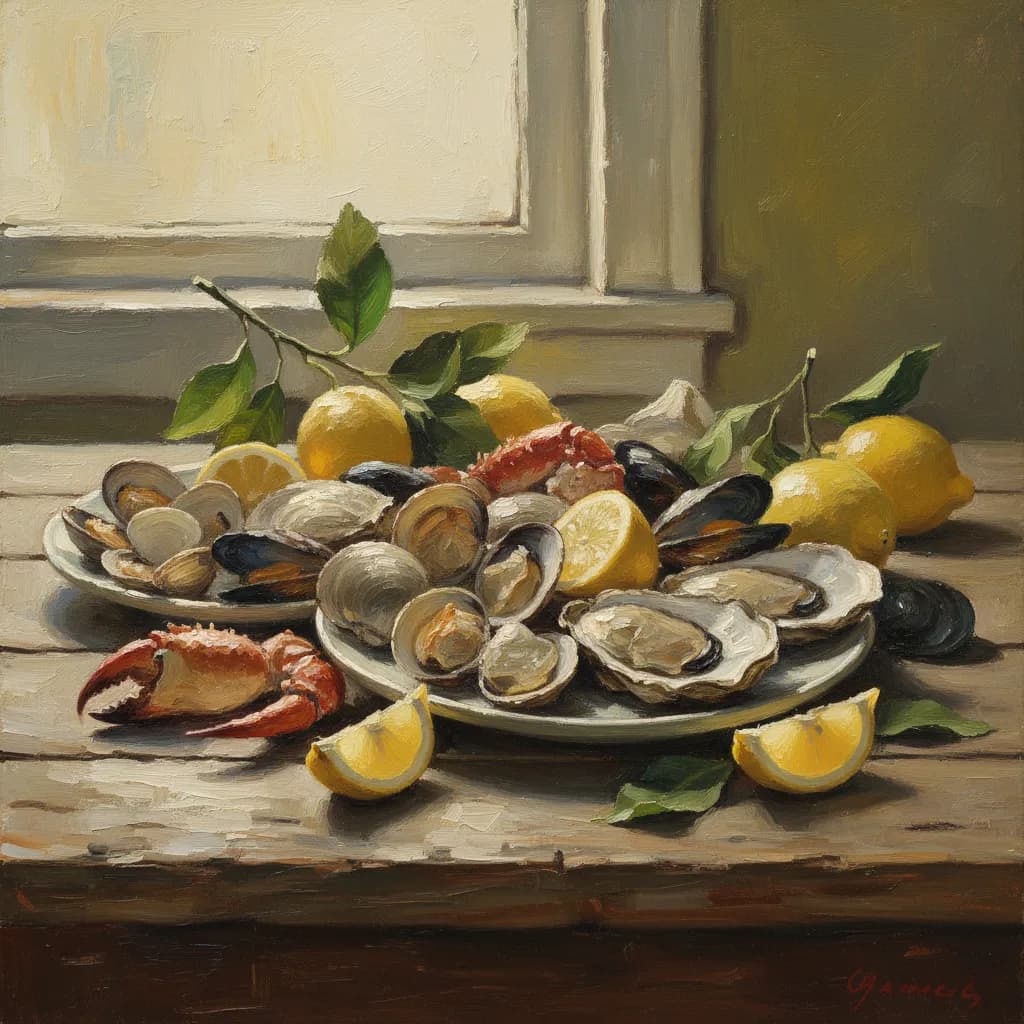
You are at a restaurant with friends, someone orders crab, and a quiet question surfaces in your mind: is this actually halal? Maybe you grew up in a household that avoided shellfish entirely. Maybe a friend told you crab is haram and you have been unsure ever since. Or maybe you simply never looked into it and now you want to know for certain.
This is a good place to be. The fact that you are asking means you care about what enters your body and whether it aligns with your deen. That matters more than you think. The answer here is more straightforward than many halal vs haram questions, but there is a real lesson underneath it about how we approach food as Muslims.
The Quick Answer
The majority of Islamic scholars consider crab halal. Three of the four major schools of thought — Shafi'i, Maliki, and Hanbali — agree that all sea creatures are permissible based on clear Quranic evidence:
أُحِلَّ لَكُمْ صَيْدُ الْبَحْرِ وَطَعَامُهُ مَتَاعًا لَّكُمْ وَلِلسَّيَّارَةِ
"Lawful to you is the catch of the sea and its food as provision for you and for travelers." — (Surah Al-Ma'idah, 5:96)
The Hanafi school has a narrower view, which we will explain below.
What the Quran and Sunnah Say
The primary evidence is the verse above from Surah Al-Ma'idah. The word ta'am (food) in this verse is understood by the majority to encompass everything the sea produces — fish, shellfish, crustaceans, and other marine life. There is no distinction made between types of sea creatures.
The Prophet ﷺ reinforced this when asked about performing wudu with seawater:
هُوَ الطَّهُورُ مَاؤُهُ الْحِلُّ مَيْتَتُهُ
"Its water is pure and its dead are halal." — (Abu Dawud 83)
This hadith is significant. It establishes that sea creatures are permissible even when they die naturally in the water — they do not require dhabihah (Islamic slaughter) the way land animals do. This is a point of consensus among all four schools.
The Hanafi position is where the nuance lies. Classical Hanafi scholars restricted permissible seafood to samak (fish) — creatures with scales that live exclusively in water. Under this strict reading, crab, lobster, shrimp, and other shellfish would not be permissible. However, many contemporary Hanafi scholars have broadened this position. Some classify non-fish sea creatures as makruh (disliked but not sinful) rather than outright haram, and others have adopted the majority view entirely.
If you follow the Hanafi school, this is worth consulting with a scholar you trust. The IslamQA resource on seafood rulings provides a detailed breakdown of the different positions.
The key takeaway: for the majority of Muslims worldwide, crab is clearly halal. The evidence from Quran and Sunnah is direct and unambiguous.
Why This Is Actually Hard
If crab is halal for most Muslims, why does the confusion persist? Because food rulings in Islam live at the intersection of scholarship, culture, and personal anxiety.
Your nafs does not always respond to clear evidence. Sometimes the doubt lingers because:
- You grew up hearing "we don't eat that" without understanding the daleel (evidence)
- Cultural norms in your community shaped your understanding more than scholarly evidence did
- The existence of a minority opinion makes you anxious, even when the majority is clear
- You worry about getting it wrong and do not want to stand before Allah having eaten something impermissible
This anxiety is understandable, and it comes from a good place. But Islam is not designed to paralyze you. Allah described this deen as ease, not hardship. The real growth is not in avoiding every doubtful thing out of fear — it is in learning the evidence, understanding the scholarly positions, and making informed choices. That is the difference between cultural Islam and conscious Islam.
What to Do About It — Practical Steps
1. Learn the Evidence, Not Just the Opinion
Do not settle for "my uncle said it's haram." Go to the source. Read Surah Al-Ma'idah 5:96. Read the hadith in Abu Dawud 83. Understand which school you follow and what their scholars actually say. Knowledge removes the anxiety that ignorance creates.
2. Know Your School, Follow It Consistently
If you follow the Hanafi school and your trusted scholar advises caution on shellfish, respect that. If you follow the Shafi'i, Maliki, or Hanbali school, eat crab with confidence. The problem is not following a school — it is school-hopping to justify what is convenient. Consistency builds taqwa.
3. Check the Full Dish, Not Just the Main Ingredient
This is where many Muslims slip. The crab itself might be halal, but what about the butter it is cooked in? The sauce? The alcohol in the recipe? When you eat out, ask questions. When you cook at home, read labels. This habit of checking ingredients carries over to everything — from gelatin in your snacks to whether your sushi is truly halal.
4. Build the Habit of Mindful Eating
Eating in Islam is an act of ibadah when done with intention. Say bismillah before you eat. Thank Allah for the provision. Choose halal not because of social pressure but because you are building a relationship with the One who provides. This same mindfulness applies whether you are evaluating crab, checking if alcohol is in your food, or making sure your snacks are halal.
5. Track Your Halal Choices
Every time you pause, check, and choose halal intentionally, you are strengthening a muscle. That muscle is taqwa — the conscious awareness of Allah in your daily decisions. When you track these choices, you see the pattern building. You stop being someone who accidentally eats halal and become someone who deliberately lives halal.
Build halal eating habits that last — track your daily choices with Deen Back
Deen Back helps you build the daily discipline and mindfulness that makes halal living second nature, not a constant battle with doubt and confusion.


Free download. Premium features available in-app.
Dua for Strength in Halal Choices
اللَّهُمَّ اكْفِنِي بِحَلَالِكَ عَنْ حَرَامِكَ وَأَغْنِنِي بِفَضْلِكَ عَمَّنْ سِوَاكَ
"O Allah, suffice me with what You have made halal so that I have no need for what You have made haram, and enrich me by Your bounty so that I have no need of anyone other than You." — (Tirmidhi 3563)
Make this dua part of your routine. It covers far more than food — it is a comprehensive request for Allah to make the halal path easy and sufficient for you in every area of life.
Common Questions
Is shrimp haram too?
The same ruling applies to shrimp as to crab. The majority of scholars consider shrimp halal based on the general permissibility of sea creatures. Some Hanafi scholars apply the same restriction they apply to crab. If your community or school considers shrimp permissible, the same reasoning covers crab.
What if I am unsure which school to follow?
Follow the school that your community, your local imam, or your family traditionally follows — and be consistent. If you genuinely do not know, the majority position (crab is halal) is the strongest in terms of evidence. The Prophet ﷺ said: "Leave what makes you doubt for what does not make you doubt" (Tirmidhi 2518), but this applies to genuinely ambiguous matters, not to cases where the evidence is clear for the majority.
Can I eat crab at a non-halal restaurant?
The crab itself does not require halal slaughter. The concern is what it is cooked with. If the restaurant uses alcohol in the preparation, non-halal butter, or cooks it on the same surface as pork without cleaning, those are legitimate concerns. Ask about preparation methods. If the crab is steamed or boiled with halal-safe ingredients, it is permissible.
Is crab stick or imitation crab halal?
Imitation crab is usually made from processed white fish (surimi). The base ingredient is halal, but check for additives — some brands use non-halal gelatin or alcohol-based flavoring. Read the label. This is exactly the kind of habit that separates passive eating from intentional eating.
Your Journey Starts Now
The question "is crab haram" is actually a doorway into something bigger: becoming a Muslim who eats with awareness, not just appetite. You now have the evidence. You know the scholarly positions. You understand that the majority considers crab halal and that the Hanafi position deserves respect for those who follow it.
What matters next is what you do with this knowledge. Start checking labels. Start asking questions at restaurants. Start treating every meal as a moment of taqwa. These small, consistent choices compound into a life lived with purpose and consciousness. That is what Islam actually asks of you — not perfection, but intentionality.
Make every choice count — build your halal habits with Deen Back
Deen Back helps you build the daily dhikr, self-discipline, and halal habits that transform your relationship with the deen — one intentional choice at a time.
Free download. Premium features available in-app.
Frequently Asked Questions
Is crab halal or haram in Islam?
The majority of scholars — Shafi'i, Maliki, and Hanbali — consider crab halal based on the Quran verse 'Lawful to you is the catch of the sea and its food' (Al-Ma'idah 5:96). The Hanafi school has a more restrictive view, with some Hanafi scholars limiting permissible seafood to fish only, making crab and other shellfish either haram or makruh depending on the specific Hanafi opinion.
Is lobster haram in Islam?
The same ruling that applies to crab applies to lobster. The majority of scholars (Shafi'i, Maliki, Hanbali) consider lobster halal as it is a creature of the sea. Some Hanafi scholars restrict seafood to fish only, which would exclude lobster. Check with a scholar you trust if you follow the Hanafi school.
Do I need to slaughter crab before eating it?
No. Sea creatures do not require Islamic slaughter (dhabihah). The Prophet ﷺ said about the sea: 'Its water is pure and its dead are halal' (Abu Dawud 83). This means seafood is permissible without formal slaughter, unlike land animals.
Is imitation crab (surimi) halal?
Imitation crab is typically made from processed fish (usually pollock) with added flavoring and coloring. The fish itself is halal, but you need to check for non-halal additives like alcohol-based flavorings or non-halal gelatin. Always read the ingredients list.
What about crab cooked with alcohol or haram ingredients?
Even if the crab itself is halal, any dish prepared with haram ingredients — alcohol, non-halal butter, or sauces containing haram additives — would make the entire dish impermissible. Always ask about preparation methods when eating out.