
- Published on
Is Snail Halal? The Islamic Ruling on Eating Snails Explained
- Authors

- Name
- Ahmad
- Role
- Senior Marketing Manager, Islamic education • Deen Back
بِسْمِ اللهِ الرَّحْمٰنِ الرَّحِيْمِ
In the name of God, the Most Gracious, the Most Merciful.
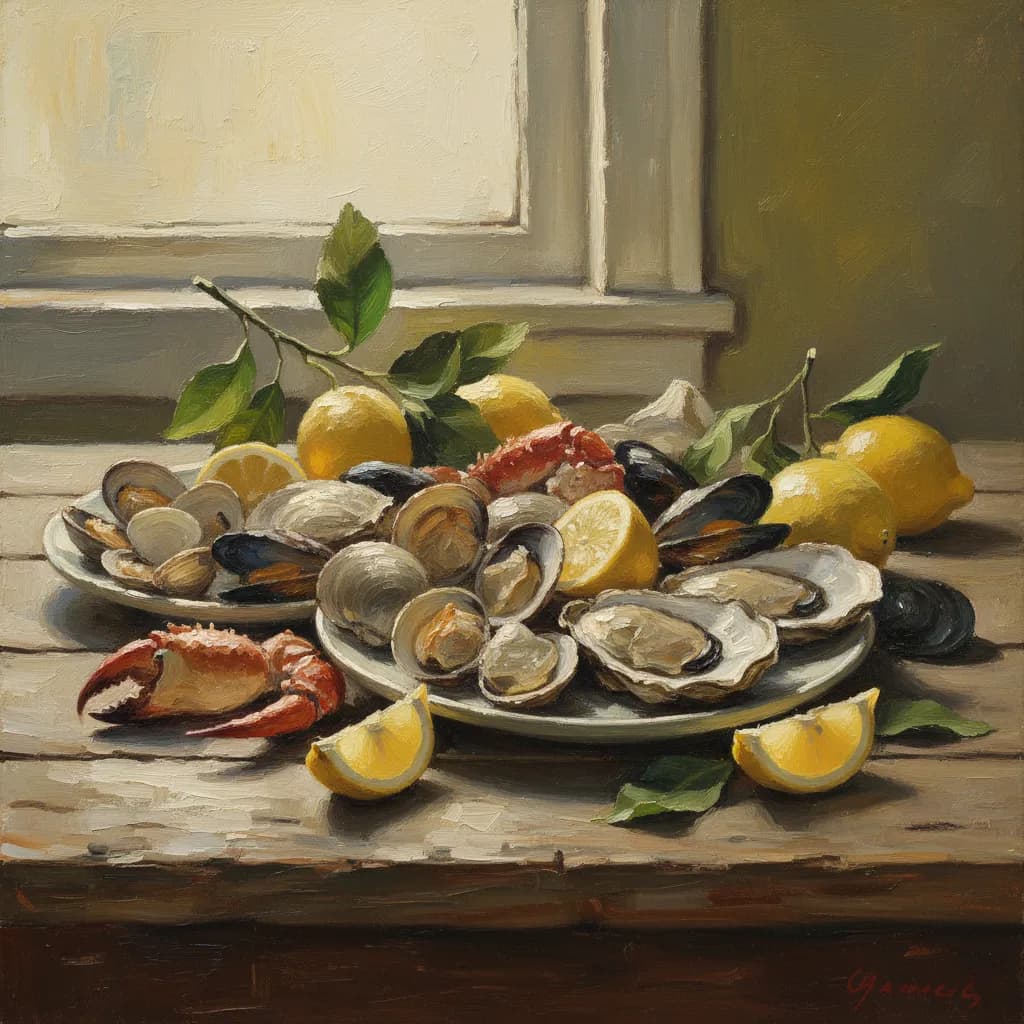
Whether you have encountered escargot at a French restaurant, sea snails at a seafood market, or snail-based supplements at a health store, the halal question is genuine and the answer is not one-size-fits-all.
Here is the honest breakdown.
The Quick Answer
Sea snails (abalone, whelks, periwinkles, conch, sea shells): Halal by majority scholarly consensus. They are aquatic creatures, and the Quran broadly permits food from the sea.
Land snails (escargot, garden snails): Disputed.
- Maliki school: Halal (though some Maliki scholars add conditions about slaughter)
- Hanafi school: Haram or highly disliked (not in the permitted category of sea creatures, classified as a repugnant land creature)
- Shafi'i school: Generally haram or makrooh tahrim (strongly disliked approaching prohibition) — considered among khaba'ith (repugnant things)
- Hanbali school: Scholarly difference within the madhab — some permit, some restrict
The practical result: most Muslim-majority countries and most mainstream halal certification bodies do not certify land snails as halal. If you are not a Maliki Muslim or under Maliki scholarly guidance, the safer and majority position is to avoid land snails.
What the Quran and Sunnah Say
The Quran's general permission for sea food is foundational:
أُحِلَّ لَكُمْ صَيْدُ الْبَحْرِ وَطَعَامُهُ مَتَاعًا لَّكُمْ وَلِلسَّيَّارَةِ
"Lawful to you is the game of the sea and its food, as provision for you and for travelers."
— (Surah Al-Ma'idah, 5:96)
The Prophet ﷺ added:
"It is pure, its water. Its dead [creatures] are lawful [to eat]."
— (Abu Dawud 83)
For sea snails: this evidence applies directly. They are creatures of the sea; they are halal.
For land snails: the disagreement comes from a different principle. The Quran also says Allah has made lawful for us good, wholesome things (tayyibat) and has forbidden repugnant things (khaba'ith):
يُحِلُّ لَهُمُ الطَّيِّبَاتِ وَيُحَرِّمُ عَلَيْهِمُ الْخَبَائِثَ
"He makes lawful for them the good things and forbids them the repugnant."
— (Surah Al-A'raf, 7:157)
Scholars who prohibit land snails apply khaba'ith to them — they are creatures that most people find repugnant, live on decaying matter, and do not fall into any clearly permitted category of land animals.
Maliki scholars challenge this classification: they argue that "repugnant" should not be decided by cultural taste preferences but by explicit textual prohibition. If the Quran and Sunnah did not explicitly forbid snails, and they were eaten by some early communities without prohibition, they should be permitted.
This is a genuine scholarly disagreement with substantive evidence on both sides.
Why This Is Actually Hard — The Madhab Clarity Problem
The snail question reveals a broader challenge: halal decisions require knowing which school of thought you follow and being consistent about it.
Many Muslims in the modern world have grown up applying a mix of rulings from different madhabs without realizing it. They follow Hanafi rulings on prayer timings but Maliki rulings on seafood. They use Shafi'i positions on wudu but Hanafi positions on food.
From a strict fiqh perspective, picking and choosing the most convenient ruling from each madhab — called talfiq — is problematic. The consistency that a madhab provides is itself part of how Islamic law protects against confusion and self-serving rulings.
For land snails specifically: if you are a Maliki Muslim with consistent Maliki practice, the ruling for you is that they are halal. If you follow any other madhab, they are not clearly permitted.
Practical Steps
1. Know whether you are dealing with sea or land snails. This is the first question. Sea snails are not a halal concern — say bismillah and eat. Land snails require applying your madhab's ruling.
2. For Hanafi and Shafi'i Muslims: avoid land snails. The ruling is clear in these madhabs. There is no hardship in avoiding escargot — it is not a food staple for most Muslim communities. The Islamic principle of caution around uncertain matters supports avoiding it.
3. For Maliki Muslims: you may eat land snails. Follow your madhab's position without guilt. Some Maliki scholars add that the snail should be killed with something that terminates its life quickly (hot water, for example). Check with a scholar in your tradition for the exact conditions.
4. At restaurants, the bigger concern is the preparation. Escargot is typically prepared with butter, garlic, and white wine — the wine immediately makes the dish haram regardless of the snail question. If you are at a restaurant where this preparation is standard, the wine issue applies before the snail issue.
5. Check snail-based food additives and supplements carefully. Some foods use snail extract. Some supplements use snail collagen. Check the specific product and apply your madhab's ruling on the snail ingredient. Check separately for other non-halal ingredients.
Stay Grounded in Your Halal Commitments
DeenBack helps you live your Islamic values consistently every day — including mindful food choices that reflect your deen, not just your convenience.


Free download. Premium features available in-app.
Dua When Navigating Uncertain Rulings
When facing genuinely unclear food situations:
بِسْمِ اللَّهِ وَعَلَى بَرَكَةِ اللَّهِ
Bismillahi wa 'ala barakatillah
And if still uncertain about something:
اللَّهُمَّ اجْعَلْ رِزْقِي حَلَالًا طَيِّبًا
Allahumma-j'al rizqi halalan tayyiba
"O Allah, make my sustenance lawful and wholesome."
This dua is from the reported practice of the Prophet ﷺ and the Companions when seeking Allah's guidance in their sustenance.
Common Questions
Is snail mucin (slime) in skincare products halal?
External use of snail secretions in skincare is treated by most scholars as permissible even for those who prohibit eating land snails. The halal-haram analysis for consumption does not automatically extend to external cosmetic use. Use your judgment and, if uncertain, consult a scholar.
If I have unknowingly eaten land snail in a dish, is there any expiation required?
No. Unknown consumption of something that might be haram does not require expiation. Apply the ruling going forward. The principle is: you are responsible for what you knowingly and intentionally consume.
What about snail eggs — caviar from land snails?
This falls under the same ruling as the snail itself in each madhab. For sea snails, the eggs are halal. For land snails, the same madhab-based restrictions apply.
Can I ask for land snails to be removed from a dish that otherwise contains halal ingredients?
Yes. Removing the disliked ingredient and eating the remaining halal food is generally permissible according to most scholars, as long as the preparation itself (cooking method, shared utensils, sauce) does not create contamination. See the general halal vs haram principles for guidance on mixed dishes.
What is the ruling for consuming snails in countries where they are traditional food?
The ruling applies universally regardless of cultural tradition. However, Maliki scholars who permit land snails are found disproportionately in North and West Africa — regions where local tradition influenced legal reasoning. This is a legitimate Islamic principle: local practice and its interaction with scholarly tradition can shape how rulings are applied in specific communities.
Closing — Know Your Ruling and Eat With Confidence
The halal life is not a life of constant anxiety about every ingredient. It is a life of clarity — knowing what applies to you, applying it consistently, and eating what remains with full confidence and gratitude.
For sea snails: eat without hesitation. For land snails: follow your madhab. If you follow Hanafi or Shafi'i, avoid them. If you follow Maliki, eat them with the Maliki conditions. If you are uncertain which madhab you follow, this is a good moment to clarify that question with a knowledgeable scholar.
For more on navigating seafood halal questions, see is shrimp haram, is crab haram, and what is the difference between halal and haram.
Live the Halal Life With Clarity and Intention
DeenBack helps you build a consistent Islamic lifestyle — so your food choices, your worship, and your daily habits all reflect the deen you are committed to.
Free download. Premium features available in-app.
Frequently Asked Questions
Is snail halal in Islam?
It depends on the type. Sea snails (whelks, periwinkles, abalone, conch) are halal according to most scholars, as all sea creatures are permitted. Land snails (escargot) are disputed: the Maliki school permits them; the Hanafi and Shafi'i schools generally consider them haram or very disliked; the Hanbali school has scholarly differences. Most Muslim-majority countries avoid land snails.
Is escargot halal?
Escargot (land snail) is not halal according to the majority of scholars from the Hanafi and Shafi'i schools, who classify land snails as khaba'ith (repugnant creatures) or non-permissible insects. The Maliki school is the main exception — Maliki scholars permit land snails based on the position that insects and non-flowing-blood creatures are generally halal without slaughter. Follow your madhab's position.
Do land snails need to be slaughtered to be halal?
This is part of the scholarly disagreement. Maliki scholars — who permit land snails — differ on whether they require slaughter. Some say they do not, as they have no flowing blood. Others say a form of slaughter is needed. For those following madhabs that prohibit land snails, the slaughter question is moot.
Are sea snails like abalone and whelks halal?
Yes. Abalone, whelks, periwinkles, conch, and other sea snails are halal according to the majority of scholars. They are aquatic creatures, and the Quran permits food from the sea broadly. Even the Hanafi school, which restricts sea food to fish, generally classifies these marine animals differently from land snails.
What about snail slime or snail secretions in cosmetics — are they halal?
The permissibility of topical use is generally more lenient than eating. Most scholars who discuss this treat external use of snail secretions (common in skincare) as permissible even for Hanafi or Shafi'i Muslims. The halal-haram analysis primarily applies to ingestion. Check with a scholar familiar with your madhab for a specific ruling.