
- Published on
Is Caviar Halal? The Islamic Ruling on Fish Eggs Explained
- Authors

- Name
- Ahmad
- Role
- Senior Marketing Manager, Islamic education • Deen Back
بِسْمِ اللهِ الرَّحْمٰنِ الرَّحِيْمِ
In the name of God, the Most Gracious, the Most Merciful.
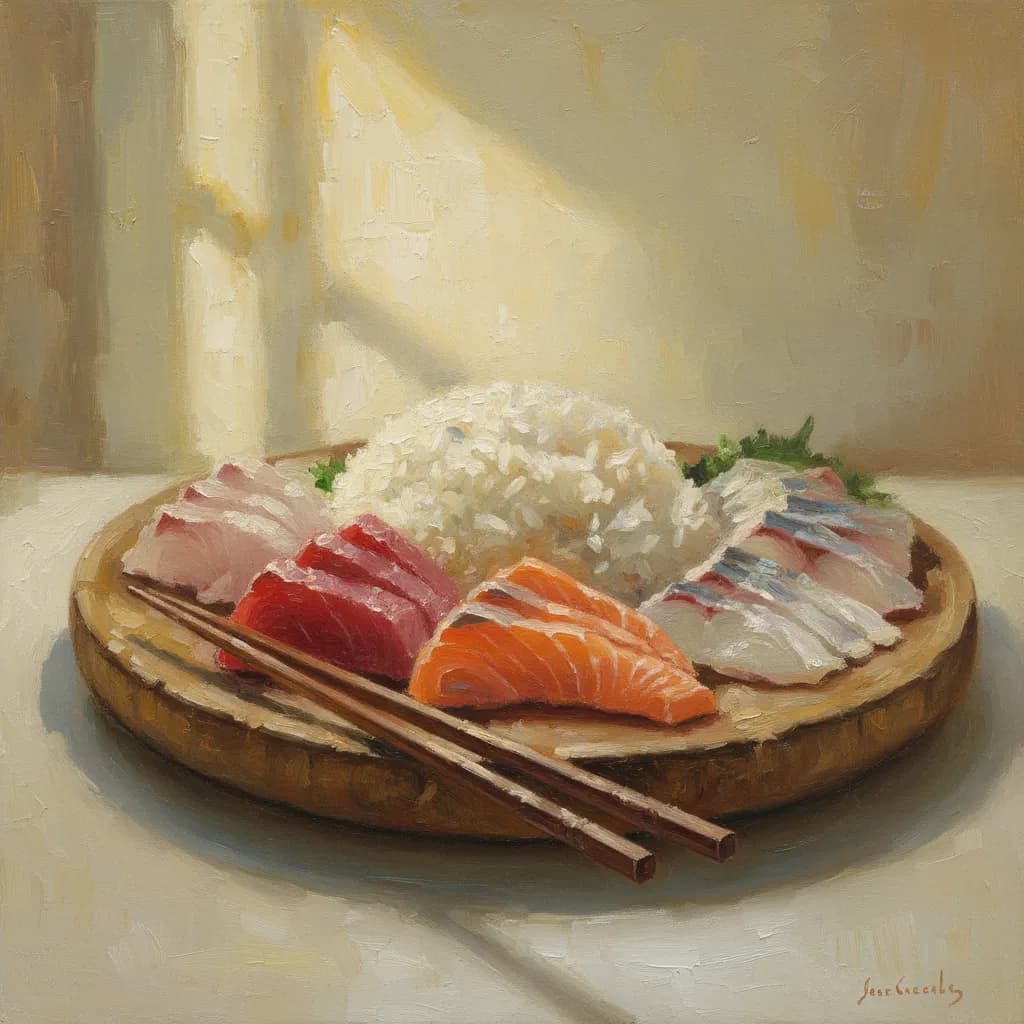
Caviar has a reputation as one of the world's most expensive foods — and for Muslims navigating halal dining, it also raises a genuine question. The fish eggs themselves are from the sea. But which fish? And does the madhab you follow change everything?
The honest answer is: this ruling is madhab-dependent. Your school of jurisprudence matters here more than in some other food questions. But the reasoning is clear, and understanding it means you can make a confident, informed decision.
The Quick Answer
For Maliki, Shafi'i, and Hanbali followers: Caviar is generally halal, because all sea creatures are permissible for these schools.
For Hanafi followers: It depends on the source fish. Salmon roe (halal fish) is permissible. Sturgeon caviar (beluga, osetra, sevruga) is disputed to haram, because Hanafi scholars restrict sea creatures to scaled fish, and sturgeon lacks conventional scales.
If you are unsure which school you follow or which applies to you, the principle of ihtiyat (caution) suggests choosing caviar from known scaled fish, like salmon roe, until you can establish clarity with a scholar in your community.
What Islam Says About Seafood
The primary Quranic verse on seafood is clear and sweeping:
أُحِلَّ لَكُمْ صَيْدُ الْبَحْرِ وَطَعَامُهُ مَتَاعًا لَّكُمْ وَلِلسَّيَّارَةِ
Uhilla lakum saydul-bahri wa ta'amuhu mata'an lakum wa lissayyarah
"Lawful to you is game from the sea and its food as provision for you and the travellers."
— (Quran, Surah Al-Ma'idah, 5:96)
The Prophet ﷺ reinforced this with one of the most famous rulings on seafood: "Its water is pure and its dead [creatures] are halal." (Abu Dawud 83, Sahih)
The generality of these texts is why three of the four major madhabs consider all sea creatures permissible — including every type of fish, shellfish, and their eggs.
Why the Hanafi School Restricts Seafood
The Hanafi madhab arrived at a more restricted reading through a combination of hadith analysis and linguistic interpretation. Their scholars cited a hadith referencing the impermissibility of certain sea creatures that "do not have the characteristic of fish." Additionally, the Hanafi methodology placed greater weight on certain companion opinions that restricted sea creatures to fish specifically.
Within fish, Hanafi scholars further restricted to those with scales — citing a narration that the Prophet ﷺ mentioned "fish with scales" in a positive context.
Under this framework:
- Salmon (scaled) → halal
- Carp (scaled) → halal
- Sturgeon (no conventional scales) → haram or very much disputed
- Therefore: salmon roe → halal; sturgeon caviar → haram/disputed
This is the same logic that applies to is shrimp haram in Hanafi fiqh — the differing conclusions between schools trace back to the same fundamental disagreement about the scope of "lawful sea creatures."
Practical Guide — What Type of Caviar Are You Eating?
Not all caviar is the same. Here is a breakdown by source:
Sturgeon caviar (beluga, osetra, sevruga) — The most prestigious and expensive type. Comes from sturgeon, a cartilaginous fish without conventional scales. Hanafi Muslims should avoid this; other madhabs typically permit it.
Salmon caviar (ikura) — Red-orange eggs from Pacific or Atlantic salmon. Salmon has scales and is halal across all madhabs. This is the safest choice for all Muslim consumers.
Lumpfish caviar — Small black eggs from lumpfish, a scaled fish. Generally permissible across schools, though confirmation of processing methods is wise.
Trout roe — From rainbow or other trout, which are scaled fish. Generally halal across schools.
Tobiko / flying fish roe — From flying fish. A scaled fish. Generally permissible.
Imitation caviar — Often made from seaweed, tapioca, or other non-fish sources. Halal status depends on all ingredients; check for gelatin or alcohol-based additives.
The Alcohol and Processing Question
High-end caviar is sometimes processed with or stored in spirits, particularly vodka, as a preservation technique. If alcohol is present as a processing aid or ingredient, this introduces a separate concern — most scholars agree that food containing intoxicants as an ingredient (not just trace flavouring from cooking) is impermissible.
When in doubt, ask the producer or restaurant whether alcohol was used in processing. Reputable halal-certified caviar brands exist and handle this question explicitly.
The halal certification question for caviar is the same principle that applies to dishes like is sushi haram — the fish may be fine, but the preparation and accompaniments need verification.
Why This Matters Beyond the Plate
For most Muslims, caviar is not a daily food. But engaging with questions like this matters because it builds your understanding of how Islamic scholarship works — how the same Quranic text can produce different but legitimate rulings through different methodologies.
The nafs sometimes wants to dismiss these distinctions as legalistic hairsplitting. But paying attention to what you eat — even in edge cases — is an expression of taqwa (consciousness of Allah). It says: I care about what I consume. I do not eat mindlessly.
And unlike bigger battles with the nafs, the food question is usually simple to resolve. Choose the halal option with confidence, eat with bismillah, and move on. The effort of consciously seeking the permissible is itself rewarded.
Build Consistency in Halal Habits — Not Just What You Eat
DeenBack helps you build daily Islamic consistency — tracking your prayers, dhikr, and habits so your consciousness of halal and haram becomes second nature, not an afterthought.


Free download. Premium features available in-app.
Common Questions
Can I eat caviar at a non-halal restaurant?
If the caviar itself is from a permissible fish species and has not been processed with alcohol or other haram ingredients, the fish eggs themselves would not be rendered haram by the restaurant's general non-halal status. However, cross-contamination with non-halal items (shared utensils, preparation surfaces) is a concern for careful practitioners. See halal vs haram for a broader framework.
Is imitation caviar halal?
Imitation caviar (often made from seaweed gel or tapioca) can be halal if the ingredients are pure. Check for gelatin (animal-derived, needs to be halal-certified), artificial dyes, and any alcohol-based flavourings.
I follow Hanafi madhab — can I eat caviar at all?
Yes, with the right type. Salmon roe and other roe from clearly scaled fish are halal for Hanafi followers. If you are unsure what type of caviar is being served, ask.
Is there a specific dua for eating seafood?
There is no specific dua for seafood beyond the standard bismillah before eating and alhamdulillah after. The dua before eating covers all permissible foods.
Does the expensiveness of caviar matter Islamically?
No. The price of food has no bearing on its halal status. Excess and wastefulness are discouraged, but eating a small amount of expensive permissible food is not a sin.
Eat With Knowledge, Not Anxiety
Food questions in Islamic law are not designed to make eating a source of constant anxiety. They are designed to make you conscious of what sustains you — that your body deserves to be nourished with what Allah has permitted.
The caviar ruling is simpler than it appears: if you are not Hanafi, most caviar is permissible. If you are Hanafi, stick to roe from clearly scaled fish like salmon. In both cases, verify that no alcohol was used in processing.
That is it. Three steps, clear answer. Eat with bismillah, enjoy the food, and remember that the permissible things Allah has given us are worth appreciating.
Build Taqwa in Daily Life — One Habit at a Time
DeenBack helps you grow in consciousness of Allah through daily habits — from what you eat to how you pray, tracking your journey toward a more intentional Islamic life.
Free download. Premium features available in-app.
Frequently Asked Questions
Is caviar halal in Islam?
For Maliki, Shafi'i, and Hanbali scholars, caviar is halal because all sea creatures are permissible. In the Hanafi school, the ruling depends on the source fish — caviar from scaled fish (like salmon) is generally permitted, while sturgeon caviar is disputed since sturgeon is considered haram by many Hanafi scholars.
Is sturgeon caviar halal or haram?
Sturgeon caviar is the most common type (beluga, osetra, sevruga). In the Hanafi school, sturgeon is considered haram because it has no conventional scales. Maliki, Shafi'i, and Hanbali scholars generally permit all sea creatures, so sturgeon caviar would be permissible for followers of those schools.
Is salmon caviar halal?
Salmon is a scaled fish considered halal across all four major madhabs. Salmon roe (eggs) would therefore be halal under all major scholarly positions.
Does alcohol in caviar preparation make it haram?
Some premium caviar is stored or processed with spirits (vodka). If alcohol is present as an ingredient or used in such quantity that traces remain, scholars who prohibit intoxicants in food would consider this a concern. Look for caviar processed without alcohol for full certainty.
What is the general Islamic rule for seafood's halal status?
The Quran declares: 'Lawful to you is game from the sea and its food as provision for you and the travellers' (5:96). Most scholars apply this to all sea creatures. The Hanafi school adds a restriction: among sea creatures, only fish are halal, and among fish, only those with scales.