
- Published on
Dua for Stopping Bad Habits: The Supplication for Changing Your Ways
- Authors

- Name
- Ahmad
- Role
- Senior Marketing Manager, Islamic education • Deen Back
بِسْمِ اللهِ الرَّحْمٰنِ الرَّحِيْمِ
In the name of God, the Most Gracious, the Most Merciful.
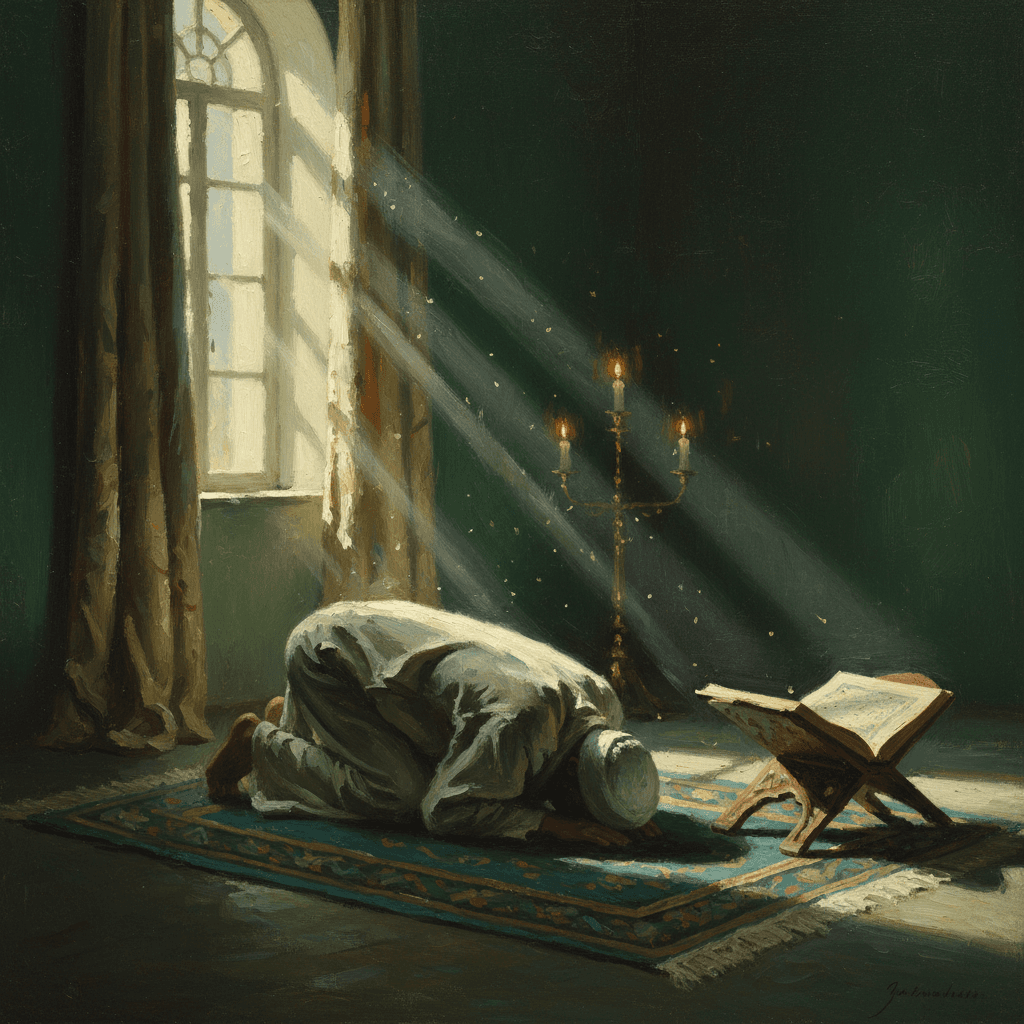
You know which habit it is. You've known for a while. Maybe you even told yourself you'd stop — last month, last Ramadan, at the start of the new year. The intention was real. So why is the habit still there?
Because stopping a bad habit is not primarily a willpower problem. It is a character and desire problem. And Islam has a dua that goes straight to that root.
The Dua Against Evil Character and Desires
The Prophet ﷺ regularly sought refuge from the very source of bad habits — evil character, evil deeds, and evil desires. This supplication goes deeper than asking for help with a specific behavior. It asks Allah to purify the internal soil from which bad habits grow:
اللَّهُمَّ إِنِّي أَعُوذُ بِكَ مِنْ مُنْكَرَاتِ الْأَخْلَاقِ وَالْأَعْمَالِ وَالْأَهْوَاءِ
Allahumma inni a'udhu bika min munkaratil-akhlaq wal-a'mal wal-ahwa'
"O Allah, I seek Your refuge from evil character, evil deeds, and evil desires."
— (Tirmidhi 3591)
Notice what is being sought refuge from: not just actions (a'mal), but character (akhlaq) and desires (ahwa'). This is the complete picture of a bad habit — the behavior, the personality patterns that support it, and the desires that pull toward it.
The Story Behind It
The word ahwa' — evil desires — appears repeatedly in the Quran as one of the most dangerous spiritual forces. Allah warns in Surah Sad (38:26):
"Do not follow your desires, for they will lead you astray from the path of Allah."
The Prophet ﷺ built this dua as protection against that drift. He knew that bad habits do not come from nowhere — they emerge from unchecked desires meeting weak character. By seeking refuge from both, you are asking Allah to fortify the inner world that produces your outer actions.
The scholars explain that akhlaq refers to character — the stable dispositions that shape how we respond to life. This is why bad habits are so sticky: they are often expressions of character traits (impatience, desire for immediate pleasure, social anxiety) rather than isolated behaviors. When you ask Allah to protect your akhlaq, you are asking for a character upgrade, not just a behavior fix.
How to Make This Dua Work for You Daily
Say it every morning without exception. Make this part of your post-Fajr routine. The Prophet ﷺ was consistent in his morning supplications — not occasionally, but daily. Consistency is the point. A habit is stopped by building a competing habit, and your morning dua is the most important competing habit you can build.
Name the specific habit in your heart. The dua is general by design — it covers all evil character and desires. But when you say it, bring to mind the specific habit you are working to break. This personalizes the supplication and sharpens your intention.
Identify your trigger chain. Every bad habit has a trigger → routine → reward loop. The dua helps you interrupt the loop, but you need to know where to interrupt it. Write down what situation, emotion, or time of day precedes the habit. That is your vulnerability window.
Design a replacement, not just a removal. The Prophet ﷺ never simply told people to stop without offering an alternative. If your bad habit fills a need (stress relief, social connection, stimulation), the replacement has to meet that same need. Dhikr replaces anxious scrolling. A walk replaces a cigarette break. Community replaces isolation.
Use the dua when tempted in the moment. When you feel the habit pulling at you, that is not the time for a long supplication. The short dua for temptation is designed for exactly that flash point. Keep it memorized and ready.
Build Your Replacement Habit
DeenBack makes it easy to track your dhikr, dua, and daily commitments — so stopping a bad habit means starting a good one.


Free download. Premium features available in-app.
Related Duas for Breaking Free
The dua against evil character is most powerful when combined with others that address specific angles of the same battle.
The dua to avoid sin provides a supplication that wraps protective awareness around you before a test arrives. Read it alongside this one.
The dua for laziness addresses the state that often keeps bad habits in place — not active desire but passive inertia, the failure to take the first step toward change.
And for the spiritual root of the issue, the dua for repentance provides the reset point when a habit wins a round and you need to come back.
Common Questions
What if my bad habit doesn't feel like a big sin — just something unhealthy or wasteful?
The dua covers it. The word munkaratil-akhlaq includes everything that corrupts character, not only major sins. Wasting time, speaking harshly, eating carelessly — these shape your soul even when they don't cross into haram. Ask Allah to protect you from all of it.
How long does it take for a habit to break?
Research varies — some say 21 days, others 90, others longer for entrenched patterns. In Islamic tradition, the more relevant question is consistency, not duration. The Prophet ﷺ loved consistent small deeds. Ten days of daily dua plus one behavioral change is worth more than a 90-day resolution that collapses on day three.
Can I say this dua for a habit I've had for years?
Yes. Duration increases difficulty but does not reduce possibility. Many of the Companions changed deeply ingrained pre-Islamic habits after embracing Islam — not overnight, but through sustained spiritual effort. Your years of struggle do not disqualify you from Allah's help; in some ways, they deepen your sincerity when you ask.
What if someone else's bad habits are affecting me?
You can make this dua for others as well as yourself. Ask Allah to purify their character and desires. And separately, explore the wisdom on how to break bad habits as a Muslim — there are community and relational dimensions to habit change that matter.
Closing
The bad habit you want to stop is not just a behavior. It is a pattern that has taken root in your character and desire. The Prophet ﷺ understood this — which is why he sought refuge not from specific actions, but from the entire internal ecosystem that produces them.
Say this dua every morning. Name your habit before Allah. Make the practical changes. And trust that when you repeatedly ask Allah to purify your akhlaq and ahwa', something in you begins to shift.
Start Fresh Tomorrow Morning
Use DeenBack to anchor this dua in your morning routine and track your daily habit goals. Small and consistent beats big and occasional.
Free download. Premium features available in-app.
Frequently Asked Questions
Is there a specific dua in the Quran or Sunnah for breaking bad habits?
Yes. The Prophet sought refuge from evil character, evil deeds, and evil desires every morning. This dua covers any bad habit at its root — not just the behavior, but the character and desires behind it. It is from the Tirmidhi collection and is considered a foundational morning supplication.
How do I say this dua when I feel like I keep failing?
Say it especially then. The feeling of failure is precisely when the nafs is most exposed and most in need of Allah's help. The dua is not a reward for good behavior — it is medicine for the person still in the struggle.
Should I say this dua before or after Fajr?
Both work, but the scholars recommend reciting it as part of your morning adhkar — after Fajr salah, before your day begins. Starting the day by seeking refuge from bad character sets the spiritual tone for every decision that follows.
What practical steps should I take alongside this dua?
Identify the specific trigger for your bad habit, then design an alternative response. Replace, don't just remove. The Prophet did not simply tell people to stop — he offered alternatives and created new patterns. Dua is the fuel; you still have to steer.