
- Published on
Are Labubus Haram? What Muslims Should Know About Collectible Toys
- Authors

- Name
- Ahmad
- Role
- Senior Marketing Manager, Islamic education • Deen Back
بِسْمِ اللهِ الرَّحْمٰنِ الرَّحِيْمِ
In the name of God, the Most Gracious, the Most Merciful.
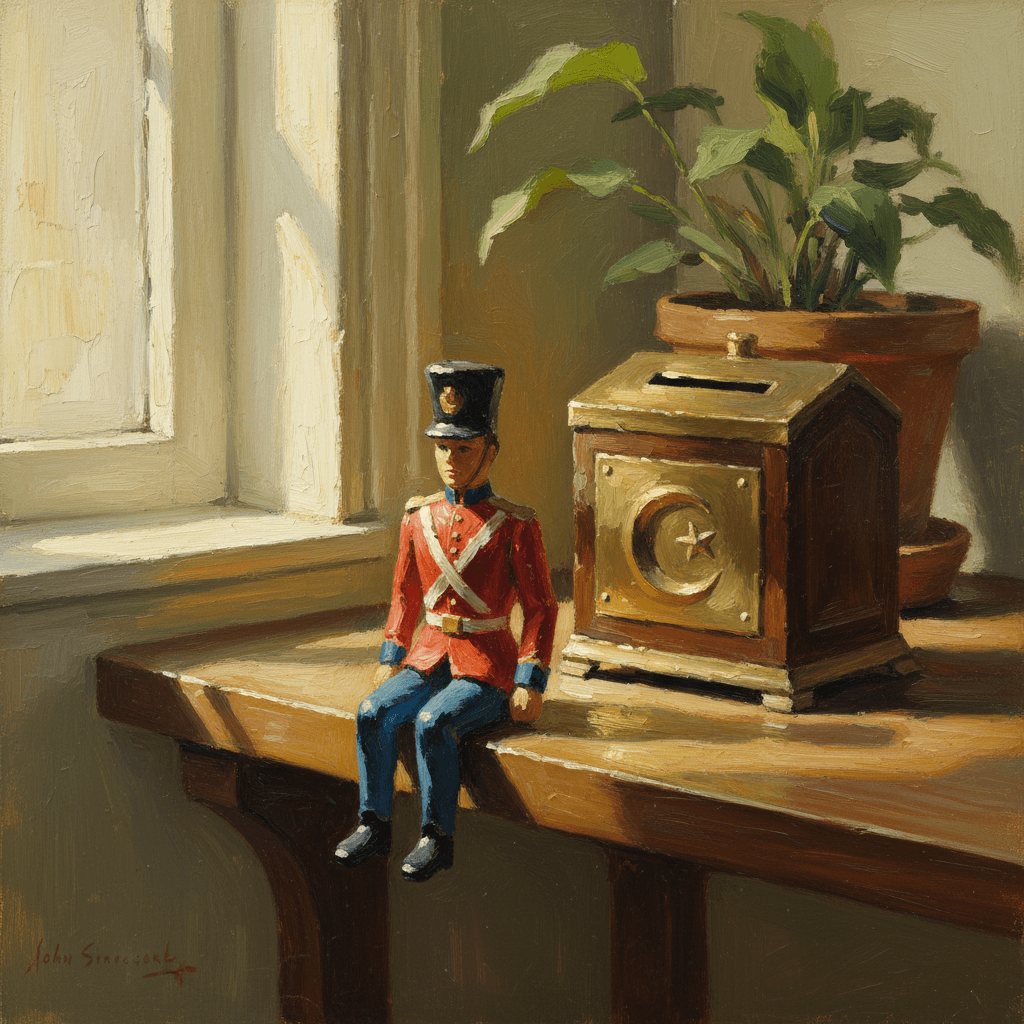
You have probably seen them everywhere — on TikTok, in shopping malls, dangling from bags. Labubu dolls, the quirky Pop Mart collectible figurines, have become a global phenomenon. Celebrities carry them. Resellers flip them for triple the price. And now someone in your life — maybe you — is wondering: are Labubus haram?
It is a fair question. Islam has clear principles about images, statues, spending, and attachment to worldly things. When a toy becomes a cultural obsession that costs real money and real attention, it deserves a real answer.
This article will walk you through what Islam actually says, why it is more nuanced than a simple yes or no, and — most importantly — what to do about it practically.
The Quick Answer
There is no specific fatwa that says "Labubu dolls are haram." But several Islamic principles are directly relevant: the prohibition on certain types of figurines and images, the command to avoid isrāf (wasteful spending), and the warning against letting anything in this dunyā occupy the space in your heart that belongs to Allah.
Whether Labubus are haram for you depends less on the object itself and more on your relationship with it. A single figurine sitting on a shelf is a very different situation from spending your rent money chasing a limited-edition drop at 3 AM.
What the Quran and Sunnah Say
The Quran does not mention collectible toys. But it gives us principles that cover this situation clearly.
On Images and Statues
The Prophet ﷺ said:
"The angels do not enter a house in which there are images." — (Bukhari 3224)
This hadith is the foundation for classical scholars' concern about three-dimensional figures with complete features. The majority of scholars — Hanafi, Maliki, Shafi'i, and Hanbali — agreed that keeping statues or figurines with full facial features is at minimum makrūh (disliked) and potentially harām.
However, there is an important exception. Aisha رضي الله عنها reported that she used to play with dolls in the presence of the Prophet ﷺ, and he did not prohibit her:
"I used to play with dolls in the presence of the Prophet ﷺ, and my friends would come and play with me." — (Bukhari 6130)
Many contemporary scholars use this hadith to argue that toys and dolls — even with features — are permissible, especially when they are not objects of veneration. The concern historically was about statues that could lead to idol worship, not about toys.
On Wasteful Spending
وَلَا تُبَذِّرْ تَبْذِيرًا · إِنَّ الْمُبَذِّرِينَ كَانُوا إِخْوَانَ الشَّيَاطِينِ
"And do not spend wastefully. Indeed, the wasteful are brothers of the devils." — (Surah Al-Isra, 17:26-27)
This is where the Labubu conversation gets serious. A single figurine might cost $15. But the culture around these toys is designed to make you spend far more — mystery boxes, limited editions, reseller markups, complete sets. The average collector does not stop at one.
On Attachment to the Worldly
زُيِّنَ لِلنَّاسِ حُبُّ الشَّهَوَاتِ
"Beautified for people is the love of that which they desire." — (Surah Aal-Imran, 3:14)
Allah describes how worldly desires are made attractive to us. The verse is not condemning all desire — it is warning us about the pull. Labubu culture, with its scarcity marketing and social media hype, is engineered to activate exactly this pull.
Why This Is Actually Hard
If someone tells you "just stop buying them, it is obviously haram," they are oversimplifying.
Here is why this question is genuinely difficult:
The figurine issue is not settled. Contemporary scholars like Sheikh Yusuf al-Qaradawi and others have argued that the hadith prohibitions on images were directed at statues that could become objects of worship — not at children's toys or decorative items with no religious significance. This is a legitimate scholarly position, even if others disagree. The debate is similar to discussions around other cultural practices that intersect with Islamic rulings.
Spending is relative. Buying a 200 on resale when you are behind on bills. Islam does not forbid spending on permissible enjoyment — it forbids isrāf, which is spending beyond what is reasonable for your situation.
The real danger is invisible. The most problematic aspect of Labubu culture is not the plastic figurine. It is the mental space it occupies — the constant checking for new drops, the comparison with other collectors, the dopamine loop of unboxing videos. This is the same mechanism behind many modern habits that quietly erode your connection with Allah, much like the concerns raised about music and other forms of entertainment.
What to Do About It — Practical Steps
Rather than debating the fiqh endlessly, focus on what you can control. Here is a practical framework:
1. Audit Your Spending Honestly
Open your bank statements. How much have you spent on collectibles in the last three months? Compare that to how much you have given in sadaqah. If the collectibles number is higher, that is a signal. Not necessarily that you are sinning — but that your priorities need rebalancing.
The Prophet ﷺ said:
"The son of Adam will not be dismissed from before his Lord on the Day of Resurrection until he is questioned about five things: his life and how he spent it, his youth and how he used it, his wealth and how he earned it and how he disposed of it, and how he acted upon what he acquired of knowledge." — (Tirmidhi 2416)
Your money will be asked about. Let that sit with you.
2. Set a Hard Budget — And a Sadaqah Match
If you decide to keep collecting, set a firm monthly limit. And for every dollar you spend on a Labubu, match it with sadaqah. This is not a fatwa — it is a practical hack to keep your nafs in check. You will quickly discover how much you actually want the toy when the real cost doubles.
3. Unfollow the Hype
Unfollow Labubu accounts, unboxing creators, and resale groups. The desire to collect is significantly amplified by social media algorithms that show you what you do not have. You cannot fight your nafs while feeding it content designed to make you want more.
This is similar to the advice given for any habit that pulls you away from Allah — remove the triggers before trying to change the behavior.
4. Replace the Ritual
Collecting gives you something: anticipation, excitement, community. You need to replace those feelings with something better, not just create a void. Start a daily dhikr habit. Begin memorizing a new surah. Join a halaqah. The goal is not to make your life boring — it is to redirect your energy toward things that fill your heart permanently, not for the five minutes after an unboxing.
Build habits that actually last
DeenBack helps you track daily dhikr, Quran reading, and good deeds — replacing dopamine loops with real spiritual growth. Start your streak today.


Free download. Premium features available in-app.
5. Check Your Attachment
Ask yourself honestly: if someone took all your Labubus away tomorrow, how would you feel? If the answer is genuine distress — not mild disappointment, but real emotional pain — that is a sign of ta'alluq (attachment) that needs attention. The heart was created to attach to Allah. When it attaches deeply to anything else, it suffers.
This is the same principle that applies to body modifications and other forms of self-expression — the question is not just "is it allowed?" but "what is it doing to my heart?"
Dua for Strength
When you feel the pull to spend impulsively or chase the next drop, pause and say:
اللَّهُمَّ إِنِّي أَعُوذُ بِكَ مِنَ الْهَمِّ وَالْحَزَنِ وَأَعُوذُ بِكَ مِنَ الْعَجْزِ وَالْكَسَلِ وَأَعُوذُ بِكَ مِنَ الْبُخْلِ وَالْجُبْنِ وَأَعُوذُ بِكَ مِنْ غَلَبَةِ الدَّيْنِ وَقَهْرِ الرِّجَالِ
"O Allah, I seek refuge in You from worry and grief, from inability and laziness, from miserliness and cowardice, and from being overwhelmed by debt and overpowered by men." — (Bukhari 6369)
This dua covers the anxiety that drives compulsive spending. Make it part of your morning routine.
Common Questions
Can I keep Labubus I already own?
Yes. Even scholars who are strict about figurines generally distinguish between acquiring new ones and disposing of what you already have. If you decide the figurines are problematic, you can sell them or give them away. But you are not required to destroy them — especially if they hold no religious significance and are simply toys.
Are Labubus worse than other toys or collectibles?
Not inherently. The concerns about Labubus are the same concerns that apply to any collectible culture — sneakers, trading cards, designer items. The question "are Labubus haram" is really a question about consumerism and attachment. Labubus just happen to be the current trend. The principles in this article apply to whatever replaces them next year.
What if my kids want Labubus?
Children's toys are broadly permissible in Islam, based on the hadith of Aisha رضي الله عنها mentioned earlier. The concern with children is not the toy itself but the habits you are building — teaching them to want everything they see, to define themselves by what they own, and to chase trends. Buy them one if it makes sense. Use it as a teaching moment about gratitude and contentment (qanā'ah). Do not let it become a pattern of "I saw it, I want it, I got it."
Is it okay to buy Labubus as gifts?
Giving gifts is a sunnah. The Prophet ﷺ said: "Give gifts to one another, for gifts take away grudges" (Bukhari, Al-Adab Al-Mufrad 594). If the recipient will enjoy a Labubu and it is within your means, there is no inherent issue. The concern is when gift-giving becomes another excuse for excessive spending.
Where to Go From Here
The question "are Labubus haram" does not have a simple fatwa-style answer. The figurine itself is a piece of plastic. What makes it spiritually significant — for better or worse — is what it does to your money, your time, your attention, and your heart.
Islam is not asking you to live without joy or beauty. It is asking you to be intentional. To spend with purpose. To enjoy the dunyā without letting it own you. To keep your heart attached to the One who created you, not to the things He created.
If reading this article made you uncomfortable, that discomfort might be worth sitting with. Not because you are a bad Muslim — but because your nafs recognized something it did not want to hear. That recognition is the first step toward real growth.
Start today. Not tomorrow, not after the next drop. Today.
Take the first step today
DeenBack gives you daily reminders, habit tracking, and spiritual goals to help you redirect your energy toward what truly matters. Your journey starts now.
Free download. Premium features available in-app.
Frequently Asked Questions
Are Labubus haram in Islam?
There is no single fatwa specifically about Labubu dolls. However, several Islamic principles apply: the prohibition on statues and figurines with full features, the prohibition on wasteful spending (israf), and the warning against obsessive attachment to worldly things. Whether they are haram depends on how you engage with them — casual ownership is different from obsessive collecting that drains your money and attention.
Is it haram to collect toys as an adult?
Collecting items is not inherently haram. The concern arises when collecting becomes obsessive, leads to wasteful spending, or creates an emotional attachment that competes with your remembrance of Allah. If your collection is modest, does not consume excessive money, and does not distract you from your obligations, most scholars would not consider it prohibited.
Are figurines haram in Islam?
Classical scholars generally prohibited keeping three-dimensional figures with complete features (eyes, nose, mouth) based on hadiths about image-making. However, many contemporary scholars distinguish between objects of worship and simple toys or decorations. Dolls for children are widely considered permissible based on the hadith of Aisha (RA) playing with dolls.
Is spending money on Labubu dolls considered israf?
It depends on your financial situation and spending pattern. Buying one or two collectibles within your means is different from spending hundreds or thousands chasing limited editions while neglecting sadaqah or basic financial obligations. Islam asks for balance — enjoy permissible things, but do not let spending become compulsive.
What should I do if I feel addicted to collecting Labubus?
Recognize the pattern honestly. Unfollow accounts that trigger impulse buying. Set a hard budget and stick to it. Redirect some of that spending toward sadaqah. Replace the dopamine hit of unboxing with acts of worship that bring lasting peace — dhikr, Quran, or helping someone in need. The DeenBack app can help you build these alternative habits daily.