
- Published on
Al-Kareem Meaning: The Generous, the Noble — Living Under This Name
- Authors

- Name
- Ahmad
- Role
- Senior Marketing Manager, Islamic education • Deen Back
بِسْمِ اللهِ الرَّحْمٰنِ الرَّحِيْمِ
In the name of God, the Most Gracious, the Most Merciful.
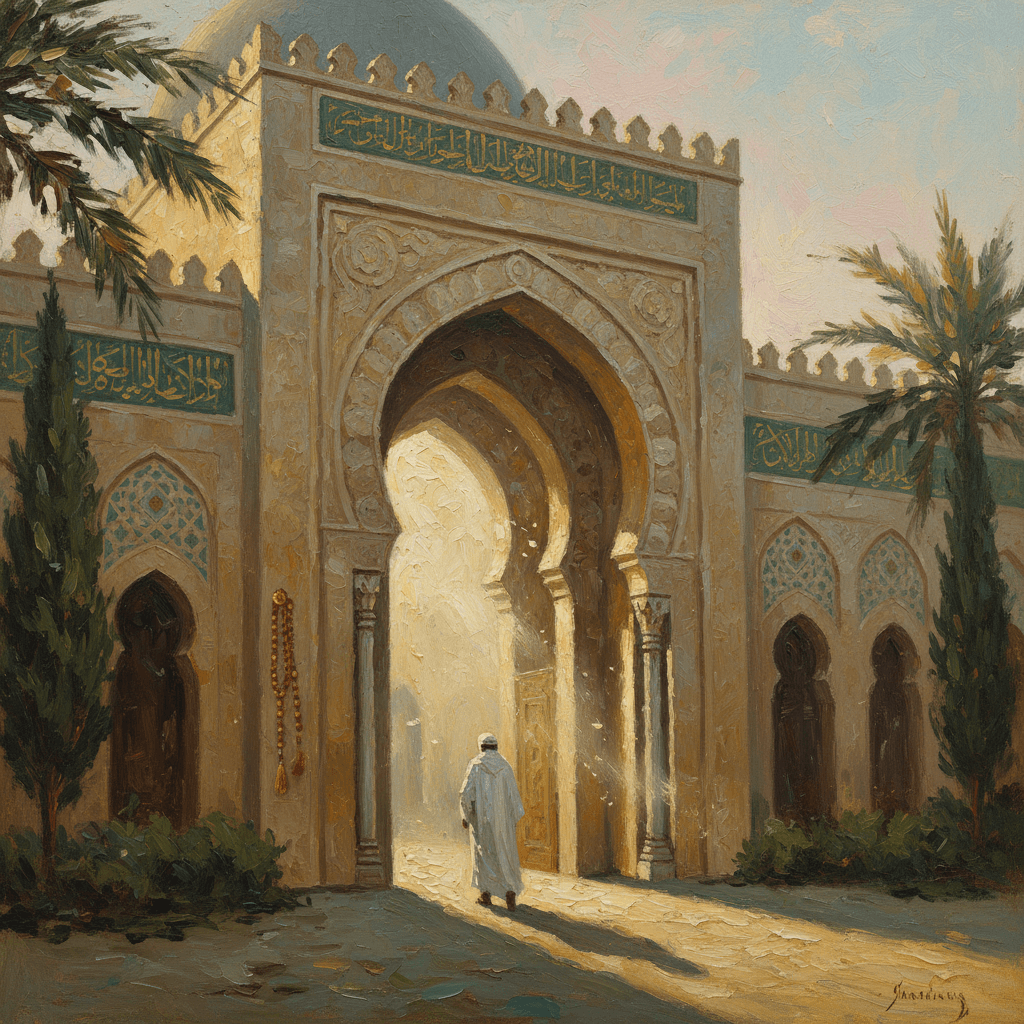
Have you ever received something from someone that made you feel genuinely valued — not just given something, but honoured in the giving? That is a faint echo of what Al-Kareem means when applied to Allah.
The Name Al-Kareem (الكَرِيم) does not translate simply as "generous." It carries a richness that English cannot fully capture: nobility of character, abundance of giving, dignity in the relationship between giver and receiver, and a generosity that is constitutive — not something Allah does occasionally but something He is, permanently and infinitely.
What Al-Kareem Actually Means
The Arabic root k-r-m (كَرَمَ) carries several interconnected meanings:
- Generosity that overflows without effort or counting
- Nobility in the sense of high moral character and dignity
- Honour — both in the giver and bestowed on the receiver
- Value — karim describes something precious, rare, highly regarded
When applied to Allah, Al-Kareem means all of this simultaneously and infinitely. His giving has no source it can exhaust, no recipient it deems unworthy, and no motive beyond His own generosity and love.
The Prophet ﷺ described this strikingly: "Indeed Allah is Hayiy Kareem (Shy and Generous). He is too generous to turn away the hands of His servant when he raises them to Him." (Abu Dawud 1488)
Where This Name Appears in the Quran
Allah directly calls Himself Al-Kareem in several verses:
وَمَن يَشْكُرْ فَإِنَّمَا يَشْكُرُ لِنَفْسِهِ ۖ وَمَن كَفَرَ فَإِنَّ رَبِّي غَنِيٌّ كَرِيمٌ
"And whoever is grateful — his gratitude is for himself. And whoever is ungrateful — then indeed, my Lord is Free of need and Generous (Kareem)."
Notice: even when someone is ungrateful, Al-Kareem's generosity does not stop. His giving is not transactional — He does not withdraw provision because the recipient failed to say thank you. That is not generosity; that is commerce. Al-Kareem gives unconditionally.
And in a verse that should stop you mid-scroll:
يَا أَيُّهَا الْإِنسَانُ مَا غَرَّكَ بِرَبِّكَ الْكَرِيمِ
Ya ayyuhal-insan, ma gharraka bi-Rabbikal-Karim
"O mankind — what has deceived you concerning your Lord, Al-Kareem?"
Ibn Qayyim al-Jawziyyah commented beautifully on this verse: the answer to Allah's question is — His very generosity. We became comfortable, then complacent, then heedless — precisely because Al-Kareem kept giving even when we stopped noticing. His generosity became the trap.
Why Modern Muslims Struggle to Connect With This Name
We live in a scarcity mindset. Even those of us who are materially comfortable often approach Allah from anxiety — worried that there won't be enough, that He'll run out of patience, that our sins have pushed us too far.
None of that is compatible with Al-Kareem.
Your nafs generates this anxiety because the nafs does not know Al-Kareem. The nafs knows human giving, which is conditional and limited. You give and expect. You give and get tired. You give and count.
Allah is Al-Kareem. He gives and gives and gives, and His giving doesn't diminish what He has. He gives to the person who thanked Him and to the person who didn't. He gives to the believer and He gives to those who reject Him — rain falls on all fields.
The barrier is not in Allah's generosity. The barrier is our inability to see it.
How to Live Under the Name Al-Kareem
Recognise His giving in the ordinary
The practice of shukr (gratitude) is inseparable from understanding Al-Kareem. Try this: at the start of each day, name three things that came to you without you deserving them. Not things you earned — things that were simply given. Waking up is one. The air is another. The ability to read these words is a third.
This is Al-Kareem, always giving. When you see it, the relationship with Allah changes from anxious obligation to warm trust.
Ask boldly, knowing Al-Kareem will not mock you
The Prophet ﷺ said: "Indeed Allah, the Glorified and Exalted, is Hayiy Kareem" — shy and generous. He is too Kareem to turn away the hands raised to Him. This means: your dua is never embarrassing to Him, never too small or too large, never rejected because you asked with too much hope.
Ask for the big things. Ask for what feels impossible. Al-Kareem is not diminished by the size of your request — He is honoured by the trust it represents.
Give generously as a reflection of His Name
Allah loves that His attributes are reflected in His servants. Kareem people are generous people. Start with something small and give it without expectation of return — time, money, a kind word, a withheld criticism. Each act of giving is both a worship and a training for the nafs, which is naturally stingy.
Build Gratitude as a Daily Practice
DeenBack helps you track daily habits of shukr and dhikr — so that recognising Al-Kareem's giving becomes the foundation of every morning.


Free download. Premium features available in-app.
The Dua That Calls on Al-Kareem
This is the famous dua taught by the Prophet ﷺ for Laylatul Qadr — and it directly invokes Al-Kareem:
اللَّهُمَّ إِنَّكَ عَفُوٌّ كَرِيمٌ تُحِبُّ الْعَفْوَ فَاعْفُ عَنِّي
Allahumma innaka Afuwwun Kareem, tuhibbul-'afwa, fa'fu 'anni
"O Allah, You are Pardoning and Generous, You love to pardon — so pardon me."
— (Tirmidhi 3513)
Notice the combination: Al-Afuww (the Pardoner) paired with Al-Kareem (the Generous). The dua is saying: Your pardon is not reluctant — it is an expression of Your generosity. You give pardon the way Al-Kareem gives everything: abundantly, without making the recipient feel small.
Say this dua tonight. Say it every night of the last ten days of Ramadan. Say it any time you need to approach Allah about something heavy.
Common Questions
If Allah is Al-Kareem, why do good people suffer?
This is one of the deepest questions in Islamic theology. Al-Kareem's generosity is not identical to worldly ease. The most generous gift is often not material — it is patience, character, closeness to Allah, and the promise of what comes after. The Prophet ﷺ was the most beloved to Allah and faced tremendous difficulty. Difficulty is not evidence of Al-Kareem's absence.
How is Al-Kareem different from Ar-Razzaq?
Both relate to Allah's giving, but with different emphases. Ar-Razzaq (the Provider) emphasises that all provisions — physical, spiritual, material — flow from Him. Al-Kareem emphasises the quality of that giving: noble, dignified, unconditional. Ar-Razzaq tells you the source; Al-Kareem tells you the character of the Giver.
Can I use "Ya Kareem" in dua?
Yes. Calling upon Allah by His Names in dua is encouraged. Allah says: "And to Allah belong the Best Names, so invoke Him by them." (Surah Al-A'raf, 7:180). "Ya Kareem, give me..." is a form of dua rooted directly in the Quran.
What Changes When You Really Know Al-Kareem
The person who internalises Al-Kareem stops approaching Allah as a nervous petitioner who might be turned away. They start approaching as a beloved guest who knows the host's character.
They ask more, not less. They thank more, not out of obligation but out of recognition. And they find themselves becoming — slowly, imperfectly — a little more Kareem themselves: giving without counting, honouring without needing to be honoured back.
See 99 names of allah, names of allah for rizq, and asma ul husna benefits for more on connecting with Allah through His Beautiful Names.
Know Allah By His Names — Daily
DeenBack helps you build a consistent dhikr practice rooted in the Names of Allah — so that Al-Kareem becomes not just a concept but a living reality in your day.
Free download. Premium features available in-app.
Frequently Asked Questions
What does Al-Kareem mean in Arabic?
Al-Kareem (الكريم) means the Generous, the Noble, the Honourable. It encompasses unlimited generosity that never runs dry, nobility that dignifies the giver and recipient, and a kind of giving that asks nothing in return.
Where does Al-Kareem appear in the Quran?
Al-Kareem appears in several places, including Surah An-Naml (27:40) — 'Indeed, my Lord is Free of need and Generous (Kareem)' — and Surah Al-Infitar (82:6) where Allah addresses humanity: 'O mankind, what has deceived you concerning your Lord, Al-Kareem?'
What dua uses the Name Al-Kareem?
A well-known dua for Laylatul Qadr uses this Name: 'Allahumma innaka Afuwwun Kareem, tuhibbu al-'afwa, fa'fu 'anni' — O Allah, You are Pardoning and Generous, You love to pardon, so pardon me. (Tirmidhi 3513)
How should I reflect on Al-Kareem in daily life?
Reflect that every provision, health, family, and moment you have is an expression of Al-Kareem's giving — unearned and continuous. This recognition builds gratitude, generosity in your own giving, and trust that Allah will not stop His generosity when you need it most.
Which other Names of Allah are related to Al-Kareem?
Al-Wahhab (the Bestower), Ar-Razzaq (the Provider), Al-Jawwad (the Munificent), and Al-Barr (the Beneficent) are all related to Allah's generosity. Together they paint a picture of a Lord who gives abundantly, constantly, and without condition.