
- Published on
Is Keratin Treatment Haram? What Muslims Need to Know
- Authors

- Name
- Ahmad
- Role
- Senior Marketing Manager, Islamic education • Deen Back
بِسْمِ اللهِ الرَّحْمٰنِ الرَّحِيْمِ
In the name of God, the Most Gracious, the Most Merciful.
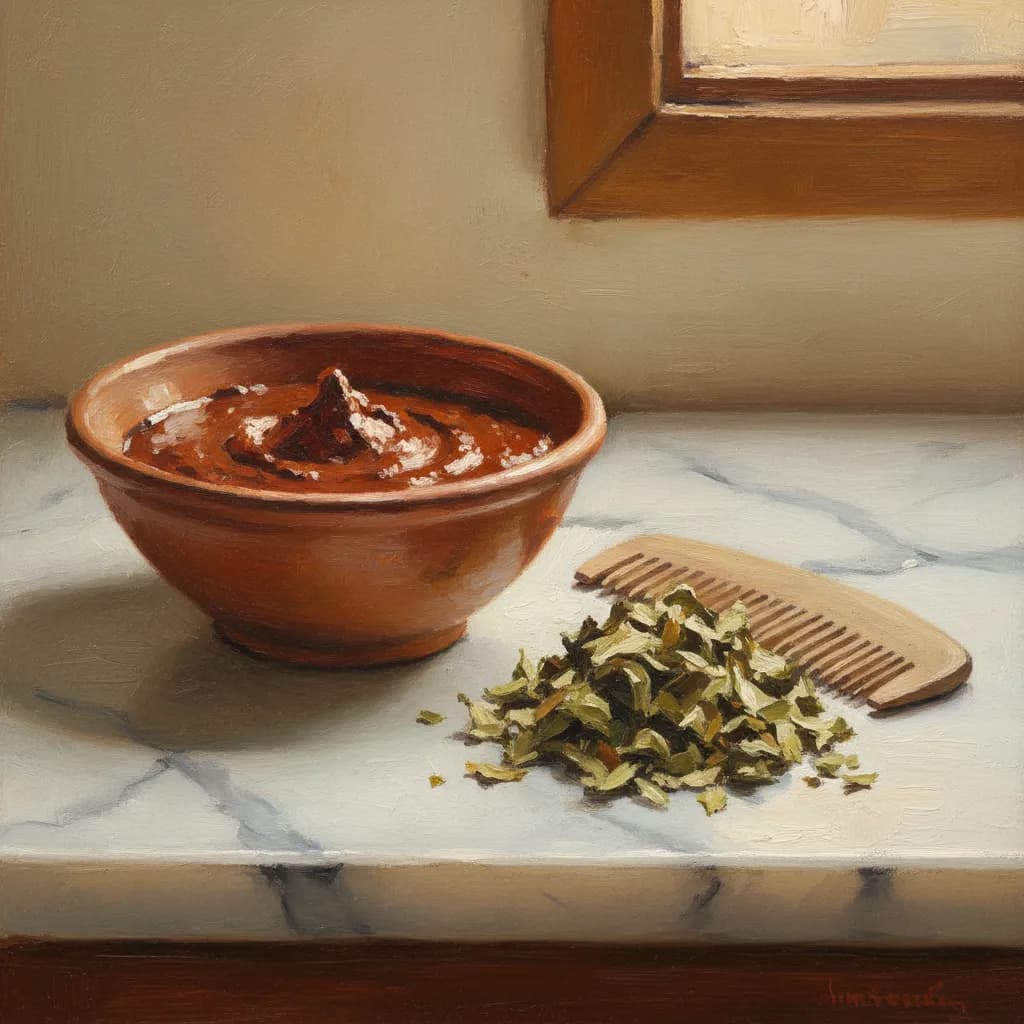
Hair care is one of those areas where Muslim women are constantly navigating between what they want, what scholars say, and what actually works for their hair type.
Keratin treatments have become one of the most sought-after options for smoothing, strengthening, and managing natural hair — particularly for Black and South Asian Muslim women whose hair textures often require significant effort to manage.
So the question of whether keratin treatment is haram is not an abstract one. It is a daily, practical question for a lot of people.
The Quick Answer
Keratin treatments are generally permissible, with two important conditions to check:
- The ingredients should be from permissible sources (free of haram animal derivatives)
- The coating should not form a waterproof barrier that prevents water from reaching the hair during wudu or ghusl
Most modern professional keratin treatments, when used correctly, do not permanently alter hair structure — they are temporary smoothing treatments that wear off over time. This places them in the category of personal grooming and beautification, which Islam permits within certain limits.
The Prophet ﷺ said: "Allah is beautiful and loves beauty." (Sahih Muslim 91)
The Wudu Question — The Real Concern
The main Islamic concern with keratin treatments is not the treatment itself — it is the barrier question.
For wudu and ghusl to be valid, water must reach every obligatory area. For women, this includes the hair roots (for ghusl) and the outer surface of the hair (some scholars require this for wudu as well). If a keratin treatment creates a waterproof coating that causes water to bead off the hair rather than being absorbed, there is a legitimate question about whether water is actually reaching the hair.
This is the same logic used for nail polish during wudu — the issue is not the product itself, but whether it creates an impermeable barrier.
How to check: After your treatment, wet your hair thoroughly in the shower. If water absorbs into the hair, you are fine. If water clearly beads off the surface as if the hair is repelling it, the treatment has created a barrier that may affect wudu validity.
What Scholars Have Said
Most contemporary scholars who have addressed this question conclude that:
- Temporary keratin smoothing treatments that do not block water absorption = permissible
- Treatments with hard, waterproof coatings that prevent water from reaching the hair = problematic for wudu and ghusl validity
- Formaldehyde-free keratin treatments = generally safer on both counts (fewer concerns about coating type and ingredient sourcing)
If you are uncertain about your specific product, asking a local scholar or dermatologist who is Muslim can help you identify whether the formulation is likely to create a barrier.
Does It Involve Altering the Creation of Allah?
Some Muslims raise the concern that any hair straightening or texture alteration might fall under the prohibition of "changing Allah's creation" — a concept mentioned in the context of tattoos and other permanent body modifications.
The key word here is permanent. The Quran (4:119) mentions Shaytan's promise to lead people to "alter the creation of Allah" — and scholars have interpreted this primarily in reference to permanent, irreversible changes made with the intention of defying the fitrah.
Keratin treatments are:
- Temporary (weeks to months)
- Not a fundamental alteration of the hair structure
- Used for grooming, maintenance, and ease — not to rebel against natural creation
This places them closer to haircuts, dyeing (with permissible colors), and other forms of hair grooming than to permanent alterations. Grooming and beautification are encouraged in Islam — the Prophet ﷺ emphasized maintaining one's appearance and praised those who took care of their hair and clothing.
Navigate Islamic Rulings With Clarity
DeenBack helps you stay grounded in your deen day by day — with practical Islamic habits, dhikr tracking, and resources that make living Islamically easier, not harder.


Free download. Premium features available in-app.
Practical Steps to Keep Your Keratin Treatment Within Islamic Limits
Choose formaldehyde-free treatments where possible. These are generally milder on the hair cuticle and less likely to create a hard, water-resistant coating. Brands like Brazilian Blowout (certain versions), Keratin Research, and others offer safer formulations.
Test the water absorption after treatment. Before relying on this treatment as your normal hair routine, verify that water properly wets your hair. This is a practical step that resolves the wudu question for your specific product.
Check ingredient lists for animal-derived substances. Most keratin products use keratin derived from wool (permissible) rather than pork or other haram sources — but it is worth confirming for the specific brand you use.
Be clear with your stylist about what you need. If you explain that your hair must absorb water properly for religious reasons, a skilled stylist can adjust the treatment intensity accordingly.
For related rulings, see is straightening hair haram, is makeup haram, and is cosmetic dentistry haram for the broader framework of Islamic guidelines on beauty treatments.
Common Questions
If I am not sure whether my keratin treatment blocks water, should I avoid it? If you have tested and found water genuinely does not penetrate the hair after treatment, you should avoid using that specific product. But if water absorbs normally, there is no basis for prohibition. Avoiding all keratin treatments out of general caution when there is no actual barrier is not required by the rulings.
Does the treatment affect the validity of my previous prayers? If you discover your treatment was blocking water and your wudu was invalid, scholars generally advise sincere istighfar (seeking forgiveness) and repeating missed prayers when you were unaware. If you were genuinely unaware of the barrier issue, there is concession for ignorance.
Can I use keratin treatment during Ramadan or before special occasions? There is no restriction on when you apply it — the concerns are the same year-round. If the treatment is permissible for you, it is permissible in Ramadan and at any other time.
The Bigger Picture
Islam does not ask women to neglect their hair or make their lives unnecessarily difficult. The religion permits — and even encourages — maintaining a dignified, neat appearance. What it asks is that permissible grooming does not compromise worship or cross into prohibited territory.
For most women using standard professional keratin treatments, with a basic check on water absorption, this is a non-issue. The permissibility is the starting position; only a demonstrated barrier or haram ingredient changes that.
You are allowed to have healthy, well-managed hair AND maintain your wudu. These are not competing goals.
Build Your Deen Habits With Confidence
DeenBack helps you stay consistent in prayer, dhikr, and daily Islamic practice — so that the small questions of halal and haram are answered within a life already grounded in the deen.
Free download. Premium features available in-app.
Frequently Asked Questions
Is keratin treatment haram in Islam?
Keratin treatment is generally considered permissible by most contemporary scholars, provided the products used are free of prohibited ingredients (like formaldehyde-based chemicals derived from haram sources), the treatment does not permanently alter the natural hair texture beyond temporary smoothing, and it does not create a waterproof barrier that prevents water from reaching the hair during wudu or ghusl.
Does keratin treatment affect wudu?
This is the key concern. A keratin treatment that forms a waterproof coating on individual hair strands can invalidate wudu and ghusl if water cannot penetrate through to the actual hair. If the treatment is a temporary smoothing that does not block water absorption, it does not affect wudu. Always test after treatment by wetting your hair thoroughly and checking if water is absorbed — if it beads off, there may be an issue.
Can I get a keratin treatment if I wear hijab?
Yes, wearing hijab does not in itself make or unmake the permissibility of keratin treatment. The relevant question is whether the treatment creates a waterproof barrier affecting wudu/ghusl, and whether the ingredients are halal. Many hijabi women use these treatments for ease of maintenance at home.
Is formaldehyde in keratin treatments haram?
Formaldehyde itself is a chemical compound, not derived from haram animals. Its presence in a keratin treatment does not make the treatment haram on that basis. However, some formaldehyde-based treatments create a harder, less permeable coating on the hair — which is the wudu concern. Look for formaldehyde-free keratin treatments as a safer option on both counts.
What is the Islamic ruling on permanently straightening hair?
Permanent chemical straightening (such as relaxers) that irreversibly changes the natural hair texture is more contested among scholars, as it involves permanently altering the creation of Allah (fitrah). Keratin treatments are generally temporary (lasting weeks to months), which places them in a different category from permanent chemical processes.