
- Published on
Virtues of Dhul Hijjah: Why These 10 Days Change Everything
- Authors

- Name
- Ahmad
- Role
- Senior Marketing Manager, Islamic education • Deen Back
بِسْمِ اللهِ الرَّحْمٰنِ الرَّحِيْمِ
In the name of God, the Most Gracious, the Most Merciful.
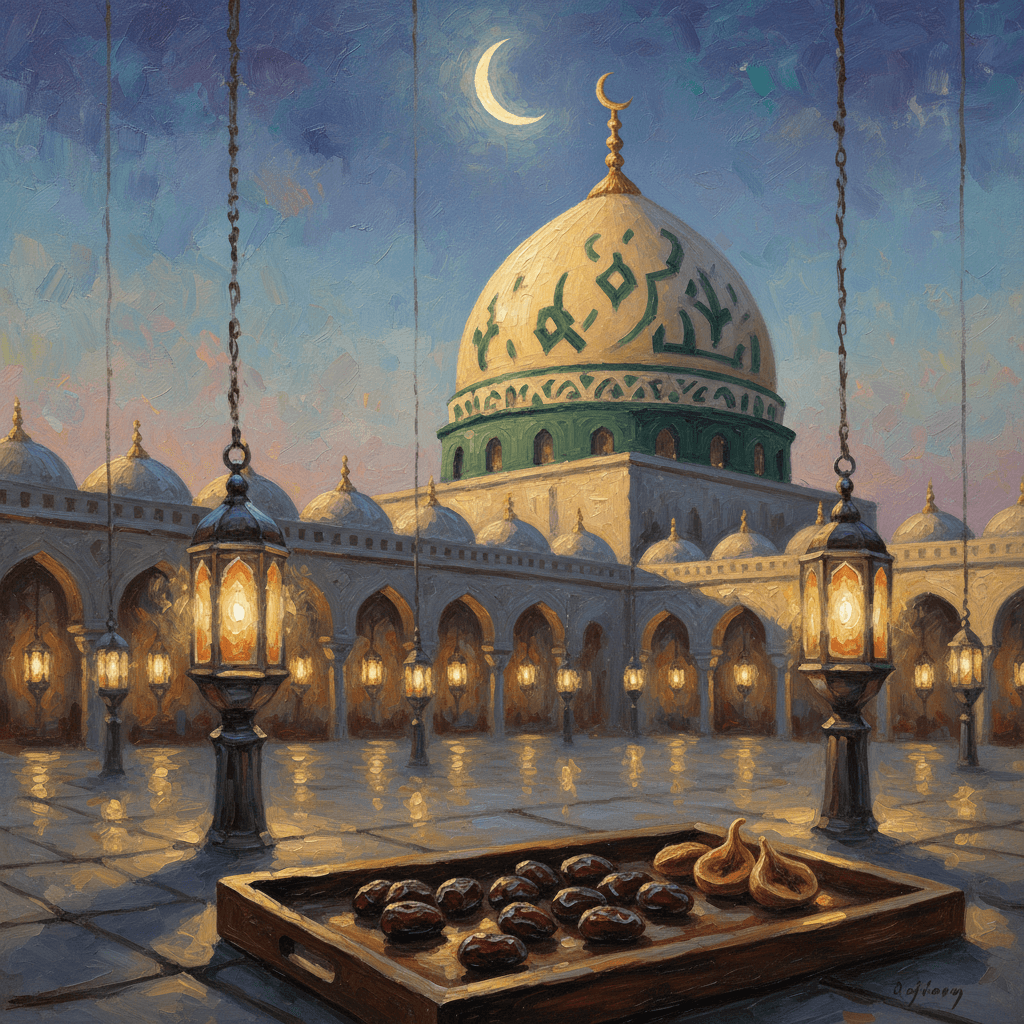
There is a window that opens once a year. It lasts ten days. During those ten days, ordinary deeds become extraordinary — the Prophet ﷺ said no righteous deeds are more beloved to Allah at any other time of year.
Most Muslims know Ramadan is sacred. Fewer treat Dhul Hijjah with the same urgency. And that is a mistake that costs real barakah.
These are the days of Hajj, the Day of Arafah, Eid Al-Adha, and a universal season of worship that belongs to every Muslim — not just those who can travel to Mecca.
The Evidence: Why These Days Are Unlike Any Others
The Prophet ﷺ said:
"There are no days on which righteous deeds are more beloved to Allah than these ten days." The companions asked: "Not even jihad in the way of Allah?" He said: "Not even jihad in the way of Allah — except for a man who goes out with his life and wealth and returns with neither." (Bukhari 969)
This comparison is staggering. Jihad — one of the highest acts of worship in Islam — is surpassed by ordinary righteous deeds done in these ten days. The multiplier on good deeds is unlike any other season.
Allah swears by these days in the Quran:
وَالْفَجْرِ وَلَيَالٍ عَشْرٍ
"By the dawn, and by the ten nights." (Surah Al-Fajr, 89:1-2)
The majority of scholars of tafsir — including Ibn Abbas, Ibn Kathir, and Al-Qurtubi — identify these ten nights as the first ten nights of Dhul Hijjah. Allah swearing by something in the Quran is a mark of immense significance. He is drawing your attention to these days.
The Five Core Virtues
1. The Most Beloved Days for Good Deeds
As established above, deeds done in these days carry a unique weight. This applies to every act: salah, dhikr, fasting, Quran recitation, sadaqah, helping others, calling your parents. The quality of your effort matters — but these days amplify whatever you bring.
2. The Day of Arafah (9th Dhul Hijjah)
The Prophet ﷺ said: "Fasting on the Day of Arafah — I hope Allah will expiate the sins of the year before it and the year after it." (Sahih Muslim 1162)
One day of fasting erases two years of minor sins. This single day may be the most powerful single act available to a Muslim who is not performing Hajj. Put it in your calendar before Dhul Hijjah begins.
Also on this day, the Khutbah of Arafah echoes across the world as millions stand on the plain calling to Allah. Even from your home, making abundant dua on this day — any time from Fajr to sunset — carries special significance.
3. Eid Al-Adha and the Sacrifice (Udhiyah)
The 10th is the Day of Sacrifice — the commemoration of Ibrahim ﷺ's willingness to sacrifice his son, and Allah's mercy in providing an alternative. If you have the financial ability, offering an Udhiyah (sacrifice) on Eid Al-Adha is a highly recommended sunnah.
The Prophet ﷺ said: "There is nothing more beloved to Allah on the Day of Nahr (sacrifice) than shedding blood. The animal will come on the Day of Judgment with its horns, hooves, and hair. The blood reaches the acceptance of Allah before it reaches the ground. So be content with it." (At-Tirmidhi 1493)
The meat is shared: one-third for yourself, one-third for family and friends, one-third for the poor.
4. The Days of Tashreeq (11th-13th)
The 11th, 12th, and 13th of Dhul Hijjah are also blessed days — the Prophet ﷺ described them as "days of eating, drinking, and remembrance of Allah." (Muslim 1141) They extend the season of takbeer (saying Allahu Akbar), and on each of these days the pilgrims in Mecca are performing the final rites of Hajj.
5. Connection to the Universal Ummah
There is something profound about these ten days: every Muslim on earth is synchronized in worship. Pilgrims on Arafah, Muslims fasting in their homes, families preparing sacrifices — all in the same moment. This collective worship is itself a form of mercy: the dua of every person who fasts the Day of Arafah carries weight for the entire Ummah.
What to Actually Do — A Daily Practice
If you approach Dhul Hijjah without a plan, it will pass like any other ten days. Make the decision now.
Days 1-8 (before Arafah):
- Fast as many days as you can manage. If not all eight, aim for five. If not five, aim for at least two or three.
- After each salah, say: Allahu Akbar, Allahu Akbar, La ilaha illallah, Allahu Akbar, Allahu Akbar wa lillahil hamd — the Dhul Hijjah takbeer.
- Give daily sadaqah — even small. These days amplify the deed.
- Read extra Quran. Even one extra page per day is a sunnah of these days honored.
Day 9 (Arafah):
- Fast. Absolutely fast.
- Make dua from Fajr until sunset. Write down what you want to ask Allah.
- Increase dhikr, especially: La ilaha illallah, wahdahu la sharika lah, lahul mulku wa lahul hamd, wa huwa ala kulli shay'in qadeer.
Day 10 (Eid Al-Adha):
- Do not fast — fasting is haram on Eid.
- Pray Eid salah if available.
- If you are giving Udhiyah, do not cut your hair or nails from the 1st of Dhul Hijjah until after the sacrifice.
Track Your Dhul Hijjah Worship This Year
DeenBack lets you set daily targets for fasting, dhikr, and salah during the first 10 days — so you end the season with a real record of worship, not just good intentions.


Free download. Premium features available in-app.
Why Modern Muslims Miss This Season
The honest answer: Dhul Hijjah does not have the cultural apparatus that Ramadan does. No special lights, no community iftars, no school recognition. It arrives quietly and, for many Muslims outside of Hajj-performing families, it passes just as quietly.
The nafs also plays a role. After the intensity of Ramadan, there is a tendency to mentally "rest" until the next major season. Dhul Hijjah catches you in that gap.
But the Prophet ﷺ's description leaves no room for treating these days as ordinary. No days are more beloved to Allah — that is not a suggestion to sprinkle in a little extra worship. It is an invitation to treat these ten days the way you would a second Ramadan.
For more on building a consistent worship rhythm across the Islamic year: How to Stay Consistent in Deen, First 10 Days of Dhul Hijjah, and Day of Arafah Fasting.
Common Questions
I missed the first few days — is it too late to start? Never. Start wherever you are. Even if you begin on the 7th, fasting Days 7-9 and making the most of Arafah is still an extraordinary amount of barakah. The gate is open until the 13th.
Can I make up missed fasts later if I accidentally eat on one of the days? Voluntary fasts in Dhul Hijjah (unlike the Ramadan obligation) do not require making up. Simply fast the remaining days you planned, and do not pile on guilt.
Does dhikr have to be the specific Dhul Hijjah takbeer? No. Any dhikr is amplified — Subhanallah, Alhamdulillah, La ilaha illallah, Allahu Akbar, and Astaghfirullah are all excellent. The takbeer is specifically associated with this season in the sunnah, so prioritize it, but do not limit yourself to it.
Is it sunnah to say Allahu Akbar loudly in public during Dhul Hijjah? Yes — the salaf would say the takbeer openly in markets, homes, and gathering places. This is not showing off; it is reviving a sunnah that many communities have lost.
Closing
These ten days will come and go regardless of what you do with them. The difference between a Muslim who uses them and one who does not is not huge amounts of extra time — it is intention and a plan.
Decide now what Dhul Hijjah will look like for you this year. Write it down. Tell someone who will hold you accountable. Then show up — day by day — for the most beloved days of the year.
Make Dhul Hijjah Count This Year
Track your fasting, dhikr, and salah during the first 10 days with DeenBack — and end the season knowing exactly how you spent the days most beloved to Allah.
Free download. Premium features available in-app.
Frequently Asked Questions
Why are the first 10 days of Dhul Hijjah so special?
The Prophet ﷺ said: 'There are no days on which righteous deeds are more beloved to Allah than these ten days.' (Bukhari 969) Allah also swears by them in the Quran — 'By the dawn, and by the ten nights' (Al-Fajr 89:1-2) — and swearing by something in the Quran is a mark of immense significance. These days combine Hajj, the Day of Arafah, Eid Al-Adha, and the most beloved days for any deed.
Are the 10 days of Dhul Hijjah better than Laylatul Qadr?
The scholars differ. Ibn Taymiyyah held that the daytime of the first 10 days of Dhul Hijjah is better than the daytime of Ramadan, while the nights of Ramadan (especially Laylatul Qadr) are better than the nights of Dhul Hijjah. The best position is to maximize both. These are two distinct seasons of mercy — not competitors.
What should I do in the first 10 days of Dhul Hijjah if I am not doing Hajj?
Fast (especially the 9th — Day of Arafah), increase dhikr (especially Allahu Akbar, Alhamdulillah, La ilaha illallah), give sadaqah, read Quran, perform extra prayers, and if you have the ability, offer a sacrifice (Udhiyah) on Eid Al-Adha. The Prophet ﷺ said all good deeds are more beloved in these days — so do more of what you already do.
Is it sunnah to fast all 10 days of Dhul Hijjah?
Fasting all nine days before Eid is recommended based on Aisha's report (Abu Dawud 2437). The most strongly established fast is the 9th (Day of Arafah), which the Prophet ﷺ said expiates sins of the past year and the coming year. The 10th (Eid Al-Adha) is haram to fast. Days 1-8 are highly recommended but not obligatory.
When do I start and stop the extra takbeer in Dhul Hijjah?
The general Dhul Hijjah takbeer (not restricted to Eid) begins on the 1st and continues until the end of the 13th (the last of the days of Tashreeq). During the first 10 days, increase it in any moment — walking to work, at home, after prayers. The restricted takbeer (after each salah) begins from Fajr of the 9th through Asr of the 13th according to the most supported opinion.